
 Ask ChatGPT


 The High Performance Podcast
8 Dec 2025 · 1h 22m
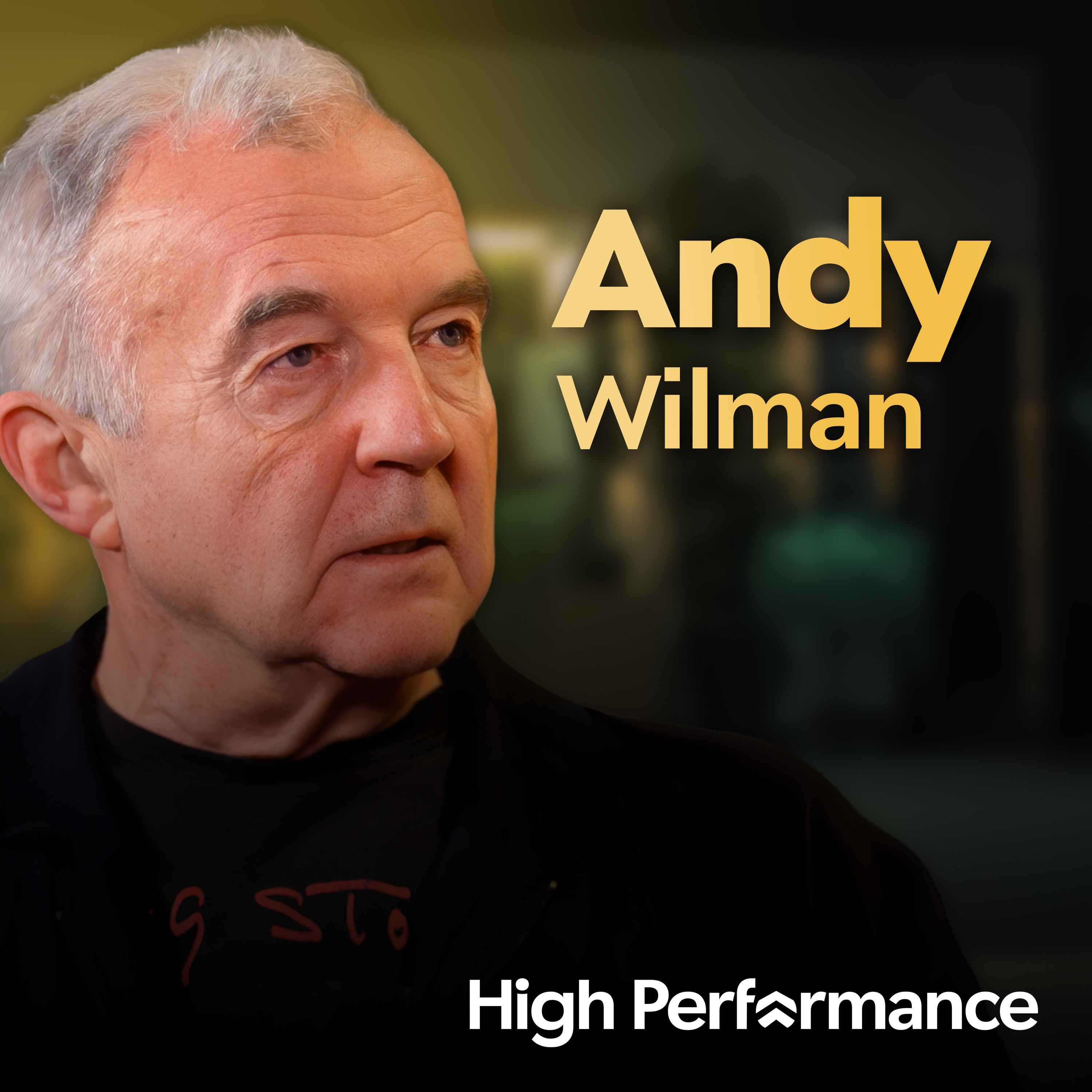
In this episode of The High Performance Podcast, hosts Jake Humphrey and Damian Hughes engage in a deep conversation with Andy Wilman, the executive producer behind Top Gear and The Grand Tour. Wilman shares insights into the evolution and success of Top Gear, discussing the show’s transformation, the pressure of maintaining high standards, and the personal toll that the journey took on him and his team.
Written by AI. May contain mistakes.

Get the gist, explore an idea or ask about something said.
 Claude
On The High Performance Podcast, what are the key points of this episode?
Searching your listeningAutomatic transcript. May contain errors.
0:01We get all the death threats piling in from Mexico and I'll do a little run-up how this all starts to come to be. Death threats. Oh, tons. It was on me, you know, in my head. I am the one who's going to have killed him. How can I live with myself anymore? You know, it was like that. Do you realise how much our show was falling apart? It seems the wheels were coming off. He knew this now, this huge thing was in jeopardy and he was waiting for his punishment. Hey, just a really quick note to say thank you so much to all of our new subscribers. And if you haven't yet subscribed, why not? It means you're the first to know about brand new episodes of High Performance.
0:39And it also means we can attract incredible new guests to the show. So please hit subscribe right now. Enjoy the show.
0:51Andy, welcome to the show. Coffee in my mouth. Thank you. Thanks for having me on. Through me. I love your book, Mr. Willman's Motoring Adventures. Because one of the things that comes through in the book is that without the brain and the drive and the occasional madness of Jeremy Clarkson, very little of what you've been involved in would have happened. No, we wouldn't be here. That book would be a cover, and then there'd be some blank pages. Because the start of it, or the root of it, is that what people see is this big TV presenter, and now inbound for National Treasure, of the way the farm is going sort of thing, something you never thought would happen.
1:34But he's actually, and you cut him in open, he's a tabloid daily newspaper journalist. That's where he was trained. That's what he loves the most. And that, you're only good at that if you're driven by stories and your ability to spot them and come up with them. And that's what he is. So you've got a combination of his story, like machine in his head, it's fantastic. then he's got that ability to be bold. So when we had to bring back Top Gear, you know, it goes off, it's been on, it's doing all right on the BBC, 1999, 2000, Jane Root, controller of BBC Two, takes the old Pebble Mill Top Gear off air because she's saying at this point, as a factual entertainment show or whatever they call them, consumer thing, It's looking old.
2:30You know, you've got Trini and Susanna what not to wear. You've got changing rooms. You've got Jamie Oliver with his little scooter. And next to that, you've got Top Gear looking old. You've got the presenters just saying five-minute things in solitary confinement, and then you go to the next one. So she goes, that comes off air. He rang me shortly after she said that, that it doesn't come back until she's got a good proposition on the table. He says, come to the pub. I come to the pub and I swear, he had these scribbly bits of paper everywhere. He had about 70 % of what Top Gear was going to become already worked out.
3:08What was on those bits of paper then? He'd worked out that it should happen in a place. And he'd worked out it should be somewhere, not a studio, like a hangar. He was like, we don't make it. If we go into a studio, it's LE or it's something like that. So we make it a home. It's a base. it's where Top Gear lives when the lights are off sort of thing so our hangar made sense because then we could be on an airfield and then we could build a track and he was like and if we have the track we can, two things all those sort of tests of fast cars that you've been doing on Top Gear in the past, they're all done round in the Midlands so it's like you're in a Ferrari or Lamborghini going this car's amazing and it's like 58 miles an hour because it's all you can do and he's like if we've got a runway and we've got to make a bit of a track we can really open them up properly, show the full speed.
3:59And anyway, and we can use the track for entertainment as well. We'll get guests in. We'll have a chat with them about the car history, but they've got to do a lap and set a lap time. And what he was doing is magpying him from different places. So we'll set laps of the fancy cars that we test. We'll have a lap board for that. We'll have a lap board for guests and lap times. And we'd both read Nick Hornby, High Fidelity. and if you read that, that sort of male, the male brain in that book of those guys who nerd away in that record shop, they always, whenever they start to talk about something, they go, top five, yeah, top five, and it's a male thing, I think, lists, because lists are so pointless in anybody else's world, but we're drawn to doing them.
4:43So he knew that would press that button and then the other thing that was, the two other things that were quite revolutionary in terms of the presenting of cars, was he said, we don't test a car until it's on sale in this country in right-hand drive so that somebody can watch it on the show and then go down the showroom. And at the time, Top Gear would do what the magazines do, like Autocar and everybody. It was like, if Ferrari launched a left-hand drive Ferrari in Italy, but it's a year from coming to Britain, everybody still goes over and films and writes about it, even though it's not going to be here for a year and it's in left-hand drive and it's on Italian roads.
5:24And he's like, why are we doing that? And I crapped myself. Because as a producer, you're going, no, we can get scoops, we can get exclusive, all those words. And he went, no, we wait. We wait. We let everyone else go first. Because he'd, again, worked out that, he said, we've got to pull ourselves out of that arms race of car magazines where they chase the exclusive because they're doing it for a niche audience of nerds who want to read it first. and he's like, we've got to accept we're not that. We don't do that now. We wait for our TV audience, which is going to be broader, and we go for them.
6:00So we had to wait two years before we drove a Ferrari Enzo and you'd watch everyone else talking about it, doing it, and we'd wait and we'd wait and he was right. It didn't make any difference. And then the other thing he did was, same logic, he said we're going to do a news section in the middle and he had a purpose for it. It became a cockabout as the show got bigger. But the first purpose was, if you've got a car like the new Golf or the new Ford Escort, they're very important cars because they sell a lot, but his argument is because he'd shot enough cars, they don't make telly. What can you say about a new Golf?
6:41It's going to be fine. There's no point in devoting six, seven minutes of film to it. So he goes, so what we'll do is we'll go, new golf on sale we've driven it it's great it costs this you can have it in these three engine specs next and then he said and then we'll save our films for more interesting cars go to Yetis or whatever you know that don't sell so well but you can make telly from them so he's doing all these things and I'm sitting in the pub going Jesus and like and what about the celebs who won't do a lap and he went well they don't come on the show and I'm like no no no no we've got to bend and he's like no we never give and he's like celebs are twats and I'm like and I'm thinking well you are one so you know so I can't argue with this fact but he's right but I love the idea that he has the kind of courage of his own convictions because that's like a lot of visionary stuff and it actually for people who are listening to this now who might be 20, 30 years younger than us they probably hear this and go well that's quite ordinary it was not quite ordinary in 2002 it was not happening 20, 25 years ago because what he did was that thing of you pick the vase up and you smash it against the wall so that's the old show and then everyone goes what have you just done and he goes well that's not going back together is it?
7:54So he removes the option by smashing it and you can only go forward so he had enough thoughts down on paper to get us over the line to get Jane Root to go right go do it but what we didn't have at the time the goal was still refresh the top gear of Pebble Mill so we weren't thinking about minis going down ski jumps or reliant robbing space shuttles or building amphibious cars or grannies doing donuts or all that sort of stuff. That wasn't in any of the plans. The relationship between the three, we had no expectation. It was just three people who got on together all right. But they would become literally like people thought they were Morecambe and Wise living together, you know.
8:43There was no plan for that. That was all organic development. When you watch, let's say, show number three or four that you put together with Jeremy and with Richard and with James, are you proud of those shows now? Or do you look and go, man, there was no relationship between them and it wasn't crazy, it wasn't fun, it was slow? Well, that first series was like, I forbade the BBC when I had the power to do it, to not show series one. You know, because I put them on repeat. I was like, no, that one goes into like a vault. Is that true? Yeah, because it's so shit. Couldn't you see it anywhere? Couldn't see it anywhere.
9:17Now, as soon as it all went tits and we were all shown the door, they'd start punting it out. But it was so crap compared to what we... I mean, we didn't have James in Series 1. We had Jason Dore doing the used car stuff. Right, I remember now, yeah, yeah. Jason was good, and that was a hangover of us going, people need consumer news, and we'll give them that, because he's like, we'll help people save a few quid. But once, again, organically, as we start to go, hey, can a granny do a donut? hey, can a nun jump a monster truck? These are little filling things that we're doing to amuse ourselves.
9:53And the stick starts to become a character that kids are loving. You start to realize quite quickly that there's no point in us talking about used deals on Citroëns, deals on used Citroëns. We'll leave that to someone else. So we're kind of part company with Jason and then go back and get James, who we haven't been allowed to have. Why not? because Jane Root said when we cast this new show it's new faces apart from Jeremy so we do huge so we're 2001 so it's like new faces apart from Jeremy so that means people like Tiffany Dell who's brilliant, can't be on it because he's an older face so we start casting around and we do open auditions never ever never ever we got hundreds and hundreds of VHSers coming in to the office.
10:4790 % of them were people doing donuts around B &Q car parks. And they're like, this is my audition. And you're like, yeah, keep doing that. Sorry, B &Q. And then one day, the girl who was in charge of the, like looking at all the tapes, Kate, she went, have you got a minute? Come and have a look at this one. Come and have a look at this one that's come in. So she slots it in the old VHS machine. She went, what he's doing is a bit shit. I do not know but and we looked at it and there was a man and he was in a sort of party shop Batman outfit standing on a wall and he was the car that he was going to talk about was below him and he said some Batman type things jumps off the wall and lands next to the car and then starts talking about the car and none of it had any you know the Batman thing it could have been a Fiesta it made no sense what he was doing and I said to Kate what is he doing and she went fuck knows and we were like yeah We haven't got a clue.
11:42But there was something about him and his energy. So we all agreed we like him. So we said, right, let's put him on the audition list. And she's like, Richard Hammond. Right, okay, I'll get him in. That was Richard Hammond? That was Richard Hammond. I think he was on Men and Motors at the time. And why was he dressed up in a Batman outfit? I think he was on Men and Motors. And Men and Motors didn't have a lot of budget. They were a really punky car show. Yeah. And they did the best with what they had. And they had a laugh. They had a really great spirit, but they didn't have a lot of money. And I think everyone was left to do what they wanted.
12:15So if you're still finding a fee, if he went, oh, I'm going to go and get a Batman outfit, they'd go, yeah, go on. There was no, like, why? So, but he was clearly good. So we did the auditions in West London in this TV sort of studio. And the auditions were, auditioning comes in, talks about a car. It was a Renault Aventine. So a weird car, say some words about that. then do the mock news section with Jeremy go through a few press releases see how you get on with him everyone comes through, does their bit we get to Jeremy and Richard Richard does his audition and it's only okay it's not great and we're like oh, this was our big hope oh no I was only okay it was just okay So come to the end of the audition, and we're all shuffling our papers going, oh, that wasn't what we hoped for.
13:12And then Richard just went, I've fucked this up, haven't I? And we were like, no, no, no, full British politeness. Not at all. No, no, not at all. No, good God, no, no. He went, no, I have. I've fucked it up. Same as I fuck everything up. Then starts this monologue about things he's fucked up in his past career moves. And it gets funnier and funnier because of self-deprecation and the way he paints the pictures. And it climaxes him with him going, and then I tried to be a radio DJ. And the peak of my career was Radio Cumbria, the nighttime slot, so, you know, full Alan Partridge through till dawn.
13:52And the peak of the show was me reading out, 25-minute long list, the names of lambs up for adoption. Right. And that's the peak of his radio career. So by this point, Jeremy's in tears because of the delivery of Richard's onslaught of failure. And he's doing his audition again by talking about how much he screwed up. And we were everywhere. Porter, all of us were in bits. That's Richard Porter, the writer. Richard Porter, yeah. And we were laughing and laughing so much. And then it was like, okay, forget what he did. He's a keeper. We have to have him. And what I like about that is particularly now we're in this world of perfection.
14:31Everything on social media is perfect. but people come onto this podcast, right? Yeah. And they like to say, well, we had a plan, and we knew what we were going to do, and we carried out the plan, and that's why I'm successful. And what I love about this is that Richard Hammond has basically gone, well, I'm shit at stuff. I'm shit at stuff. That's why you hired him. And you're also like, I know that Jeremy had that plan in the pub that day, but it almost feels to me like that was kind of, that was the framework, but everything that's in it, you're kind of, I don't want to be rude, and I want you to take this in the right way.
15:01it feels to me like you're stumbling into the success that Top Keeper's doing. Yeah, it's fully, that whole book is about accidents. Yeah. Accidents all the way. Because you get these huge shows, like we're watching Traitors, you watch Celebrity, Love Island, all of them. They're tested to death before they go on air. The Apprentice. And they come out of the traps and they're pretty much brilliant from the get-go. Because they know what they want to achieve and they know they can format them around the world. And we didn't. We just went, oh, we've got our three million. Jane Root will now leave us alone, series two.
15:34So that's the BBC saying, get three million and we're happy. Yeah, and then they left us alone because who's interested in cars at the BBC on the top floor? Nobody. So they leave us to it. It's like, tick, that works. So then, left to our own devices, we start to piss about. What can we do? Jim Wiseman. Do you know Jim? I know Jim well, yeah. Yeah. So Jim is like sitting there, and Jim's brain goes that direction. like when everyone else goes in that direction but it goes in the same direction as Jeremy's like he just flips everything Jim one morning he goes you know you're always getting like Evel Knievel like how many buses can a bike jump he went no one's asked how many bikes a bus can jump right and you know that straight away that is a fast show sketch you're making because the punchline is already there and we love that fast show idea of the punchline, unlucky Alf is going to fall down a hole.
16:28And we build it up and build it up. This bus is coming towards this row of 30 bikes. And you know, and you're doing all the crap like, I'll probably clear 15 of them, you know, I'm helping for 18. And when it goes up this ramp, you just know it just lands on all of them. And so Jim was bringing that kind of vibe and he was dovetailing with Jeremy really quickly. And he's a producer, Jim. Yeah. Yeah. And I came in one morning and he was talking to this woman and she was getting really angry. And he'd watched a documentary about a bloke living with a bear in Canada. They always have those on, you know, bears in the kitchen doing cornflakes and that.
17:04And he's going, well, what if we got it on automatic and you can hear this woman getting angrier and angrier? And then he went, all right, well, what about a monkey? And then, like, she just gets angry and angry and he puts the phone down. I was like, who was that? And he went, it was a zoo. And I was just trying to see if we could get a bear to drive. And I was like, so it didn't go well, did it? he went, no, worse than that, you're getting a call from the police. So it's like... And then James, and then Jimmy go, okay, next. Like we do these shoots, the road trips, and I'm in the edit and I'm getting all the pieces to camera that James has said and Richard said and Jeremy said, and they hit the things, the points they've got they want to make.
17:45And half of James's were like, oh, look at that church over there. It's a lovely church, isn't it? And you're like, what the fuck's that got to do with what we're doing? but he they became everything he forgets he's actually on a film trip he's actually on a holiday as their producer going mention something mundane because people love it no that is you could not make them do it now once a traitor arrives they'll probably ramp it up a bit you know Jeremy does become more bombastic and Richard does become a bit more Norman wisdom you know like he's he will act thick so to speak when he just reduces everything and James probably will act a bit more like...
18:25Bumbly. Bumbly old professor, yeah. That he'll take forever to do whatever he's got to do. So when you're doing those, you know, the bits in the film where they all meet and greet with their cars, I bought this, I bought this, and then they'll have a pop at each other's choices. And you can, just before you're about to shoot that, you can see Jeremy in his car and he's going... Because he's a writer and he doesn't leave anything to chance. He can free flow. But he wants his hit points. He wants them down. He knows what he's going to say. And James is kind of similar. And Hammond's on his phone, vaping, looking at whatever, talking to Mindy, whatever.
19:03And I'm like, we are filming in like 10 minutes. And he's going, yeah, yeah, fuck off. I know that, I know that. And then phone off, right, Richard. And he gets out the car. And then these one-liners fire in. And he just, like the Borg in Star Trek, he just absorbs what's going on. and then delivers his contribution. And his contribution is to slot in in a certain way, which is to knock their feet from under them. I find this so fascinating. But that is, you cannot, I'm so lucky. Yeah. Because we never ever planned or taught that. That's just what they knew what to do. And you think it is luck?
19:39Well, those three came together. Yeah, it was lightning in a bottle. Absolutely. 100%. The choosing of each other, the recruiting, yeah we consciously did it but the level it got to we never saw that coming so I think there's similar intelligence levels there's similar attitude to cars that they're all a bit lateral minded all works similar levels of mischief that all works but a key component was this thing about the BBC leaving us alone because as you know with TV or any show these days, the demand is that the hosts come on air perfect. They've got a relationship already, like where's that from?
20:27And viewers can spot it when it's like a TV relationship. And we were allowed quite a few series for that to just develop. I don't think it was till, bloody hell, series five until Richard calls James Captain Slow. You know, he just says it one day in the news and then that becomes his nickname. But five series. Yeah. And that's the problem. It takes time to develop these relationships. And I think it was a hospital pass for whoever came next because it was like, be as funny and as interesting and as well connected as the previous three, please. And worse than that. On day one. Yeah. And worse than that, I think you had some BBC management going, I've got what this show is.
21:07It's three lads mucking about. Well, yes, so is League of the Road. But it feels like the easiest thing to produce in the world. People just having fun together. I think it's one of the most difficult. No, it's shot through with nuance. Everywhere there's nuance. And the big one about Jeremy, in terms of that editorial brain, in terms of nuance, was you could watch our show, describe it down the phone to another TV company in another country, go, oh, well, they build crazy cars, and then everything goes wrong. And they go, right, got that. They could build a clown car where everything falls off.
21:42But what you're doing is just building an aircraft carrier for jokes. is pointless. Whereas Jeremy was the one, and he indoctrinated everybody with it and instilled it, was we are going to piss about, we are going to cock about, everything will go wrong, but we have to start with a premise that you can hook in. So ambulances, probably one of our best films where they built their own ambulances, you can stand, look the viewers in the eye and go, do you realise an ambulance costs, an ambulance costs this much? Do you realise how slow they are? Do you know, the NHS hasn't got any money we can solve this for them.
22:17So you've got that fantastic overreaching hubris which you know is going to be your downfall but it's actually grounded in a premise that people can go oh yeah, wouldn't it be great if we could have new ambulances or cheaper police cars that you can bash and crash. So they always picked on a point that would then drive your nonsense. Then you could unleash all the slapstick and the falling over and everything else. but it was always grounded in a why I've built my ambulance to be like so and so and without that you're screwed and of course the wonderful thing about that as well is although it's not necessarily a format in the traditional TV sense of a format those are your format points because every time it's like we set it up we over promise we under deliver we get things wrong and then you can swap an ambulance for a caravan for a supercar for a boat stroke car an amphibious car or build an amphibious car we'll build police cars.
23:14Rinse and repeat, rinse and repeat. As you say, we got into sort of, I'd call them like weapons in our armory. So another one was discovering that cheap cars at Breakdown make better TV than new cars. We hadn't gone into the new Top Gear thinking that. But then when you go one day, we did that film about can you own a Porsche for 1 ,500 quid? Now it starts in the office as like, slightly consumer advice. People like Porsches, but they cost a lot. Can you do it 1 ,500 quid? So we go off expecting to do a kind of, it'd be a bit funny, but it's like, hey, you can own a... So they set off from the city of London and they're trying to get to Brighton for challenge number one.
23:591 ,500 quid Porsches. Jeremy's got like a 928. I mean, it's doomed at that price. And they've got to get 70 miles to Brighton or whatever. They leave the city. Eight miles have got to a petrol station in Elephant and Castle. All three cars are broken down. Steam pissing out the radiators. People coming out, a lorry driver coming out going, I've got an egg, put that in a radiator. I loved when members of the public became part of your show. Everyone's involved. Do you remember when, well, of course you will, like hundreds of people would turn up. No, I know, like we built the electric car and all the kids are helping us recharge it.
24:33I just watched that and thought, that's what I want to get to on TV. And it's like, and that was a key moment because I remember the director, who was old school, very good director, but he was old school, and there's all this chaos, cars, steam, everywhere. And he, fatal mistake, he went up to Jeremy and he went, shall I break the cruise for lunch while you get all these mended? Right, and Jeremy went, no. This, this is the film now. This is the film. Cars running and working is not the film anymore. It's the chaos. Yeah. So we flipped, and again, an accidental discovery. that then shonky cars are going to give you the loads.
25:13An accidental discovery, but every other TV show, because I was working in telly at that time, when things went wrong, the director broke the crew. Yes, it's accidental, but it's Jeremy going, let's look at this a totally different way to everybody else. That's the maverick thinking. That's right. And then when we accidentally discover we can do specials, when we go to Alabama and get our arses kicked there, but it's all good and the film becomes an hour, so we haven't planned a special we just shot a normal film that's too long and we go oh we can do specials we then go let's use that thing of cheap old cars that have had their day and we put them through across Africa or whatever and then they become underdog heroes and if you don't like cars you can still fall in love with that car and the three of them have the ability to make those cars live and impart that to somebody who didn't really like cars so you've got Rocky Balboa going on basically so all these happy accidents start to go you realise when our show starts to take off you've got to protect it from the BBC not in a horrible way but once it starts getting noticed and getting bigger and all the rest of it everyone starts coming in going would you do this, would you do that
26:36Was it because they wanted some of the credit for the success? Or because they realised that... Hey, there's plenty of people with Top Gear on their CVs that had nothing to do with it. But that is the same as every show. Yeah, yeah, yeah. We'd just, like, giggle at that one. Success has many fathers, right? Faye is an orphan. Faye is an orphan, yeah. So we knew that we let that one go because as long as it doesn't materially interfere with us. So what sort of things were the BBC doing that would just create an issue in this great process? Well, there weren't issues, but they needed a firm no. Because a lot of the time, there were like W1A moments, as in they were quite charmingly crap.
27:13So one day, I think we're about four or five series in, we're doing well, and I get a call from those two management people, top floor, and go to see them, I don't know why, and they go, we've got some amazing news for you. they went, BBC Two historically fails to attract young black and Asian viewers. It's just not a channel they want to go to. However, your show's doing it. Your show's pulling in young black and Asian viewers. I was like, great, this is good news. There was a silence and I went, right, I'll get back and I'll tell the office and I'll let everyone know, thanks, thanks for letting us know.
27:49And they were like, don't go. And you thought, oh no, here it comes, right, with the W1A moment. and by W1A if nobody's watched that it's the comedy show where the BBC takes the mick out of its own ability to overthink and tie itself in knots it is a great show great show yeah so this guy goes we were just thinking that since young black and Asian viewers are watching the show have you thought about replacing one of your team with a young black or Asian viewer and I was like one of the trio yeah and I'm like here we are W18 because it's like that blinding logic now what you do in these circumstances you go we'll certainly give that some thought knowing that no one will ever mention it again and I thought no fuck it I can't let this one go because I said so hang on a minute what you're saying is young black and Asian viewers are perfectly happy of their own volition to watch three white middle class middle aged men bumbling about doing their stuff.
28:53They're happy to do that. But your response now is, no, we'll take that away from you and give you something you haven't asked for. So I was like, isn't that a bit patronizing to these ethnic groups? And as soon as I said patronizing and ethnic in one sentence, it was like, checkmate. BBC panic. I was done, yeah. Well, I say in the book, it's like the BBC meeting life rafts suddenly automatically inflates. but they're like meeting life abandon ship emergency yeah but instead of like flares and water it's got sentences like good well we'll pick this up later you know so those kind of moments you have to and I think in that culture some producers would have gone back and gone right we've got to consider this because this is what they want whereas we would just go shut up so did you take all this pressure on your own shoulders because a lot of people will listen to high performance in leadership positions, trying to work out how to lead a team better.
29:54Like, you were working on two very different shows, I think, because when Top Gear first started, no expectations, no fame, no past glory to rely on. It was all about what could we do? And it gave you freedom. Suddenly, you actually had, you know, for people that don't understand television, you and I, when I was at the BBC, not now with a podcast, but we lived and died by the overnights, right? The overnight viewing figures. how many people watched the show the previous day. Yeah, absolutely. Pause for it. So suddenly, not only did you have that, but you had the fact that last week's overnight were nine and a half, ten million, right?
30:28So that sets the expectation. Everyone's loving it. The BBC are paying more attention. The lads can't walk down the street without being stopped. No, that fame was a joke. How do you then lead a team differently in a very different world? I like to think we led it differently, but, okay, I think one thing I did... I borrowed from David Brent because I do believe... That's my favorite sentence of the conversation so far. My leadership at Top Gear, I borrowed from David Brent. I borrowed from David Brent because I think he's much maligned. We know he's a cock-end and he's created and portrayed as a cock-end.
31:07But the one bit that I absolutely think he gets right is that we have worked our society into this position where capitalism is what it is, in that we've all got to go out and earn a crust. And all the best hours of your life, all the best hours of the day are spent with people you work with and not your loved ones, your friends, your family. They're not. It's the other way around. And you get them for a bit in the evening and two of the seven days a week. It is what it is. That's why we do it. And I always thought David Brent kind of instinctively knew that. And although he did it for his own ends, he liked to make a bit of theatre out of the office.
31:48You know, he did a terrible job, but his instinct was like, this place can't be drab. So we did piss about a lot in our office in terms of how much fun it was. And, you know, you got people like Jim in there, it's always going to be that way. And we were always tight, and it was... Failure was like celebrated. It meant to hurt, and then it was celebrated, you know. So we had a good vibe in that way. But the rest of it, I would say we didn't do very well. Because when the show took off, and you're getting your nine million, and you don't have a format where you can refresh the next series with new contestants, it's just us coming up with new films.
32:34Even though we've got an armory of cheap cars, specials, build shit, you know. We've got stuff, things that we can fall back on. you are now under so much pressure and everything has also got so huge the films that started out as 10 minutes are now half an hour but you've still got the same edit schedule you've still got the same timetable so we're in there till 2, 3 in the morning editing these things and we didn't work out how to delegate we didn't have to work out how to make it a different show so the pressure becomes nasty and we all, I think we all hunkered together on the pressure. You know, it's like, I think Phil Church would call it like Top Gear fear, that you've like got to get it right.
33:21You've got to do it and you're doing it for each other at home. It absolutely decimates family life, marriage, everything, because we've got this shot at making this amazing show and making some money and security and I'm obsessed by that. Because of my childhood, I'm obsessed with like, Financial security is the answer to everything. What do you mean because of your childhood? Because it was tough times for, I know people go, what, you went to a boarding school with Jeremy? But in the book, you'll see what I mean on that. There's a nuance to what I'm saying there, where you grow up with the obsession that financial security solves everything that really does by happiness logic.
34:04You sort of go, no, I know it isn't true, but you think it is, I do. So it decimates home life. the pressure of delivering, same schedule, we don't grow the team enough, and we are exhausted, that's all coming together. And then we, in our power, get a bit giddy. And we start to get a bit ragged with how we conduct ourselves, how we manage what's the right thing to do and the wrong thing to do. and we start to screw up at that point. What sort of stuff? So, a good example, Mexico, when we insult the Mexicans in the news item. Now, ironically, the BBC compliance team, they pass it. They go, that's okay, because for whatever reasons, you can do national stereotypes or whatever.
35:04If there's a stereotype that Mexicans love sleeping and not doing much, we're allowed to play with that. But we didn't play with it. We were just nasty with it. We just loved the sound of our own bloody voices. That's the interesting part, isn't it? The nastiness. It was just charmless. It was so unlike Top Gear. Yes. That's what I remember watching that going... Yeah, it was ooh and we didn't see the difference. You don't do that. You're right. You do it in a fun way. So when we do Lorry Driver's Murdered Prostitutes, Daily Mail's going batshit, sure. But everyone else is laughing. Eddie Stobart's ringing up going, I never laughed so much in my life.
35:36And we do murder him. And it's like, it's funny, you know, when no one's, everyone, viewers are going, he made the stupidest joke which has got a bit of a trope to it. And this wasn't lorry driver's murder prostitutes or Jeremy going, people in the middle lane on the motorway, we should have snipers on the bridges to shoot them in the middle of the face. You know, that's what I'm doing when I become prime minister. People go, that's not really going to happen, so we'll laugh at it. But Mexico is just horrible. And then we get all the death threats piling in from Mexico. And I'll do a little run-up how this all starts to come to be.
36:14You're death threats. Oh, tons. Tons, yeah. They're all coming into the office. But the BBC go, well, it's okay, you know, it didn't breach any whatevers. So I think a little bit cowardly, we go, yeah, well, we didn't breach anything, so we're all right. But inside, we're actually going, nah, this was shit, we were ashamed. Then, I get an email from the Mexican embassy about a month later. And we'd slagged off the Mexican ambassador as well in that piece because at some point in the news item, one of them goes, I bet the Mexican ambassador's watching this and he's going to be on the phone tomorrow.
36:55And then one of them goes, no, he won't, he'll be asleep. The audience laughs. As it happens, he wasn't asleep and he was watching it, right? so he sends the firm protests over to the BBC demanding an apology to the Mexican people they don't give it because they go we didn't breach anything they give a personal apology to him but not to Mexicans anyway they invite us this email invites all four of us to come down to the embassy to celebrate National Independence Day in Mexico and we're like well we're going to get murdered when we go there but we've got to go because this is like James Bond going into the baddies' lair.
37:33So we get our suits on. We go in. Me, Jeremy, and James because Richard's away filming. The Mexican ambassador is the nicest man on the planet. And he's like, guys, when you said I was asleep laughing, I cracked up. He went, I actually did die laughing. And he said, myself and my press guy laughed about it. But then we went, right, we've got to get serious because actually you've insulted our country. He said, So there's the irony. I got an apology I didn't want or need, and my country didn't get one, and that's what it does need. So by this point, we're feeling like this tall. Also, there's margaritas everywhere, and we're not real spirits drinkers, but they're delicious.
38:16So we're about three in and getting pissed, and that sort of shame is compounded by we've had a few. So Jeremy's like, right, I'm writing my son column this week about it's going to be a full apology to the Mexicans. So eventually we did it. We did it properly. But it took the Mexican ambassador to sort of right the ship and show us the error of our ways, that it could all be sorted. And if that hadn't happened, do you think it could have caught your kind of giddiness, the egos running away with you? Well, that's my point. That's what I'd then go on to say. It's like, that was great. That lesson was learned from him.
38:57but the lesson we didn't learn was that we have any consequences because he like a diplomat offered a solution we took it and all was smoothed over and he was nothing but charm so you sort of come out of that embassy trashed going well that went well but by that point we are quite high on our own entitlement that we can do anything So we do that slope joke, which is shit, and get caught for it because there's no permission to do it. We just did it behind everyone's back. All right. Had you not shared that with the lawyers and people? No, because you'll remember this. The BBC works on that referral system whereby the onus is on the programme to go, is this okay to transmit?
39:50And we were like, well, they won't like that, but it's a little silly Vietnam War film, Commando Mag silly reference. It's not a big deal. So we'll do it. And then I went, and nobody will notice anyway, which they didn't. Except some old hack in the Daily Star did notice it. Then it all unravels. And at that point, we are in a world of, there's a management layer in the BBC that, so the ones that we'd annoyed, the editorial policy people were like, livid because they had been so helpful all through the years and they'd let us go with things like lorry drivers and prostitutes and all that they gave us fantastic leeway because all those things were always defensible so they're like why did you lie to us why did you pull the wool over why did you do that when we've done nothing but be helpful for you and we were like we just felt like shit.
40:47Absolutely like shit. Because we had gone, like kids, we'd gone too far. You know. And we did all our apologising, but then by that point there's a section of BBC management that absolutely doesn't like us. Whereas the editorial lot are like, we'll get through this, we'll kiss and make up, but fucking hell. Not again, yeah. Yeah. And then there's an element that doesn't like us, and then where basically battle lines are drawn, you know, to the end. And what were Jeremy, James and Richard like in this kind of atmosphere? The office is very much, they come in to do meetings and record stuff and then films.
41:30I'm in there all the time, like dealing with management coming in and out and what they want to do. Jeremy wants to know. Yeah. So he's like ear to the ground about everything. Richard probably a bit more as well. So we do feel a bit of like... Do they feel untouchable, though? At this point, yeah, I think we do. The show was so tight, and we were so popular, and the good times were so good. And because we were, like, in our own little bubble, you know, not in the BBC, I think the office, they didn't feel fearful of any of it, but they were just like, here we go again. You know, we're on our rollercoaster ride.
42:09And they like being part of our, you know, this gang that is a, it's a show that does well and it's a proud one to be on and your CV looks good when you're on it and it's lively as hell the whole thing you know we used to talk about it all the time when I was working at the BBC both on kids telly and Formula One oh really well because you weren't at television centre you were in your own porter cabin somewhere else well we had that one yeah there was all these rumours like you can't get there they won't let you in to watch the show it's like they run by their own rules and we were like oh well that's how we want to be there was that and I think we also made the place a bit, I mean, it was a pigsty.
42:44And I remember like, we had this great press officer, Tara, and she used to, she'd be in the press office and she'd be like, I'll go down and see Top Gear now. And she said, a couple of times people would go, how can you work with that lot? And she went, because they're really funny and they're actually really charming and they're actually really nice. And they're like, no, that can't be true. Because there was this perception that it was like animal house, you know, and that we were like misogynistic dicks or something like that. And she went, it couldn't be further from the truth. It's actually just like some blokes and there's a lot of girls who work there.
43:19And this tiny turnover, runners had become producers. So it's not one of those shitty toxic environments. It's just a bit chaotic. But it did challenge your mental health, right? You talk about in the book that you were on antidepressants by the end of your time there. Oh, God, yeah. and it was a classic me or anybody actually on that show that high up. You take the antidepressants but not the warning that came with it. I didn't think burnout, I didn't allow the thought that burnout could exist. But the hours we were doing were two or three in the morning in the edit and that was four nights a week.
43:58Then the weekend you're going through the film that is going to go out on air on Wednesday, on Sunday and you're doing it all again and then like I say that thing at the back of your mind like that film's not as good as the last one and how are we going to keep 8 million viewers whereas most shows I think when we've had a good run of 8 million are going look it's okay it's slipped down to 6 it happens it's fine we could not entertain it and we couldn't enjoy any of it I think because we were so insecure and because it had grown so organically it was so much part of us but the insecurity was a huge one was that we couldn't let that go because then I think we'd go right, what are we left with?
44:48we're left with ourselves and that's not a very nice thing because we're probably not very nice people we're just a bit useless that's what we thought our insecurity the knock on of that was that we took hold of the show and what I mean by that is we didn't take hold of it like in terms of contracts and IP we took hold of it in terms of everyone else at the BBC stay away, leave us to make this and once your insecurity makes you do that because we're like this is going to define us and we're going to do it once we start to see how good it is that is then a hamster's wheel a huge one that you've created and insecurity drives that because you don't want to then having set yourselves up as everyone stay away while we make this.
45:35You don't want to screw up. And then the other thing, I don't know how you feel about this in TV, but not everyone's a jack-of-all-trades. And I've got particular skills. Like I say, I'm really good in an edit. I can run a team. But I'm not a great light bulb moment guy. That's Jeremy. So I'm always worried that I would be found out if I don't do what I'm doing. that people go, well, when's the next? You know, they go, you created Top Gear. I go, no, I didn't. I actually didn't. I helped make it. I want to talk about a few really significant Top Gear moments. I think television is very interesting because I think it sometimes insulates you from realizing that what you're doing is actually potentially very dangerous.
46:16Because if there's cameras there, it all must be fine. And I know that Richard Hammond's sort of rocket car crash generated a lot of headlines because he was seriously injured. But actually, I think when he crashed the Rimac, for you is... It's the worst. It was the worst. That gave me the hot neck still because I think, yeah, obviously at the time when he crashes the jet car and he's upside down and then you're in the hospital in Leeds and they go, if his brain swells, then it will kill him. But they go, so there's nothing we can do. And you're like, so it's, we wait, we wait. now that you're literally ripping your own skin off you've got demons that's horrible but then I think by the morning they said no he will live we don't know what he's going to be like but he will live so you drop down a notch at least he's going to live there's no orphans a widow or anything like that and then because it was those times the Richard recovery and the Richard, it's all about getting Richard back on air.
47:31And it's like a big hero story in a movie. He's back, it's Rocky, you know. That was the times. And the crash was titanic and massive and it sort of had a movie thing to it where poor old Freddy's crash was horrible and just debilitating and nasty and so much more sort of tragic in that way. The poor bugger, that one. Horrible. But the Rimac one, The fate element is what gives me the shivers because he rolls down that hill, 300 and odd feet, down that hill, and he comes to rest on the roof, and he's in a supercar with, you know, windows like that. He knows he's bust his knee, he's conscious, and he smells, he's like, I'll wait until somebody gets me because he's very calm.
48:20Brain works brilliantly. I'll wait until someone gets me out. Why should I try? Then he smells the burning and goes, I can't wait. He's got to kick that window in and climb out, upside down in a supercar. And the claustrophobia there of that, but what keeps coming back to my head is, if he'd been unconscious, nobody would have got to him. Because there were lots of, it's Switzerland, there's loads of fire and ambulance stuff around, but he's got to roll down the hill away from everybody. And it's that, it's that like, fuck, what if he'd been unconscious? yeah and I think we don't stop doing the show but same as we don't stop doing the show when we come back from Argentina but after a while you start to put them in your little book and go right how many lives have we got left James is crashing Norway you're like okay that's another one and we didn't expect that one so how many of these have we got left and as we're aging and our brain is also now switched from...
49:29With Top Gear, it's how long can we keep it going? Or how high can we go, I guess? Once we get into the autumn of the Grand Tour, it's when do we end? We have to pick the right moment to end because we have to end on our own terms. That becomes the most important driving factor. We can't keep going out there like status quo another retirement tour, you know, we've got to stop. So that becomes a driving force. And these crashes start to have a bigger resonance now about we're pushing it. And in that situation as well as the exec, as the most senior person, there's a real personal responsibility mindset, I guess, for you as well, right, when Richard Hammond is upside down in a burning supercar.
50:18I'd like to say yes. but with such a group it isn't I don't sit there going I know it's going to be me in court with a suit on but I didn't think of it like that I think the safety's so good the office is so good I do let I have learned to delegate about that kind of thing so you're going out with the best stuff whereas the jet crash I did have those thoughts it was on me in my head. I'm the one who's going to have killed him. How can I live with myself anymore? It was like that. Whereas the other one, we were such a machine about health and safety and everything else. By the time we get to Rimac, you've absorbed it.
51:05Before we talk about the way that it did end on Top Gear, what do you look back on as the greatest film that you ever made and why? Can I have two? Mm-hmm. well there were two specials one was Burma and one was the Middle East it wasn't what we did so much it was I remember that period it was like 2000 and whatever 8, 9, 10 the world for a moment was a nicer place we could go and get permission to film in Burma in the deepest darkest parts of Burma and now it's another friggin civil war there It's all closed again. Three wise men, we land in Iraq. We go through Syria. We're in towns like Aleppo.
51:54The people are calling us in, giving us like drinks and sweets and food. And you've got guys running around going, Captain Slow Lee and all that sort of stuff. And they adore those three. And there's Palmyra over there. And then fast forward and ISIS have annihilated the place. we drive through Damascus and you go top 10 great cities of the world. So for a moment, the world is an amazing place. The films were good. But what I took back was the whole, like, shit, how lucky are we that we're going to these places and work in them. And you felt there was hope for a while. That the world was actually going to go that way.
52:39That we were going down to embassies and getting permits. Syria, yes. Iraq, yes. Burma, yes. I remember we were in Burma one night, and they always give you, like, a government official, and they always pretend a government official is there to make sure your hotels are all in order, but they're there to spy on you. And we had some young fixers who were government, and then this older guy, the classic older guy, who was, like, real pensionable age, and of an evening, we'd all sit in wherever we were, and he'd sit with his whiskey, knocking it back, And then one evening he was like drunk and he laid into all of us.
53:16He just started about how we were taking the piss in his country, how we did what we liked. We had no respect for anyone. None of it was true. Yeah. Because we're very careful about that. But he just laid in and laid in. And I was like with the producer going, shit, if this guy reports us back to head office with these thoughts, which aren't true, we're going home. and the younger fixer had heard it all. And he went, I've already rung the office and they said, put him on a bus home tomorrow. It was like the younger guys, they were like, we're not doing that anymore. That old guard who can just...
53:56So interesting. Yeah.
54:03Can I give you a few things that I loved about the show? Yeah, go on. As a TV person, the Stig purely because it's so in some ways it's nothing in other ways it's everything yeah how did you even create that character so we needed like back to 2001 we're putting the show together and we're trying to work out how the show will operate on air we've got an hour we know we need like we've got Richard we've got Jason Dawes used car everyone's got skills we don't know what Richard's is yet but we know we're having him. We've got Jason Dore, used car. We've got Jeremy doing road tests and stuff. So Rich can do that.
54:42But we need a racing driver because that's what Top Gear had with Tiffany Dell. He could race and talk. Very rare combo for racing drivers. Okay, they can kill me but I think we're right on that one. And it was apart from Martin Brundle who's the ging. Yeah. So we're like, okay, and Sebastian Vett, all right. So we're like, they can like we need that guy and I got into a sort of complete frenzy because I was like okay we've got an hour and we've got all these things like the news and the guest and if you do a film Jeremy and if Jason Daw does a film Richard does one we haven't got room for a fourth film but the Tiffany Dale character's got to do a film and we need him because we've got to do the lap stuff on the tracks you know, the powerful cars on the track.
55:39And then I sort of like threw my pen down. I went, not that we can find a fucking racing driver who speaks anyway. Like, what are we doing? And then Jeremy went, hang on, why does he need to speak? And I was like, what do you mean? And then he went, okay, look, he went, look, I can do the slidey shit, you know, car going around the corner, smoky tires. He went, Tiff taught me to do that. I can slide a car. What I can't do is lap times. I don't know. Like you said, I can't hit the same apex, lap after lap after lap, or shave tenths off a car. I can't do it. But I can do all the slidey theatrical telly shit.
56:20So he went, so how do we have it? Like, we'll test a Ferrari or whatever. I do the slidey shit. And then we just have the racing driver. He's got one job, and it's to set the lap time, and then he doesn't speak. and then he went again his light bulb he went well even better we make it so that he never speaks and we don't know who he is he's like you know we cover him up people then start to guess who this guy is and we give him a name and people start to guess so I was like what should we call him and he was like I was watching Pulp Fiction the other night we'll call him the Gimp right and that'll be him so we hire Perry McCarthy who's a good do you say we want to hire you as a gimp.
57:01Well, this is it. So Perry comes in, I'm like, that's your suit, that's what you're going to look like. And then you lap the cars, you never speak, you never take your helmet off, and then you're a character, so you've got a name and you're going to be called a gimp. And Perry goes, and you can go fuck yourself. And we were like, okay, not the gimp men, right? And he was like, no, it's just no, it's not. So it was like, what do we do? What do we do? And then Jeremy was like, Stig. And Stigs were new boys at our school. That's what they were called. Right. Stig was a new boy for the first year I've always wondered where the name came from they did all the jobs and that became that and then sure enough he took off because people did start to go and you know you've got social media now it's becoming a force who's the Stig?
57:50and everyone thought it was it's Damon Hill it's always Damon Hill yeah I love that as a Formula One lover growing up yeah I loved it when you got Michael Schumacher on the show not only was it that you got Michael Schumacher, but what you got him to talk about as well. Like, A, no one got him, and B, no one really was able to probe him in areas that he didn't want to talk about, and you managed that. Jeremy and I had done a series on that man. Jesus God, he's my hero. Not Jeremy, the other one. Why? Schumacher. We saw him more than once. We'd come across him more than once, and I think we watched him grow from being a boy under the sort of control of like Briatore.
58:32I don't mean that like nastily, but he becomes his own man. He gets married. When he goes to Ferrari, you know, the magnitude of that job. Every Ferrari driver who goes there moans, if it's not right. Did we ever hear him moan? And he goes there, the car's a dog in 96. And he knows he's in for a four or five year plan to bring them back to glory. And I remember Ross Braun saying, you know, lunchtime, he's playing football with the mechanics. He likes a game of football, but he knows this is all part of it. The big superstar driver is with the mechanics. He is with them all the time. You do stuff together.
59:16He'd go around the factory, shakes hands with everyone sweeping the floor, everybody at Christmas. And it's like, and Braun's going, people don't see this. They just see the villain on the track. They don't see what he's doing in that factory. We did this series for the BBC in the late 90s called The Science of Speed. Nothing to do with Top Gear. It was a BBC One science thing. It's Science of Speed, and one episode's about fast people. You've got to have him. Ross Brawn fixes it up. Schumacher says, yes, we go over to Mugello because they're testing there. And it's the week before he goes to Japan, and it's a decider, him or Hakkinen.
59:55so he's got a lot on his plate we talk to him on the track he drives Jeremy around a bit and we said we want to talk to you some more and he goes come to the hotel then this evening and Sabine his manager says yeah we can have half an hour there with him so you go ahead and get set up so we go to the hotel and it's this four star hotel in Mugello best one in town but it's what it is businessman's hotel we go in and we're like we can't do him in his room that'll be shit you know So I go to the manager behind the bar, behind the reception. I go, can we close your bar for an hour to do an interview?
1:00:31And he went, no, no. And I was like, it's for Michael Schumacher. And he went, and his face was like Basil Fawlty, that moment of realisation. He goes, moment. And then he's like empties the whole bar of everybody. We've got the bar. We set up and we talk with Schumacher in there and he mucks about with Jeremy, plays slapsies with him to talk about hand-eye coordination. He's like, this is the least scientific thing I've ever done. We ask him about bumping into Villeneuve and knocking him off. And this is the crucial bit for me about what a man. We ask him about it. It gives a good answer. He goes, I knew it wasn't right.
1:01:09I absolutely knew it wasn't right. But I grew up in that era of Mansell, Senna, Pross, PK, where they played fast and loose. That was a tough driver era, you know, where they were the stars of it. And he said, and that was in me, definitely. That's my schooling. So I did it, and I knew it wasn't right. Do the interview on that. And then he talks about how much faster he thinks Hackening is than him on the day. So really lovely interview. Then Sabine goes, wind up half an hour. We start packing everything up. And he sits there, and he's like, so what happens now? And I was like, well, we're just packing stuff up.
1:01:50and he goes, what are you doing? I said, well, we're just going to have a beer while we're packing up. And he goes, does this bar stay shut until you empty it out? And I went, yeah. And he goes, well, I'll have a beer then. And then he has a beer. He stays for another half an hour. And he explains how he goes, you've got to understand in Italy, I come into the hotel, I can't go out. I go to my room, I ring my wife, I have dinner, room service, watch telly. That's my life. And he goes, so I'm in a bar. And it was just like joyous. Talking to him. I love that. Anyway, where I'm going with this story, I start with Ronnie Corbett anecdote.
1:02:26But he... Another of my heroes. A year later, we've cut that interview together. We need the footage. Bernie, I ring Bernie. Yeah. And I say, so we need this, this, and this. We need him in the wet in Horeth, blah, blah, blah. And we need him bashing into Villeneuve. And Bernie goes, you're not having that footage, son. And I was like, no, but we need that because he's talked about that. So we need him just smacking into Villeneuve. and he went, no, you're not having that, son. That's in the vaults now, that's history. No one wants to see that again. I was like, Bernie, we've done a whole chat with him.
1:02:58We've got to cover it with something. He went, not having it, sorry. I know you want it, but you're not having it. Phone goes down. Half an hour later, it's Mr. Eccleston for you. I've changed my mind. You can have the footage. And I was like, oh, Bernie, thanks. He went, all I want is a signed fax from Michael saying he's happy about it. And it's a year on and I'm like, So we get a hold of Willie Weber, Schumacher's manager, and Willie Weber, tell him what we want, and Willie Weber goes, I'm with Bernie. I'm going to say to Michael, that's a no, because it is the past. We're all done with that now.
1:03:33It's buried. New era, it's done. I'll tell Michael no, but I'll pass it on. Willie Weber, half an hour later, Michael said, yeah, but I did do the interview, and I did talk to them. So, yeah, they get the footage. What a man. Man of his word. Yeah, so he means a lot, that man. Not just because he got us stuff. It was just the way he became his own man and he had values. Yeah. Yeah. You get a bit emotional talking about him. Oh, yeah, yeah. Why is that? Because it's just like fate is such a prick. Yeah. that a man of his abilities, and he stops, doesn't he stop to help a kid up who's fallen over skiing?
1:04:24What the fuck? You know? And then toe rags go along through life getting no comeuppance. Blah. He would have done so much as an ambassador for whatever he wanted to be. Yeah. And again, on the track that day, it was so funny. You know, when Jeremy went, I've got some other questions for you, and Schumacher went, I'm sure you do. you know like he knew there were tough ones coming like he's so at peace we then come towards the end of your time on Top Gear and the infamous Jeremy Clarkson punch of a producer do you get jaded talking about this you must have talked about it so often I've talked about it a lot I was never there and I'm never going to talk about it in the sense that if anybody wants me to unpack it I won't because one I was never there two Jeremy and the producer have agreed never to talk about it so it's their business.
1:05:17Yeah. It's absolutely their business. So all of us, it's like, that's it, we respect that. And everyone who's got an opinion about it has got it. So what I focused on in the book was I'm with him in that period when he's suspended to get him fired because he turns himself in after he's had the bust up and then he's suspended. How do you mean turns himself in? Well, he rings Danny Cohen, who's the boss of the BBC, and goes, been a bust-up, you know, gun and badge on the desk, and he's suspended. And then at that point, he's sitting waiting because he's done whatever interviews he's going to do.
1:05:55The BBC interview other people. The press are circling. The BBC are doing their internal talking. As we've just seen with the shit show that they went through the last couple of weeks, we know that internal talking is never clear lines. It's all over the place, but it's going on. Nobody talks to me because, one, I'm not there. Two, they don't think I've got any. And they're fair, that's fair. I've got nothing to offer. The only thing I've got to offer is, like, do you realise how much our show was falling apart at the seams? The wheels were coming off. Could you explain that for us? Just that pressure.
1:06:38In that last series we were filming, the whole thing was collapsing in on itself. our timetables, our everything. We went on air and we still had three shows worth of films to shoot. And once you do that, that's like starting an F1 season and you still haven't built the front of the car. You're like, well, we'll do it as we go. And is that because you guys weren't doing what you used to do? Just the timetables shrunk and shrunk. Right, okay. You lose a bit from that series. You lose a bit from that. You finish your film a bit later. We had this golden rule. Before we go into the studio to record the studios, which is one a week, have all the films shot because when you go into the studio Monday you're looking at films and getting them ready to lock Tuesday the lads are in writing their stuff for the Wednesday studio record Wednesday studio record Thursday I'm with the other guys editing the studio and the film packages together show goes out Sunday where in that do you go and shoot a big film but that's what happened so people were like Wednesday night you'd finish the studio record and then it's off to a location to film Thursday, Friday, Saturday it's just it was collapsing in on something we were a big team and this incident and that sense of pressure they weren't unrelated right?
1:08:00yeah I'm not going to sit here and go so everybody's excused their behaviour that was the environment my point to you was nobody came to the BBC and talked about it and I didn't go and offer it either. Because they would have probably, they would have gone, well, it's irrelevant. You should have run your show better. Fine. So it was just sitting and waiting. And we didn't talk much because I think like blokes, you can talk about how your team did, what your favorite spaghetti is, but you never get into deep stuff. So we just didn't talk much. So I kind of observed and I watched. you know there were a few big PR supremo guys who were like going do you want some help you know do you want some management reputational management help and he just kept saying no and no putting the phone down sat in his flat and he cut himself off and I think my interpretation is he knew this now this huge thing was in jeopardy and he was waiting for his punishment because although he's top of the tree, teams are so important to him to be part of one.
1:09:15The crappy little beer and sausage roll thing we'd have after every studio record, all the sort of sell-by-date brown food from Sainsbury's would snarf on that. He loved it. It was like, this is our moment. When we've done a good show, we eat this shit, we have a beer, then we go home. and it's all the crew cameras everybody runners he was happiest in that environment so there was no star behaviour so was it I think that's what he he's like he's put in jeopardy that's a problem right not losing his highly paid TV job it was about the people the show it's the show the show's become everything to us for all the reasons I've said be it through our insecurities or whatever and that's what's going down the bog now.
1:10:09So there may have been a bit as well, we were all so exhausted that did we go, shall we let it crash? You know, it's fate telling us to stop. I don't know that bit. I don't know that bit. But we sort of, we weren't kicking the, you know, the public doing those million strong petitions were fighting much harder than we ever were in terms of on the front foot, if that makes sense. Yeah, it does make sense. Maybe that's an indicator that you can probably only reflect on now a few years later that maybe you were just done. That we were done, yeah, and we still had allies. We had people who didn't like us, but we still had allies.
1:10:54But maybe it was a full stop. We just had Argentina as well. We got through that. so maybe we were just thinking bloody hell this is a shit show that maybe has to end and when did you know it had ended? when the BBC decided to fire him and I get it now I didn't at the time they can't tell anyone they briefed I think the Daily Telegraph the night before because that BBC news machine they're fucking good at briefing so the PR machine so they briefed them the night before that he was going to be fired and it was quite telling their brief telegraph not the Guardian, it was like a right wing paper so I thought okay it's quite clever because everyone will believe it from the telegraph and then the announcement was made at I don't know 10 o 'clock that next morning 10.30 but not a word had been said to anybody in the Top Gear crew so we're in the office just waiting to do something or think to do another day and it comes on the telly and we've got Top Gear magazine top-tier TV, and we're two offices next to each other.
1:12:00And there it is. Jeremy Klassen's contract will not be renewed, blah, blah, blah. And you're like, fuck me. That's it. That's it. It's actually happened. I don't think Jeremy knows it. I think he's got the call. But they've coordinated it so that it's like, BBC News know, all the outlets know. And then I was just livid that they hadn't told us. But I knew that, now in hindsight, you could never tell us. because we'd have just gone mental with it. So I rang the top, the PR guy who I knew had orchestrated it, called him a four-letter word that probably can't be used here. He didn't care, because he's got other shit to do.
1:12:45You know, he's doing what he's doing. He's not interested in what I've got to say at that point. I'm just ranting. And then you called Jeremy? Spoke to Jeremy. I can't remember what we said. From memory, then he's phone off, you know. Yeah. Gone around to his flat, but he's phone off. And then there's that slow process of getting back together again, where the dust settles a little. The BBC asked me to carry on. I'm like, you literally don't understand what you've lost. Do you think they didn't realise what they had? No. Not a clue. I mean, it's not their fault, because we'd kept the doors shut on it.
1:13:24We gave them the show every week, and they go, wow, and that's popular and everything. But they didn't know what we're doing. They didn't know how tight the office was. They didn't know how close we were. We'd become like this dysfunctional family. And how long everyone had been together. They didn't see what had gone into the making of it. To be fair, why should they? Because we didn't let anyone in. We didn't have an open day. Look at us at work. That's the food that's been there on the floor for six months. We didn't have a day like that. But, yeah, it was... I think the BBC then has that moment where it actually knows it's fooling itself slightly, going, so we carry on.
1:14:05We got some new people. Top Gear's our show. We carry on. And they're kind of hoping, asking someone like me. And I was like, I was polite, but then I put my hand up and noticed him, going, I can't do this. You know, I'm not doing it without him. I'm not making a Top Gear because it isn't a show it's the thing we made and then the four of us find ourselves like looking for a home again and did they try and keep you but also keep James and Richard didn't try and keep me apart from that first would you do the show right controller of BBC2 was like what shall we do next next steps and I was like leave me alone please and then said I said no I'm off so then they tried to keep Richard and James which was a very smart move because to cut the four of us in half suddenly Jeremy and I are not a good less of a proposition out in the world because it's a threesome we're everything I didn't even consider that actually that it would work in the BBC's favour to split you up so you couldn't go and be a powerful force yeah because I think they knew deep down They knew without Jeremy they're damaged below the waterline.
1:15:25But they then are on that mission, that self-righteous mission to go, Top Gear is our property and it's bigger than anyone who hosts it. They're on that mission. They'll tell themselves that. So to get that going again, the easiest thing to do if I'm not going to do it is they're going to keep Richard and James because they split us four. they literally take us off the chessboard and you've got two of the much loved people and I think at that point they think and then we can work out the rest you know we'll somehow work out the rest it won't have Jeremy but it'll work that was their logic Wow so did you think at one point that you wouldn't get Richard and James with you?
1:16:11I never let myself think it but it was a real threat it was a real threat we just agreed a three-year deal to do more before Jeremy got fired. And then, so that's gone. The big three-year deal, good money. So they could say to Richard and James, you know, that deal's back on the table for you guys and a bit more sort of thing. So the money's good. Why would they not? And then they said, you can also run the show editorially. Massive hook. Massive hook. And I think their third point was, you know, Jeremy's proven that he can be a liability. Why do you want to be saddled to a, you know, saddle your coach to a horse that's always out of control?
1:16:54You can just carry on as before, less problems, blah, blah, blah. We eventually, the four of us, had a chat about this situation. We were really grown up around at Jeremy's flat. And Richard and James were like, that's the offer. And we were like, fucking hell, it's a good offer. can't argue with that offer. And Richard especially was like, but if we can stay together, it would be good, but we've got to have something to go to. He didn't mean like a counteroffer, like I'll sit here, you work it out. He'd be good, he said, we have to have something that's solid that we can go to. American agents luckily had seen the news and they don't give a shit about this.
1:17:40It's all like fracas. So they're like on the phone going, do you want to sign with us? The agents are like, sign with us and we'll find you a home. So we did that. We picked an agency, went with them, and then quickly it became a discussion between Netflix and Amazon. And they were both offering good money, but we liked the fact that Amazon were, I mean, Netflix were already there in terms of output, size, everything, and Amazon in terms of TV were down here. So we thought, let's go with the runt, because it's a bit like the logic of when the BBC asked us to go on to BBC One when our numbers got big, we always refused and stayed on BBC Two deliberately because we were like, if we go on BBC One with our 8 million, we'll just be there below EastEnders and we'll be like a hit.
1:18:33Whereas if we're with our 8 million on BBC Two, we look like fucking, you know, rock stars. It's just perception, smoke and mirrors, but there we are. so we thought we'll get looked after at Amazon because Amazon had a plan which was to launch Prime globally and they needed a show they didn't have a show to do it and we if it worked out we'd be that show would you ever consider helping the BBC to recreate Top Gear? yeah no I don't think they wouldn't want our help anyway they wouldn't want our help and
1:19:11they do need someone who wants to bring that show back. It will never come back, people keep asking. This is my personal opinion. I don't think it will ever come back, ever. Unless somebody in the building has a will to do it. But I can't imagine there is a will to do it. You know, Freddie's terrible accident knocked the stuffing out of the show. And it's right and proper that everyone just like collapses and licks their wounds and everything else. and mourns. But then there's nobody left afterwards who goes, right, what do we do about this show now? No one in the building's doing that. Nobody's interested in doing that.
1:19:47Also, with No Grand Tour, there is no motoring show on the television. There isn't. There's just a farming show. What an interesting conversation with Andy. Look, as someone who's worked in TV and in motor racing coverage for years, I loved that conversation. So when I was working at the BBC, there was this rumor that Andy Willman was like this hard man you couldn't get near him you couldn't get near Top Gear he kind of ruled with an iron fist he was very much in charge of every single thing that happened and was kind of untouchable and I think I think that came across in the conversation that he did allow himself to get to that point but I wasn't prepared for the emotion that he showed um when talking about his team and when talking about the moment that everything fell apart the challenges of leading a team under a huge amount of pressure the fact that he was taking antidepressants.
1:20:36And again, it's a reminder that people who are absolutely at the very, very top of their own world, it doesn't mean that everything is great all the time. And sometimes the greatest success carries the greatest cost. But what a life, what stories. I mean, I basically want to go to the pub with him for about another three hours and just get some drinks in and carry on talking about May and Hammond and Clarkson and Top Gear and everything else. But obviously what happened after Top Gear is equally fascinating, which was the deal to go to Amazon. And if you tune right now to our other podcast, Room Where It Happened, you can hear Andy talking about how they had a decision to make.
1:21:13Was it Netflix or was it Amazon? He reveals to us how much the Grand Tour tent cost, and you will not believe the number that he shares with us. We also talk about the times that maybe they got things wrong on the Grand Tour, why they had to start with a huge opener, and also the secret to Clarkson's Farm, why he believes that The Farm is the happiest, most joyful program he's ever done and why he puts it right up there with Top Gear. Check out the rest of our chat with Andy right now on Run Where It Happened and we'll see you again soon right here on High Performance.
1:22:01you
Andy Wilman is the legendary executive producer behind Top Gear and The Grand Tour, the creative force who helped turn a small, ageing motoring show into one of the most-watched programmes on the planet.
In this revealing conversation, Andy sits down with Jake to open up about the chaotic, brilliant, and often bruising journey behind the scenes. From the early days when Top Gear was “held together by accidents,” to the lightning-in-a-bottle chemistry that formed between Clarkson, Hammond and May, Andy explains how a mix of creative instinct, insecurity, and outright stubbornness shaped the show’s rise.
He also discusses the strange alchemy behind iconic ideas like The Stig, the happy mistakes that became formats, and the moments where the team’s success began to run away from them. Andy reflects on the personal cost of building a global juggernaut: the burnout, the pressure of chasing ever-bigger audience numbers, the fear of being “found out,” and the toll it took on his home life and mental health..
This episode goes far beyond cars. It’s a conversation about leadership, the dangers of unchecked momentum, the creative magic that comes from imperfection, and the deeper human truth Andy only recognised with hindsight: that success means nothing if you never stop long enough to enjoy it.
Want the exclusive story on the high-stakes Amazon deal that launched The Grand Tour? Watch Andy on 'The Room Where It Happened' with Jake.
Surfshark 👉 Go to https://highpfrmc.com/HPP_Surfshark_AU or use code HIGHPERFORMANCE at checkout to get 4 extra months of Surfshark VPN!
Simba 👉 Jake believes better performance starts with better sleep. Discover Simba, start your 200-night trial today now:
https://highpfrmc.com/hpp-simba-au
Vestiaire Collective 👉: Buy and sell preloved menswear now: https://highpfrmc.com/vestiaire-au
Babbel 👉 Learn a new Language and get up to 55% off your subscription at: https://highpfrmc.com/HPP-Babbel-AU
Don’t invest unless you’re prepared to lose all the money you invest. This is a high-risk investment and you should not expect to be protected if something goes wrong.
Gemini Intergalactic UK, Ltd is registered with the Financial Conduct Authority, under Firm Reference Number: 921817
HP Foundation 👉Do you want to kick-start an evolution that will change the lives of millions of children? Find out more about the High Performance Foundation: https://hppod.co/foundation
HP Corporate Events 👉Click here to book High Performance Events: https://hppod.co/corporate-events
Explore offers and discounts through our other partners:
https://hppod.co/partners
Andy’s book ‘Mr Wilman’s Motoring Adventure’ is out now and available to purchase - https://hppod.co/mr-wilmans-motoring-adventure-clarkson
Hosted on Acast. See acast.com/privacy for more information.


