
 Ask ChatGPT


 The High Performance Podcast
6 Jul 2026 · 1h 17m · 27 chapters
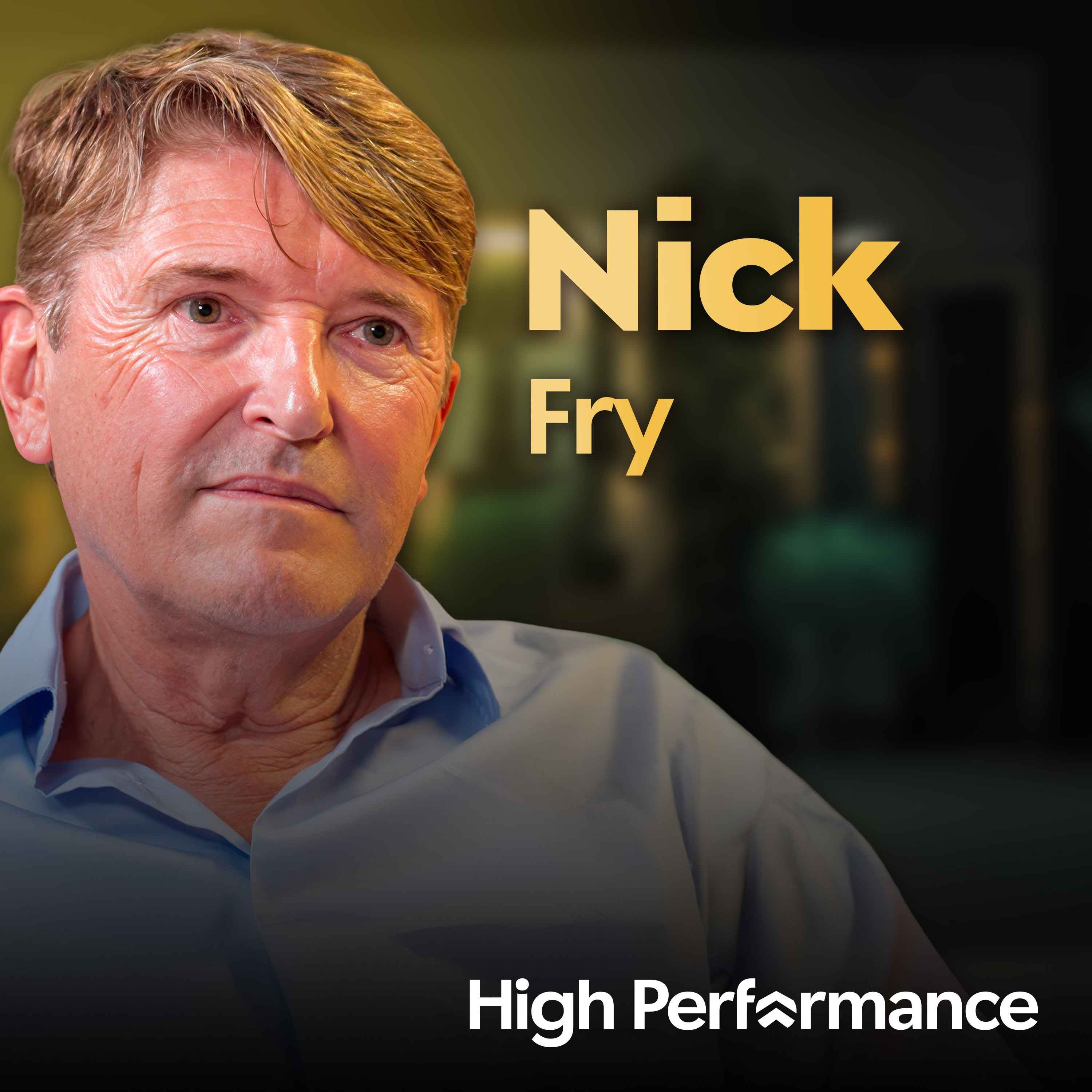
Nick Fry (ex-CEO of Brawn GP) recounts how Brawn GP’s 2009 “miracle” happened after Honda’s sudden F1 withdrawal, focusing on the takeover negotiations, crisis leadership, and the team culture behind technical success.
Nick Fry is a long-time automotive executive; he says he previously ran Aston Martin and worked for Ford for 25 years. He partnered with Ross Brawn, described as a top engineer strong on technical leadership but weaker commercially. Fry also references Honda’s Japanese leadership and FIA technical chief Charlie Whiting.
Written by AI. May contain mistakes.
Nick Fry shares the dramatic announcement of Honda's exit from F1.
“Head to Apple Podcasts to see mine and Damian's favourite episodes from the last six years of High Performance.”
Fry recounts the tense meeting with Honda's leadership regarding budget cuts.
“You know, Honda dealers were refusing to take cars.”
Fry discusses the team’s investment in infrastructure despite challenges.
“and he would be the nice guy and so everything's over.”
Fry reflects on the responsibility towards the team and their livelihoods.
“Many of the people who were there, people like Ron Meadows, the team manager, had been there from the start in 2000.”
Fry explains the challenges of negotiating the buyout of the F1 team.
“So what's the secret of getting that hard sell over?”
Discover the financial negotiations and pressures faced by Honda and the team to avoid shutting down during a crisis.
“And they sent in consultants and all these sort of people to look at the situation.”
Learn how a culture of vulnerability and risk-taking was fostered within the team to achieve success.
“You spoke there about it was a challenge, which is an understatement in itself.”
Explore the story of the innovative double diffuser and how it emerged from a culture of collaboration and open communication.
“But vulnerability, I would say, in the sense that hopefully people did not feel vulnerable if they took a risk, that their job was at risk.”
Explore the intricacies of the double diffuser and the cultural factors that led to its success in F1.
“It's a bit underneath the back of the car like an aircraft wing in reverse.”
Nick Fry discusses the vital leadership dynamics and culture created with Ross Brawn at Brawn GP.
“but I'm interested in that dynamic between you and Ross that you've alluded to that helped shape that culture.”
Reflect on the tough decisions and challenges faced by Brawn GP prior to their debut race in Melbourne.
“You know, clearly, you know, there were deals done with Honda as well because they had contracts.”
Learn about the struggles and negotiations to secure engines for the team.
“totally white garage with half as many people in it working as everywhere else and half as much going on right down the end.”
Discover the efforts to secure sponsorship and overcome financial hurdles.
“But it's kind of amusing in that, you know, clearly, you know, this is a highly competitive world, notably in Formula One.”
Hear about the innovations and performance that led to a strong debut race.
Understand the emotional impact of their victory and the team spirit involved.
Examine the transition from being challengers to the pressure of being on top.
“And in Formula One in those days, not only were the other teams out to get you, but Bernie was out to make life difficult for you as well for various reasons.”
Explore the intense pressure faced while pursuing the championship title.
“And if you look at the stats, the Red Bull in qualifying was quicker than us fairly quickly.”
Learn about the immense pressure drivers face and how it impacts their performance.
“and we were brilliant on strategy and the drivers did a great job, et cetera, et cetera.”
Understand the dynamics of supporting athletes like Jenson Button during high-pressure situations.
“I mean, it was a track that quite, you know, suited him.”
Discover iconic moments from the F1 season, including Jenson's win in Monaco and the emotions that came with it.
“So I think you've got to try and this works.”
Explore the complex emotions that accompany winning, including relief and the processing of victory.
“And obviously the highest of all the highs would have come in Brazil when you won the world title.”
Learn about the sacrifices made for success and the balance between effort and results in competitive sports.
“We made something of Aston Martin for a period of time.”
Understand the significance of the Braun deal and the lessons learned from it in the context of business and sport.
“And what I mean by that is, you know, if you can get yourself in the top group, you know, the top three, if everything comes together on the day, you will win.”
Explore the mindset necessary for leadership and success in the face of challenges.
“is for, as best as possible, everyone to feel that they got a fair deal out of it.”
Learn about the remarkable journey of Brawn GP and its cinematic potential.
Discover the real pressures and dynamics behind the Brawn GP success story.
“But I still thought until this conversation that Honda had basically given them the money to survive the year.”
Understanding different perspectives can drive personal growth and success.
“Look, can I just say that almost everyone watching us talk right now is not a subscriber to High Performance.”

Get the gist, explore an idea or ask about something said.
 Claude
On The High Performance Podcast, what are the key points of this episode?
Searching your listeningAutomatic transcript. May contain errors.
0:00Before we get into today's episode, a massive thank you to Apple Podcasts for including High Performance in their 2026 Creators We Love campaign. If you've just found the show, welcome, nice to have you with us. Head to Apple Podcasts to see mine and Damian's favourite episodes from the last six years of High Performance.
0:18Ross and I met our Japanese boss on the verge of tears. And I don't think that anyone really understands the Braun story until this conversation. Honda's confirmed they're pulling out a Formula One. So Melbourne, 2009, almost no testing. Turning up with an engine that you didn't even have just a few weeks before. Cobbled together enough stuff to get the cars out on the track. You finished first and second. There were endless areas where the thing could have gone off the rails. Here comes Jenson Button, the 2009 world champion. The very Formula One thing you bought for a pound, then sold, was recently valued at$6 billion.
0:55Yep. is there any part of you that now looks and thinks i wish i'd kept hold of that team
1:04let's go then to the moment that you had to lead in a way you'd never led before i know this is a particularly interesting point for you when we looked at nick's story yeah the 28th of november 2008 uh the renaissance hotel just outside of heathrow yep will you take us into that room it was clearly going to be not the easiest situation I mean, Ross and I had prepared for a significant budget cuts. You know, Honda dealers were refusing to take cars. They were going to close down the plant in Swindon in the UK for a short period of time, which turned into a long period of time, which turned down, eventually it was closed down.
1:43So we knew the situation was going to be very difficult. And we had prepared for, you know, maybe a 50%, 40, 50%, and we'd mapped that out. I have to say we weren't expecting them to say what they did say. And, you know, the Relatance Hotel, which is still there, is not the most luxurious hotel, let's say, at Heathrow Airport. And we arrived and, you know, met our Japanese boss, who took us into a very small room, uncomfortably small room almost. You know, there were the three of us, and Ross is a fairly big lad. and we were sitting there uncomfortably close to our boss who literally was on the verge of tears and explains that they couldn't go on doing Formula 1 because the things I've just mentioned and it wasn't the right thing for them to do.
2:41They had bigger things to worry about and they were going to have to stop. And for Honda, which has got this just unbelievable history in Formula One, you know, it clearly was, you know, from the hearts. I mean, he was clearly desperately upset. And then we were asked to move into the room next door. And it was a bit like a sort of assassination squad. So there was sort of Ross and myself and, you know, a big table with probably 20 Honda people from various parts of the world who, you know, said, look, we repeated the story and there were their hr experts in this that and the other and it was literally you know and in my yeah this is not my first you know rodeo as i say in america you know i worked for for a very long period of time i you know ran aston martin and we had difficult times there um so you know i'm not a beginner um and they somehow seem to think that uh you know we should go back to the factory and tell 700 people to go home and turn the lights off.
3:47And I think under those situations, you've either got two options, really, haven't you? One is you say, yes, thank you very much, and off we go, and we'll just tell these people they've not got jobs in the middle of the financial crisis, or you do the opposite, which is you can't do that. I was fairly robust in my response. And I think the thing that frequently in sort of top-level relationships, you end up in the situation where you work with someone else and you've got different skill sets. And Ross and I come from very different backgrounds. He's a brilliant, brilliant engineer and not so strong on the commercial side.
4:32It's not his interest, but he knows enough about it and vice versa. and that was my job to step forward and say we need to have some time here to try and find an alternative. So you took the lead in these negotiations? Very much so. I mean, clearly, you work as a sort of a... You don't work in isolation ever, I don't think, clearly. And I think the beauty of the relationship Ross and I have got, I don't think we've ever, ever had a bad word between us because we've got respects, hopefully, for each other. Certainly, I've got huge respect for Ross. But you can't communicate in this situation, really, can you?
5:12Because you're sitting in front of... You can't, but I think that you know enough about the other person to know how they're going to react. So, in many ways, I became the lightning Ross, which is fine. And that's the way frequently Ross and I worked anyway, that I know I would be the bad guy and he would be the nice guy and so everything's over. And I think we worked the same way even with drivers and others. Frequently, I was the one who was doing the nasty pay negotiation and he would be stroking and saying, you know, you didn't really mean it like that, et cetera, et cetera. So anyway, cut a long story short, we said, look, we need some time.
5:53We'll tell them that we've had these discussions. We tell the staff. but on the other hand you know we are gonna you know do our best to sort this out we went back to the factory um you know a bit shell-shocked i have to say um and um and told the staff um that uh yeah this was this was happening and you know we we asked the staff you know are we going to fight or are we going to kind of give in and so you know we got a fairly rousing you know response that we were going to... But, I mean, again, a little bit of context. I mean, Ross had been there not such a long period of time, but I'd been there quite a long time.
6:33And, you know, things hadn't been easy. I mean, we took the team over from a tobacco company. We didn't have the physical assets that you need to be successful in Formula One. You know, big wind tunnel, all those sorts of things. So we had to build those things. We didn't do well on the track, but the thing that people didn't see behind the scenes was whilst we were not doing very well in front of the TV audience behind the scenes, we were investing huge amounts of money in a wind tunnel and computational fluid dynamics and machine shops. And it's all that stuff which has provided the foundations for the subsequent success of the team, in that we were investing in that sort of thing.
7:22And teams like McLaren, who hadn't, have had to do 10 years later, are now reaping the rewards of that. So, despite the fact it was very, very painful from time to time, 2007, 2008 were really difficult. but actually we were building for future success. So it all turned out well in the end. But given how long that you'd spent there, and when you hear the shock of this news, you were going in thinking it was 50 % reductions and then you find out they're pulling out. Did it cross your mind that there's 719 people here whose livelihoods, whose families, whose communities depend on them? And if that did enter your mind, How did that not overwhelm you, the sense of responsibility?
8:12I think in those situations, and it was right through that period from, you know, the sort of end of 2008 right through to the first race. I mean, we had endless ups and downs. You know, buying or a management buyout is kind of pretty much unheard of in Japan. So persuading a Japanese company that they should give something that they had invested hundreds of millions in to the people who were running an underperforming team. I can tell you it wasn't a very easy task, and every day was an up and a down. But I think in life in general, in sport even more so, because it's so quickly reacting, if you look at all the problems that might face you, you know, in totality, then, you know, it will become insurmountable.
9:09You know, you look, I've got 25 problems, you know, how on earth am I going to do that? Well, you know, that's overwhelming for anyone. So, you know, the thing I always do is you just got to break it down and say, okay, I will address one of those. You know, let's have a go at that one today. And then you, hopefully you knock that one down, then you can go on to the second one. And the more you knock down, the easier it gets. But I don't think you can ever allow yourself to look at that big picture because it would be too frightening. But coming back to your points, I do think that we felt that there were 700 people there.
9:49And if we didn't step up, and I don't want to make out that this is the primary reason we did it. The primary reason we did it was because we were a team. We worked together for a long period of time. Many of the people who were there, people like Ron Meadows, the team manager, had been there from the start in 2000. It's still there today. Great people. And, you know, we pulled together. And I don't think it sounds kind of strange from the outside maybe. I don't think we went through this sort of thought process of should we do it, shouldn't we do it? You know, what were the pros? What were the cons?
10:27You know, and if we'd have done that, probably we wouldn't have done it. I mean, you know, Ross and I had good contracts with Honda. They'd have had to pay us personally, you know, large amounts of money to pay us off. So, you know, that would have been the easy route in many ways. But I don't think, certainly from my point of view, it ever occurs. It was, you know, we have to fix this. And it comes back to that sort of forward-thinking mentality of, you know, we are going to sort this out one way or the other. And, you know, it's, and everyone got behind us. God bless them. And, you know, the level of teamwork, I know the people in the team have gone on to massive success but I think if you talk to any of them they will happily say that that was the most important one and that was the one that gave most satisfaction because we only got there as a tight-knit group and it's one which will never be repeated I don't think.
11:30We'll be right back after a quick word from our partners. You want to get your backyard summer ready, but you don't want to break the bank? Wayfair gets it. Planning on dining al fresco or relaxing poolside? Wayfair has everything you need to prep your space. Shop now and save up to 70 % off during Wayfair's 4th of July clearance. Score huge deals on outdoor furniture, area rugs, and more. We're talking thousands of products for every style and budget. Plus, surprise flash deals July 6th. Don't wait. Shop Wayfair's 4th of July clearance now through July 6th at Wayfair.com. Wayfair, every style, every home There's a couple of things I just want to pick up on there The first one is this negotiation with Honda Because I hadn't really, I suppose, thought about the fact that A, management buyouts are not a thing, really, in Japan But also that you were kind of saying I know you've spent millions I know we haven't delivered on those millions that have been spent As the leaders of the team But now we want you to give us that team that you've spent millions on And if it's successful, we'll be the ones that benefit I see now how that might have looked totally incongruous in some ways.
12:34It was a bit of a hard sell. So what's the secret of getting that hard sell over? The secret was purely, I mean, frequently in this world, after you put aside all the sort of more glamorous things, it does come down to money and the finances. And I know that's kind of boring in a sporting world, but the reality is sport is big money. and, you know, to be successful, you've got to find ways of accessing that to buy the players you need or the stadium you need or what have you. And, you know, this was equally money. And, you know, we had done a sort of back-of-fab packet calculation, which said, you know, to shut this down is going to cost a lot of money.
13:19And the reality is Formula One teams aren't really much good for doing anything other than Formula One. You have a wind tunnel, which actually is so sophisticated that it's not necessary for other types of racing, really, and it's not necessary for the car industry. So what's a Formula One wind tunnel worth? Well, if you're not doing Formula One, the answer is not much. And the same with all the other facilities. And remember also, it was at a time where general facilities like machine shops were going for nothing. I mean, you could go out there during the financial crisis and buy all those clever machines for not much money because there were lots of companies going bust so you know what we we basically the storyline was if you close down this team um it's going to cost you x if you give it to us you know we've got all the liability and it will be you know less expensive for you and you know that's kind of a a strange story to tell and and quite naturally Honda said, well, thank you very much, but we need to send in our accountants and finance people to check all this, as they would.
14:31And they sent in consultants and all these sort of people to look at the situation. And the consultants confirmed to Honda that actually to close down the team and pay all the redundancy, etc., leave alone the PR side of it. I mean, the British government weren't overly keen on having another 700 families without jobs in the middle of the financial crisis. And the PR story for GBPLC wasn't great either because Formula One is something we're really good at. And it's a real kind of figurehead thing. So from their point of view, they weren't overly keen on another headline to say this team had gone bust.
15:17and the consultants went in and went back to Honda and said, actually, these guys may have underestimated it. It's going to cost you even more. Roughly, what sort of numbers are we talking? Well, you know, it was probably going to cost, you know, 150 million or more, all told. And that is, you know, excluding. You know, if you get into industrial tribunals with people and all those things, then it gets even more expensive. And the alternative price to back you was more in the region? It was less than that. Like 20, 30 million? No, no, no. They were quite generous. I mean, we basically said, look, we do need some sort of alimony here because we haven't got any sponsors.
16:03We haven't got an engine. So it probably cost them about half, I would guess, what it would have done. So for them, it was a good deal. And they did the right thing. And I think Honda is just a great company and they're one of the companies in the world, even to this day, that has got a lot of heart about it. And I think personally, that comes from the original Mr. Honda and I think Ford is in a similar position because the Ford family is still there. And I think these companies are a little bit different from faceless conglomerates. So for them, it was financially a good deal. For us, we took on the liability, which frankly, and we didn't have an engine Was that a conversation at home to have, though?
16:47Yeah, I have to say, Kate, my wife, and Ross's wife, Jean, weren't overly impressed, I think is probably. Go on. Tell us about that conversation. You kind of end up having slightly weird conversations. Jean said to Ross, and I can happily say this, just ring fence the house so we've got somewhere to live, but apart from that, go for it. And I remember Kate and I had this bizarre conversation about some tuna fish. And it was, you know, if we, you know, lose everything and we have to survive for the rest of our lives on tuna fish, you know, out of a tin, are we going to be all right? And we thought, well, you know, we can hack this.
17:31You know, we'll give it a go. So, you know, but it was kind of, you know, quite a big deal. But again, it comes back to this, you know, it's a challenge. Let's get on with it. It's belief. and I think belief is just a huge thing in sports and in individuals. I mean, if you believe, you can do it. And, you know, we didn't know the outcome. Did we expect to win the World Championship? It never even crossed our minds. I mean, we didn't have an engine, leave alone anything else. So there were a few issues, but, you know, we got the backing of our better halves and we got the backing of the team. Even more important than the Honda negotiation.
18:13Oh, absolutely. was convincing Mrs Fry and Mrs Braun to let you risk everything. You know everything about that. You know, it's the power behind the throne. You spoke there about it was a challenge, which is an understatement in itself. But it echoes conversations we've had on this podcast with other guests that have spoken about that sense of crisis actually galvanising a team and delivering exceptional results, which you did. I'm interested in what did you learn from a crisis that you were able to maintain even when like the roof wasn't falling in in terms of back at the factory and with the team I think that I mean personally I think that working without a safety net you know does mean you get to a different level you know if it is that critical you know if you're on a tightrope and there isn't a net below you then you're going to concentrate that and i think the margins in sports and and high level business are so small the difference between you know success and failure is one or two percent maybe you know it is that that tiny thing so i do think that it's um uh yeah it does sharpen the mind a lot yeah um But I think the other thing, you know, people ask, you know, or talk about the success we had in 2009 and, you know, in their minds, because it's a physical thing and it's very easy to see.
19:51It wasn't so easy to see, but people could understand, you know, that it was a double diffuser. It was a technical innovation. Now, clearly that had a lot to do with it. But, you know, don't forget that two other teams actually had the same thing. And, you know, Toyota and Williams both had a double diffuser. They just didn't do it as well as we'd done it. But, you know, if you sat here with Ross, as well as what I'm going to say, the reason we were successful is we were the best team. You know, and what does the best team mean? It means that you do your job to the best of your ability. And when you've done that, you assist the person, you know, at the next desk or in the next department or whatever to do their job brilliantly because they might be struggling.
20:36And it's all, you know, it sounds hackneyed, but it's the team, the team, the team. It is, and we were the best team. And, you know, the five of us, Ross, myself, and the other three directors, you know, all did our own jobs to a high standard and we all helped each other because all of us were smart people. And that went through the organization and people just, and I think that the thing you learn, which you know intuitively, but you know individual performance is is important clearly but the thing that is most important is working as a as a team and you know and i think yeah people roll their eyes about that but you know there is no magic to any of this it's just doing it with an intensity which is beyond what most people are used to you know people people you say something like you know people are your most important assets?
21:33Well, every company in the world says that. But do they really mean it? Do they really go through with it? Do they really, you know, treat those people, you know, as their most important asset? And the answer is, no, they don't, you know. And you can go through every different aspect of running a business. But when you're doing it at the highest possible level, whether it be in soccer, I imagine, or in Formula One, you're just doing it, you know, every single second, with an intensity which is just way beyond what most businesses do. And do you think that what helped, because I can see why you and Ross and the other directors are delivering here, like your necks are on the line, your reputation's on the line, you've gone through this huge process.
22:16You can't just walk and join another team at that point, but actually some of your engineers and your designers and some of your team could, but they chose to stay. And they chose to not just stay, but to stay and fully, deeply commit. do you think your culture was improved by the fact that you all almost lost your jobs overnight? I think that, I don't think the culture appeared at that particular time. I think it was a culture which hopefully we have been working on, that the culture where people could speak out no matter what the level they were at, and people could ask questions and people could feel comfortable and people could feel comfortable taking risk.
23:04You know, I think that's... So you created vulnerability in that team? Yeah, we did. But vulnerability, I would say, in the sense that hopefully people did not feel vulnerable if they took a risk, that their job was at risk. They felt that they could take the risk sensibly and if it went wrong, you know, we'd all fix it. Yes, so freedom to be vulnerable. So a freedom to try things out. You know, if you're going to be successful, you know, a Formula One car's got 4 ,000 bits, give or take, which you have to design and those bits are going to have to be at the edge. You know, you've got to get into the gray areas and when you do that, things will go wrong.
23:53if you say to a racing driver don't crash well that's dead easy you know they they break a few meters earlier and they accelerate a few meters later and are they going to crash never are they going to win anything never so you've got to get people into an area where they feel not that they can you know be a kamikaze pilot and do dumb things that that's not the intention but the intention is that they can get out of their comfort zone and um you know and and when it goes wrong because sometimes it will, that as long as you catch it fairly early and you're honest about things, then people feel comfortable and you are going to win.
24:33So I don't think this culture appeared overnight. It's the way I've always tried to operate and it's respecting people, it's working with people, it's letting people have their voice. That doesn't mean, if you come up with an idea and, you know, I don't agree or we can't do it, you know, I will push back, but I will give you the reason why we can't do it. The way you get a culture is actually by living it day by day and actually, you know, responding in the appropriate way and treating people appropriately, et cetera, et cetera. And when you've got that, you know, it was amplified undoubtedly by the difficulty of our situation.
25:15But I think, you know, we were a good team. And, you know, that didn't come through in the results until later. But those kind of idiots on the grid who were considered to be buffoons in, you know, maybe 2005 or 2006 or what have you, just happened to be exactly the same people who won more Formula One World Championships than any other team in history. Yeah. Yeah, get that. Can I say you've made reference to the double diffuser being significant? Would you tell us how that came about? Yeah, it was, again, sort of, I would say, sort of linked to the culture that we, you know, we tried to develop because it came from a very junior, probably one of the more junior, in fact, in a Japanese Honda aerodynamicist.
26:05And, you know, we were discussing the concept of the 09 car. And, you know, I remember one of the meetings was, this person was probably the most junior person in the room. And what Ross is really good at, which people don't see so much from the outside, is will he make a decision? Yes, he will, because someone's got to make a decision ultimately. But Ross is not the person who's designing the car. He's not the person who is saying it must be this way. He's the person who's in a room with 20 brilliant people trying to get each of them to contribute. Now, frequently, if you do that effectively, most of the time, the answer comes out.
26:51You don't need to sort of be the dictator and say, we're going to go this way because you come to a good solution. But ultimately, someone's got to make a decision. And if it's not clear, that's what you're there for, being the boss. But in that particular sort of, you know, those discussions, you know, this 25-year-old or whatever he was, you know, Japanese designer, put his hand up and explained, you know, in fairly sort of halting English, this idea. And I think at the time, the instant reaction was, you can't do that. And then kind of, I think, the penny dropped that, hang on, he might be onto something here.
27:31And, you know, the reason the others, and it was three months or four months later, you know, when we were taken to court by the other teams, it was clear when we got to the courtroom, as it were, they had no idea how it works. I mean, it was hilarious to Ross and I in that Ferrari resorted to, the Ferrari lawyer resorted to try and tell everyone what a dreadful person Ross Braum was. And he cheated in the past and this, that and the other, which was hilarious for someone who obviously worked for Ferrari for years, etc etc and you know to be honest it wasn't a great approach because everyone knows that you know it isn't true but the the the brilliant thing about the double diffuser is that it was really complicated to understand how it works and it was very clear that even months later that the court case was a fishing expedition because some of them had no idea but you know i digress you know it was from a junior engineer you know i think the culture was everyone was listened to and you know he spotted something and i think it was again the benefit maybe of diversity in that he was possibly reading the rules as they were written not as they were meant because he was working obviously in his presumably second language um so he read what was there and what was there allowed you to exploit an area where you could end up with a diffuser, which is massively powerful in terms of the aerodynamics of the car.
29:12It's a bit underneath the back of the car like an aircraft wing in reverse. And you could have a much bigger one than anyone else. But as I said earlier, Williams and Toyota had the same idea, and so they didn't win anything. I just think there's two really interesting things there. Number one, the fact that you had someone who interpreted the rules exactly as they were written because it was a second language. But then it's very easy for a culture to go, no, no, no, you're just a junior aerodynamicist. That's not the way that we operate here. But the culture that you described had been created in the team.
29:47Actually, I think we've looked at this wrong. We've looked at this as someone worked it out. No one, I've never had anyone say, well, the culture was the thing that allowed that idea to actually end up on the race car. Yeah, I think that's why, you know, and, you know, people go glassy-eyed sometimes when you talk about, you know, culture and those sort of ethereal things. But I think the reason it takes so long, you know, for teams to be successful is not just the acquisition of assets, people assets, great players, great stadiums, great wind tunnels, etc., etc. That is clearly part of it, but it's building up that team and that approach, and this is how we go about things.
30:30And, you know, once you've got it, if you play your cards right, you can keep it for a long period of time, but you can equally blow it very quickly by starting to do different things. But if you look at lots and lots of most great teams, you know, it's a long process. You know, look at PSG, you know, speaking of something that's happened recently, you know, go back 10 years, you know, they were dreadful and they were supported by, you know, thugs and, you know, they weren't the team they are today. But it's taken a long time. Look at, you know, Ross and Michael at Ferrari. I think it was at least five years before they could get it successful.
31:10And clearly some teams, and Ferrari being probably case in point, still haven't quite got there. And why do they make the mistakes they make? Well, look at it on the surface. It's because someone dropped a wheel nut or what have you. That's just an outcome. The reason someone dropped a wheel nut or that they've made the wrong strategy call or whatever it happens to be is much deeper than that in the organization. and that is much more difficult to fix, especially if it's established in the wrong way. It's a bit like learning a musical instrument. You've got to learn, if you continue to make the same mistake, that mistake gets embedded in your brain and you continue to make the mistake.
31:55And if you don't put the right way, I assume it's exactly the same thing, that you'll continue to make the same mistake. So this is really quite difficult and I think it is why some succeed and some don't. and it ain't just the obvious things. Still to come, Nick's going to explain why he and Ross were the perfect team. We'll be right back after a quick word from our partners. What if the real question isn't where you're going, but the adventures you experience along the way? It's time to set your sights higher. On peaks still to be climbed, rivers still to be crossed and greater dreams to pursue.
32:27It's time to embrace the impossible with Defender. A family of vehicles built around capability, durability, tested on some of the most difficult terrain. Defender defines tough luxury. And I should know, I've driven one for the past three years. I have the Defender 130, but from the compact confidence of the Defender 90 to the versatility of the 110 through to mine, the Defender 130 with seating for up to eight, there's endless potential. You feel in the details as well, the rugged body design, the robust materials all working together so you can head out with confidence. And inside, ClearSight technology helps you see the world around you in a new way, while the PV Pro keeps your navigation routes and playlists flowing seamlessly as you go.
33:06And with up to 89 cubic feet of cargo space, there's room for everything you need on your journey. Explore the full Defender lineup at LandRoverUSA.com. You want to get your backyard summer ready, but you don't want to break the bank? Wayfair gets it. Planning on dining al fresco or relaxing poolside? Wayfair has everything you need to prep your space. Shop now and save up to 70 % off during Wayfair's 4th of July clearance. Score huge deals on outdoor furniture, area rugs, and more. We're talking thousands of products for every style and budget. Plus, surprise flash deals July 6th. Don't wait.
33:40Shop Wayfair's 4th of July clearance now through July 6th at Wayfair.com. Wayfair, every style, every home. So can we talk then, your natural modesty has prevented you from sort of dwelling too much on your role as a leader here. but I'm interested in that dynamic between you and Ross that you've alluded to that helped shape that culture. Would you tell us how it worked? Yeah, I mean, I think firstly, you've got to pick the right people. I mean, if I go back to sort of prior to Ross, Honda wanted to put in place their own technical director who was someone who was brilliant in the world of motorbikes but was was new to formula one and formula one is not a place for beginners you know this is you're at the pinnacle you know a bit like saying someone from the ishmian league you know can suddenly play in the premiership well it doesn't quite work like that you know yeah i managed to persuade honda i didn't really persuade i just went and did it and then they they became persuaded you know i asked charlie whiting who was the chief technical guy at the fia you know it was fairly gloomy day i said well look um you know this is just dreadful you know i need to hire someone experience you know who who should it be and you know he just generously offered you know what you've got to get you know ross uh adrian newey or pat simmons you know that he said go get one of those and you'll be fine now easier said than done of course but you know the the the secret to this in my mind is you know you've got to match all the bits of the jigsaw puzzle you know and adrian newey may be you know appropriate in the world of red bull you know very different type of organization you know might might work in aston martin who knows um but i didn't really think it was going to work in the way in in the world of honda and you know i guess what i'm good at is because i had 25 years with ford motor company you know i've got a fair understanding of what big companies wants and you've got to carry the owners and the shareholders and you've got to operate in a certain way and you know apart from the fact he's a great guy and he's a great engineer and what have you you know why would you choose you know ross braun versus adrian newey both unbelievable success if you had a free choice which i didn't ultimately anyway but you know you choose the one you think is going to fit into the organization you know and work with you um and and ross is you know someone who is you know he's a team player he's logical he's brilliant he's funny he's friendly and what have you and i had the I would kind of get on with him.
36:32So we weren't starting from a position of, you know, chalk and cheese here. You know, I wanted him as part of the organization because I felt, you know, I could work with him. But I think the secret to it is communication, a lot of it, you know, spending a lot of time together. I think a lot of it is, you know, Ross is a technical guy. He's a very clever man, but he's not overly interested in the commercial side. um you know i know a little work for in the car industry for a long period of time um so i know how a car works and you know if you gave me the bits i could probably put it together for you but i couldn't design it so you know you have this sort of and it's a sort of a venn diagram where you're working on your bits but we're both open-minded and i guess old and mature enough to say you know we we can comment on each other's work as it were and you know we're confident enough that you know when one of us made a suggestion one you have a look at this that or the other then they're listened to and and i think that is the nature of the relationship is that uh you know you you do your bit but you're not you're adverse to someone else pitching in because everyone can have a good idea and capturing all of that and you know i think we've got other sort of you know core values which is you know um very much you know what it's difficult in formula one because you've got sort of 400 journalists doorstepping you in the paddock the whole time you know and people like jake coming up and sticking a microphone under your which i did your nose which you do often so you know it is quite difficult but you know you've also got to have the attitude of you know what happens inside the team stays inside the team as far as you can you do not want you know necessarily things in public because it then becomes you know everyone's got a point of view so there's certain sort of core values of you know keeping your mouth shut you know if you want to use the press to you know get over a point or put leverage that's a different thing and you try and use that strategically as best you can but you know keeping certain things inside and acting as a team and operating in a certain way i think you know those fundamental values are common.
38:51I want to talk about the season itself, but before that, before the car ran, before you got the 1-2 in Melbourne, before the whole world woke up to what you were going to do that season, what was the lowest and most difficult moment after the acquisition of the team before you actually went to the first race? The worst thing was having to get rid of 400-odd great people. I mean, we had no choice. and because we had no choice it was it wasn't easy but at least you could look people in the face and say look you know we haven't got any money we can afford you know whereas at the moment we've got five electricians we can afford two really sorry um but that that's kind of how it is and i you know i think no matter and i you know i've had to do it several times during my career when you have to sort out companies redundancies sadly are you know usually involved and, you know, it never gets any easier because they're real people.
39:52They've got families. They've got, you know, mortgages. They've got all the other stuff. And I think, you know, that process which happened in the few weeks leading up to the Melbourne Grand Prix was probably the most difficult thing about it because, you know, unless you're some sort of, you know, psycho killer you know doing bad things and having to do things but when you've got no option you've got no option and we had to the great news is you know most of them you know returned in later years or got jobs elsewhere and you know there's more people working there it's probably you know more than double people working at brackley now than there was in those days so a lot of them got their jobs back but it didn't make it any easier and did you have to renegotiate with jensen button and Rubens Barrichello, who would have obviously been probably the highest wage earners in that team.
40:43Yeah, to some extent. You know, clearly, you know, there were deals done with Honda as well because they had contracts. So, you know, they had to be honoured. But clearly, I mean, I don't want to make out, you know, that we perform miracles. I mean, yes, people wanted to stay with the team and ultimately they were vindicators. They went on to success that year and greater success later. But probably the other thing that in reality worked in our favor, it was so damn late in the season, they probably didn't have any jobs to go to. So probably there's a couple of things that worked in our favor, but the great teamwork was clearly part of it.
41:29So Melbourne, 2009. You finished first and second. Yeah. but I don't think that tells the story of almost no testing turning up with an engine that you didn't even have just a few weeks before you having to kind of cobble together enough stuff to get the cars out on the track I mean for people that didn't live through it and weren't in the pit lane at that time and in the paddock at that time I remember walking along and seeing so much gear so much equipment so many sponsors names in all of the garages and then suddenly there's this one pretty empty totally white garage with half as many people in it working as everywhere else and half as much going on right down the end.
42:11What are your memories of that weekend? Well, the first thing is, I mean, just to dial you back a bit, I mean, not having an engine is a bit of a problem. You know, we did go to Honda and say, look, you know, bugger off by all means, but, you know, can we buy the engine from you? And they said, no. They said, look, you know, we don't want to be kind of half pregnant. we're either in or we're out and we're out so you know you've got to take what you can but you haven't got an engine yet which was a slight slight issue um the good thing about that is you know i think you know maybe maybe more ross than me who knows but uh you know i think people quite liked us and they you know they could see what we were going through and you know they wanted us to survive and you know god bless them um you know both both ferrari and uh mercedes said look you know we will sell you an engine they're not going to give us an engine they they they they sold us the engine um and and luca de montezemolo and ross and i met brown's hotel around the corner from here and luca said look you know you're you're good guys you know if you if you want to buy our engine you can um mercedes norbert haug um you know said exactly the same that had a problem that um you know mclaren had to agree because they were the work team uh god bless him martin whitmarsh who was the managing director at the time you know was very pro ron dennis less so i think ron was quite yeah was right in that he was giving the engine to the enemy and in the end you know we not only got the engine we got the driver and we got the you know the backing of Mercedes so it really backfired in the biggest possible way but without Martin's you know say so we wouldn't have got that I hadn't thought about that Mercedes gave you the engine that won you the world title and then you went and stole Lewis Hamilton we stole the engine we got the engine we got Mercedes as team owners and we persuaded Lewis so Ron I mean, wasn't overly impressed with me at that stage.
44:25But it's kind of amusing in that, you know, clearly, you know, this is a highly competitive world, notably in Formula One. And, you know, whilst, you know, teams may bleat that you stole their driver and what have you, you know, Dan, well, in a heartbeat, they would do the same to you. So, you know, sympathy here is limited. But, you know, we had the hurdle of the engine, which was quite difficult. we had the battle over the double diffuser which by the way the same teams that were giving you engines were trying to get you banned for were trying to stuff us Bernie you know without going into all the gory detail because we'd be here all day you know FOM at the time owed us some money which Bernie didn't want to give us so he was difficult was he trying to say you were a different team to Honda so he didn't have to pay you the money He didn't want to pay us the money that was owed to Honda, which that was a big battle.
45:22Did you win that battle? Yeah, we won all the battles. I mean, it comes back to what I said at the start. Once you start hitting the ball out of the park, the next one is easier. But anyway, there were a few battles. And we didn't really sponsor us, a bit of a problem. um but so we've been working on um virgin and richard branson um and people have been trying to get richard into formula one for donkey's years and never been successful but richard being a great entrepreneur you know realized he was probably onto quite a good thing and he'd be for us it was a lot of money for him it was the best deal he's probably you know one of the best he's ever done so you know that was signed you know as i was on the plane to uh to to melbourne and you know Ross and I had this sort of thing going in that you know clearly people wanted to spend money we didn't have so again you know I was sort of nasty Nick as I spent half my career doing saying you know no we can't afford that so literally I would go through you know the people who wanted to go to a race and just draw lines and you know you only need one of those and you know with Honda we had about four PR people you know we ended up with one Nicola Armstrong who had to do the whole job who was brilliant an outstanding individual you remember those tiny little things I remember calling Nicola into my office and saying by the way we've had to cut back a little bit and sadly all your colleagues are going to have to go so you're going to have to do it all if you're happy to do so and by the way first thing you know get on a plane to melbourne and i think we've got virgin sponsorship so you better organize you know richard branson and i remember nicola's you know eyes were wider and wider as to and then they these people just everyone rose to the challenge every single person and nicola wasn't the most senior person in the pr department at that time um and they just did the most brilliant job and i think it really is an example if you give people that challenge you know and say you know this is your opportunity go for it and give them the freedom and give them the support and and what have you uh so anyway we got to we got to melbourne australia we did the uh the launch you know prior to that we we were the the other teams had been testing for weeks on end in those days you know there wasn't any restriction um on the amount of testing you could do so i think most of them done about four weeks and we turned up for the last two days and you know we were we weren't just the fastest we were a country mile you know as you guys know in formula one you fight for you know a second or or half a second or you know tenth of a second and uh you know we were a second and a half quicker than anyone else i mean we were a country mile ahead of them and all the others thought we were cheating um and running the car light and what have you in fact we had the whole damn car laden down with you know as much test equipment as we could to try and conceal our hand as to how quick we were so we went to australia but none of this i'm making light of it was smooth sailing i mean we had the drivers were told you know you can't crash because we haven't got any more bits you know that's kind of you know what you've got is you know and and i remember they did as well do you remember rubens had a real big whack at the start of that he did australian race and we were watching thinking how's that car not fallen apart yeah and that again there's real fortune that it was slightly different part of the car and it breaks and there's no one to finish and and you know there was that sort of thing but also you know the guy who was doing the refueling was allowed in those days the guy who was doing the refueling had never done it before in his life i mean we the the bloke who um the the the bear as we called him the big bloke that's uh used to do it for us had gone off to be a plumber or something um yeah and so we had some bloke you know who poor bloke had never ever refueled a car in his life and i think i can't remember i think it was one of the pit stops we were a lot longer but we were so far ahead it didn't make any difference but there were endless areas where the thing you know could have gone off the rails and we managed to uh you know monaco just to sort of move forward a little bit you know we had those sort of fancy wheel covers which had a cut out for cooling and what have you um they were put on the wrong way around so they weren't you know cooling the wheels they were doing the opposite and you know you had to race you know what you qualified so they were they were on the wrong way around for qualification which didn't matter because you're only doing a couple of laps and we realized it and went to the fi and say look wheel covers on the wrong way around can we change them the right way around for the race and they said no that's what you qualified so that's what you're racing so i mean i mean i could go through are lists of things that could have gone wrong but you know again it was just the team just did an outstanding job and in the lead up to melbourne that you know the teams have been running you know to build the cars they were on three shifts so it was literally back to back eight hour shifts you know 24 hours to get the thing there um you know the the winning in melbourne was you know the best thing about it and you know clearly people respect the views of the fans and the media and what have you but the thing that kind of is almost sort of you know brings tears to your eyes even today is you know when we won you know the two cars came down the pit lane and every team was you know all the mechanics all the engineers were you know clapping them down all the other teams it was like a guard of honor it was it was mad unbelievable and after that everyone hated us because obviously we won but that was i remember seeing you and ross in tears do you remember that after that result you and ross were in tears yeah we were yeah and part of it was it was emotional release and clearly a lot of it was to do with you know the fact that we just made redundant a large number of people i mean this this was not an easy gig um to uh to do um but you know just what did you say to each other in that moment i don't think we said anything apart from a big hug as i remember i think i'm intrigued about how you go then from being the hunter to being the hunted you know you spoke very much around this challenge state of we're constantly chasing the next target and now you've got a target on your back what did that do i mean i i think and people underestimate that i think being a hunter is a lot easier than the hunters and you know the team has done a fantastic job subsequently you know and okay it's had its ups and downs but basically it's always been there or thereabouts at the top and uh you know they didn't screw up what we'd left them you know they continued to build on it and that you know may sound disparaging and it's it's meant as the opposites which is to do that is being being hunted is really difficult because you've got a target on your back.
52:40Everyone's out to get you. And in Formula One in those days, not only were the other teams out to get you, but Bernie was out to make life difficult for you as well for various reasons. So you felt everyone was against you. And that was your story of that season, do you remember? Because one of my abiding memories is that you were really open. It was obviously a British driver. It was the first time on the BBC, if you remember. So we spent a lot of time together interviewing you, interviewing Ross a bit less, interviewing Jensen a lot. And it was open, it was easy, and it was light, and it was like, look at this great story.
53:14And then things started to change. And I remember going into your motorhome in Monza. And Jensen, we both know him, what a great guy. He was silent, he wouldn't talk, he looked haunted, he looked nervy and anxious, he sat down, gave really curt, short answers. and I remember thinking man like he is seriously feeling the pressure at this point yeah I mean I think people have a tendency to underestimate you know that desire to be Formula One world champion or you know Champions League winner or whatever you know that is something that those people have aspired to since they were four years old you know and you know as we all know in sports the closer you get to the goal the more difficult it gets and you know i don't think it's possible to really explain adequately in words just the level of pressure there is when you're that close to that that lifetime achievement and you know we were we were still up against it i mean i had to raise i mean the cost of going to race in those days for us the minimum we could do it for was about a million quid so just to stay even on the bank balance for pardon me every race i had to raise a million pounds and you know so we weren't well off i mean um red bull at that time were rumored to be spending about three million or two or three million a race in terms of performance upgrades between you know the start of the season and about two-thirds of the way through, I think we spent about 600 grand in total, you know, on improving the car.
55:01Because it just wasn't the money. Because we haven't got the money. And what we were trying to do, because we had no idea, you know, Mercedes would come along and buy the team, we were trying to eke out what we got for as long as possible. So, you know, we had to buy time. So we could not afford to splurge on anything. So the drivers were under a lot of pressure. Firstly, they couldn't crash. They had to produce the results. And the others were catching up, which we knew they would because they realized how the double diffuser works. The thing in our favor was that it wasn't an easy thing. You couldn't just bolt it onto your car.
55:42You had to go back and do. So we had three or four months where we were in an advantageous position, but we knew especially Red Bull were going to catch us up. And if you look at the stats, the Red Bull in qualifying was quicker than us fairly quickly. You know, we were just very good in a race situation and we were brilliant on strategy and the drivers did a great job, et cetera, et cetera. But, you know, the pressure was, you know, just massive. And, you know, it is entirely, you know, if Jensen was sitting here, you know, that has said to you already, he bottled. but he didn't bottle in a in a kind of a way that shouldn't be expected the pressure was immense and you know he had to perform and you know and he's he's a brilliant driver and he's consistent but ultimately he wasn't driving the fastest car you know we had the kick up because we turned the tap on a little bit in terms of money and improvements so we gave them uh you know a bit at the end and say, you know, we won in Italy and Rubens won one of the races and, you know, but it was tough.
56:50And I think, you know, that the pressure at the end, if he hadn't did what he did in Brazil, I think that would have been it. I don't think we'd have, he'd have won the world championship. What do you think he would have, what do you mean? Quit? No, not quit. I think that, you know, if we'd have gone to the last race, I think that would have been, you know, probably the straw that broke the camel's back and Vettel was super quick, etc., etc. But Jenson had done well previously in Brazil. I mean, it was a track that quite, you know, suited him. And how did you help him when he was under such pressure?
57:28I think it's really difficult to help an athlete apart from doing the things you would normally do to any individual. I think the thing that with Jensen always worked well, I mean, his late lamented father was brilliance. and John really understood the role as a dad versus the role as a boss and behind the scenes, not just in 2009, but for the difficult years that preceded that, John and I would talk on the phone quite frequently and Jensen would be not so happy about something or the other and we'd have a bit of a chat on the phone and it's like you take that angle and I'll take this angle and we'll persuade him to do it.
58:21So having that level of support, John was just brilliant, brilliant as a dad with arm around his shoulder and you do the best you can and Ross and I did the best we could on the boss side to coax him along. But the reality is I think we got that far from blowing it and it wasn't one thing. It was, you know, the fact that we didn't have the money to spend on the car. The car wasn't dominance. You know, Jenson was under huge pressure. The other drivers were, especially Sebastian, was, you know, doing extremely well. He's extremely talented. So it did come to a bit of a hiatus, but we got there. And is there a difference?
59:07Because I'm conscious, as you've described this story, that the pressure on you seems almost constant and on Melanthin, but then you reach this crucible where the pressure seems to become more acute. Was there a difference on you as well? And if so, how did you deal with it? Yeah, I think, you know, I don't think any of us can sort of, you know, run away from the fact that it does get to you. You know, you get more ratty and you probably do some of the wrong things and that you make decisions because you're under pressure, you know, to do so and you're not sleeping. You do get very tired, but I think it is a matter of just trying not to do things differently.
59:50It's a football match. You go into it and you try and win that football match. The fact, it's the FA Cup final versus an early game season. If you start doing things differently, then you're going to be all over the place. So I think you've got to try and this works. We know it works. Let's not do a knee-jerk reaction and start doing something different because God knows where that takes you if you start trying to make it up as you go along. So I think actually just trying to keep the same process going is really important. I think I'm right in saying that you slept through your one to Monaco.
1:00:26Yeah, I did. I had been... That's when you know you're working hard. I'm working hard. I've been... Monaco is difficult anyway, but we've been working really hard on a we had a gambling sponsor which um you know i've been working on very heavily and they were going to take the whole car i mean i won't say which company it was but we were well down the line with a car that was 100 gambling which would have eased all the financial issues yeah it would have eased all the financial issues but at the same time mercedes started talking to us just a little bit later about them investing in the team. And when I told them what we were up to, they were like, no way.
1:01:13From a moral perspective. Yeah. It didn't fit the brand's profile quite understandably. But anyway, I had been schmoozing, I think it's probably the right word, various sponsors and what have you. So literally, I mean, in Monaco, So, you know, once the cars had gone around the first corner, I was, you know, in the garage or in the pit area in the middle where it's immensely noisy and fell asleep literally over my computer. You know, with all the data and all the other stuff, with the engineers on the sort of the pit wall in Monaco, slightly different, you're not on the pit wall, a lot of them are inside.
1:01:51But anyway, it was all going on. And the next thing I knew, Nicola, our aforementioned Armstrong, came up and said you know ross wants you to go onto the podium and um did we win it was uh you know it was kind of like uh and then of course you know those who might remember it so jensen because we had no idea what we the hell we were doing um instead of driving around to you know in front of the royal family at the end of the pit lane um he stopped at the beginning of the pit lane and no one quite knew where the car or the driver was. And there was the memorable moment where Jenson sprinted down the main straights.
1:02:33Iconic. And sort of jumped into my arms, as it were. So it was quite a memorable occasion. And obviously the highest of all the highs would have come in Brazil when you won the world title. I remember we were in the garage, all the press were in there, Jenson appeared. It was this sense of relief. and I don't think that anyone really understands the Braun story until this conversation because it's been romanticized as we bought a team for a pound and we were successful. Yeah. But what you've just told us is actually the truth that like you weren't buying a Formula One team, you were buying a lot of stress and a lot of debt and a lot of emotional baggage and a lot of challenge.
1:03:10What have we also got wrong about winning? Because I think we think that that's just pure joy. What did it really feel like? I think the reality is initially it's just immense relief. Yeah. it's it's not i mean there's all the jumping up and down and spraying champagne and what have you but you know i think there is definitely an element of thank god that's over you know and we eventually got there and i would say it wasn't until the the night after the abu dhabi grand prix which was the the last race and so i can't remember what result we got but it was kind of okay but nothing very but the pressure was off and the night after the abu dhabi grand prix I remember we went from the nightclub to the airplane, you know, on the next morning directly from the club to the plane.
1:04:02And that was when, you know, the real fun. But I think, you know, and I'm pretty sure it's the same for most sports people. You know, when you win, it's exciting and what have you. but it does take a lot of time to process it and to calm down and to actually sort of reflect on what you've achieved. So, you know, I think it's such an exhausting process and again, difficult to put adequately into words, but, you know, you really empathize with other people in sports because, you know, when you've achieved something really impressive, which you've worked for for a long period of time when you eventually get there it's definitely a sort of you know thank god that's over we managed to do it and then you enjoy it we recently spoke to nico rosberg who spoke about the idea that it it took more than it gave success when you think of that balance in terms of what you got from it versus what it cost you how do you reflect on that no i I would say, and it's not just in this particular instance, but I've been fortunate enough, we managed to be involved with winning World Rally Championship with the late Richard Burns and Petter Solberg.
1:05:25We made something of Aston Martin for a period of time. I mean, I've been blessed with lots of things which are humbling, but they've been worth every single you know moments of the investments and you know i think if you know if you know clearly you have to have a level of talents you know in in whatever you do whether it's what you do or whatever there is an element of the talent but the thing that you know i i truly believe it's the coming together of not just having the talent but putting in the efforts and it's hard it's it's hard work you know and and when you're lucky enough to do the uh the series that we did with Keanu you know it's it's really easy to see why Keanu Reeves um has had a succession of you know from 20 years old to now I think he's just gone 60 never being without work you know why is it because he works damn hard he turns up on time You know, he's properly briefed.
1:06:32He, you know, is just someone who can be relied on to produce the goods. And I think that, you know, it's worth every penny of that time, efforts, the things you give up, you know, to achieve, you know, what you have achieved. And, you know, I think if you'd have asked me at, you know, 16 years old from a state school in South London, you know, did I think I was going to achieve something? Yes, I did. Because, you know, my parents, you know, did make me believe. But, you know, I think it's been worth every single thing. And I would say to anyone, you know, if you're going to do it, just go for it.
1:07:16Don't mess around. you know just you know if if if if it's going to take you know 80 percent of your efforts to put in a reasonable performance you might as well put in 100 percent and just have a chance of having a great performance and you've got to put yourself in the position where the third elements you know apart from a bit of talent you know hard work is is a bit of luck but i i i write luck with a small L. And what I mean by that is, you know, if you can get yourself in the top group, you know, the top three, if everything comes together on the day, you will win. Now, that's not luck. You know, that is, you know, you've put in a hell of a lot of time and effort to get yourself in the frame where you might have a chance.
1:08:07And then it might come together if you're fortunate. But I disagree with Nika. I think it's worth every moment of that sacrifice. But don't do it half-heartedly. If you're going to do it, then do it properly. I love this headline that I've seen everywhere in the last few years that you bought a Formula One team for a pound. The very Formula One team you bought for a pound, won the World Championship with, then sold, was recently valued at$6 billion. Yep. Is there any part of you that now looks and thinks, I wish I'd kept hold of that, Dean. The answer is not one. And I think one thing I've learned, because I've gone on to run other companies and work with private equity investors and what have you, and I think that the thing you've got to focus on the whole time is what you got and not what you might have got, because what you might have got is nothing at all.
1:09:04And you don't know what the future holds. The reality is that the Braun deal, in my view, was almost the perfect deal. I mean, for Ross and myself, we bought it for nothing and we sold it for a lot more than nothing. So that was nice for us. The employees got just a fantastic new owner and they've gone on to win the World Championship multiple times. Relations between all of us are really good. you know and then you know with with toto you know i know i can text him i saw susie a couple of weeks ago you know there's friendly relations on that side i know any of the mercedes senior people um so yeah and they would respond to emails or help or whatever and i think for everyone yeah maybe apart from honda um it works out as just a great deal and and frankly that's what you want is for, as best as possible, everyone to feel that they got a fair deal out of it.
1:10:08And who knows what might have happened if we'd have kept it, which wasn't really ever on the cards. But you've got to look at what happened to McLaren and Williams, who clearly were having a few problems at that time. And frankly, Williams had never recovered, and McLaren only in the last few years have they recovered. So, you know, we might be billionaires or we might be bust. So, you know, it's not even a thought that crosses my mind. And I think also, you know, Ross especially and myself to a lesser extent have been doing Formula One for quite a long time. And the reality is it's arduous. And I think that I won't say we both had enough because we both went on and I'm still involved in the business.
1:10:55and Ross obviously went on to great things with FOM, but it's never, you know, concerned me or something I don't lay in bed thinking about. You know, you're very thankful for what you got and what you didn't get is completely irrelevant. Is that mindset something that you've learned or was that always in place to focus on what you do have rather than what you wish could have been? I think, you know, maybe it's partly my background. I was the first member of my family to go to university. I went to a bog-standard state school in South London. And so we lived in a kind of very modest house. And we weren't poor.
1:11:39I don't want to make out that we didn't have food on the table. Far from it. But it wasn't a particularly wealthy background. But we were just kind of the same as anyone else. So from where we were to where we've got to is a huge step. And I think you've always got to look at that, you know, people who started with quite a lot and then made a little bit more, you know, those who didn't have much and then made a big step, you know, it's quite a sense of achievement. But, you know, I've always been a sort of forward-looking person. And, you know, to be honest, I think, yes, maybe it is something you can learn, but I've always been that way.
1:12:19You know, I just don't look backwards. And I think it is a characteristic of, you know, top sports people, because if you dwell on, you know, what might have happened or, you know, the putt you missed or what have you, then it gets inside your head. to get to the top level. You make a lot of mistakes along the way and you've got to get by that. You miss the penalty and it's happened. So what? It happened to a lot of very good sports people and you get on with it. And in fact, it helps you build as an individual. And maybe that's just how I've always been. So it's not something I've particularly had to learn.
1:13:00But I think if you're not like that, you do need to learn it because you know if you do dwell on the issues then it's it's going to have a negative effect you just got to plow on and i think you know it's a characteristic of leadership is that if you want to be a leader then things are going to go wrong if you want to be a follower that's fine it's your choice but you're not going to be a leader unless you you know you're at the front and if you're at the front you know there are things you're not going to be able to see and you know you're going to fall over every so often if you don't want to fall over don't be a leader but i think you've just got to keep plowing forward and you are a testament to what happens if you fully commit to something i mean i i would just say to finish off this is not a story that had ever happened before i truly believe in the world of private finance that formula one has now got involved in it this never happens again you did something um truly remarkable i'm not surprised that keanu reeves wanted to create um a series about it because it is a story worthy of hollywood and thank you so much for for the last hour or so taking us deep into what really went on rather than just the romantic headlines no it's my pleasure and hopefully there'll be a movie next you never know you never know who would play you oh tom maybe I can see a bit of Tom Cruise about you Mel Gibson exactly thank you very much Nick so nice to see you again pleasure Damien Jake I really enjoyed that because obviously I got to spend that season quite deeply involved in what was going on with Braun and I probably interviewed Nick at most races because often the drivers were full on and they wouldn't tell you everything Ross Braun didn't really want to do much media and Nick made himself available because he knew as the commercial guy that the more they were on the telly, the better it was for potential sponsors and for telling the story.
1:14:55But I still thought until this conversation that Honda had basically given them the money to survive the year. And it was like, well, we've got a fast car and we've got money to survive the year, so this will be fun. Actually, when he sits there and tells you about the stress and the pressure and the overwhelm and the exhaustion and the need to raise a million quid every... I mean, these races are often every week. a million quid every week he had to find personally or that team doesn't go to a race it was the most incredible story of actually what goes on behind the headlines and the fact we often romanticise these stories what I loved on that was that you went through a couple of perspective shifts when he was telling you things like about the Honda deal and then about the Mercedes engine yeah and eventually I mean let's just be really clear here Ron Dennis was anti-Mercedes giving them the engine because he had that engine in his McLaren.
1:15:49Ron obviously didn't win that battle. If he'd have won that battle, there's a pretty strong argument that Lewis Hamilton might not have ended up going to that team because they had the Mercedes engine, so it became the Mercedes team. They are then the guys that went and got Lewis Hamilton. That was a... That negotiation that Nick did there for that engine has caused a seismic shift in the whole Formula 1 universe for the last decade or so. Yeah, that's a proper sliding doors moment. But what I mean is, though, I was interested because there was a couple of times when you went, oh, I never thought that.
1:16:21I didn't see it from that perspective. So what was it that that conversation with Nick has sort of shifted for you? I think it's a reminder that we all see the world through our own eyes. And actually, as long as we have an opinion, we can't grow and we can't learn. The more that we're just interested in finding out what actually went on, then that's where the growth lies for all of us. Yeah. What about you? I love the story about the double diffuser not because of the double diffuser or the technical aspects of it but the culture that had been in place that meant a young lad and in turn speaking in his second language could feel confident enough to put his hand up and have an opinion knowing that he was going to be listened to and that he wasn't going to be made to feel silly even if the idea didn't work that to me was really powerful as an indication of like lifting up the rock and looking into a culture and really seeing that granular detail.
1:17:16It reminded me when he said, this isn't putting it on the wall. It reminded me when Steve Hansen, the New Zealand rugby coach, went, rules are to guide the fearful. It's behaviour that just allows people to understand. And that example from Nick there was a guy that was just role modelling, psychological safety, trust, diversity of opinion. All of that was encapsulated in that one story. I think it's interesting that you've picked up on that and absolutely correct because I think actually we look at the hard things that won the title for Brawn in 2009 but the soft side, the culture the internal atmosphere in that team that's the reason why people stepped up, delivered did the jobs of five people pushed the team through, went with less sleep did it on less money you're totally right that Brawn GP title win in 2009 was a victory for culture Yeah, definitely and there was one other thing that stood out for me was the idea of a challenge versus a threat state the hunter versus the hunted and the fact is that they could have seen themselves as being hunted in terms of what had gone on with Honda the fact that they were up against it or the teams were trying to trip them up but they had this idea that we were hunting that they put themselves on the front foot of going after unprecedented success and I think it's a subtle mindset shift but it's a really powerful one that any of us can think about in our own lives.
1:18:43Appreciate it. Thank you very much, mate. Thank you, mate. Look, can I just say that almost everyone watching us talk right now is not a subscriber to High Performance. It would make a huge difference if you can hit subscribe or hit follow wherever you're listening to or watching this. You can check out so many other Formula One conversations in our archive but whatever you do, come back next time for another different view of the world and our conversations on High Performance. See you then. Thank you.
1:19:38Both comes easy. Experience one place for all your HCM needs. Start now at paylocity.com slash one. You want to get your backyard summer ready, but you don't want to break the bank? Wayfair gets it. Planning on dining al fresco or relaxing poolside? Wayfair has everything you need to prep your space. Shop now and save up to 70 % off during Wayfair's 4th of July clearance. Score huge deals on outdoor furniture, area rugs, and more. We're talking thousands of products for every style and budget. Plus, surprise flash deals July 6th. Don't wait! Shop Wayfair's 4th of July clearance now through July 6th at Wayfair.com.
Nick Fry bought an underperforming Formula 1 team for £1 and went on to win the World Championship. But before the historic 2009 fairy tale with Brawn GP, Nick and his wife had to face the ultimate risk: agreeing that if they lost everything, they would be perfectly content living on tinned tuna for the rest of their lives.
In this episode, the former CEO of Brawn and Mercedes strips away the glamour of the paddock to share a masterclass in high-stakes leadership, belief, and crisis management. He reveals how financial pressure became a performance driver and how solving one problem at a time laid the foundation for Mercedes’ dominance.
Nick also shares his thoughts on collective performance over individual ego, why hard work beats talent, and the key decisions that shaped Brawn’s rise to the top of Formula 1.
This is a must-listen for anyone facing insurmountable odds, closing with a simple message from a man who lived it: “If you're gonna do it, just go for it. Don’t mess around.”
Revolut Business 👉 High-performing businesses need powerful financial tools. Get a £200 welcome bonus with Revolut Business when you sign up at https://revolutbusiness.onelink.me/jLOt/hp-ep6-aud and add money to your account by 30/09/2026. Fees, promotion terms and T&Cs apply.
Eight Sleep 👉If you want to discover deeper sleep. Use code HPP to get £360 off your Pod 5 Ultra here: https://highpfrmc.com/eightsleep_au
AG1 👉Head to http://drinkag1.com/highperformance to save £20 on your first month, plus a free welcome kit, Vitamin D3 + K2 and five travel packs
Do Health 👉 Get ahead of your health, don't react to it. Head to https://highpfrmc.com/dohealth-hpp-au to sign up now
Go Henry 👉 Grow their skills and their money at gohenry.com/highperformance with £5 FREE to get started!
Postcode Lottery 👉 Discover how Postcode Lottery players are Powering Hope Together. Click here to find out more: https://highpfrmc.com/hpp-postcode-au
Hosted on Acast. See acast.com/privacy for more information.


