
 Ask ChatGPT



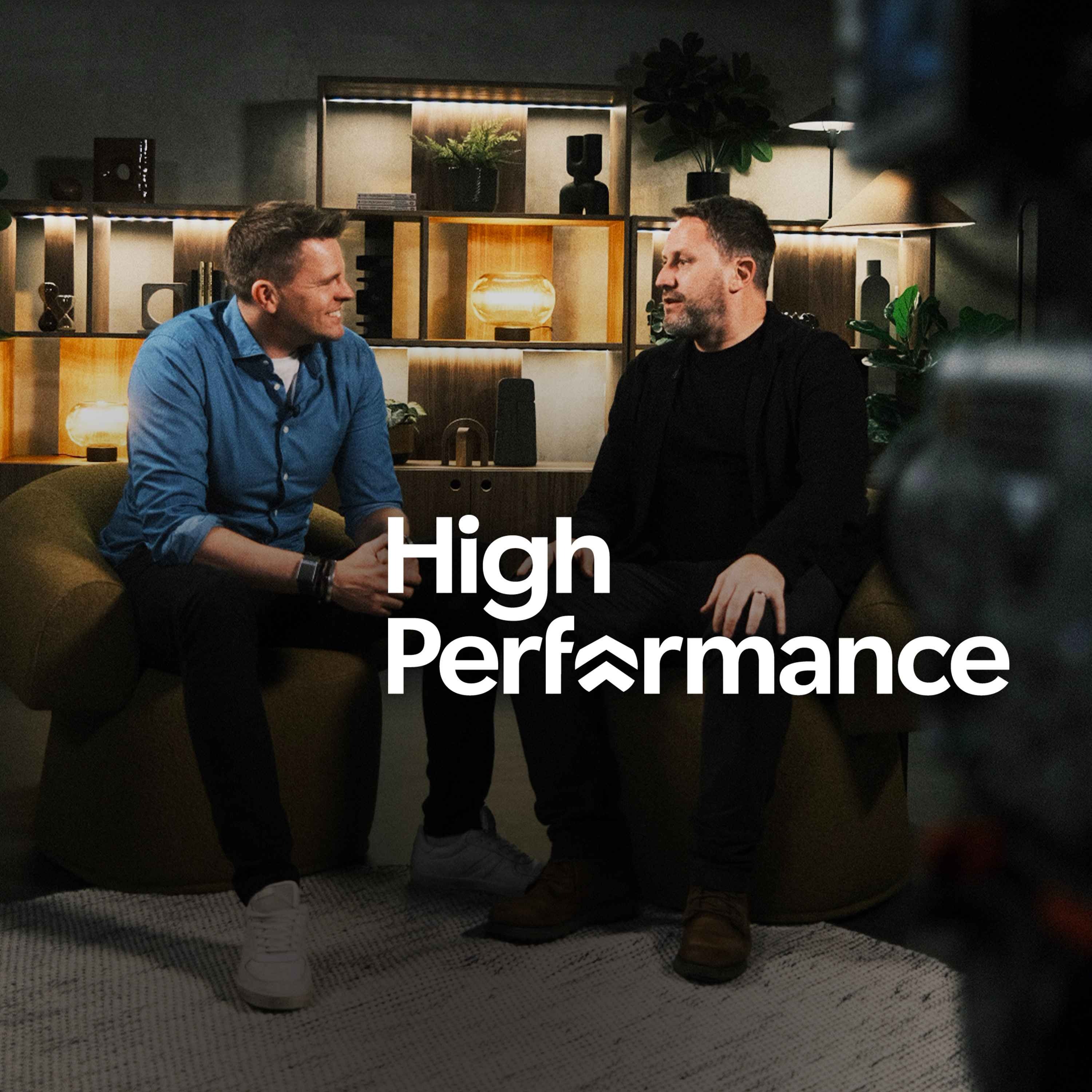
In this episode of "The High Performance Podcast," hosted by Jake Humphrey and Damian Hughes, the focus is on the essential role that health plays in achieving high performance. With Movember approaching, the hosts highlight the global initiative aimed at raising awareness about men's mental and physical health. The episode reflects on valuable lessons from various guests, emphasizing the importance of health in enjoying success and overcoming challenges.
Written by AI. May contain mistakes.

Get the gist, explore an idea or ask about something said.
 Claude
On The High Performance Podcast, what are the key points of this episode?
Searching your listeningAutomatic transcript. May contain errors.
0:28Watch it early on the High Performance app. Bronnie Ware, who wrote the book called The Regrets of the Dying. And one of the things that she echoes is what we hear from our guests, that at that moment of life where you're facing the end, it's not about status, wealth, prestige, your bank account. It's about taking care of your wealth, making sure that you're healthy and well enough to enjoy the fruits of your success. And that's what we hear so often from our guests. I wish I'd have enjoyed the journey. I wish I'd taken better care of myself. And I'm hoping that over the next few minutes, you can hear some lessons from our guests that mean maybe you do enjoy the journey just a little bit more because it reminds us how fragile our health and our lives are and we're very proud to be supporting Movember on the episode that we're recording today obviously Movember is the global movement which focuses on the health of men both mental and physical I wonder whether you're just going to shave off the beard and live with a moustache for Movember because then you've done it well I think so yeah that's an easy way of doing it but I think the point is it's a really powerful movement that just is a physical symbol of just reminding that we all need to take care of ourselves and each other as well.
1:31I would love to start with a guest who left a real mark on me, one of the all-time greats, Michael Johnson. But we're not talking about his great achievements on the track. We're talking about probably his biggest fight off the track. Are you happy to start there? Yeah, definitely. I'm interested. Why did it leave a mark on you? I think because all we often talk about when it's someone like Michael Johnson are the physical attributes that got him to the top of the sporting game. We talk far less about the mental attributes that meant when a really difficult thing happened, he had to use the same skills he used on the track to save his own life, essentially.
2:09And also, I think this clip is a great reminder that we might have our health today, but it's no guarantee of tomorrow. So, shall we hear Michael talking about the stroke that changed his life? Love to. Now, I can't move my fingers at all. my left leg I can't stand on it I can't walk and I can't move my arm I was trying to move it it's very scary this is it's shocking I'm shocked I'm like what is going on the left side of my body is literally being paralyzed and it's just so they tell me that you have you've suffered a stroke. And I'm just like, this is not even, this is not happening. This is impossible.
2:58So it starts with just getting up and starting to try to walk. And I had a physical therapist. He got me out with a walker and we, you know, we started working and he said, I guarantee you, you're going to make a full recovery. And he just saw, you know, the type of shape I was in, the type of person I was in, in my drive. And I felt it as well. I knew that, you know, I can make a full recovery. So I started on that journey and just kind of threw myself into it, shut out everything else, work, you know, all of my ventures, sort of left that to other people and just focused. I was training three times a day and just back into the same sort of mindset that I was in as when I was competing.
3:48The incredible Michael Johnson with the pretty heart-rending story of how low he got and how he fought his way back to health. What were you thinking about while listening to that? Well, it reminded me of a book by the neuroscientist Jill Bolt Taylor, who wrote A Stroke of Insight, where she describes the experience of having a stroke herself and explains what was going on psychologically for her. And the bit that I took away from Michael's conversation as well as Jill's work is the fact that the vulnerability, the fear, how terrifying it is, but also how liberating it is that once you give into that, it allows you to be able to hit rock bottom, acknowledge the power of those emotions, and then find a way of climbing back and crawling out of that despair to get back to a level of health and well-being.
4:38What did you think? Well, obviously I sat and had that conversation with Michael. And I think part of him is still in disbelief that this happened to him, right? But I'm not in disbelief because I remember at the beginning saying to him, what percent is mental and what percent is physical when you look at your success in life? And he said, 100 % and 100%. So he's basically saying 100 % like focus and dedication to my physical attributes and 100 % focus and dedication to our mental attributes. And I honestly think that the constant grind and push and drive and effort and sacrifice and punishment and desire and that fire in his stomach that he would have had through his whole career, that doesn't come for free.
5:17And we've spoken so many times on this podcast to people who have made sacrifices for their career. And when we ask them about it, they say, well, I understand it doesn't come for free. And I'm no doctor, but I think that we all have to realize the cost of the things that we do in life. And maybe, maybe the stroke that Michael had was the cost of the life that he'd lived. and all I would say to our audience who are watching this or listening to this is just be really sure that the price you might have to pay for the way you're living is the price that you're willing to pay Yeah, well that echoes do you remember the conversation we had with Osiuna Mayura the American footballer that when we spoke to him about the amount of former footballers that have suddenly suffered mental health challenges or chronic brain traumas he said that well I knew the price of admission into the game but it's also set up myself and my family for a lifestyle.
6:08And I think if you can go into any challenge or endeavour and work out, well, what's the price I'm going to pay, like Osi had done, at least that way you can make your peace with it when the bill arrives. And by the way, when I talk about this, I'm specifically talking to people, particularly in their late teens up until their mid-30s because we had Dr. Fede on the show who's a nutritionist and an expert and she said that one of the things she sees is that people in that age group they sacrifice doing all the right things because they're naturally resilient they've got like a base layer of health at that age that means they can push themselves to the limits with stress with eating, with alcohol, with drugs all these other things because there is no cost at that point but I think often in life the cost comes later so when you're in a great place maybe that's the best time to pay attention to your health so you have that as you get a little bit older I like that and I think it picks up on the next clip that I'd like to share because this was a conversation we had at the Happy Place Festival, where it was almost such a contrast to the light, buoyant mood, the blue skies, the smiling faces, that when we sat down with David Smith, the Paralympian champion that was fresh off the back of a terminal diagnosis, and he came along to speak to us around how he was processing that, but equally the lessons and the messages he wanted to pass on and convey to people that maybe had never considered how important health is.
7:34I think for me, it's brought everyone so much closer. And I think that it's given me such a great appreciation of time that when I'm with you, I'm with you. So when I'm with you, I'm not on a phone. And this is, I think, what my loved ones have taken from this is that, you know, when we're together, I'm with you. I'm listening to you. I'm hearing you. I'm not just sitting listening to reply or looking at my phone and doing a thousand things. And I think if you leave with anything today, leave with that. We're addicted in the dopamine rush to our devices. When you're with your friends and loved ones, really be with them.
8:11Put this stuff away. And I think that's probably, if I can leave anything with my family, that's been the biggest lesson from all of this. So it's been hard for them. And I think it always will be because my tumor is never, well, I say never going to go away. It's something I live with for every living breath I take. So it's something that I have to navigate with my loved ones. That was a deeply powerful conversation with David, who has a terminal diagnosis. And I sometimes think the best thing that we can do is learn from people like that when we're not in the same position. You know, we don't need to get the news that he's had to take the lessons that he's learned.
8:49And I think that we live in this world where we have become human. We've become human doings, right, rather than human beings. Everything is judged by what have I done this week? What have I achieved? You know, I'm sure you're the same when we're at home. it's a list of jobs and we're just constantly working through a list of jobs like when did home become the place where we do jobs all the time how can we get back to being human beings and i think what he says there about putting your phone away is a great example but i think generally in life having pressing reset on this idea that we constantly need to be moving forwards or pushing or achieving something or or trying to do multiple things at the same time um i think it's a great lesson from david yeah it is it reminds me of alan deutschman wrote a brilliant book called change or die and he talks about the key to it is what he says is the three r's of first of all we need to actually relate we need to just connect with people then we need to reframe what we're learning and think about these experiences like david sharing with us there and think about not just how moving it is for david but what does that mean for me how often am I on my phone?
9:55How often am I not present in a conversation? Then the final one is repeat it. When you recognise it makes you feel good and it does good do it again and again and again and make time to do that and I think this is a powerful lesson for any of us when it comes to our health and wellbeing relate, reframe and then repeat. So we've got the lovely Eddie operating the cameras in here today who worked with my wife probably about 20 years ago? About 20 years ago and it's so nice seeing Eddie again because when I said, oh, I'm working with Eddie Matthews today, my wife was like one of my favorite people I've ever worked with in telly.
10:29And that's a good reminder that if you, the power of connecting with people, because I think when you connect with people, even 20 years later, people remember how you made them feel. 100%. And I think it's a really important way to live. Let's stop judging ourselves by what we all achieved together and start thinking more about how did we all feel when we were together? Try and spend more time with those people. And sometimes you don't even know why. Yeah. Right, I tell you, you know, I'm Harry from McFly the drummer I can't tell you why right but every time I hang out with him I feel unbelievable and it's really interesting and I thought why do I love spending time with him and I think look at the people that make you feel like that and just spend more time with those people I think it's really important and when we talk about legacy you know we often talk to our guests about how important is legacy but we often think of it as an end of life thing but actually think about what's your legacy today what's your legacy of leaving that particular interaction or meeting and when you think that, you would want people to come away feeling better about themselves.
11:25You know, when I interviewed Toto Wolfe recently as we were leaving, I said, hey, listen, they're building a new facility. I said, how much of that is, like, is this your legacy? He went, legacy? My great-grandchildren won't know who I am. And I thought, there you go. Like, for him, legacy means nothing. Right, another guest. Can I send us back into the world of motor racing where I spent some of my formative broadcasting years? Yeah, go on. I would love us to hear from Billy Munger because the truth is that for a lot of people listening to this, maybe they've had a challenging health moment. Certainly for almost everyone listening to this, they will have either had it or at some point they will have it.
11:58And then it's about how we react. And I think the message from Billy about how he reacted to losing his legs in a horrific racing accident a few years ago is a lesson for all of us. So here's Billy Munger. So just like in terms of my mindset, I say the small things get on my nerves. um sometimes but it's I think sometimes people like to get caught up in things that don't really matter and as much as I still get annoyed as much as the person next to me I think I'm able to deal with it a lot quicker I think there's always that part in the my sort of thinking in the back of my mind that allows me to sort of just say well why are you even bothering worry about that well before it'd be like I don't know you'd spend five ten minutes like getting upset if something's happened but now it's like it happens have a little bit of frustration and you're like what are you doing and then you kind of just forget about it and keep moving forward so I say my mindset in terms of looking forward to the next thing and the next day and I'm excited now every day I wake up for the next day and the next thing to be able to do I don't take anything for granted anymore and I think that's probably massively down to my accident and the mindset change the power of perspective yeah definitely i think there's a couple of things that i took out of that when i often think back to that conversation we had with billy is one when you've been to the depths of despair that everything else if you keep it close to your mind gives you a sense of perspective and it just puts it into a wider context but the bit that i really enjoyed about it is having the emotional literacy to be able to articulate those feelings of difficulty despair and despondency that he went through if you remember that he spoke to us about how his family wanted to protect him from the Christ he didn't want him to watch it but he was determined to go back and look at the horrific footage so that way he could process it he could make his peace with it and then he could decide how he was going to live the rest of his life he used that great line I think to us where he said, it's not the fact, it's how you react.
14:05And I think that really is a powerful message for anyone listening. And I want us to be really careful as well, how we talk about this, right? Because sometimes it's okay to feel despair. Sometimes it's okay to lay in bed for a few days. Sometimes it's okay to like, if you've been through a trauma, wallow, wallow, because that can also be really powerful and really helpful. And I think sometimes we need to be careful that we don't just go, oh, you know, be a robot. Something bad happens, no problem, move on, let's go life's short let's flip it the truth is there are times where we need to just I can't believe this has happened to me and I now need to just take stock right so allow yourself to do that yeah yeah but do you remember as you were saying that there I've always recounted the interview that we did with Steph Reid the Paralympian that had a similar tragic accident that Billie did where she'd lost one of her legs in a motorboarding accident and she spoke about she did that wallowing time and then eventually it was a nurse that came along and said, right, stop wallowing now.
15:03We need to start making a plan. So I think allowing yourself to wallow for a period is actually really healthy, but then you've got to have somebody that just says, right, the game's changed now. We need to do something different. And I think one of the ways that people, if they're in that period of struggle and feeling, woe is me and that's absolutely fine, is maybe the conversations we've had on this show because we've spoken to so many people that have been to the darkest place and actually they've brought themselves out of it and they've come out of it with a renewed sense of optimism, a fire in their stomach, a desire to go and do things that they never had before that low moment.
15:37And I'm certainly someone now that advocates for anything that's been difficult in my life up to this point. Yes, it was hard for me, but I don't believe it was bad for me. And I think separating the difference between hard and bad is really important, but also understanding the difference between fault and responsibility. You know, people will be watching this and there will be things that have happened in their life that are not their fault. That wasn't Billy's fault. it wasn't Steph's fault when we spoke to Ryland it wasn't his fault that he had mental health challenges to Wolf losing his dad at a young age wasn't his fault every single one of these people will tell you it was still their responsibility to recover from that and find a way forward and I think that's also a message that people do need to hear yeah I mean it relates to I think it's the old Chinese word for crisis contains two elements to it one of it is a is a disaster but then it also translates as an opportunity and I think when we understand these crises that we all experience in our life.
16:29One, we have to acknowledge the difficulty, but then we have to look for the opportunity in it as well. And that is a great link in many ways to our next guest that I think is worth sharing, which was Mark Cavendish. We all associate the Manx missile with the guy that is coming through the park and often crossing the line victorious. But he actually wanted to speak to us about the stuff that happens in the shadows, the stuff we don't see and the mental health crises that he went through before it gave him that renewed optimism to come back as a better rider. Well, I'll tell you what, let's hear from him.
17:02And we spoke to him about how he started to realise that he wasn't operating in the usual way when I asked him what kind of things were triggering mental anguish. And here's what he said. You're not even sad. You just don't feel anything, do you know? And you can be sad. and things, but it's not a sadness. It's like something that gets you and it's an irrational, it gets you quite irrationally. Like it doesn't make sense why something's annoyed you or why you're irritable about it. What sort of things in that period would you react strangely to? Okay, I know houses are noisy and kids going out, but like when sometimes I'd hear every individual sound that was going on with the kids and then even my wife, Peter, like her walking would be like, I just want to go out of the house.
18:00It's her walking in the house and she's my best friend, you know, and we never argue and like stuff, like we never do and like stuff like that, like her walking annoying me. I think about it now. By the time you don't think about it and you don't think that's stupid because you don't know that whatever's going on. You just, yeah, you either have no feeling or just the most erratic, like, feelings that don't make sense. So, again, what Mark talks about there is having the emotional literacy to be able to understand what's going on. Think of it like a bucket, that if you're not prepared to keep emptying that bucket and you just keep letting the drops come in there eventually it explodes and something as innocuous as the sound of his wife's footsteps caused him it wasn't the footsteps it was the fact that he hadn't been willing to acknowledge and to be able to talk about his emotions in fact if you remember he said that he regarded people that did do that as weak and he would see that as as a weapon he could use against other riders the experience of going through it himself has taught him to be kinder and more compassionate it both to himself but to other people going through it as well and you know i got quite a few messages after that from mainly from men saying i just thought i was being grumpy i didn't realize that what i had was a mental health challenge and so many people reached out to their gps because exactly the same thing was happening they were frustrated and annoyed by people talking by a kid crying or laughing by a partner walking around on a wooden floor and they just thought they were just becoming a grumpy old man they didn't realize that this is something far greater than that.
19:46And I loved your analogy there about filling up the bucket. And I would recommend anyone listens to our conversation with Alistair Campbell about the tools that he's used to solve his own mental health challenges. But the most important tool we all have at our disposal is reaching out, is speaking to people, is therapy. I was thinking actually, what percent of guests have been on high performance do you think have been in therapy? Oh, that's a good question. If we class therapy as in not necessarily going and speaking to a mental health expert, but going and speaking to friends, reaching out and looking for...
20:18No, but I think we should look at it as going, like actual therapy. Okay, right. I reckon it's about, personally, I think it's about 80%. As high as that? Yeah. Oh dear, right? I'd have probably gone for about a quarter of our guests. Honestly, but almost everyone we speak to now, when we say, have you spoken to anyone about it? They go, yeah, have you? Think about it, almost every time. I mean, when you're saying it now, my mind's going back to nearly four years ago when we sat down with Tyrone Mings, and he was the first footballer that said, oh no, I speak to a psychologist before every game.
20:48That means it's Briani. That meant they roll off the tongue. Yeah, yeah. Ollie Watkins speaks to someone before it. Yeah, you're right. But that's the mad thing, right, is that I think the world we live in is still saying to you, it's probably about 25 % of people. Bloody well isn't. Yeah, yeah. People who are, particularly people who are operating at the very limits, those people particularly are seeking therapy. But again, it makes perfect sense, doesn't it? That, you know, if you wanted to eat better, you'd go and speak to a nutritionist. If you wanted to gain greater muscle mass, you'd go and speak to a strength and conditioning expert.
21:18If you're feeling poorly with the virus, you'd go and speak to a doctor. So if you're feeling lacking in confidence or your mood is low or your findings are being irritable, why would you not go and speak to an expert that can help you take your mental health seriously? Honestly, I think it should be something that we're all forced to do for half an hour a week, every single week, man, we would live in a much healthier and happier world. And I would ask you to think, how much time do you spend looking after your garden, looking after your car, buying nice clothes, doing everything else compared to how much time you actually spend looking after your mental or your physical health?
21:54And it's been great to have a conversation about the power of protecting those two. And we're big supporters and big advocates for the work that Movember are doing. If you want more information, just go to movember.com and find out more Damien thank you so much thanks mate loved it as always I like these reflections from a selfish point of view I think it's a good reminder great are you happy? very you? very good hope you are as well thanks for joining us
22:34Thank you.
As Movember approaches, Jake and Damian catch up to discuss the critical role that health plays in achieving high performance. Movember is a global initiative that raises awareness about men's mental and physical health, making it the perfect time for them to reflect on the importance of taking care of yourself, not just for success, but to truly enjoy the fruits of that success.
In this episode, Jake and Damian reflect on lessons from guests like Michael Johnson, David Smith, Billy Monger, and Mark Cavendish, emphasising the importance of overcoming challenges, spending quality time with loved ones, and prioritising activities that boost well-being. They highlight the value of focusing on health when you're feeling good to prevent neglect during tough times, and stress the need for therapy, likening emotional wellness to a bucket that can overflow if not managed; an essential consideration for every man’s well-being.
Listen in to hear more about how understanding your emotions and taking care of your mental and physical health can lead to a balanced and fulfilled life.
Listen to the episodes mentioned:
Michael Johnson: https://pod.fo/e/254ca8
David Smith: https://pod.fo/e/1ef288
Billy Monger: https://pod.fo/e/a8d2c
Mark Cavendish: https://pod.fo/e/eb9c4
Hosted on Acast. See acast.com/privacy for more information.


