In short
Whether algorithmic/dynamic pricing will raise grocery bills, plus how Microsoft Outlook remains dominant in workplaces and a broader “friction maxing”/neoludism pushback against tech lock-in.
Guests/backgrounds
Karen Howe (host, tech journalist). Thomas Germain (co-host). Nicky Wolfe (co-host). No external guests.
Key claims
Walmart’s rollout of digital price tags could enable personalized or surveillance pricing via data-driven price changes, creating informational power imbalances. Dynamic pricing already shows up in flights and delivery/ride-hailing; studies and investigations suggest higher prices for certain groups. Privacy and consumer choice are weakened by B2B lock-in (Microsoft). “Friction maxing” and reverting to older tech can reclaim agency.
Notable examples
Walmart digital tags in 2,300 stores; Consumer Reports/Instacart study (up to 23% price differences; patents for in-store price testing); Uber/ride-hailing study (100M+ Chicago rides; higher prices in younger/poorer/non-white neighborhoods); FTC investigation; Artemis astronauts’ Outlook outage; “friction maxing” via reduced phone use (China phone with WeChat/Alipay; black-and-white mode).
Written by AI. May contain mistakes. Listen to the episode to check what was said.
Chapters
Tap a time to open that second in VOWalmart's Digital Price Tags
0:45 to 2:00
Discussion about Walmart's implementation of digital price tags and its implications.
“Welcome to The Interface, the show that decodes how tech is rewiring your week and your world.”
Understanding Dynamic Pricing
2:00 to 3:20
Exploring the concept of dynamic pricing and its potential effects on consumers.
“The concern here is something that maybe you've heard about, which is called dynamic pricing or personalized pricing or sometimes even surveillance pricing.”
Experiences with Price Variation
3:20 to 4:40
Personal anecdotes and experiences of fluctuating prices in various sectors.
“then you'd go back and maybe the price of the flight is slightly different.”
Impact of Dynamic Pricing on Groceries
4:40 to 6:10
Analysis of how dynamic pricing could affect grocery shopping in the future.
“There's no evidence that any of this stuff works.”
Algorithmic Discrimination in Pricing
6:10 to 7:30
Discussion on how algorithms can lead to discriminatory pricing practices.
“The thing that gets me about this is like, I spent years and years writing about privacy and it's like really the harms are kind of, you know, obscure and it like might hurt you in the future in some particular way.”
Consumer Privacy and Pricing
7:30 to 9:10
Examining the relationship between consumer privacy and dynamic pricing.
“And that is also the general line that I think a lot of companies use, where they're like, oh, we're actually lowering the price for consumers that might not be able to pay as much.”
The Role of Legislation in Pricing
9:10 to 10:40
Overview of legislative efforts to regulate dynamic pricing practices.
“But what this is really about and why else would they be doing it is to figure out the most that each individual person is willing to pay and charge them that amount.”
Consumer Action Against Dynamic Pricing
10:40 to 12:20
Encouraging consumer participation in monitoring pricing practices.
“more people are buying cookie dough today.”
Algorithms and Consumer Outrage
14:09 to 15:12
Learn about the impact of consumer actions on company practices regarding dynamic pricing.
“You know, algorithms in general are not evil.”
Outlook Problems in Space
15:50 to 16:58
Discover how astronauts faced technical issues with Microsoft Outlook during their mission.
“that I just had to talk to you guys about.”
Show all 21 chapters
Microsoft's Market Dominance
16:59 to 21:11
Explore why Microsoft products dominate corporate environments despite user dissatisfaction.
“It's interesting to me that Microsoft, especially Outlook, is such a widespread butt of a lot of jokes, right?”
Apple's Competitive Edge
21:20 to 24:38
Learn about the potential shift in consumer preferences with the introduction of a cheaper MacBook.
“I have to say, I mean, I am not a big defender of Microsoft as a corporation.”
Digital Tech Disentanglement
24:46 to 26:04
Understand the concept of neoludism and reclaiming agency from digital technology.
“given Apple's success at making, you know, devices that people fall in love with.”
Vacation and Screen Time Reduction
26:07 to 28:01
Hear about a personal experience of reducing screen time while traveling in China.
“There's this name, Neutro, which is the portmanteau of new and retro, people reverting back to older 80s, 90s technologies.”
Life with Two Phones: A Reality Check
28:01 to 29:15
The speaker shares their experience of managing two phones, one for personal use outside China and another for local necessities, resulting in significant reduction in screen time.
“And so I have two phones, one that's my outside of China phone that has all of my regular apps.”
Understanding Friction Maxing
29:16 to 30:25
The discussion shifts to the concept of friction maxing and how technology companies influence our behaviors and interactions, raising concerns about convenience versus control.
“oh look at that So Nikki, this isn't friction maxing.”
Skepticism on Tech Reversion Trends
30:26 to 31:48
The participants address the trend of reverting to older technologies, discussing its significance and questioning the scale of this movement among the general population.
“It's infantilizing adults, and we don't even have a word yet for what it's doing to kids.”
The Appeal of Physical Media
31:49 to 33:38
The conversation explores the emotional and psychological aspects of owning physical media, such as cassettes and DVDs, versus streaming services and digital ownership.
“This isn't a thing that's happening on a massive scale, right?”
Reclaiming Control in a Digital World
33:39 to 36:21
The discussion delves into people's growing resentment towards tech companies and how they seek to regain control over their technology usage and life choices.
“But I think it's all representative of people's growing both resentment and lack of trust that these ginormous tech companies that it's possible to have.”
Small Changes, Big Impacts
36:22 to 37:02
A story about a friend's app that switches the iPhone to black and white, illustrating how minor adjustments can significantly reduce screen time.
“And this is their way of sticking it to the man, sticking it to the machine.”
Practical Tips for Friction Maxing
37:03 to 38:06
The hosts share practical advice on how to reduce phone usage by employing alternative single-use devices, encouraging listeners to engage in friction maxing.
“It's like an app that makes your smartphone into a dumb phone.”
Transcript
Automatic transcript. May contain errors.0:00This BBC podcast is supported by ads outside the UK.
0:30to bbc.com and the BBC app. Find out more at bbc.com slash unlimited.
0:38They have enough information they can figure out exactly how much you would be willing to pay before you walk away. Welcome to The Interface, the show that decodes how tech is rewiring your week and your world. I'm Karen Howe, and I'm back. And we missed you so much, Karen. I'm Thomas Germain. And I'm Nicky Wolfe. Today on The Interface, we'll be talking about whether algorithms are going to jack up the price of your grocery bills. And how if even astronauts have problems with Microsoft Outlook, why is it still so popular? And is the new tech trend less tech?
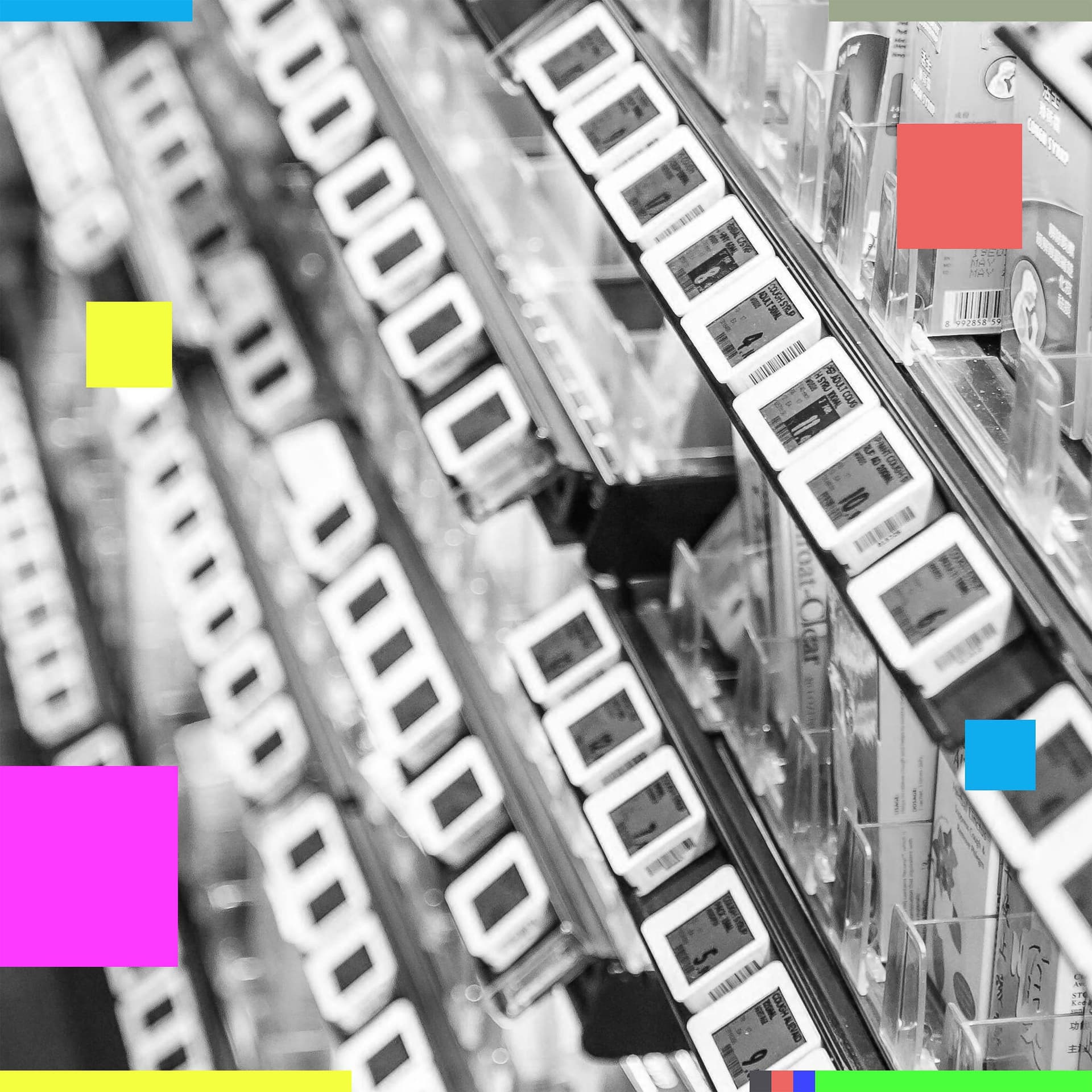
1:17Okay, so let's jump in here. I want to talk to you guys about Walmart. Walmart, one of the biggest retailers in the world. If you've never been to one, it's a paradise. You can get anything you want. You can get anything you want. Yeah. You can buy new family members at Walmart. It's a huge store, whatever you need. We're starting with a little bit of old news, but the implications are fresh. So in March, Walmart announced that it was rolling out digital price tags to all of its stores. They're already in 2 ,300 Walmart stores instead of like a little sticker, instead of a piece of paper. This is how much something costs.
1:53They have a screen that can be adjusted. this is coming to all Walmarts in the near future. And what Walmart says and what, you know, the National Retail Federation says is this is great because it's going to cut down on work for Walmart employees and they won't have to run around the store and change all these little pieces of paper that get thrown away. It's better than the environment. Sounds great, right? The concern here is something that maybe you've heard about, which is called dynamic pricing or personalized pricing or sometimes even surveillance pricing. And the idea is when you can just change the price on a little screen in a physical store or online that we can charge different people, different prices for the exact same thing based on your data and the data that companies are collecting about every single consumer.
2:44And it'll create a big power imbalance between you and the companies where they can squeeze a little bit more money out of you down to the last penny because they have enough information they can figure out exactly how much you would be willing to pay before you walk away. We know it's already happening in a lot of different places across the economy. And it's only getting worse. And the only question is how far this is going to go. We should talk about the times in which you will have already experienced dynamic prices. So I think we talked about before about how when you book a flight, if you are looking for flights, then you'd go back and maybe the price of the flight is slightly different.
3:24Now, it's one of those things that's really hard to prove. And you kind of, sometimes when it happens to me or when I think it's happening to me, it's sort of like being gaslit, right? It's like, no, this is the price. And you're like, would it have been the price if I hadn't already checked it? If the company wasn't aware that I wanted this thing, would I be getting a different price for it? Am I being the price? 100%. I have tried multiple times to buy flights on VPN in different locations. And I've tried that to see if they're using geolocation to price my flights higher. But to your point, Nikki, I can never quite figure it out because the patterns are not obvious.
4:05I tend to VPN myself into Iceland and buy flights. I don't know why. It's almost become a superstition for me. like you do the you must appease the gods of the dynamic pricing in order to get the best and there's no there's no evidence that anything like that works or at least i've never proved it to myself there are all these techniques that people use to try and get around this because you've heard this before right that the airlines they have all these special you know ways that they're figuring out how to get a little bit more money out of you people will like open a browser like in a private window and or there for a while there was something and goes like, oh, you got to buy your flights on Tuesdays.
4:41The flights are cheapest on Tuesdays. There's no evidence that any of this stuff works. I wouldn't rely on it. Like that's not advice that we're giving you. The point is that this is coming to your weekly grocery shop. This is coming to when you need to buy milk, when you need to buy cabbages. Cabbages. What's in your weekly shop? People buy cabbages. That's such a good one. People buy cabbages. Yeah, just milk and cabbage every week. That's all right. Milk and cabbage, you know, the traditional English breakfast. But this is, it's not just flights, right? This grocery example is real. So there was a study done by Consumer Reports with a couple of other groups.
5:20I used to work at Consumer Reports years ago at the beginning of my career, looking at a grocery delivery service called Instacart, where they had a bunch of shoppers volunteer the data they were getting. And they found that people were paying as much as 23 % different prices for the exact same groceries. But there's all kinds of other examples we can look at. Uber, for example, right? Every time you look at the Uber, yeah, surge pricing, right? You know, when everyone's leaving the concert at the same time or your flight lands at the airport and everyone's going, the price spikes. Years ago, there was a story that Uber was charging people more money when the battery on their phone was lower, right?
6:04It was like, oh, you're a little more desperate. We can charge you a little more is the theory. Oh, that's horrible. They got in a lot of trouble. Apparently this practice is over. The thing that gets me about this is like, I spent years and years writing about privacy and it's like really the harms are kind of, you know, obscure and it like might hurt you in the future in some particular way. And people, it's always like, oh, I got nothing to hide. Who cares about this? Here's an example of why your privacy matters. This is all about informational imbalance. The companies know more about you than you know about the transaction.
6:37And it's not just you, they know more about all of us. And it gives them a huge power imbalance. The humble price tag, the New York Times did a story about this, was actually a very powerful tool for consumers and shoppers, right? Because we knew what something cost. The idea here, the ultimate goal, is that that's going to go away. And as you careen around the internet, your data is going with you. They can compare you to lots of other people. And they can set a special price that's just for you. So because in the United States, there are basically no laws about privacy, not at the federal level, at least, this kind of thing is allowed.
7:16They can collect almost whatever kind of information they want about you. Yeah. I think one of the things that people don't necessarily understand when they realize that dynamic pricing is happening is they think that it's people who can pay more that are charged more. And that is also the general line that I think a lot of companies use, where they're like, oh, we're actually lowering the price for consumers that might not be able to pay as much. But actually, study after study has shown that sometimes the opposite happens. So you were talking, Tom, about the Uber case. There was this really famous study in 2020, where researchers at Washington University were looking at over 100 million rides in Chicago, and they found that Uber, Lyft, other ride-hailing algorithms, we're actually charging higher prices for trips going to neighborhoods with younger residents and also poorer neighborhoods and larger non-white populations.
8:16So this is like algorithmic discrimination at its finest. Now, the defense of this, because there's another side of this argument. And like Karen said, part of the argument is like, oh, we're going to be able to charge people who can afford to pay more. Like they will pay a higher price and that'll subsidize people who can only afford to pay less. There's another argument that you hear that like, no, what this is really about is coupons, that we will lower the price. That was the Federal Trade Commission, the FTC in the United States, which regulates commerce, did a big investigation of this and ultimately came up a little dry because most of this is about coupons, at least the way that it's laid out now, where some people will get a discount and others will be charged the maximum price.
9:05So you can frame this in a way that sounds good. You know, rich people paying more, some people getting coupons. But what this is really about and why else would they be doing it is to figure out the most that each individual person is willing to pay and charge them that amount. Right. And we're sort of talking, we've been talking through a lot of examples where purchases are being digitally mediated, right? Like online shopping, Uber, Instacart. But the reason why the Walmart announcement is such a big deal is because it also indicates that it could be coming in stores, right, Tom? Yeah, that's exactly right.
9:45So it's easy to do on the internet because I'm looking at my phone, you're looking at your phone. They can show us two different things. How do you do this in stores? Well, not that hard if instead of a price tag, you have a little screen that tells you what everything costs. Now, the most extreme version of this, the technology exists. We know about it. If you go to like retail conferences, there's tech companies there that are advertising. This is so cool. We'll let you do it. They can do things, for example, like use facial recognition cameras to be like, oh, that guy was here last week. And we have this chart like tied to his loyalty card.
10:20We identified him with his face. We know he'll pay 20 cents more for bananas. So let's jack up the price as he approaches the banana stand. That's the most extreme version, right? The slightly less extreme version is it doesn't have to be necessarily a different price for you specifically. But when it's super easy to change the prices dynamically, they go, oh, for whatever reason, more people are buying cookie dough today. And we anticipate based on our mountain of data that even more people will be buying it in the next two hours. So jack up the cookie dough prices. So that's the concern about Walmart.
10:55But we should give Walmart a chance to defend itself here. We reached out to them. Here's the quote that they gave us. They said, it's interesting to hear those concerns. It is interesting. I agree. It's kind of a nice compliment, right? But if you talk to people who shop in our stores every week, we think they will have a different view. Those labels are just a modern tool to help our associates do their jobs better. But the price you see is the same for everyone in any given store. They see the work we do every day to keep things affordable. They also sent us a link to some blogs that you can go find from the National Retail Federation.
11:30There's all kinds of people all over the internet, especially those who work for industry trade groups who will tell you why this is so great. That essentially, ultimately, this will lower the prices for most people. But I have to ask, why would you do this if you were Walmart, if this is going to make prices lower for your customers? I mean, like, we're running a business here, right? Of course, you're going to try and make the most money as possible. The hope is that this will make the economy more efficient, and then everything will be great. But if I was a giant corporation, that isn't what I would want to do.
12:06So I guess it comes down to where you're going to put your trust. The concerns that we're bringing up are not pure speculation, right? the Consumer Reports investigation that you were referencing earlier, Tom, it also found that for Instacart, Instacart had actually filed patents that would have enabled constant in-store price testing, price changes, the exact type of system that we're actually talking about. And it was predicated on these digital price tags. So it's not something that, you know, we're just sort of speculating here could happen simply because the capabilities exist. It is something that companies have actively discussed to the point of even filing a patent for it.
12:52Yeah. And we're living in the middle of a almost unprecedented cost of living crisis as well. It's the top political issue. Right now, people are struggling. You know, we're talking about these corporations using personal data to crank up things that are essential to the basic quality of life. Like with that consumer report study, they found that families buying exactly the same price of basket of goods, you know, shopping for exactly the same items, it could still cost them$1 ,200 more in a year to purchase those groceries that another family over that the algorithm priced differently. Yeah, that's a huge amount of money.
13:35If consumers don't like this, there's pretty widespread agreement about this issue. What are we going to do about it? Well, legislators are trying. There's some proposals. In New York State, there is a bill that would ban algorithmically determined prices and it would force companies to disclose if they're doing any automated price adjustments based on consumer data. I think the way that this bill is phrased is so broad that it would be hard to get it through because like you ban all algorithms that are used to set prices. You know, algorithms in general are not evil. So I think it might need to be phrased a little differently, a little more specifically in order to address this problem.
14:16And before the bill passes, because bills do take a little bit of time to pass, it's worth noting that the Consumer Reports investigation actually led Instacart to suspend all of their AI-driven price adjustments. So consumer outrage also works. So here's something that you can do for us, which is I'm calling the Great Interface Banana Pricing Study. If you go to a store and it has dynamic pricing, it has like an electronic tag, take a little picture of the tag, tell us where this store is, which store it is, and send it to theinterface at bbc.com and hopefully we can gather enough data to figure out if something shady is going on.
15:01We're going to take down Big Banana once and for all. Big Banana is a real thing. You know, the fruit company is scary. I don't know if that's a tech story. Big Banana is really scary. Yeah, yeah. .
15:44at bbc.com slash unlimited.
15:49All right, so I saw something this week that I just had to talk to you guys about. We're going from Walmart into outer space. America is going back to the moon. And as part of this mission, they launched the Artemis space probe, which has four astronauts on board. They're going to do a long pass around the moon. And at some point, there was a call, Houston, we have a problem. and it's a problem that I think probably a lot of our listeners will have come across. So you are like an astronaut in this. If you have ever had a problem that has led you to go, God damn it, Microsoft Outlook is broken again.
16:26That happened onboard the Artemis space probe. Microsoft Outlook broke. They have these Microsoft Surface tablets, which is their personal computing devices. So this is not, to be clear, this is not endangering the mission. That mission-critical email. It's not mission-critical email, but they had to call mission control and have somebody, have an IT guy take remote control of the thing to fix their Outlook. You know, using Outlook does feel like being an astronaut. You're in this strange alien world. Nothing makes sense. It's interesting to me that Microsoft, especially Outlook, is such a widespread butt of a lot of jokes, right?
17:09the reaction online when it turned out that these astronauts were having like some outlet problems. Let's just say that people weren't surprised. The reaction was, oh, this is a near universal experience that we have all had. It is of all the tech companies, the one that I hear like the most consistent criticism about like, not like the company's business practices, but about the experience of using the products. I know so many people that hate Microsoft. Do you guys use Microsoft Outlook? I have to use my, the BBC runs on the Microsoft Office Suite. We have Outlook accounts. I use it every single day.
17:48That will be the distinction with a lot of people listening, I think, is if you work for a big corporation, it is likely that you will have Microsoft Outlook. And I think it's worth diving into why Microsoft products have so cornered the market in big corporate contracts for being used for work when, generally speaking, they are much less popular when people are choosing for their own individual use. And the reason so many companies are using it, it isn't necessarily because the products function better. There are a lot of very practical reasons. For one, security, right? Microsoft's whole thing is working with other businesses who need large contracts, and there's all these like compliance issues that Microsoft has set up to follow.
18:36They're in a position to just make it really smooth for IT departments and certain things like, you know, Excel are just the industry standard. But there's another aspect of it here, which is that they are using algorithms and other ways of just extracting more value out of the consumer. And they know that you're locked in. So they don't really have a huge incentive anymore to make a really great experience. And the problem is if your company that you work for has negotiated a contract with Microsoft for the entire workplace, where is your consumer choice? You don't really have a decision on whether you can use Outlook because they have these massive B2B contracts.
19:25Yeah, these companies in a lot of ways don't really compete with each other. There'll be like little corners of the market where tech companies compete. Like if we look at like cloud computing, Amazon Web Services is number one. Google has cloud computing software or services. Microsoft has Azure. But if we look at like broadly, Amazon is a retail company for the most part that isn't competing with Microsoft. Microsoft is an enterprise software company. Google competes with them a little, but it's like not even close. Apple makes, you know, phones and hardware. Every company is like in a different corner of the market and people are using them, I think not necessarily because they love them.
20:09Like, do you use Google search because you love it the most? Like, have you done comparison shopping and looked at the others and decided Google is the best or is it just, you know, is it a monopoly? It is, I'll give you the answer. It is a monopoly. The courts have ruled that Google uses illegal business practices to make its competitors worse and shut out the competition. It's an interesting, you know, there are other industries where there's competition and people use the one that they like. I mean, we look at AI, like people who are into AI use the tool that they prefer. There's been a lot of like switch over to Claude, which is made by a company called Anthropic, away from ChatGPT, because there's real competition in the market.
20:45There's products that are fundamentally almost identical. And there's like this little variation where they have to make it a little bit better. Microsoft doesn't really have to do that, at least in terms of the user experience. They need to be better at making like enterprise customers happy. But in terms of like whether, you know, schmucks like me who are stuck using Outlook every day have to enjoy it, that's not necessarily, it just has to be good enough that I won't start a riot. But I got to tell you, we are close. We're pretty close. If it crashes one more time. I have to say, I mean, I am not a big defender of Microsoft as a corporation.
21:28But I will say, I will say, Microsoft Word. You use Microsoft Word to write, really? No, no, no. So originally, I usually use Google Docs. Someone turn Karen's camera off. I can't hear this. I usually use Google Docs to write, if I'm writing short form. And I used Scrivener to write my book, which is like this software that helps you organize things that are very long form. But at some point, you have to export out of Scrivener to start, you know, moving things around more easily. Microsoft Word had this incredible feature that saved my life, which was the ability to look to take two documents and compare them and show the difference in track changes.
22:15that was actually life-changing. So I just, you know, I just wanted to put in a little love letter for that specific future of Microsoft Word. I mean, it's a very strange situation where this company that started out, and Microsoft Word for the longest time absolutely was the corner of the market, was the only game in town. They blew all their competition out of the water. It was the Google of word processing for an unbelievably long time. In the very recent past, Microsoft was the most valuable company on earth. Like within the past couple of years, they're always like in the number one, two or three spot.
22:52This is a big company. I mean, it's still a huge consumer company. There are millions and millions and millions of people who are using, probably using a Microsoft product as they listen to this, right? But when we look at like, why are regular people buying Microsoft products or buying computers that use Microsoft? I think there's two reasons, right? One is if you're a gamer. Gamers love Microsoft or they love Windows because a lot of games will not work on other operating systems. It's just like a compatibility issue. Yeah, particularly Mac. There's a whole load of games that just simply aren't.
23:27Will not work. The other reason that a lot of people use Windows and Microsoft products is because the computers can be cheaper. You can get a much cheaper Microsoft laptop than an Apple laptop. until last month when Apple rolled out its new laptop. It's called the MacBook Neo, and it cost$599. And this is a major change in the history of computing for a number of reasons. People have always wanted a cheap MacBook. Apple has always refused to make one. Now, from all, you know, we don't review products, but from the people who do, the sentiment seems to be everyone thinks these things are great, especially for the money.
24:12It's like a no-brainer that this is the best cheap laptop on the market. I think this is going to cause a sea change where over the next five to 10 years, people who have less money that would have been on a PC who are making a purely price-driven decision are going to switch over to Mac. And this will be in large part the end of an era for Microsoft unless, you know, the Lenovo's Novos and HPs and acers of the world step up their game significantly. But that is hard to imagine, given Apple's success at making, you know, devices that people fall in love with. So this could be the beginning of the end because of the way, you know, that the PC manufacturers and Microsoft have played their hand here.
25:01And I think that Microsoft could lose this part of the market altogether and still be incredibly successful because they make all their money from other businesses. Right. Google tried to wage this war against Microsoft with the Chromebook and Microsoft managed to hold them off and maintain their position as kind of, if you buy any laptop that isn't a Chromebook and isn't an Apple, we'll be running Windows. We'll come with Windows. But we've reached out to Microsoft for some comment and they haven't got back to us at this point at time of recording, but we'll put their response in the show notes.
25:39So I feel like the first two stories that we talked about today really relate to what I wanted to talk with you guys about, which is how to disentangle yourself from digital tech and try to find the sweet spot where you're not just completely consumed by the algorithm, completely consumed by the vortex of online information, but in fact, you figure out exactly for yourself where you want to draw the line for how much digital technology you really want in your life. And this is the rise of neoludism. There are many names for it. There's this name, Neutro, which is the portmanteau of new and retro, people reverting back to older 80s, 90s technologies.
Read the full transcript
26:25There's also this term friction maxing, which came out from a column in The Cut earlier this year, this idea that maybe we shouldn't just be going for maximum convenience, and we should be introducing little ways of withholding that dopamine hit from doom scrolling or from ordering a meal online so seamlessly. And I really love this topic because it is kind of the best way that average consumers can start to reclaim more agency in their lives. Like there is this march of technological progress that a lot of people feel FOMO about, and they feel like they have to just adopt every single tech trend that comes into their lives, especially now with AI everywhere.
27:11The number one thing that I hear from people is, oh, if I don't use the next latest, greatest AI tool, I am totally going to be left behind. But that's not actually true. There are lots of ways that you could just decide not to use these technologies, decide to revert back to older technologies that simply worked for you really well. And this is one of the ways that you can exercise more control and develop a healthier relationship with your technology. And this is something, Karen, you just had a little taste of this, right? You went on vacation and you had a sort of break from your phone. It was like a different phone experience.
27:49Yes. So I just went on vacation. I went to mainland China. And every time I go into mainland China, I actually switch to a separate phone because China has a totally different ecosystem of applications. And so I have two phones, one that's my outside of China phone that has all of my regular apps. And then I have a China phone that has WeChat, that has Alipay and all the things that I need for life within China. And it basically I set this phone up so that it doesn't really have that much interesting stuff on it. It's just like purely functional applications. And I couldn't access any of my social media.
28:28I couldn't doom scroll. And my screen time just dramatically dropped. I probably went from using my screen like an unhealthy amount of 12 hours a day, including my phone and my laptop to maybe an hour, two hours a day. 12 hours a day you're on a screen? I mean that's extreme I mean wait a minute are you not like if you think about how like I'm working maybe 10 to 12 hours a day yeah it's not just social media right you're like yeah you do your work on a screen well that you should I mean I guess you use again you have a Blackberry I've got a semi-dumper that's from the 1970s I think I think it is so you probably don't have a screen time feature you can check you're probably up there oh look at that So Nikki, this isn't friction maxing.
29:21You're just stubborn. You've been doing this since before it was cool, right? Like you've been through so many different eras with your smartphone that now you're on the cutting edge. Let's take a step back for a second, though. Like this friction maxing idea that came from this article earlier this year. This is really fun. Let's go into this a little bit. Like, what are we talking about? Friction maxing. Yeah, I feel like I just need to read a little bit from this column because when this column came out, It was such a huge light bulb moment for me. So the way that it frames it, tech companies are succeeding in making us think of life itself as inconvenient and something to be continuously escaping from into digital padded rooms of predictive algorithms and single tap commands.
30:05Reading is boring. Talking is awkward. Moving is tiring. Leaving the house is daunting. Thinking is hard. Interacting with strangers is scary. Risking an unexpected reaction from someone isn't worth it. Speaking at all, overrated. These are all frictions that we can now eliminate easily, and we do. But this is a sick joke that is being played on all of us. It's infantilizing adults, and we don't even have a word yet for what it's doing to kids. This is why I've resolved to commit to make 2026 a year of friction maxing. So the concept is basically like we've really allowed companies to, under the guise of being more convenient, more seamless, more integrated into our lives, allowed them to dictate so many aspects of our behaviors, our relationships, how we literally get food, what we pay for something as basic as groceries now.
31:01And friction actually is kind of this idea that maybe we should just not let them do that by refusing to adopt certain types of technologies, refusing to give them certain types of data and reclaim that sense of control in our own lives. There's been a lot of writing and talking and bloviating on this subject from people like, you know, the three of us, like tech journalists, about this new trend. Luddites are coming back. Everybody's going back to old tech. Everyone's using dumb phones. I think it is worth maybe injecting like a note of skepticism. There are some people doing this. It is a real thing.
31:48Some people are switching to dumb phones. This isn't a thing that's happening on a massive scale, right? Like most people are using modern smartphones. Most people are not choosing to reject Instagram and, you know, food delivery and like, you know, algorithmic music recommendations. Tom's just trying to defend himself. Well, there's something going on. I don't know if it rises to the level of the movement, but it has risen to the level that I personally have started collecting cassettes, which I think makes me sound like a crazy person. But this is my boom box that I bought this on eBay. Wow, that is adorable.
32:25And I actually, this thing is really great. It's also very old and kind of beat up and only works like half the time. That's what you want it to be, babe. But it's kind of nice. You know, you put it on. It's a little, there's a little more friction involved, right? You listen to something on Spotify. You're kind of letting the algorithm make all the decisions for you. With a cassette or a record, you put it on, you're going to listen to the whole thing or at least, you know, one side of the album before you flip the tape. There's something more intentional about it. It's kind of comforting. especially with music, there's a feeling of ownership.
32:58When you're streaming music on Spotify, you're streaming it from a centralized thing, Spotify goes down, you lose your playlists, right? You have a record collection and you have it forever. You can go through it and rediscover your old favorites. And I think also with DVDs, people are getting annoyed at the streaming services. You rent a movie, it kind of disappears into the ether. People have a collection of DVDs and they're the media that they own and they can go back and watch it anytime. I guess the question for me is like, are we looking at trends where like there's a little moment of pushback or is this like a broader shift?
33:35This friction maxing thing is part of a lot of different wider movements, the dumb funds, the friction maxing. But I think it's all representative of people's growing both resentment and lack of trust that these ginormous tech companies that it's possible to have. your entire life within like an ecosystem, people are starting to go, hold on a minute. Let's, you know, we can go outside. We don't have to do everything via tech. If you step back for a minute, my friend Yusuf is always talking about this grand theory that he has like 10, 15, 20 years ago, cable was the biggest thing in the world. It was like impossible to imagine that we would move away from cable.
34:18But it turned out that that was a generational trend. That's not the mainstream media platform anymore. Even music streaming, you know, I think we could look at the way people are spending their time. Social media is probably number one. But that could be a cultural trend too. Like we've all shifted towards short form video. If that just stops being cool and interesting, we could end up with something completely different. Now, is that thing going to be better? I don't know. Like so far, the trends haven't like shifted towards like, oh, well, this is a much more like human and peaceful and nice technology.
34:51But the system that we're in now, there's no reason to think that we're going to be having the same experience of tech, you know, even in five years that we're having now, if you're unhappy about it. Like you could just start buying cassettes. I think the thing that does distinguish this moment is that people are actually reverting back to the previous generation's technology. And I do have some stats. I wasn't able to find a ton. But for example, with the smartphone to dumb phone trend, HMD, which brought back the Nokia flip phone, they saw sales double by April of 2023 for their dumb phones.
35:31And social media also peaked in 2022 with the fastest decline among the youngest users between 16 and 24. So there's like something for sure in the air of people wanting to revert back to these older, less algorithmically driven, less sticky technologies. And I think this was captured really well by one of the people that the New York Times Magazine article interviewed, this guy named Tony. He's 28 years old. And he said, it's annoying to be a functional member of society without a smartphone. So that kind of gets to your point, Tom, that there are a lot of people who actually are not opting to do this.
36:13but he says there were just times i spent the entire day scrolling and felt disgust it's like eating 20 white castle burgers there's other stuff i want to do and i think that's that is in a nutshell exactly what we're talking about here which is like people are kind of just tired and sick and they realize that the tech their relationship that technology is really not working for them. And this is their way of sticking it to the man, sticking it to the machine. I was speaking to a friend yesterday who has an app on her iPhone that switches it to black and white. And even that small change, she says, has changed her screen time by a couple of hours every day because it's just not flicking the same buttons in the brain.
37:03This is what my iPhone is. What the hell is that? It is my home screen. It's like a launcher. Is that what they call it? Yeah, yeah. It's like an app that makes your smartphone into a dumb phone. I have a shock collar that I put on. Everyone listening at home, think about something that you might do this week that could add to your friction maxing. One of my favorite pieces of advice that I got from journalist Jamie Bartlett was to actually think about ways that you could just minimize your phone use simply by buying other single-use technologies. Like half the time we're looking at our phone just to set an alarm.
37:39Why don't you just buy an alarm clock? Or when, if you're using it to listen to music, maybe actually go buy an MP3 player or go back to cassettes and boom boxes like Tom. So yeah, just try, give yourself that challenge and let us know in the comments what you did. And Tom and Nikki, that includes you. I want to hear what you friction maxed with in our next episode. I feel called out. Karen is better about this stuff than we are now. I really, I might just get a boombox like Tom. I think that looks really cool. It's pretty sick. I got to be honest. It's awesome. Yeah, that's dope. I like that a lot.
38:19Yeah.
38:22Join us next week. If you're in the UK, you can listen on BBC Sound, And if you're outside the UK, you can listen wherever you get your podcasts or search for The Interface Podcast on YouTube. If you want to get in touch with us, you can email us at theinterface at bbc.com. You can also WhatsApp us on plus 44-333-207-2472. Or you can find us all on social media. Links are in the show notes.
39:17www.bbc.com It all starts with a subscription to bbc.com and the BBC app. Find out more at bbc.com slash unlimited.
From the publisher
Walmart’s digital price tags. The retail giant is rolling out shelf labels that allow prices to be updated instantly across stores. This isn’t a new trend. Airlines and hotels constantly adjust pricing based on demand. But if grocery prices can change in real time, what will this mean for your bill? And will pricing ever be adjusted using customer data or behavioural signals to maximise profit? Nicky launches the Great Interface Banana Pricing Study to monitor digital price tags in your local store.
Also this week:
Houston we have a problem… with our Microsoft Outlook. Artemis II’s crew on the way to the moon reported issues with their email inbox. While the glitch was eventually fixed, it raised eyebrows on earth and questions about the popularity of Microsoft Products. Microsoft still has a massive user base. Windows remains dominant in PC gaming. But the real backbone is enterprise: businesses are already deeply embedded in Microsoft’s ecosystem, and switching is costly and disruptive. What would the future look like if Windows was dethroned?
Microsoft responded to our request for comment after our recording. A spokesperson said: “At Microsoft, we deliver broad access to technology that works across price points, devices, and environments. We design products like Windows and Microsoft 365 for the people who use them every day, while ensuring organizations get the security, performance, and manageability they need at scale.”
Is being techy an old person’s game now? Friction Maxxing is the Gen Z term for deliberately making life less convenient. Instead of removing obstacles, it embraces difficulty, tension, and emotional resistance. Karen asks why are some people taking this approach to regain control and focus? Is the next trend in tech…less tech? In Tom’s case, this means listening to cassettes on his boombox.
The Interface is your weekly guide to the tech rewiring your week and our world. Hosted by journalists Thomas Germain, Karen Hao, and Nicky Woolf, each episode unpacks, week by week, how technology is shaping all our futures. No guests. No jargon. Just three sharp voices debating the stories that matter — whether they shook a government, broke the internet, or quietly tipped the balance of power.
New episodes every Thursday on BBC Sounds in the UK. Outside the UK, find us on BBC.com or wherever you get your podcasts, or watch the video version on YouTube (search “The Interface podcast”).
To get in touch with the team: theinterface@bbc.com
The Interface is a BBC Studios production. Producer: Natalia Rodriguez Ford Executive Editor: Philip Sellars