
 Ask ChatGPT
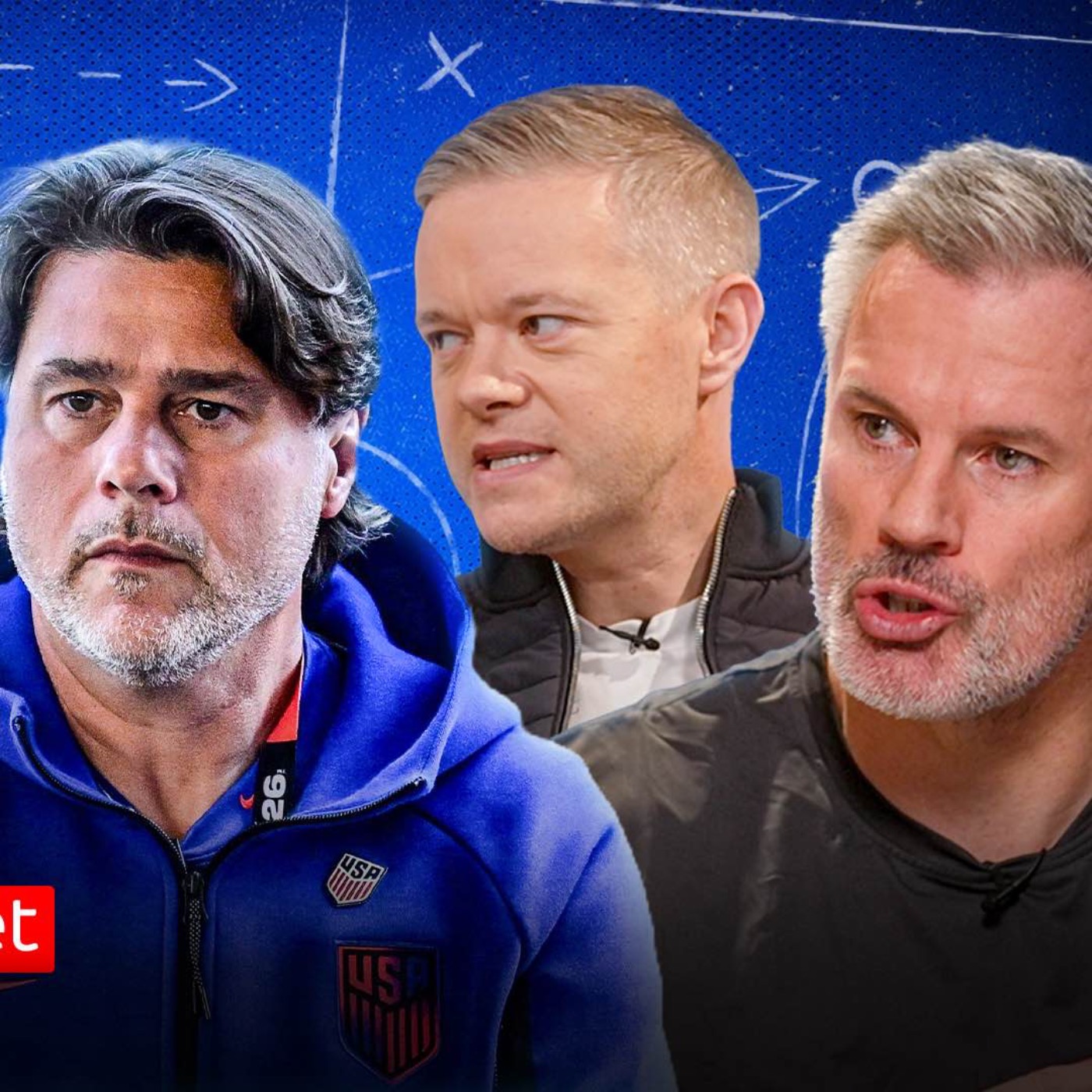


In this episode of The Overlap, Gary Neville meets Sir Keir Starmer, the leader of the Labour Party, in the picturesque Lake District. The discussion revolves around personal stories, insights into their backgrounds, and a deeper look into the political landscape ahead of the upcoming general election on July 4th.
Written by AI. May contain mistakes.

Get the gist, explore an idea or ask about something said.
 Claude
On Overlap Daily, what are the key points of this episode?
Searching your listeningAutomatic transcript. May contain errors.
0:00The market's uncertain. Revenue's tied and hiring on hold. That's why results-driven companies are using Upwork to keep work moving. Go to Upwork.com today and start hiring proven freelance talent fast. No bulky overhead. No rigid long-term contracts. Just the right expert right when you need them. Work smarter and faster with Upwork. Go to Upwork.com now and find your freelance expert. That's U-P-W-O-R-K.com. Post a job for free and get started today.
0:41How are you? Good, how are you? Are we good? Thanks for doing this, then. No, no problem at all. It's great to see you in there. Do you know this part of the world at all? No. How did you find this place? So my parents brought us here every single year when we were growing up. They loved the Lake Districts. They went on a honeymoon there. And so I've been here so many times. And this, we were literally over there. I think we were going to walk around to where we were. And then we can't see them yet. The Langdale Pikes are my mum's favourite mountains. It's beautiful. So you spent most of your actual childhood there as a kid?
1:10Every year. How long for? Two weeks. Oh, wow. Same cottage with mum and dad. So walking, basically. Yeah, I mean, that is the... It's obviously beautiful, but as you probably know, my mum was really ill. Yeah. So she had this Stills disease when she was 11. What is Stills disease? It's like very aggressive juvenile arthritis. Right. that attacks your joints so you can't use them. Right. And so she was told, age 11, you're not going to walk by the time you're 20, you're not going to have children by the time you're 20. Then they discovered this steroid drug for the first cortisone when she was a teenager.
1:47That's the thing the footballers have, I think, actually. So she was the first person that said, do you want to try it? She said, I'll try it. And it made sure she could walk for another 10 years, 15 years. She could have kids. but then it's like very strong steroids. In the end, she lost her leg. She had to have her leg amputated because she fell and it would never recover. And in the end, the very, very end, she was in a wheelchair for quite a while, the very end, she couldn't get out of bed, couldn't eat. It was so normal for us that Mum was ill. You know, she'd take drugs every day for various ailments, couldn't walk, everything was built around what she could do.
2:25But I didn't really think about that at the time. It was only when I was 13. Yeah. And I was suddenly told she's not going to make it. I mean, she did make it in the end. Yeah. But, I mean, that must have had such an impact on your child, being told that at that age. Because it is young, that, to have to hear that message. It is. It is. And also, because Mum was... You never quite knew when she was going to be really ill, and if she had to go to hospital, it was always a very bad situation. My dad sort of devoted himself to her. What was your relationship like with your dad? Because I was reading last week that you said it was one of your biggest regrets, was the relationship with your dad and then the lack of communication at the end when he was about to pass.
3:03So it was quite distant. He wasn't emotional with me at all, so I can't even remember the last time he hugged me. It probably was a child, but certainly not... Even then, I can't remember. So quite distant and never really told me he was proud of me, that sort of thing. No praise. Sounds like Sir Alex. It was partly because my brother had difficulties with learning. He didn't have learning difficulties. And my dad was really, really determined. He said, you know, we're all equal here. There was this unspoken thing where I knew the relationship wasn't right. Or at least I wanted to tell him I loved him and I was proud of him.
3:44He probably wanted to say the same to me. But you never did. But we never did. And the reason I regret it is I now realise he was never going to do that. but I could have done. I had realised by then I needed to do it, but I didn't do it. Is that the point that gets you there? Yeah. The last time I saw him in hospital, I walked away and I didn't say it. And I do regret that. Do you know why you didn't say it? It just felt too big a barrier. But I wish I had, I wish I had, because, you know, going back to what you said earlier, people say, you know, what drives you, how do you make decisions, what kind of a person are you?
4:25Only in retrospect do I realise the impact my mum had on me and this sense I have of, if I've got to make a difficult decision, I think about my mum and her absolutely sheer determination. I'm going to get back up, I'm going to have kids, I don't care what the pain is. And she would never moan, she'd be in real pain. You'd say, how are you, mum? I'm all right, how are you? So this sort of stoic determination she had, I now realise that I've got that as well, hardwired into me. But also, my dad, one, the commitment and loyalty that he showed to my mum. Yeah. But also, he felt, cos he worked in a factory, he felt that people looked down on him and he felt disrespected.
5:07And that made him recoil. He didn't like having people round. What was the one thing that your dad said to you that you would draw upon now? He would say, very working-class thing, you've got to get on in life. get yourself a steady job, get yourself a decent income. No-one's going to hand you anything on a plate, I think. No, no-one's going to hand you anything, so you've got to work for it. What would be the one thing that your mum said to you that you think you would call upon most? She would just say, you know, get up and go for it. And what she meant by that was, you know, whatever happens, whatever the challenge is, just keep going.
5:45Yeah. Just keep going. It's what she did with her life, just keep going. Well, it's interesting that, so, when I was playing football, if I was having a bad moment, and even now in my life, so Sir Alex Ferguson used to draw upon something, you'd tap into something inside you. And he mentioned in one of his team talks one day, think about your grandparents, they used to get up every single day, they used to put a shirt, you know, your granddad would put a tie on, the standards that they had, they'd worked for 50 years non-stop. And my grandfather was in the Second World War, and I used to speak to him, I used to talk to him, I used to see his medals.
6:20And then when I was having a bad moment in a game, I'd actually think of my grandad and thinking, I've got to get on with this because that's a bad moment. I did the D-Day in Normandy and I found that really, really moving and humbling. I just went down towards the beach and just stood there and thought, what must it have been like for a 17 or 18-year-old boy? Because there were boys running up into gunfire. This was a peaceful day, but imagine the smoke, the guns, the noise, I was really humbled. I was really humbled. And also put everything in perspective, because we're in the middle of a busy election campaign, and you're thinking, a lot to do every day.
6:56And then I just thought, hmm. Yeah. I mean, it's about grounding, about resetting yourself to sort of not get carried away. Yeah, yeah. But I think that's really... You do have to have grounding, you have to have anchors, you have to have things that you reach for. Yeah. So I reach for this courage, this sort of determination to run towards challenges, but also hang on to that respect issue. You know, if you lose that respect, then you've lost an anchor. Yeah. Having those anchors has really helped me. Yeah. You come, you come. No problem. That's all right, don't you worry. Are you on the DfE as well?
7:32Are you enjoying it? Yeah, it's great. Been tough. Yeah. Where did you wild camp? Er, nowhere. Do you know around here? Do you know... Not very well, no. That's Langdale Pikes, and then there's a lake just in there... We camped by Langstrath, but... So, probably about there. If you look a bit further over, you'll see Scarfell there. Yeah. Which is the highest mountain in England. So, yeah, we went to Trangle Tarn, and then... And then turned right. We turned back down here. Yeah. Went over those footbridges, camped about here where it says Langstrath, actually. It's beautiful up there, isn't it?
8:02Yeah. Are you wilting? Slightly. Slightly. Don't give in. Whatever you do, don't give in. Just think of that warm bath tomorrow night. Let's... When you get home. I'll do a selfie with you all, with Kieran as well. Are we in there? Are you in? Yeah. Are you all in? Is everyone in there? Yeah, they are. I think so. There we go. See you later. Well done. Nice to see you. Thank you. I much prefer being out and about. Yeah. It's much better than being in Parliament. And also just asking people what matters to you. You're actually in a position now whereby you could, in a few weeks, be in the top position in the country.
8:37How has that happened? Because you only came into politics nine years ago. Well, a lot has happened in that time. We've been through a lot of turmoil. We lost our way as a party under Jeremy Corbyn. We got too far away from our base, too out of kilter, if you like, with working people and what they really care about. We had to change all that, bring the party back, change it and put itself in a position to win an election. For me, it's been about duty. I mean, this is something I say when I go to primary schools, and I really, really mean this. I didn't think that someone like me would even be an MP.
9:10Yeah. Because that's not for someone like me. That isn't the sort of thing that someone from my family would go into. The one thing I say to children is, that voice, don't let it be there. Yeah. You know, don't think there are some things you can't do. I didn't plan to come in and be an MP nine years ago until sort of relatively soon before I did. When I came in in 2015, I certainly didn't think I was going to leave the Labour Party, still less being an election campaign now as a candidate for prime minister. Yeah, but you were in a comfortable position. You're obviously earning probably quite a bit...
9:43My experience with lawyers is you've earned quite a little bit of money and you've probably reduced pay, more scrutiny, more hassle, less freedom. Yeah, yeah. You've been talking to Vic. I have. Why has he done this? When I finished being director of public prosecutions and the question was, what are you going to do next? and I was thinking, right, I'm going to go into politics because I want to make a difference. I just had this driving sense of purpose. I knew that I wanted to make a difference and it wasn't going to be possible to do it if I didn't go into politics. And then a bit of a mum took over, which is right, in which case...
10:19Go for it. You go for it and you go for it all the way. I don't want to be a politician who was just in opposition, which is why we need to get this over the line. So we go back to 2019 and the Labour Party have been absolutely decimated. The worst result for the Labour Party since 1935 and then you win a leadership election for the party early 2020. What happens then? What's the first thing that you have to do to change this party that's had this terrible result? I did something that I think is underrated in leadership. I listened. I listened to what the electorate told us. We'd lost, that was, as you say, the worst result since 1935.
11:00The Labour Party had lost four elections in a row. Many people were saying Labour's never going to win power again. And my instinct was to say, we don't blame the voters for this. They didn't vote for us. You don't go back to the voter and say, what on earth do you think you were doing? You look at your own party good and hard in the mirror and say, you've got to change as a party. and that helped me with the leadership campaign and then on day one of the leadership, I set about change. You're tapping in there to the culture, I suppose, aren't you, in the organisation and sort of how your management...
11:37When you came into the Labour Party as leader, you were obviously in there before, but what did you think... How did you feel that the culture needed changing? You'll know this, particularly with football and teams, culture is the hardest bit. You can practise your corners, your free kicks, your technical stuff. The culture of an organisation is the hardest thing. One of the guiding principles, in our case, country first, party second, so that was a choice for staff. Are you making this decision based on what matters to the country or are you making this based on what you think is going to matter to the party?
12:06For the second, I'm not interested. You've changed the Labour Party. How do you drive that cultural change into government if you are elected Prime Minister? First, you've got to have a clear sense of what is it you're trying to say. I want in five or ten years this to be a better country. Living standards are better. People feel their schools are better, their hospitals are better. They've got a better chance in life. You know, the infrastructure is better, that we've got, you know, a real plan for energy of the future. These big changes that, you know, if we get it right, you'll be able to look back on and say, that really did change the country.
12:41But there's another bit which I haven't... Which I do think is really important, and perhaps we haven't emphasised it enough, which is a mindset change when it comes to culture. I think politics has been too much about self-entitlement and self-importance. We saw that with some of the recent leaders. The country are desperately disappointed, just generally, in politicians. They quite often use language like, they're all the same, two cheeks are the same backside, they're liars. How do you change that? Because that is something that's been set now for quite a few years. Action, not words. I don't think people are going to believe that politics has changed until they see it has changed.
13:23The first thing is returning politics to service. It's a public service. You're here to serve the country. Are you ruthless? I would Sam Steely. Other people say ruthless. I'm absolutely determined to get to where we need to get to. And whatever decisions are needed to get there, I will take. I'm thinking about the end goal of the millions of people who will be better served if we've got a party that's capable of winning an election. So I'm not sort of out to do anyone down or anything like that, but if there's an obstacle to us becoming a party that can win an election, then my job is to get that obstacle out of the way.
14:06Does that make sense? In other words, it's not a sort of ruthlessness for the sake of being ruthless. It's a ruthlessness because I know that I'm not going to be able to achieve for other people what I need to achieve if I don't deal with this right here. I have this strong feeling that the Prime Minister of this country is the CEO of the business of Great Britain. And there are some basics that actually you have to deliver or Rishi Sunak has to deliver. And those basics for me, and I want to give you 45 seconds to answer each one, which you won't lie at this part. It's my quick-fire question.
14:41But don't normally... You normally get a yes or a no, but I'm giving you more than a yes or no. So the first one is, Rishi Sunak said, and I think you've just alluded to it, when he came in as Prime Minister that he was going to restore integrity. How do you restore integrity, and what do you say to what he said back then about integrity? I like what he said, but he didn't deliver it. And that makes it even worse, because there's nothing worse in politics than saying you're going to do something and not doing it. And the way to change that, I think, and we've started already, is going into this election, I'm telling voters what we're not going to be able to do, because I think that's the only...
15:14I'm not prepared to promise something that I don't think we can deliver. That's where it starts. The only way with integrity is to demonstrate it day after day after day. Housing. We need more homes. Everyone should have a good roof over their head. We want to deliver 1.5 million houses, because this is so important, a roof over your head. When I was growing up, we didn't have a lot. Dad worked in a factory, Mum was a nurse, couldn't always pay the bills, but we owned our own house. And it was a base camp. How do we get back to that? Base camp. We've got to build houses. We've got to build houses.
15:44One and a half million. We've got to drive this through. Education. Every child needs hope, opportunities, belief and a brilliant education. Our schools are suffering, our teachers are suffering. What are you going to do? First thing I'm going to do is recruit 6 ,500 new teachers to our state secondary schools in core subjects like maths. Too many of our children in state secretaries are being taught maths by a PE teacher or a supply teacher because there's not enough maths teachers. That's not a one-year problem. For that child, they're living with it for the rest of their lives. So that's the first thing we've got to do.
16:20Second thing, I think more broadly, we've got to broaden the curriculum so young people are being taught the skills they need for life and the jobs they're actually going to do. I'd add one more thing, which is confidence. I'm very keen on this confident speaking. children being able to feel confident in a conversation, in an interview, presenting themselves, putting an argument forward. So there's a lot that we need to do there. Jobs, high-skilled jobs, well-paid jobs. Yeah, we need a growth plan for every area. So if you take Greater Manchester, I would expect Greater Manchester to have a growth plan, working with local businesses, working with the mayor, the government putting their shoulders to the wheel to ensure that everywhere we've got a growth plan for every single place.
17:05And places will do different things. They won't all do the same thing. And the government's job is to make sure we knock those obstacles out of the way and ensure that we do get those well-paid jobs of the future. Energy, and particularly people's cost of their bills, is astronomical. It's through the roof, and this is for individuals and families who've been really up against it, and businesses. Most of the businesses, and I've just got this, who I talk to, I ask them, well, the challenge is, they will say, our energy costs are too high. Great British Energy is my answer, a publicly owned company that will generate energy and pull in the private sector alongside it.
17:41And what it gives you, firstly, it's owned by the taxpayer and therefore makes money for the taxpayer, which, you know, I think if you're investing taxpayers' money, they should be getting a yield for it. But also it means the bills are lower because renewables is cheaper. it stabilizes energy. We buy off the international market at the moment, which means that...
18:25and find your freelance expert. That's upwork.com. Post a job for free and get started today. Putin puts his boot effectively on our throat as we've felt to our pain over the last year or two. But it's also the next generation of jobs that comes with it. One of the big battlegrounds is immigration. What is Labour's policy on immigration and how are you going to deal with it? We will set up our Border Security Command, which is a new command. bringing together law enforcement and police so we can operate in other countries or with other countries and take these gangs down. Now, when I was chief prosecutor for five years, we were running operations in relation to terrorism and drugs and guns, and terrorist gangs were operating across Europe.
19:14And we shared intelligence, we shared data, we shared strategy, and we took those gangs down. I do not accept that the only gangs that it's apparently impossible to take down are the gangs that are smuggling people. On lawful immigration, you know, people coming here to work, we've got to look at what the key driver is. And one of the reasons it's so high at the moment is because many businesses say, I can't get the skills I need here. And we haven't had a skills strategy in place for a very, very long time. Sorry, a gate crashing your walk. Oh, don't worry. How are you? How are you? Gary Neville.
19:48I'm sure, hi. You OK? You good? Yeah, good, thank you. It's Shelley's birthday today. Oh, is it? Happy birthday. Is this your birthday treat? This is my birthday treat, my birthday walk. We were up on the top of... not this one, a bit further on. Was it Crinkle Crags, just on the left here? No, we were up... It was just next to Little Langdale, wasn't it? We weren't on Crinkle Crags. Around the back, Little Langdale's around the back of this one. Where are you from? Harrogate. You're a Leeds fan. Man U. Hiya! Oh, there we go! This has gone mad! You go and enjoy your birthday. Well done. Would you mind?
20:22Yeah, well done. Of course. Look here, where you come? Who's the arse of that? Me. Oh, look at that! There you go. We couldn't have staged that better. Good stuff. Good, good, good. Enjoy the rest of your war. Take care. See you later. Bye-bye now. Bye-bye. The next big question is, it's something that relates actually to my childhood and my parents. How do you really comfort people on tax? Because that is the biggest challenge to any Labour government. You can't manage the economy. It went through my childhood, from my grandparents, who obviously had a small business when Labour put taxes up.
20:55And it's something that's maintained its sort of, if you like, theory since. And the Labour Party have suffered because of their reputation on economy and tax. How do you really get that message home? I think you're tapping into something really important here, and this is among the reasons we changed the Labour Party. In order to win an election, you have to show people that you understand what a secure economy means, that secure defence means, secure borders means, and that means being able to run the economy in a way which people can say, I can trust you with the economy. It's one of the reasons I appointed Rachel Reeves to the role of Chancellor, because she's obviously got Bank of England experience and she's got sort of iron rules as Rachel.
21:43She will not sign off anything unless it's fully custed and fully funded. and getting that message across that we will not be increasing your taxes, we'll be very clear about income tax, about national insurance, VAT, is important because, as you say, it's a sort of base camp for all political parties, I think Labour in particular. You've got to show, I understand it really matters, that we can get people to say, I trust you on the economy, I trust you on defence and I trust you on the borders. But that 16%, 17 % of voters that haven't made their mind up yet, which will determine a large part of this election, Where do you see your risk in that group?
22:19So, I think you're right to say there's a group of people still looking at us who are saying, you know, I'm a bit more open-minded than I was, but I still need to be sure, I need to be persuaded. I think, firstly, I'd say look at the change that we've done in the Labour Party. Look at the way we've set out and costed everything we're going to do. But something else which is important to me personally, which is I'm going to tell those voters before the election what I'm not going to be able to do. So I'm not trying to win over voters by saying, anything you want, I'll put it in my wheelbarrow and we can go down the road.
22:53That is a big mistake in politics. Even though on the face of it, it might look like this is a good thing to be done and probably does need to be done in the fullness of time. But we're not going to be doing it until I'm satisfied it can be paid for. And that means tough choices. It means just not doing some of the things that people say, I really think you ought to do this. So I'd much, much rather say to people, this is what I can't do. That figure, that£2 ,094, which Rishi Sunak peddled out about 400 times, it felt like in that leaders' debate some weeks ago now, how do you answer that question of that£2 ,094?
23:27Because it will keep getting rammed down your throat, like the£350 million on the side of the bus. It's a lie. And that's the most important thing to appreciate. It's a made-up number, Yeah, so... And the Prime Minister was warned, do not say this is independent Treasury analysis, because it's not. What did he say? It's independent Treasury analysis. Did it take a lot for you to call him a liar? I mean, I suspect it would take a lot for you to call a serving Prime Minister a liar. Yeah, and I don't go round calling people liars. It's just not the way I do politics. And he is the Prime Minister of the United Kingdom.
24:03You know, that ought to be someone that, you know, most of us, by and large, would respect. and want to think wouldn't lie. But it was important to me to say that because he was lying. For a serving Prime Minister to do that is a very low place for politics. Is it possible then to describe what will actually go up under Labour in respect of taxes, if anything different to the Conservative Party? Yes. So there are a number of areas where we are obviously going to be different. the first is on the non-DOM tax status they have adjusted it but not got rid of it completely we will get rid of it completely if you're living in this country you should be making it your home you should be paying your tax in this country even if you're very rich in my view there's a private equity loophole in the tax system which allows again very rich people to avoid paying income tax and to pay their tax in a number of different ways we're going to close that The VAT tax break for private schools will have to go, which is a tough one, that, in order to pay for the teachers that we need in our secondary schools and the childcare that we want to roll out.
25:17And then the final one is an extension of the windfall tax and all of the gas companies are making a fortune and using that money to invest back in renewable energy so that people can see their bills coming down. All of our plans have with it the costings for the plan. What's it going to cost? Where's the money coming from? So you can see, right, this is the full cost of everything we say we're going to do, and this is where we say we're going to get the money from. But I'm not going to pretend that it's going to be easy. It's really tough. The economy is in a bad place. And one of my biggest frustrations in politics is what I call sticking plaster politics, which is where you know that the fundamentals have to be fixed.
25:56But because you're so focused on the short term as a politician, you don't fix the fundamentals. You just put a sticking plaster on. It's a bit like what you were saying earlier about everything happened to be in 45 seconds. It's more complicated than that. And people say, oh, that's too tedious, it's too boring. But actually the hard yards of doing the long-term change is what's going to make the difference. You can't just do everything in the first five minutes. And pretending that you can, I think, is insulting to the electorate. People know, it's like, what's a good example? It's when your washing machine's on its last legs.
26:30and you can give it a kick and a wobble and probably keep it going for a few more weeks, but you know in your heart of hearts we're going to have to get a new one. And we're at that stage with the country now. We've got to renew. I'd like to think that, you know, Manchester United play against Arsenal, you use your team as an example, and we're not friends, but there is a respect there that actually we know that they're a very good, that they're a good team, that we fight against each other, but at the end of the game we shake hands. is that similar to... Do you have any respect at all for the Conservative Party?
27:05There's so much division, there's so much animosity. You and Rishi Sunak in these debates, you genuinely look like you don't like each other. I mean, I get that a little bit, but there should be, like, some sort of respect there, shouldn't there? Yeah, so that's the sort of white heat of the battle in those debates, or PMQs would be another example, where you're testing ideas with this sort of white heat approach. Do you like him? I don't know him particularly well, but I respect him. You won't go for a pint with him? No, I won't go for a pint with him. But I don't dislike him. But I don't want to avoid your question, because I think it's a really important one in politics.
27:43I'm not overly tribal. I don't wake up thinking only one political party has all the answers to every question, and other political parties have none, because that's not how life is. and I genuinely think that whichever way people vote, the vast majority of people in this country are pretty reasonable, pretty tolerant. They're pretty live and let live, actually, and they'd much rather sort of come together around something than to be tribal about it. And what I've said by way of description of what would we do if we were able to come into government is a decade of national renewal. A decade is because it's going to take time.
28:25renewal because it's fixing the fundamentals but the national bit's really important because what I'm saying there to all voters Labour but Conservative as well which is if you think that improving your lot your community's lot, your country's lot and improving our country is a project that you would want to get behind then this is a national project which you can be part of even if you don't vote Labour or haven't traditionally voted Labour and I think a lot of people will say, I can get behind that if it's invitational and it's national and it's going to help our country and move our country forward.
29:03Almost, I always got this thing about politics should tread more lightly on people's lives. I mean, that's the one big risk, I suppose, that people, the issues that people mention that you have to convince is around the economy. The second is you, as a leader, you know that. You obviously are hoping that people can believe you in your leadership. I was called boring for many years as a football player, and you're referred to as boring. How would you rid yourself of that tag? Because I actually quite like it, personally, because it means that people can just keep their, if you like, camera lenses off me, but you can't afford to.
29:40You're going to have cameras on you every minute of the day. Yeah, well, I think there are a couple of ways of dealing with that. One is to say that if the opposite of boring is what we've had in the last five years, where we've had one prime minister leave politics because he lied to Parliament and parted whilst other people obeyed the Covid rules. We've had the next prime minister leave because she crashed the economy, people paying their mortgages still much higher. And now you've got Rishi Sunak, who is resorting to lying. If that's exciting, I don't think that's what people want anymore because they're paying the price for that.
30:21People whose mortgages are still going through the roof. So that's the first one. The second answer is I'm not auditioning to run a circus. I'm auditioning to run the country. That is a pretty serious... It's a bit of a circus, Westminster. Well, but it is... I'm auditioning to be the Prime Minister of the United Kingdom to run the country and to improve it. That's a really serious undertaking, a really serious job that needs to be taken seriously. And I don't apologise for being serious, because if a government isn't serious and doesn't think through what it's doing and hasn't actually done the background work and got that clear vision, this is what we're going to achieve, this is how we're going to do it, then it's people up and down the country that are going to pay the price for that.
31:04So, you know, I am absolutely serious about running the country better, improving the country. In the same way, I was serious about changing the Labour Party. You just have to tell a few jokes along the way. Tell a few jokes along the way, yeah. These two people, sorry. Hey, how are we? We're just deep in conversation. Oh, nice to see you. How are you? How are you doing? The security's for you. How are you doing? You all right? Very well, thank you. Are you just having a little holiday? Yeah, we just started from the Peak District. Oh, well, one lovely place. These two mountains here, you can see them both now, that's the Langdale Pikes.
31:35It's my late mum's favourite mountains. And also his. Mine as well. Is it? Yeah. I'm up here a lot. Yeah, so we came here every year when I was a kid. Whilst I was getting the donkey ride down Blackpool Beach, you were all wandering up mountains and getting fit. Yeah. Well, a different kind of... You're the donkey rider, aren't you? I'm the donkey rider, aren't you? But it is amazing. And you can just smell it as well, can't you? It's beautiful. Are you here just for a few days? Yes. Nice one, nice one. Good, good. Enjoy. Thank you for taking time out to... Good luck. Enjoy your pint in the dungeon, Bill.
32:07And you certainly got my vote. Don't spot anyone. Don't even like football. Thank you. See you later. Cheers, guys. Enjoy your day. Thank you. Where are we up to? What the British people really want to know is what is going to change day one. First, obviously, stabilise the economy. We have to get that back under control. Secondly, you know, making sure that we're bringing down the waiting list, 40 ,000 appointments each and every week. That's two million a year extra. Bring down that waiting list. We can do that straight away. What straight away that will happen? Straight away. The border security command, that can happen.
32:43We can start on that on day one. This is the command that will smash the gangs that are running the vile trade of putting people in boats across the channel. Step four, set up Great British Energy. We can do that from the start. A publicly owned company generating renewable energy owned by the taxpayer, making money for the taxpayer, making sure we're dealing with antisocial behaviour. 13 ,000 neighbourhood police. We can start on that project straight away. and the other thing we can start straight away, day one, sleeves rolled up, is recruiting the 6 ,500 teachers we need in our secondary schools, particularly in core subjects like maths.
33:21Now, they're the first steps, they're not the only thing by a long stretch, but what the public, I think, want to know is, have you got an ambition and are you going to change the big stuff? Are you going to start straight away? Because if you're on a waiting list, you do need to know the health service is going to be there in five or ten years' time functioning properly, but you also need to know, am I getting my appointment done? If your knees or your hips or whatever it may be, you're waiting for an appointment. If you've got a kid in a secondary school, you want them to have the right teacher straight away.
33:49If your bills are too high, you want to know something's being done straight away. So it'll be very much... How do I describe this? Purpose-driven, single-minded, sleeves rolled up. The one thing I sort of detest in politics more than anything is people who beautifully describe a problem and give fantastically eloquent speeches and do nothing to fix the problem. I don't walk around problems. I say, right, this is the problem, this is the issue, this is the fix, and we're going to do it. You've got a team already working on that day one preparation four months out? Yep. I said, I don't want you having a conversation on day one.
34:28So they're working with civil servants and with people in government in sort of that position now? Well, there's a limit of what we can do with civil servants, but in the energy sector, we're talking to all the leaders in the energy sector, we're talking to some of the investors that we want up with us and across the health sector as well and with schools, already had the discussions with the health staff about what we want to do. So this was months ago, I said to the team, I basically said to my team, I need you to deliver for me, so you need to be ready to deliver from the get-go. And so that's the footing I've had them on.
34:58I just want to cut across here because this place is pretty special too, isn't it? This is amazing, yeah. So this is... I've been here so many times. This is where you used to come? So the Starmer family used to come up here in our saloon car, me, my brothers... What car did you have? We had a Ford Cortina to start with. My dad had one of those. Yeah, so sort of saloon Ford cars. Be four kids, my mum and dad, four dogs... Luggage on the roof. Where were you sat in the middle of the back? On the side. On the side. Yeah, with my younger brother and sister between us. If your mum and dad were here now, in these cottages, what would they be saying to you?
35:39They'd be having a real moment, and so am I, actually. If she was back here now and I was in a race to be a candidate for the Prime Minister of the country, they'd be really proud. It'd be a real incredible moment. It really would. That sounds like a brilliant place to finish. Thank you. All the best to you, Keir. Thank you.
36:01Thank you.
Hosted on Acast. See acast.com/privacy for more information.