
 Ask ChatGPT

 Overlap Daily
18 May 2026 · 1h 19m · 32 chapters

Will Still discusses his rapid rise from video analysis to elite coaching, his coaching philosophy (vertical, direct football with “charge and react”), and the role of luck/variance in results. He recounts key career moments: Southampton’s struggles and his “regret,” Reims’ caretaker-to-full-time turnaround, and tactical approaches in Ligue 1 including games vs PSG with Messi, Neymar, Mbappé, and Ramos.
The episode is hosted by The Overlap Breakdown panel (no guest names appear in the provided transcript beyond Will Still). Will Still is the main interviewee.
Written by AI. May contain mistakes.
Will reflects on a challenging moment in his career.
“The players go to the board and say, Will's got to stay.”
Will discusses his journey from aspiring footballer to coach.
“And we are now going to speak about your career from back to front.”
Will explains the role of video analysis in his coaching development.
“And MySco just kind of opened my eyes up to what was possible, you know, to do within the world of football.”
Will discusses the advantages of being a young coach and connecting with players.
“Enjoyed it, but it's completely different.”
Will describes the differences between Belgian and English football cultures.
“It's the, it's the cultural element of it.”
Will shares his experiences with imposter syndrome as a young head coach.
“I was like, I could not imagine doing that at my age now.”
Will recounts his early challenges and surprising successes as a coach.
“But, you know, I was kind of dead honest about it with the players.”
Discussion on the unpredictability of football results and team performance.
“Every other week you play against some massive club, whether that be Marseille, Piercy, Monaco.”
Will talks about the challenges and pressures of managing in Ligue 1.
“And you kind of think, but people always come up to you after and say, oh, but Will, don't worry.”
Discover Will Still's journey transitioning from assistant coach to head coach at Reims.
“the managers, the players that were knocking about there, was that almost like, well, this is, how did you take that jump, that jump to the next?”
Explore the pressures and dynamics of coaching a struggling team.
“I was going to ask you, obviously, about it all.”
Learn how Will Still developed his coaching philosophy based on experiences.
“So I've got a feeling for what I liked and what I enjoyed seeing because I always do that as a supporter.”
Hear Will's views on different football philosophies and their appeal as a fan.
“The set up first, because I'd never have imagined a Spanish coach to play a 3-5-2.”
Understand the impact of working in football on personal fanhood and identity.
“Does that mean your idea of football, I've always said this for a long, long time.”
The discussion delves into the emotional connection and evolving identity of West Ham United.
“and I really thought, oh yeah, that looks like a team that I'd want to support, I'd want to be part of.”
The speaker shares insights on adapting tactics and the mindset required to compete against top teams like PSG.
“But I think West Ham, and everyone says, you've got to play the West Ham way.”
A focus on how belief and confidence play critical roles in achieving success against formidable opponents.
“And there's that kind of tactical and technical level that you have to get right.”
The conversation reflects on the impact of an unbeaten streak and the lessons learned from a subsequent loss.
“So Kamri Dumbia plays the ball through centre-hours, Ballo's through on goal and then time just kind of stopped.”
Insights are shared on the importance of team dynamics, recruitment, and creating a winning environment.
“you know, in a place that we want to be at.”
Learn how strategic player acquisitions shaped a football team and the challenges faced during transitions.
Discover the tactical adjustments made during a challenging season in a new club environment.
“I remember you playing 4-2-3-1 and then a 5-back and then a 3-back.”
Understand how a coach adapted to significant player departures and a struggling team dynamic.
“And it will annoy Haas as well because they have no idea we're going to do it.”
Explore the hidden talents and competitiveness of Ligue 1, often overlooked in football discussions.
“And the last chapter was a lot shorter than I'd hoped it would be, but I just felt on a human level and perspective that's what I needed to do.”
Gain insight into the cultural and language challenges faced when transitioning to coaching roles abroad.
“But the English language that we used is very kind of family-based.”
Learn about the challenges and regrets of managing a football team in a different culture.
“And I've never been in a situation where I've had to talk to the press or where I've had to talk to a group of young men just because I've never been exposed to that.”
Explore how media perceptions can differ greatly across cultures and affect personal identity.
“Because over here in England, I came across as a nice guy.”
Delve into the complexities faced by modern football managers amid injuries and team dynamics.
“And, you know, sadly the world that we live in today, social media and people's opinions has become so important.”
Discover how managers must adapt their playing style based on player capabilities and situations.
“I wanted to move on into just some additional questions that I've always wanted to ask, especially a modern manager, about just in general when it comes to football.”
Understand the importance of taking a break for self-reflection and growth in a football career.
“You said you've not really done much over the last six months in terms of obviously football management.”
Exploration of personal and professional growth during a career pause.
“I've commentated on the Champions League, which I've been really lucky to do with the Belgian TV.”
Discussion on the changing tactical trends in football and their implications.
“I think that's very true and I think when people look at, I've already mentioned him on this podcast, but I think when people look at Cherky they almost see him as the complete opposite of the way the game's going.”
Insights on effective football teams and their styles of play.
“I think it is going to be quite interesting in the six months who's the best team you've watched yeah there are a lot yeah There are an awful lot of teams.”

Get the gist, explore an idea or ask about something said.
 Claude
On Overlap Daily, what are the key points of this episode?
Searching your listeningAutomatic transcript. May contain errors.
0:00The players go to the board and say, Will's got to stay. I almost felt like a foreigner walking into that environment. Even now it makes no sense. That's what happened. It's like this really heavy poof. And I remember us all looking at each other and going, couldn't watch it. Hated it. Absolutely hated it. Didn't want to watch it. Didn't want to talk about it. Just leave me alone. It's really hard, obviously, to touch on. It's like Southampton where you just don't get the time. I made mistakes. I'll hold my hand up every day to that. Without further ado, welcome to the Overlap Breakdown. It's a pleasure to have you on.
0:34One of the most, as we've just spoken about, one of the most unique journeys I've ever seen in sort of football, modern football. At one point, you were the youngest manager in Europe's top five divisions at 30 years old. And we are now going to speak about your career from back to front. And yeah, it's absolutely amazing what you've done. I would like to touch on, so we did Steve McLaren a couple of weeks ago, and I'd love to start it in a similar way. And I think I said something about Steve McLaren, and it's even more apparent to you considering you got in it so early. If I could ask you, why coaching?
1:09Because it was the closest thing to being a footballer. And it allowed me to work within the professional game of football. But I'll be honest, the first kind of ambition wasn't to be a coach or a manager or whatever. all through my kind of youth up until I was about 16, 17, I was like, I'm going to be a professional footballer. One day I'll make an impression of footballer. And then, you know, when you're about 16, 17, kind of reality kicks in, you know, maybe that's going to be tricky. And when I was in my last year of school in Belgium, I had that uncomfortable conversation of, you know, what's next?
1:55What am I going to do? My mum was kind of very sort of scholar and disciplined. It was like, oh, you know, you need to find yourself a proper job and go down that university course and whatever. And I was like, I can't be arsed. It's not for me. And I actually started physiotherapy. But I gave up after like three months because I just never went to lessons. It just didn't bother me that much. I sat down with my dad and it was like, you know, surely someone somewhere must teach football, there must be a football course. Whatever, you know, kind of end of the spectrum you go to, there must be something there.
2:45And Google is all our friends and it helped me to find MySco College. Yeah. And MySco just kind of opened my eyes up to what was possible, you know, to do within the world of football. and the video analysis was a part of that and I'd kind of seen not a hole in the market but Belgium wasn't kind of developed in the same way that English football was at that stage it was like I'm going to take this go back to Belgium I'll knock on any club's door and they'll let me in got that wrong because obviously it wasn't that easy and just thought you know video analysis is kind of the way in is the the kind of door that will open at some point luckily it did um and kind of went from there and then it's it's that pathway from going from video analysts to an assistant coach yeah to a coach um that was made easy by the people that i was working with um because you know i had a kind of knowledge of football like everyone does um but the coaches that i worked really kind of set me up I'd take a rondo I'd take a passing drill and slowly but surely I was on the pitch speaking the same language using the same terms in a footballing way and once I got out on the pitch and was doing these kind of things I was like yeah actually this is what I want to do this is where I want to go I'd coach kids when I was kind of 15, 16.
4:26Enjoyed it, but it's completely different. Yeah. And then, you know, that coaching element and side to it was just like, yeah, actually that's what I really want to do. Yeah. Went from there. Did that help you like being so young? Because I think if you're younger, especially when you go from, so that's the exact thing that we were speaking about before. I was in video analysis, but I couldn't do the jump on the grass. And especially like with being young and like talking to players and stuff I could never get that that balance and I don't know like that was still so hard to me at such a young age but do you think you almost you almost benefited off being a little bit younger 100 % yeah 100 % because I was I was I was kind of relatable to the players I could I could you know I was living in the same world that they were living in I was you know back at that stage I was 21 22 so that was kind of all of their ages so I knew you know socially what they were up to what kind of music they were listening to what you know what was going on in their world um and to be honest i was just a video analyst so i was i was kind of part of them yeah yeah in and about them anyway yeah um and it yeah no it definitely helped yeah and then obviously you went to do went on to do pretty amazing stuff at belgium you know you become the youngest belgian coach at 24 i believe which is absolutely insane obviously in 2014 and in 2015 the club clinched promotion to the Belgian First Division and yeah and then obviously you went to Standard Liège there's a lot of jobs here in Belgium how would you describe you've been talking there before about the Belgium sort of ecosystem in football was there much difference English because obviously you were at Preston was there much completely different completely it's the same sport obviously but but cut on, borrow it, play with TV.
6:22It's the, it's the cultural element of it. Yeah. Belgian culture is completely different to English culture. And I've, I've learned that over the past six months because I had a cultural shock when I came to college because Preston is like, everyone thinks I'm English, but I was actually, I was born in Belgium, raised in Belgium, went to school in French, played most of my life, playing football in Dutch. So I wasn't, you know, I didn't have, I didn't understand banter. I didn't get the English, yeah, sort of basic culture. Obviously, my parents were English and I've got some family here, but it's not the same thing.
7:07And the kind of cultural differences that you see in an everyday life, you also see in a football club. and Belgium is unique. It's such a small country that it's unique. The way the competition works is also... Yeah, incredibly unique. Unique and probably a bit ridiculous. But it was good because it was something that I was comfortable in. I obviously knew the languages, knew the people, knew what it took to kind of work. But I also got incredibly lucky. I should never, ever have been a head coach at 24. That's absolutely insane. No, it's mad, yeah. Like, I'm 24 now. And I was saying to a producer over there, I was like, I could not imagine doing that at my age now.
7:58But, yeah, and it's, you know, it was a second division club in Belgium who, you know, albeit got a few financial difficulties, but sat next to me was Nicky Van Kierke, who's, like, played over 50 games for Belgium. Patrick Nice has played over like 500 games in Belgium's First Division. And I'm sat there thinking, you know, why is the owner turning to me? What's this all about? What am I going to do? Yeah. Do you get a bit of imposter syndrome? Oh, yeah. Do you know what I mean? Like, what am I doing? Oh, yeah. Yeah.
8:31But, you know, I was kind of dead honest about it with the players. You know, I sat down and was like, right, I've been asked to do this. You don't have to agree with it. All I want to do is win a few games. but I need you to win a few games because for the moment we're pretty rubbish, we're at the bottom of the league we're pretty rubbish through no one's fault it's just a kind of circumstances are what they are but we need to get out of it and we need to win a few games and I don't know why, the players just kind of bought into it and we went on a I drew my first game I didn't sleep the night before because I was petrified that we were going to get battered like 10-0 and I'd be the laughing stock we drew the first game at home 1-1 lost the second game 3-2 and then after that those first two games we went on a we won 7 on the trot and then didn't lose for another 3 but I you know I sit in there talking about it and I don't I'm not bragging about it but it's like even now it makes no sense that shit happened because I was doing such like simple basic things with these players and I got lucky a few of the games you know were on a knife edge and the ball hits the post and goes in and you know they miss a set momentum goals etc etc and that's just the way football works and I've now been on the other end of the scale where you try everything and nothing's working.
10:12And you hit the post, you hit the other post, you hit the crossbar, your striker slips, he puts it wide and you kind of think. I was going to talk to you, so I was speaking to a lot of people. And it always feels like when your teams always have a mad variance in terms of the expected points or the chances you're creating and the actual points. And I really wanted, this is probably planned for later, but given what you just said there, I think like, are you always aware of that when you're in there and you go the balance has got to come soon do you know what I mean does it tick you off a little bit it winds me up but it winds me up in a way that I can't actually control it you can do so much work and you can prepare so many things but in last for example last season we were kind of top three for XG created top three for number of chances created number of entries in the opposition box so all the stats were adding up to me kind of thinking it'll be alright, it'll work, at some point it'll work and it did eventually because at Christmas I think we were fourth or fifth in the league we were kind of starting to grow into the team that I wanted it to be and yeah is a difficult competition.
11:36Every other week you play against some massive club, whether that be Marseille, Piercy, Monaco.
11:45I think the start of this season with Southampton, people look at it now and look back on it and say, oh, well, Will, you were 21st in the league and you weren't getting a tune out of the team and this and that. And I was like, I know. I know what it looks like. but there was so much that we were trying to change and that needed changing as well that we needed that little bit of luck for that ball to roll in and not hit the post and go wide or for the keeper to pull off an absolute world be I think the game where it struck me the most was home to Swansea I think we had an XG but over three oh yeah I think I remember this game and we drew nil-nil yeah and it was like we hit the post hit the other post slipped missed from three yards out and I was like it's almost like it's catching up with you when you said you were lucky in Belgium now it's going the other way against you and it's like and it was the most frustrating time of my career obviously yeah because you know ultimately that you have many games later, you are fired.
13:03And you kind of think, but people always come up to you after and say, oh, but Will, don't worry. You know, you should have been third in the table. But you weren't. And that's what I know. I was 21st. And that's what football is. That's what football does to you. And it can be like ridiculously cruel, but on the other hand, it can be unbelievable. Yeah, yeah. I think, yeah, I wanted to sort of rewind and definitely go back to when you first went to Ligue 1 and you took over as caretaker manager and that was one of the most even from like the outside looking when I showed you that video obviously two draws against PSG went unbeaten in I think the first 17 games and you had the longest unbeaten running Ligue 1 that season and you took over so what was what was that like obviously there was a lot more noise than it but the pressure in Ligue 1 and you finished really well that season.
13:59The pressure in Ligue 1 when you go in there, and I remember looking at some of the teams, the managers, the players that were knocking about there, was that almost like, well, this is, how did you take that jump, that jump to the next? You're in Europe's top five leagues, basically. Do you know what I mean? I think the main advantage that I had was that I'd been in Ligue 1 for more or less a year. I'd been assistant, so I knew the teams. I knew our own squad. I kind of understood the club now and where it was going. And it was a similar situation to what I'd known in Belgium where it was the year when Ligue 1 went from 20 teams to 18 teams.
14:43So there were going to be three or four relegated teams. So there was a lot of pressure on teams at the bottom to kind of get it right. and I just remember the start of the season being tricky because we weren't getting the results that we needed and besides that Oscar Garcia who was the head coach his daughter was basically dying as sad as that is to say it was horrible so he wasn't there very often so I was already doing a lot and then the club decided to sack him rightly or wrongly I'm not going to judge on that and they turned to me and said well we've got five games left before the World Cup which was in Qatar that year
15:37there's no plan there's no pressure we don't know where we're going with it yet because we weren't expecting to sack Oscar just try and pick as many points up as you can and we'll see what happens so I'm like okay I'll give it a go cool I'll give it a go our first game is away to Lorient I think yeah terrible game bad just poor we draw we get a draw out of it but in those five games I think we won three and drew two so didn't lose and we'd kind of just managed to create an environment where people actually wanted to be and wanted to come to the club and wanted to train and wanted to pick up points for themselves but also for the team and kind of get out of the not mess but sticky situation that we were in and you know the World Cup comes the players go to the board and say Will's got to stay oh really that's brilliant that's what kind of gave me the confidence to kind of take it take it on full time and really have a go at it so the board come down to me and say you know we're delighted we're unbeaten in five just keep going and I'm like fine great I'll try I've got a pro licence though I've got my A licence so the UEFA yeah because that's all you can that's the highest kind of depot you can get but to get on the pro licence course you've kind of you've got to shift a few mountains before you get there I was speaking to you about this yeah and it's difficult to get on it I got refused by the French Federation on their course so I had to go back to Belgium and do that but yeah every week you're playing against well PSG at that time we've got Messi Neymar Mbappe Ferrati midfields you know Sergio Ramos playing and you kind of playing against top opposition teams every other week but absolutely loved it it was just dream yeah literally it was like being in a dream land and people kind of think oh yeah he absolutely loved the press and the media and the attention that he got didn't no you loved doing the job yeah but I wasn't bothered about the rest and it's this kind of perception from the outside world that you kind of think, yeah, half that story is not true.
18:16No, I know, I know. I was going to ask you, obviously, about it all. I always found, more than the video game stuff, I always found the fine, the best thing about your story. Because I always go like, I can't imagine you in that board and the players have gone up and gone, we need to get him in. And you've gone, yeah, but I'm going to get fined here. Like, how does that even, do they just go, yeah, we're willing to take that risk? To be fair to Reims, I'll forever be grateful for that opportunity. They just said, it's fine. It's as if we'd taken on another player in January. We'll pay it. We can't give you more salary, obviously, because we're paying all of this.
19:05But it doesn't matter. We want the football club to survive in Ligue 1. We want you to keep going. we'll pay it not a problem so until the end of that first season when I took over yeah there must have been about
19:2225 or 26 games left yeah they just paid it and you know it's a lot of confidence oh yeah yeah definitely and everyone kept reminding me of it and it was like yeah I know I'm just trying to do my best but I'm not losing well yeah but I wasn't bragging about it it was just I'm just I'll just try my best and luckily it works out
19:49Because you've done it so young have you actually had time to build a philosophy of what you want to do or is it simply you just get given a group of players and you go what are these good at that I can mould them into do you know what I mean? It's a mix of both because throughout the kind of seven to eight years that I was analyst assistant coach you know I've worked with a lot of coaches, always lucky enough to work with a lot of coaches,
20:15seen almost polar opposites in terms of philosophy and styles. So I've got a feeling for what I liked and what I enjoyed seeing because I always do that as a supporter. What would a supporter want to see? What does he want his team to do? What would I like if I went to the stadium as just a fan? so I kind of you know got a clear more or less a clear picture of what I want to do but also you don't just walk into a team and say right we're doing this this and this if you don't do this then you're out it doesn't work yeah so I you know you kind of module stuff and make it work with the players that you've got and I think the best example of that is again last year in Laus where I'm following a coach that's been there for seven years that's got the team up from Ligue 1 that's played Champions League that's done an unbelievable job but that's built a squad in a 3-4-3 yeah and 3-4-3 isn't a system that I particularly like it's not what I'd go to if I really had the choice but I wasn't going to go into a massive club like Laus and just say right forget all of that 4-4-2 we're doing this it's like nah nah because I've obviously got here Oscar Garcia he's managed in eight different countries worked under Johan Cruyff so his sort of philosophy must have been so different from obviously stuff you've picked up in Belgium oh totally totally different but also I had this before knowing him and working with him I had this kind of fake or false impression that it would be a 4-3-3 it would be a you know very possession based kind of football wasn't at all ended up playing a 5-3-2 pretty low block and working on possession football but in a completely different way than what I'd imagined but again it was just an extra piece of information that I had and that I could fall back on at times When you say it's a completely different imagination of the possession football what do you mean is it like they're going long and then they're recouping and then the play in, do you mean there's different from the keeper?
22:38The set up first, because I'd never have imagined a Spanish coach to play a 3-5-2. Yeah. And it wasn't a 3-5-2, it was a 5-3-2. Oh, so the wing backs are much lower, yeah. Proper defenders. Yeah. And it was how he broke it down. It was, okay, from keeper, we have option one, two and three. Okay. first phase of build up we've got option 1, 2 and 3 middle section of the pitch the patterns are 1, 2 and 3 final third, same thing so we'd always got 3 options or 3 different creative animations that happened but we'd train it for example the day before the game and training the day before the game would last an hour and 45 minutes which is which I was unheard of to me because I'd always been said you know day before the training you make it short sharp and go to the point and this was like a proper session and we'd go from the keeper option one two three and if anyone messed the pass up or if anyone didn't make the run that he needed to make we started again so it was like wow that seems proper like Italian coded to me that though as in like pretty textbook this is what you do and we'd look at it on the video so that the players could kind of see it he'd explain it on tactic boards do it on the pitch and we'd kind of break it down like that but fascinating because I'd never seen it done I you know it was something completely new to me and I was like okay different and it was just another thing that I kind of added to my You were saying before you always think of what would you want to watch as a fan?
24:36What would you want to watch as a fan? If your team's playing what are the things? A forward thinking team and I know everyone says I want my team to be really offensive. I don't want to watch a team that keeps possession to keep possession. And I know this may be controversial but as brilliant as Barcelona were in that period of kind of ultimate tiki-taka where they beat everyone it was great because they've got technically such gifted players that it was like well that's what you've got to do but I didn't enjoy it I didn't enjoy watching it and you've seen what it looks like when it's not got them players in it and it's a lot it's terrible and everyone tried to kind of do it and it was like those players can't do it and no I want you know runs I want how are we going to get the ball from our keeper basically into the opposition goal as quickly as possible but as cleanly as possible.
25:37I don't want to lump it because I don't want to become like route one football, play off second balls. So how are we going to overload space to give us the opportunity to play forward and what run is going to allow us to either open space or play forward? So it's all about vertical football. It's all about what players can we find in what positions and how we overloaded the opposition to be able to find that free player to then play in behind and make that run or situation happen. And also, if we've lost the ball, this is going to sound really basic. Charge. Yeah. Just charge. React. Does that mean your idea of football, I've always said this for a long, long time.
26:24I prefer, I'm Manchester United fan, I prefer...
26:31I prefer the Jurgen Klopp style when it's at its best than the Pep Guardiola style when it's at its best. Yeah, 100%. Do you agree with that? 100%. Because I think as a fan, if I'm in the stands, I'm cheering on every vertical pass, every deep run, every second ball win. I'm not cheering a pass that goes backwards to the keeper to reset. I'm not cheering that. So for me, I always love but it doesn't get you excited either no you don't kind of go something's going to happen and don't get me wrong possession football like you were saying before there is a need for it obviously to be done cleanly and stuff like that I don't like the idea especially more modern times where it's become yeah like you said it's more of a defensive tactic than it is an attacking tactic now it's more to if we've got the ball up the other end and we're on the edge of the box they can't score that's more for me what a lot of teams to thinking now with their possession and I think that's obviously somehow maybe Guardiola thinks about it like that but yeah I always appreciated like the more direct without it without saying like oh charge up do you know what I mean without putting like it really old school connotations towards it yeah I had a great conversation with Adam Lallana yeah he was assistant in Southampton and we were just talking about the different styles that he'd been through you know had Deserby at Brighton and I spoke a lot about Klopp at Liverpool just because it was something that I could identify myself to and I really thought, oh yeah, that looks like a team that I'd want to support, I'd want to be part of.
28:10And he said it was the best time of his life. And he was scared when Klopp came in because he was a very technical player, available between the lines, wasn't physically the biggest. Yeah, I get what you mean, yeah. But he said, I just, as soon as he came in, I made this click in my head and it was like, this is the way that we have to play.
28:36How much of a West Ham fan are you? Because I know you are a West Ham fan. But are you a proper West Ham fan? The thing that I learnt working in football, you're not really a fan of anyone anymore. Yeah. Like, I love West Ham because I grew up watching West Ham and I went to you know Arpton Park with my dad and my brothers and it was like just part of what we did and it was special because obviously we lived in Belgium so we knew that if we were going to London it was like oh we're going to watch West Ham yeah big day out yeah and it was you know back in the day we were watching Paolo Di Cano Frederic Canute Joe Cole the kind of last stages of Lampard at West Ham so it was like they were massive surreal and to me it was like I'm watching Joe Cole I'm watching Paolo Di Cano I was going to say what type of football do you think that club is someone's got a bit of a DNA because if I assess Man United it's always thrown about United DNA and it's become like almost a laughing stock of a phrase but I do think in my head that there is a lot of things I could put towards it quite simply I think it saddens me a lot with West Ham is that the club has kind of lost its soul almost and DNA of what West Ham used to be because of the stadium, because of the number of managers that we've had over the years and the number of changes that have constantly gone on.
30:00But I think West Ham, and everyone says, you've got to play the West Ham way. But then Sam Allardyce comes into the club when we're in the champ. And I think a reporter, one of the questions in the first press conference is, are you going to play the West Ham way? And he looks at the camera and says, well, what's the West Ham way? Getting relegated. that's like fair point it was a very good point and you know he said the West Ham way has got to be just winning games and he got us back up beat Blackpool in the playoff final and you know Ricardo Vaste has got a 90th minute winner and you're kind of thinking this is West Ham and it's you know it was completely different but it was still something that you could identify yourself to as a as a supporter but But today, am I a massive West Ham fan?
30:55I'll always, you know, have that place for West Ham inside me. But you're so busy with, you know, your job and other teams that it's like, you know, you can't really be a fan anymore. Because I've always had this, I've had so many arguments because I think people always say to me, I always go like, people have said to me, United's DNA is just winning. And it's like, it doesn't matter how we won. under Fergie we played multiple different things we just won and people go that is your DNA and I go yeah that is true but I think in some respects the fans are more likely to get behind something if it's just edged that little bit closer to what they're used to and I think that's why United have obviously struggled so much trying to build something but I'm not talking about United I'm leaving for a minute so yeah going back to France and doing that obviously two games against PSG unbeaten in both how slight we had to adapt what we were doing because you can't you know you can't go away to the press and say I'm going to press a life out of them and do this we did want to press and we did press and we did it really well but it's it's just by it was it's almost by giving the players enough belief that tell you what yeah this is absolutely possible and we're going to have a go yeah we have to be careful of this this this and this I think we all know that.
32:21And there's that kind of tactical and technical level that you have to get right. But you need to keep it pretty accessible and basic for the players. So in my head, I've got a million lines and shapes and whatever going on. But it's like, okay, how am I best going to translate that to the player so that he understands exactly what he needs to do and when? So we got that sorted. And then it's the other side of it. is like, we've got to believe that we can actually do this. Yeah. Because I don't want to go away to PSG and, you know, play like a bunch of, you know, sheep and just kind of accept whatever's going to happen to us.
33:02Yeah, we've got good players too. PSG was just a football team. And like, yeah, they've got, you know, Messi and Neymar and whatever playing up top, but they are just a football team. And we also knew that, you know, once we skipped that first line of press, it's basically a 10 against 7 because those three aren't going to defend. So it was like step by step kind of getting the players into a space where they were like I'll tell you what we can do this actually and it is possible. Was that one of the plans when you were thinking against PSG if we just bypass that front three we can actually just run directly at the goal the full backs will go in untracked.
33:43yeah I mean obviously you've got seven other players that are like world class level but we did know that in so the second phase of our build up or possession play we would always have a spare man or an extra man so it's like okay we've got to be technically immaculate but if we find these spaces we are going to hurt them and the worst thing is you prepare all these things we can see the really not poor goal but unlucky goal almost and we equalise on one of their mistakes so 93rd minute or 4th minute they play long which was unheard of they don't play long we lose the first challenge pick up the second ball and our initial reaction is we pick up a second ball our automatic reaction is to play forward because you need to use the disorganisation of the opposition team to play forward.
34:45So Kamri Dumbia plays the ball through centre-hours, Ballo's through on goal and then time just kind of stopped. Yeah. No noise. And you could see him running through and I'm like come on Ballo mate, come on. I've seen you do it a million times kind of thing. It's unbelievable. But again, and from that you build more belief and more confidence because well we can't actually do it and we're going to do it again yeah it's so interesting like I just can't imagine like standing there and just like just like having to go up against them and then not only going up against them but drawing and being competitive in the game yeah mental actually mental was it dressing me more right after or was it had you got to a point then where it was like nah nah we can we should be doing stuff like that yeah and it was there was a sense of kind of pride about what we'd done but it was also like well this is what we do now and this is the direction that we want to go in so there was also a calm understanding of what's next which was to me really positive because I knew that the team was kind of in a phase where they knew where we were going and I guess a 17 game unbeaten run really helps that Definitely.
36:11How good was that group of players to work? Because I remember watching, I think Amazon did a video with you and you did like a mic-tub training session. Yeah. And you had a really good sort of bouncing off the lads, each other, cracking jokes. Was that just almost like a bit of a surreal feeling at that point where it was just like, we're in such a good position. I can imagine relegation or the chances of even being anywhere near that had been swept aside quite early. So you were almost going there and now you've got the element of a bit of freedom. bit of weight off the chest. Yeah, so by the time we got to the World Cup break, we kind of knew that we'd be all right.
36:49We had a really positive break, so we gave two weeks off and then built it up. We went away to Spain for like a warm weather thing in December and just kind of built it up. And I knew that by the time we started the competition again, and it was like, yeah, we're on it, we're at it, we're, you know, in a place that we want to be at. But also, I never, I never really thought about it. What? The relegation are? Any of it. Any of it. You never really, and I know this, you know, people will say, oh, of course you do. You don't really think about the unbeaten games. Yeah. Because it's just the next game and then the next game.
37:30And then, it's when it ended, we got beat by Marseille at home. Yeah. I think Sanchez scored a hat trick or he scored two at least and after that game you know I sat down I was gutted because I hate losing I'm really not very good at losing and I sat down after that and you know my dad was at the game and he walked in the dressing room and said you alright? I was like no whatever I don't really want to talk about it and he goes off home back to Belgium and says just think about what you've done and I was like it doesn't really matter though dad we've lost he said just you know I'll give a day off the next day I actually gave two days off because we were only playing like a week later or seven days later and in those two days you kind of sit back and think actually that was unreal yeah but I want to do it again you know I want to make it happen again yeah and it is unbelievable when you look at it back but when you're in it you're just you're just giving training sessions and you're I was incredibly demanding with the players because we kind of knew that our level of performance had to stay high so it's like we can have a laugh and we can have a joke but we always know where we're going and what we're doing Well in that mic'd up training session you are pretty harsh of them as well when you stop the drill you get all the lads around in the middle of the pitch you are like yeah but they also you know it's not and people say oh he's just putting on a show it's like I'm not putting on a show I'm not thinking about putting on a show it's like these players are going to react to this in this way and again you know do the same thing in another team it's completely different so my the language that I used or the way I behaved at Reims was not the same as I was in Norse and wasn't the same as I was in Southampton because you have to taking into consideration the players that you've got, the people that they actually are.
39:38And yeah, I was incredibly lucky that in the last those two seasons that we had, those players were just driven and at it and a lot of them have gone on to do really, really good things. I wanted to just expand on that time and I think we spoke about you've gone in as a caretaker and it's a little bit more like small messaging, key information, how do you then build layers onto your philosophy? So if you're, say, you've gone to the summer, you're going into the second season, what are the key things that you're thinking about in terms of developing, upping the level? We want to go one better than last season.
40:15What are the couple of things that you think you need to coach into a team to bridge that sort of gap? I'm going to sound like a coach that's just been sacked, but time? Yeah. Because I had time. We had a month during the World Cup where we were obviously kind of building on what we'd done. But we were also adding layers to what I really wanted the team to do. And we had a full month. It was almost pre-season. But we'd already had all the experience that I had before. So I knew the group off my heart. I knew what was going to work, what wasn't going to work. And we were just kind of adding layers to what we'd already kind of done.
40:59But it takes time. Yeah, yeah. And, you know, the advantage that I had was that the group of players was really well balanced. So, you know, credit to the board for that. We'd got the right number of players. We'd got the right quality in the right positions. And it was a really kind of calm environment. There was no panic of what had gone on, what hasn't gone on. It was just calm. It was like, okay, this is what we're doing. this is where we're going and this is how it's going to work. And then same thing in the summer after that. So we finish 10th or 11th, slap bang in the middle of Ligue 1.
41:40And then the conversation is how are we going to improve? And we improved by making three really, really good transfers. and recruitment has become such a it's bigger than tactics almost yeah and you know we brought in three players that I knew were going to make a difference immediately so we got Nakamura Modarami and Umar Dekiti who was a striker because we'd lost Balogun who'd gone to Monaco and we we kind of just kept building and kept adding blocks and blocks and blocks had another pre-season changed the staff a bit my younger brother came in and we'd kind of got a platform that we knew we were going to be good at and then we just kept adding and adding
42:36but again the environment was so key to that there was enough time, there was enough calm and structure to allow us to kind of do that in a positive way What did you make of Akatik when you first joined? he'd come back from loan on he'd been in Denmark somewhere and he came back from loan and I was still assistant and it was like he's good there's something there but he was fourth choice because we'd got three other strikers that were you know we'd got Bredia Edmund El Touré and Kai Siros that was a Dutch player we'd got three you know kind of established professional players and Hugo came in in and I think his first or second pre-season friendly school of hat trick and one of the things that will always stand out in my head he celebrated it like proper celebrated in a friendly though yeah and there's just kind of this code that you just should get off just get on with it yeah no no he celebrated it and I was like he's got a bit about him there's something there yeah you know young highly motivated highly talented and he was just he was driven to you know he was going places yeah he was different he was a he was a character yeah I forgot a bit about him he's got like a he's got the fashion sense yeah he's very oh he'd turn up in the most ridiculous clothes but no kind of and from that pre-season onwards it was like okay maybe we don't loan him back out maybe we keep him and he ended up he didn't start the season as a starting player but he I think after two or three games he was like in the line-up and it was like and he ended up scoring yeah 10 plus goals I can't remember how many exactly but and you kind of knew that he was there was something about him yeah I always loved them sort of players them like long-legged lean very very nippic and do a little bit of everything in front of a goal but technically he was so clean yeah like his little he'd got one little dummy that he still makes yeah and you kind of think his first touch was unbelievable yeah and it's just those little things that you kind of build up and build up that have made him what he is today
45:06and now I'm going to move on to Lons and again a massive a massive opportunity a massive club with a very very big fan base and yeah this was one for me when I was watching at the time, I remember just the sheer amount of different shapes that were being used and sort of the amount of adapting that was coming through. I remember you playing 4-2-3-1 and then a 5-back and then a 3-back. Was you looking for the balance or was you simply just adapting from game to game? How did you go about going to a club that respectfully was obviously the step up? So the first the first three months didn't touch it we just said okay we'll play a we'll play a 3-4-3 I'd slightly tweet the 3-4-3 so it became a 3-2-1-2 yeah with a 10 because we'd got three profiles of number 10s in our squad that were you know really good and the kind of wide players that were in the squad were aging so I thought if we use those as kind of two strikers a bit like Liverpool used to do with like a false nine dropping in and then two strikers like narrow kind of half inside there yeah so we tweaked that a bit played that for yeah three or four months we're doing fine and then Kev Danso came back from heart surgery issues that he'd had he was supposed to leave to Roma never left we'd brought in Malang Saar from Chelsea so we'd got a massive squad of players but also we'd started playing Kudir Kusenov that's now at City and he was an absolute machine I have a question about him because I think he's unbelievable but the same thing kind of happens we walk into the club in June and they kind of say oh we've got Kudir he's been in for a season he's not fully convinced us so we might there's an option to loan him out we might just give him a bit of game time because the club had signed him for like peanuts 200 ,000 euros I think so there's an option there he's going to the Olympics so he'll miss quite a chunk of pre-season just take a look at him I was like okay we'll see what happens he comes back from the Olympics and I'm not saying this because he's now playing in the city or whatever we did a passing during the first warm up that he was back and good players when they pass the ball or hit the ball it makes a different sound yeah it's like this really heavy like valve hit poof yeah and I remember watching Kodir in this or Kusinop or whatever you want to call him in this passing dream and thinking and my brothers were there with me and I remember us all looking at each other and going but not trying to let him know that he's like oh yeah you can't do that you can't do that and so from that moment on I was like yeah okay we've got a player here yeah Kev comes back from injury and the first game we play a 4-2-3-1 or a 4-3-3 away to Reims so back to my old club but we've got Kev Danso and Koudir who were rapid who were physically you know strong who were decent on the ball and it was like the balance of the team right now needs us to shift towards that.
48:43And it will annoy Haas as well because they have no idea we're going to do it. We beat Haas 2-0, 3-0, I can't remember. 2-0, I think.
48:56Works well, we play a few games in that 4-2-3-1. We get to the transfer window in January and the board says to me, you know, Will, we've got to sell. We've got to sell a lot of players because the TV rights haven't come in. We've lost a lot of money with Champions League, et cetera, et cetera. So, you know, whatever happens, what happens. But we sell Kusinov to City. We sell Kev to Tottenham. We sell Frankowski to Galatasaray. We sell Brees Samba to Rennes. And we lose like five or six kind of key players. and it was like okay well we've got a different squad again everything's changed so how do we re-adapt and get this team winning again and I remember we lost four games on the trot after the transfer window we lost some games you know deservedly the last game probably undeservedly but whatever you lose the games and it's like okay we've got to change it again because we've got to win and we go away to Marseille, beat Marseille 1-0 and then you're kind of back in a flow of okay this is going to work, we can make this work but we had to, I had to adapt because the squad of players was the way it was and I always think my job is to get the best out of the players that we've got
50:27and you know we made it work we got they kind of said to me when I walked in right this is going to be a transition season because we've just lost Paul Gears who's gone to Nice, the coach Lois Apando left didn't he the season before Eddie Wahey left to Marseille before he went to Frankfurt so there was like a big shift and they basically said top half, we'd be fine with that we'll see where we can get to but there is going to be a shift ok, cool, fine so transition season we pick up more points than they've got the year before end of the season I was quite happy with you know it wasn't perfect I know that but circumstances etc etc you kind of think we've done alright and yeah last was amazing club the supporters are unbelievable the stadium's unique great club and it's just you know things off the pitch happened that i had no control over whatsoever um and then i kind of decided that you know i needed to i needed to step away from it just to be closer to home and closer to family and my wife yeah and so that's what i did and then you know three days later sat up and we're there and were offering something that I thought at the time was really good.
52:02And the last chapter was a lot shorter than I'd hoped it would be, but I just felt on a human level and perspective that's what I needed to do. Yeah. So I did it. Yeah. I was going to ask you, who was one of the teams, was there ever like a team or a player over the years that you've managed in France where it was like, he's got my number, whether it's a player or when you're coaching up against someone, I was going to say the Zerbi, because I think planning against a Zerbi team is almost, it hurts your head obviously because there's that many automatisms in there. It's like, how do you even go about setting up against a team like that?
52:41Never mind a PSG team. To be honest, Seko Fofana, when he was at Lens, the year they played Champions League, he was unbelievable. Did he not get player of the season? He might have got something like that, but I remember that season. and I think he went to Saudi Arabia but he was incredible that season. He left the year that we got there. Yeah. Unbelievable player. Unbelievable. Him and Adrien Rabiot the year before in Marseille. Wow. Just like he killed us. He came with Marseille to last and he absolutely killed us. And it's like you can set up and try and control as much as you want. His talent was just like unbelievable and obviously you look I'm missing Kylian Mbappe because the second season he came to Rennes scored a hat-trick he did nothing all game scored a hat-trick and then you kind of think well Kylian Mbappe it's fair enough yeah but it's still now I think Ligue 1 is underrated and kind of a lot of people look at it as that's just France and whatever it's not it's brilliant I think well I'm a massive fan of Ligue 1 obviously we've got access to the running data and the sprint data and it's like up there in one of the most physical leagues.
54:00It's just behind the Premier League in terms of the physicality. But if you look at sort of the talent hub that it produces year on year, it's ridiculous. I mean, look at Cherokee now. But you look at the French national team. I know. Even the youth teams. Even the youth teams. It's like... I think there was a graphic going about the other day and I think it was like the seven forwards or eight forwards fans could take to the World Cup and it's like... That's ridiculous. It's like, wow. It's ridiculous. There's some players who are missing out. I think Eka TK has now come out and I think one of the ones we're going to go back in is like Mateta potentially and it's like it's a guy who's just scored what was it 20 goals Premier League last season or something it's ridiculous but I just think yeah in terms of the talent hub that it produces year on year it's an incredibly underrated league isn't it I can't imagine the amount of young players you've seen and gone yeah no they're a load and it's you know because Malagusto is now at Chelsea he was in Lyon a few years ago Ryan Schurkey Doku you just see all of them go through and it's like yeah even Kudir Kusenov yeah it's like yeah and it still has this kind of half reputation of being you know the Farmers League or whatever that's just it's like nah it's actually really good trust me it's really good
55:14obviously going from Liga into Championship again another cultural difference potentially shift massive massive one again I tell you the one thing that I think I struggled with was the language and I know this sounds stupid because you listen to me now and I'm fluent in English and you know
55:42probably to other people I am English I'm not though well you can tell when you go into the other languages that you are completely pure in that language you can tell And the thing is, so I was brought up at home in English. We spoke English at home. But the English language that we used is very kind of family-based. And I've never been in a situation where I've had to talk to the press or where I've had to talk to a group of young men just because I've never been exposed to that. So it was my first experience. And I almost felt like a foreigner walking into that environment. didn't bring any members of staff with me I had Paul Trollope and Adz Lallana who were brilliant when I was there but I was building a relationship with them I was building a relationship with the players and I was building a relationship with the board and there was just such a massive difference culturally in the style of football the way a team is managed the way other players behave the way training is set up that it was I was kind of in an accelerated sort of top up course like a crash course and ultimately I just ran out of time and you know I'm delighted that they are where they are because the club deserves to go back up and supporters deserve to go back up whatever but I'll always have this this kind of part of regret it was like you know I didn't get it right and you know ran out of time Was the media you just mentioned there the media in terms of the amount of media duties you have in France is it literally not really anything or is it that big in terms of going from championship It's not it's not it's not really a question of the amount of it it's you know what what image I'm going to send out to the outside world.
57:48Yeah. Because over here in England, I came across as a nice guy. Yeah. And, you know, I think Johannes even says it in the interview after I got sacked. He said, Will was a great guy. And I'm like, okay, maybe I was too nice. But my personality hasn't changed from when I was in France. And in France, I was considered someone that was very honest, very kind of to the point, didn't mess around with anything. yet you've got two different countries and two almost polar opposite descriptions of my person or my personality and I'm thinking bizarre this is weird how has I don't get how that's happened and now with reflection it's the language that I used my body language what I said to the press when I said it how the fans have then interpreted it but Great learning curve for me, great experience as such.
58:51I guess I'm a bit disappointed that it didn't work the way I wanted it to work. Joe, when it starts going wrong at Southampton and there's some other patches maybe elsewhere, is that when the football manager stuff really started to do your head in a little bit? I'd done my head in years before that. When I was in France, I kept getting a question of the football manager. it's just don't get me wrong we've been sponsored by him I love football manager I love him but it almost felt like the way it was rammed and you were just like I'm trying to I'm trying to coach I'm not it's just part of the story I think it's part of you know because ultimately people spoke about it so you know it was good publicity back in the day and then I was just kind of described as this geek that had grown up and played on Football Manager.
59:43I stopped playing Football Manager when I was like 17, 18. But that's the story that was sold. That was the story that worked almost in the press. And, you know, sadly the world that we live in today, social media and people's opinions has become so important. Even if they know nothing about you or nothing about, you know, my coaching philosophy or whatever, it's the perception to the outside world that kind of takes over everything and you can't do anything about it you can't change it, you can't try and fight it so you just kind of have to place it in a corner and accept that it's there is it easy?
1:00:30No, not at all it's one of the worst things to experience but all you control is the football team that you're doing what are you coaching, the trainings you know your staff etc so that's what I tried to focus on and there are that you know I can think of a load of reasons that it didn't work out you know our playing squad was massive and we had to kind of skim through that and they finally got to a place where you know they've got the squad that they needed and want there was you know stuff that had gone on the Premier League stuff that had gone on the championship the year before that and everyone was not quite in sync and there were so many different parts of the club that weren't quite in sync yet and I think that was the conversation that we'd had with Johannes because Johannes had just come in with me and it was like this is going to take a bit of time for us to get this right and ultimately they have got it right, they've had the results that they wanted and that's life moves on yeah and I just I think it's really it's really hard obviously to touch on it's like did it did you never get like was there any sort of any part of Southampton where you were literally like I could do this but then the modern the modern way of football is you just don't get the time like ever there were things that I did that were wrong and I made mistakes I'll hold my hands up every day to that but I also knew that there was you know so many things that we had to get through in order to kind of get it right and you know there were a few really good performances in that because we went away to even the League Cup like we played Liverpool the way we played really well in that game yeah oh yeah I remember watching that game yeah yeah and you know hit the post hit crossbar made a mistake got unlucky and lost did it Wrexham away first game 2-1 it was at home it was at home yeah and you know Swansea at home played well it just when you wanted it to click and when you wanted it to fall into place it never quite fell into place same again we play and this was a game where I kind of thought okay we're going to hit the ground running now Sheffield United away Tuesday evening or Wednesday evening midweek
1:03:08we win 2-1 Ross Stewart is back on the team he'd been out injured for ages and everyone was like oh he can't play Roscoe he's going to get injured so I don't know we need to build a bit of consistency and build a bit of momentum going forward so beat Sheffield United 2-1 and then go away to Derby on the Saturday on Sunday Saturday draw 1-1 Ross gets injured and there was just every single time we thought we were building a bit of momentum there was there was an injury or there was something that happened you know Flynn Downs you know he was in the starting line up and he got he struggled with illnesses in the past he's fine now and I'm delighted for him and Flynn you know I really wanted Flynn to be an important player for us he's the number six he's the builder and it was you know it just never quite fell into place you know I could have I could have used should probably have used Jack Stevens in a different way should have used you know a load of players in a different way but there was so many players that it was kind of yeah you just kind of got overloaded by the number of things that we had to do and it takes a bit of time to kind of settle down and put it into place and like you said it's just football they you know made a decision that they had to make and it's worked out because they're back where they are now.
1:04:37I wanted to move on into just some additional questions that I've always wanted to ask, especially a modern manager, about just in general when it comes to football. I think one of the things that's always really interesting to me is the managers who have failed upwards in terms of the philosophy they have. I'm not using Vincent Kompany as the example because he's proven to be an amazing manager. I've always found it really interesting managers who, play a certain way at a club that can't play that way with the players, but they project that they can coach that, and then they go on to do a better thing at a bigger club.
1:05:15When we're talking about you throughout your career and we're talking about you have adapted to certain turbulences, where it's player sales, injuries, stuff like that, would you ever think about doing that in terms of producing a style of football even without the players there? to show that potentially an elite club could benefit off you showing that? I think whatever the team or whatever the group of players that I've got, I don't think, and I know a lot of focus is placed on that these days, the system isn't actually that important. The style and the identity, I want to press. I want to play vertical football.
1:05:57I want to do certain things. But if I, you know, I'll go back to Southampton. I wanted to press, but there's nothing to press in the championship. Because you talk about a goal kick, you talk about what areas of the pitch we're going to try and win the ball back. In the championship, the ball just goes long. So you've then got to be ready to win a second ball. That's a whole different ball game to the pressing game that we want to play. I wanted to play vertical football and attract people with runs. But the team was used to playing the Russell Martin football where... bring it out slow into midfield bop it through and I I got to the stage it was like okay we're not playing to the midfield in the first phase that's extreme and I didn't want I didn't want that to happen but it was like okay if we're playing to the midfield this is what has to happen yeah but again it just it just takes time to kind of get out of that routine and whatever but you know I say play vertical football you can't play vertical football because there's no space to run into or play into yeah so it's then you know falling back on other things how do you play against a low block how do you attack against a low block how do you adapt to that kind of long ball second ball third ball fourth ball in some situations and I do believe that you know on the long term the way that I like to play football does work and will work nice proven to work yeah and that's why my hunger is now so kind of high to get back into something whatever that is and wherever it is and kind of prove a point of it didn't work out the way I wanted it to work out in Southampton but I'll stand back up and try my best to make it work somewhere else because I still I still believe in myself I still believe in the football that I want to play I've learnt an awful lot about football but also about myself in the last six months I've been off because I'm not the same person that I am today than I was four years ago when I was in France and I just want to keep building and keep moving forward I'm not proud of Southampton because I wanted it to work but I don't want it to let it define me either I won't let it define me either so it's just moving on getting back up and proving that the football that I want to play and can play does work and will work somewhere else but yeah that's the social life that we live in in the world the way it is today.
1:08:59You said you've not really done much over the last six months in terms of obviously football management. Have you been watching a lot of football? So the first three weeks to a month, couldn't watch it. Hated it. Absolutely hated it. Didn't want to watch it. Didn't want to talk about it. Didn't want to just nothing. Just leave me alone. And, you know, job offers came up in that kind of month straight after Southampton. And, you know, I had to sit down with, you know, my family and my agents and it was like, we'll, you know, after what happened last year, you kind of just stop, like you need a break.
1:09:40Just go away, go and do something, you need to stop. You know, I was kind of like, do I really want to stop? I'm only 33, you know, I'm fine. Yeah, not literally stop. Yeah. and it's like you know you start saying no to clubs and you start saying no to people and you kind of think it's a bit uncomfortable but to be fair I think the last six months have been probably the most helpful in my whole career because you have time to kind of take a step back look at what works what doesn't work the mistakes that I've made etc etc and for the last yeah sort of four and a half to five months I've watched so much football.
1:10:30I've commentated on the Champions League, which I've been really lucky to do with the Belgian TV.
1:10:38And, you know, worked on myself as well. Like how do I go from being a nice guy to just a normal manager? How do I go from being the half English, half Belgian, half French guy that does actually work? And how do I be more kind of ruthless when the time comes to be ruthless? So all these things that you kind of don't have time to do when you're in a job because you're in that kind of washing machine of things that go on and things happen. But yeah, I've watched probably more football than I've ever watched over the last X number of months, whether that's on TV or live or whatever. Yeah. I think, again, young manager, one of the youngest in Europe, I think I always look and go, when you watch football, especially when you're not obviously in charge of a football club, are there any trends in the last five months that you've picked up on that you go, I actually think that could be the next thing.
1:11:38100%. Yeah. But football's almost gone, there's a cycle, it's gone backwards. Even Pep's team, there's not all this, there's still a lot going on, but remember the kind of inverted full-back role and all of this. They'd be in doubt first to do it. And, you know, there's kind of this, football is always a cycle and there's this kind of new cycle coming now
1:12:05where the fashion last year or even two years ago was everyone attacks 3-4-3. Yeah. You need two players in the pockets, two midfielders, basically three, two players outside or one player on each side. and that's actually changed now because now you've got two players on the outside and now players, it's more of a two plus two and it's, so it constantly changes and evolves and I don't think, I think the beautiful thing with football is it's not an exact science. No, there's not like a solution to everything. And a thing that you do with one group of players won't systematically work with another group of players in another context next or come.
1:12:50So it's being kind of open-minded enough, and that's why I'm trying to force myself to do this. How can I be open-minded enough for whatever comes next to get it right? And what is it going to take? But I think trends are kind of shifting and evolving and almost coming back. Yeah, well, there's a lot of long ball from kickoff now, especially even if they're setting up to play and they're going. I think you were saying there, now it's more of a two and a two. or a senior I've seen him use a lot of 2-2 and a 6 and then I think personally for me teams are trying to attack the middle like through the middle a lot more now I think like a lot of times the ball goes down the wide areas it's going to a fullback who can't take on a man or just someone in an unnatural position but yeah I think it's really interesting always discussing like trends and I think this trend is more do you agree that the game is just going to like a physical first game?
1:13:50Do you believe there's actually a loss of technical players? Do you know what I mean? You need to just look at the stats. I think there's so much impetus and importance given to that kind of physical element of you need to be able to run this far at this intensity. You need to be able to sprint. You need to be able to do this. You need to be able to do that. It's like, hang on. His first touch needs to be good as well. Yeah, yeah. And he needs to be able to scan and he needs to be able to see what's going on around him. But that's, you know, for the moment, yeah, that's the way football's going.
1:14:26But it will be a cycle, I think, again, where, you know, you look, I always take the World Cups as an example. You always look at the World Cups and what the teams are doing. To me, the best World Cup was won in Qatar. In terms of quality? In terms of quality, in terms of, you know, quality of football played. one because the players were fresh because it was in the middle of the season and it's not the end of the season but also the style of play was just you were just at the right balance between that kind of technical side of the game and this kind of physical wave of stuff coming in but no I do agree I don't like how kind of I don't know if this is a word robotised players have become in terms of like mechanical it's a very automatic game a very textbook it's like hang on we need to give the players a bit of a bit of freedom again and you need to give players a bit of you know understanding of what they're actually doing the problem is with the generation that's coming through is that you've taken it all away from them yeah well the academies now oh you've got to do this this this and this and this it's like well hang on well a game model now which is basically obviously coach throughout the entire of your youth career.
1:15:48I think that's very true and I think when people look at, I've already mentioned him on this podcast, but I think when people look at Cherky they almost see him as the complete opposite of the way the game's going. But because of the personality that he has as well he's quite a strong personality, almost arrogant. In a good way. And we need a bit more of that again to not fall into this extreme kind of rough physical battle that it doesn't actually have to be so yeah I do believe there's there is this trend for the moment but it always evolves and it always changes and I'm really curious to see what this World Cup is going to look like yeah I think it is going to be quite interesting
1:16:36in the six months who's the best team you've watched yeah there are a lot yeah There are an awful lot of teams. I think Brentford. Oh, really? Pragmatic. He's not trying to revolutionise football. He's 1 ,000 % the manager of the season. The amount of people who picked them to go now. Everyone was saying Brentford were going now. Currently, at the time of recording, they're battling for European football. It's absolutely insane. But it's just pragmatic. He's not trying to invent something that doesn't need to be invented. He's just been really pragmatic, really down to earth, and got it right.
1:17:12But then, you know, I still watch PSG now. And it's the same PSG as what they were doing last year. It is impossible to defend. There is so much movement. There is so much link-up play and rotations and runs that you've got to be so prepared and so ready to play that game. But, you know, I went to what I commentated on the Munich-Real Madrid game last week. incredible like the level of of football it was it was one of those games that kind of that went away from that physical kind of stereotype it was more like end to end everyone giving the ball away a bit more in fact actually and it was like oh this is this is the kind of football that I actually this is what we want that's what I want to watch when I watch a game I'm like I want to see red versus blue end to end bang yeah and that gets you best out your individuals because I think a lot of the time now you watch individuals and people talk about football falling off I just think they've got less space they get behind the ball quicker so they can't get in between you so when the game is more end to end you see like Alise's goal in the second leg where he's curved it in off the post you see Dembele striking one from the edge of the box against Liverpool and I think that's what you miss I don't think there's a lack of quality I think the teams are naturally just more accustomed to defending better no that was absolutely brilliant I think good way to wrap it up and one of the best conversations I've had with football so I'm a football person but yeah thank you very much Will I really appreciate it thank you man top top man
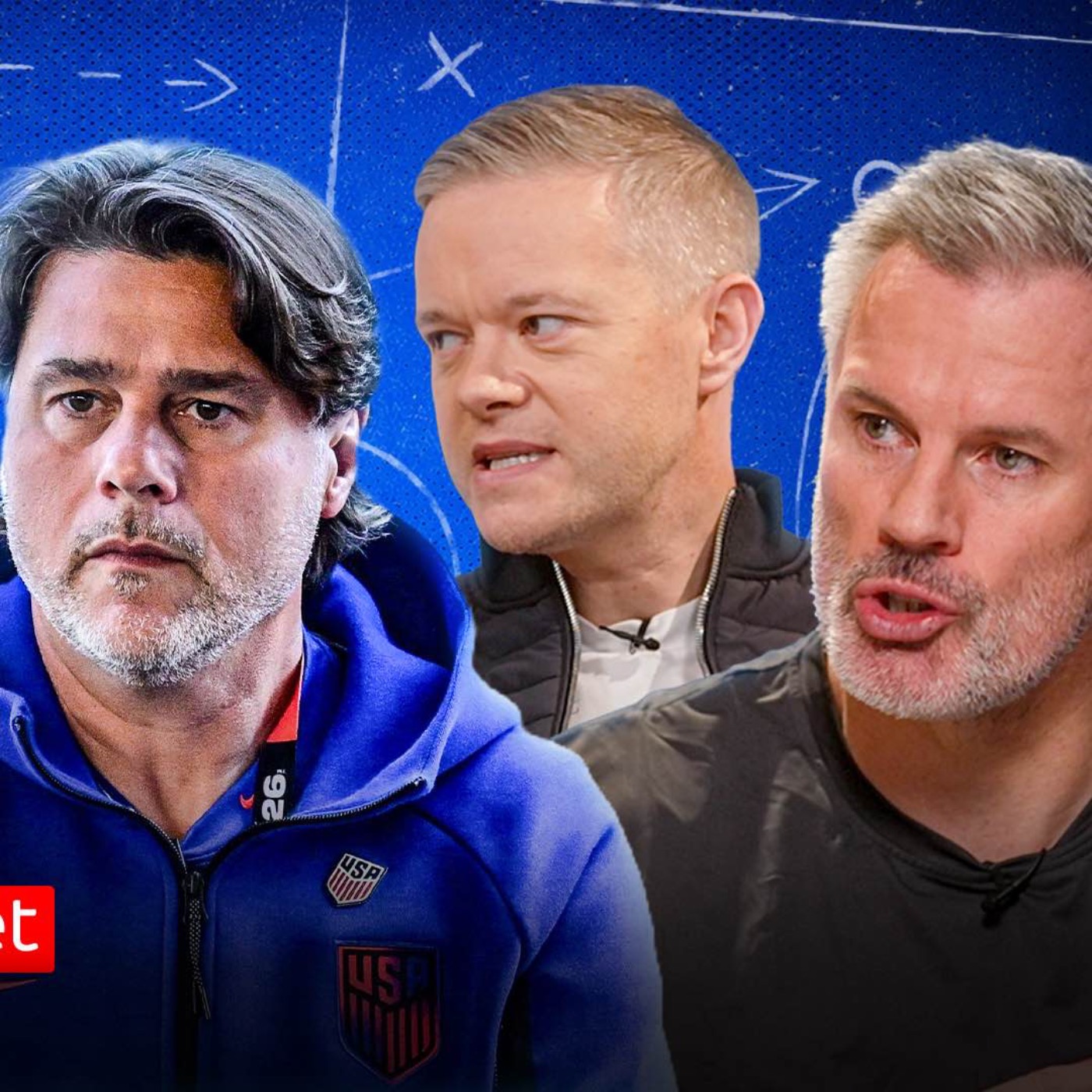
In this episode of The Overlap Breakdown, Harrison sits down with one of football’s most exciting young coaches, Will Still.
From his unconventional journey into coaching - to becoming the youngest manager in Europe’s top five leagues, Will shares the reality behind his rapid rise. He talks about the famous fines at Stade de Reims and responds to his “video game manager” label.
Will reflects on his time at Southampton, opening up on the challenges of English football, what didn’t go to plan and whether he was given enough time.
The conversation also explores life at the top level, including preparing to face PSG’s front three of Messi, Mbappé and Neymar, and working with young talents like Abdukodir Khusanov and Hugo Ekitike.
Hosted on Acast. See acast.com/privacy for more information.