
 Ask in Claude
 Ask in ChatGPT

67 episodes
by Ryan Peterman · English
Sharing the transparent career stories of technical people. Hosted by an ex-Staff engineer at Instagram
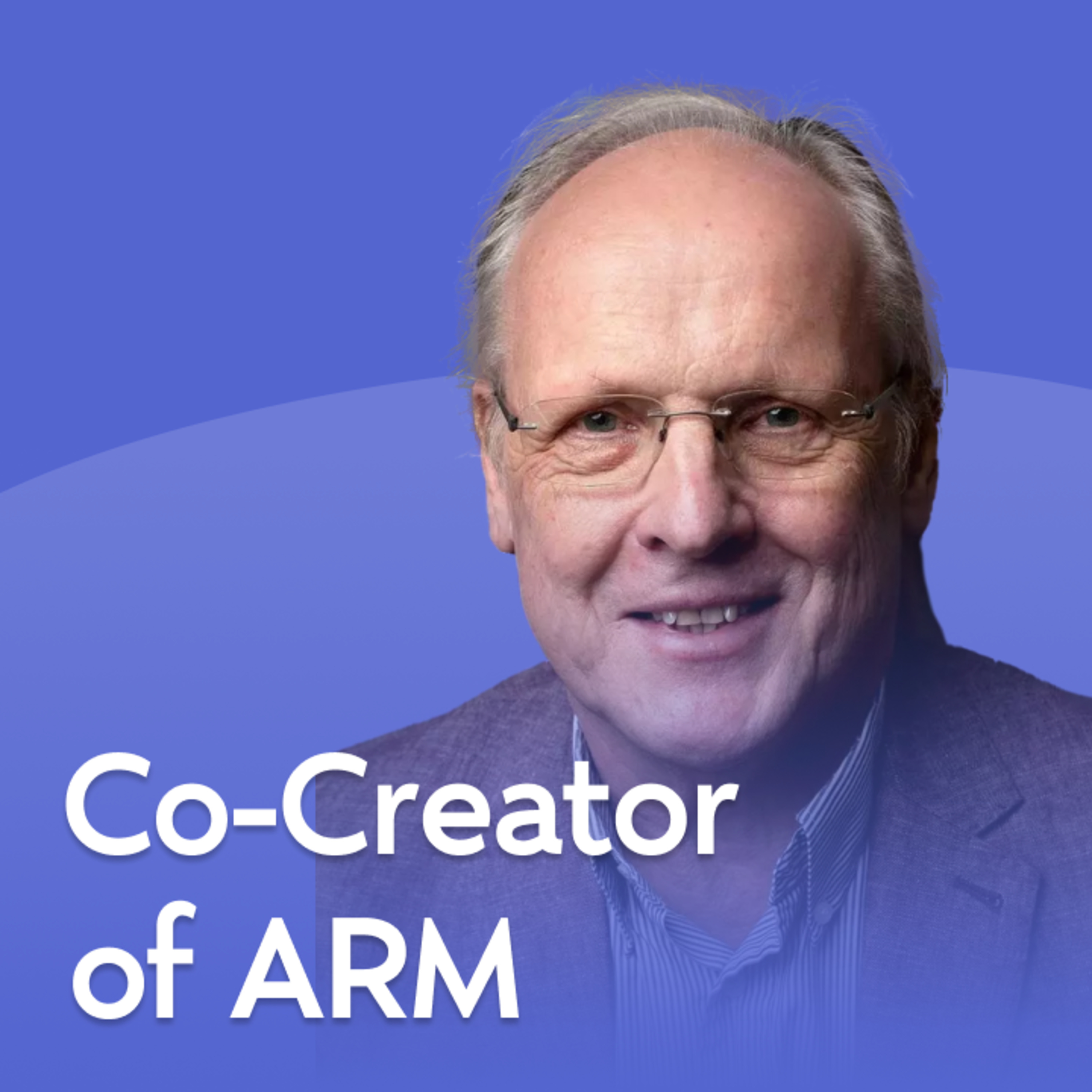
Steve Furber recounts how first-timers helped create the ARM processor, starting from building early computers at Cambridge, joining Acorn/working on the BBC Micro, learning semi-custom chip design…
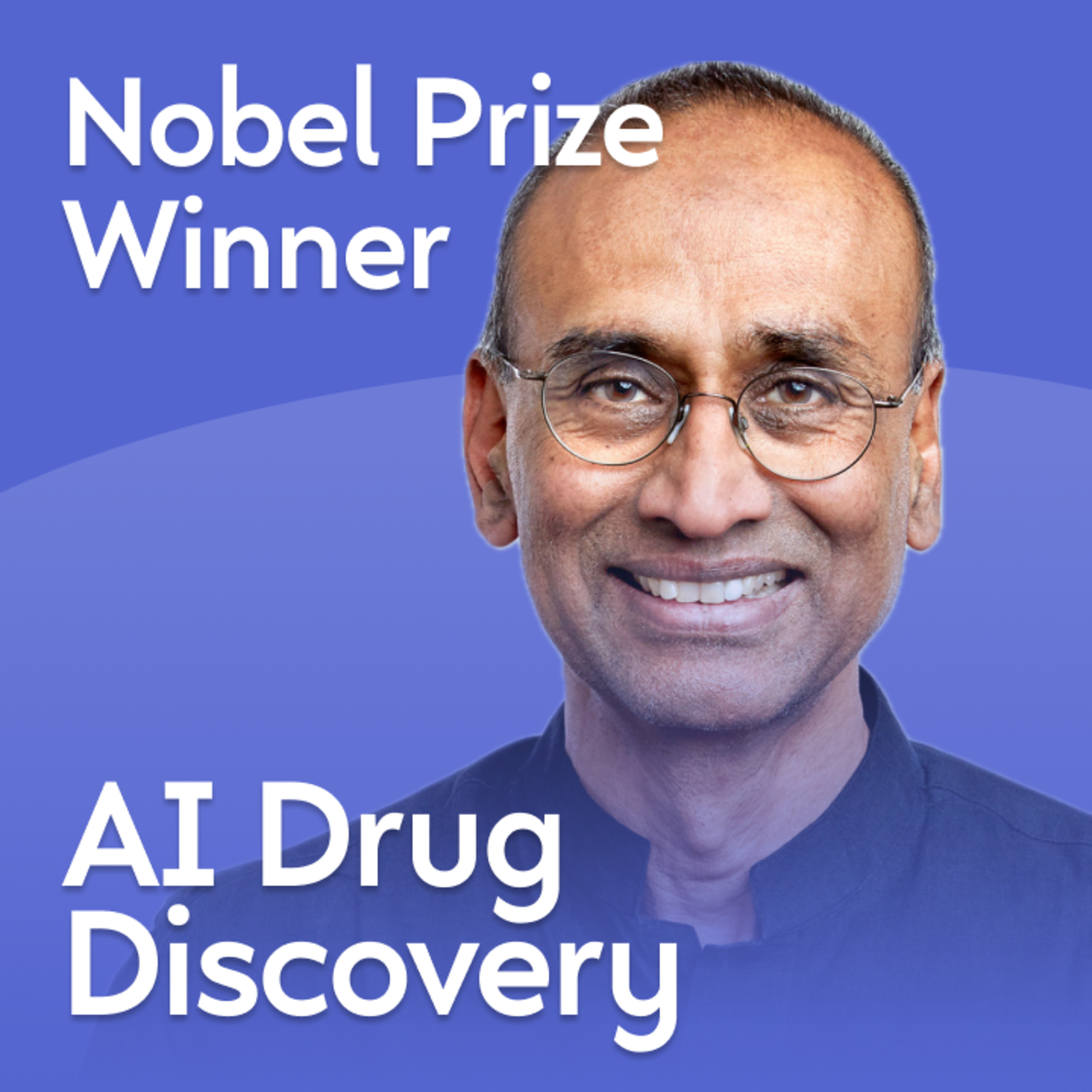
16 Nov 2026 · 56m · 25 chaptersVenki Ramakrishnan discusses how AI is accelerating biology and drug discovery, but argues the experimental and clinical-trial bottlenecks remain rate-limiting.
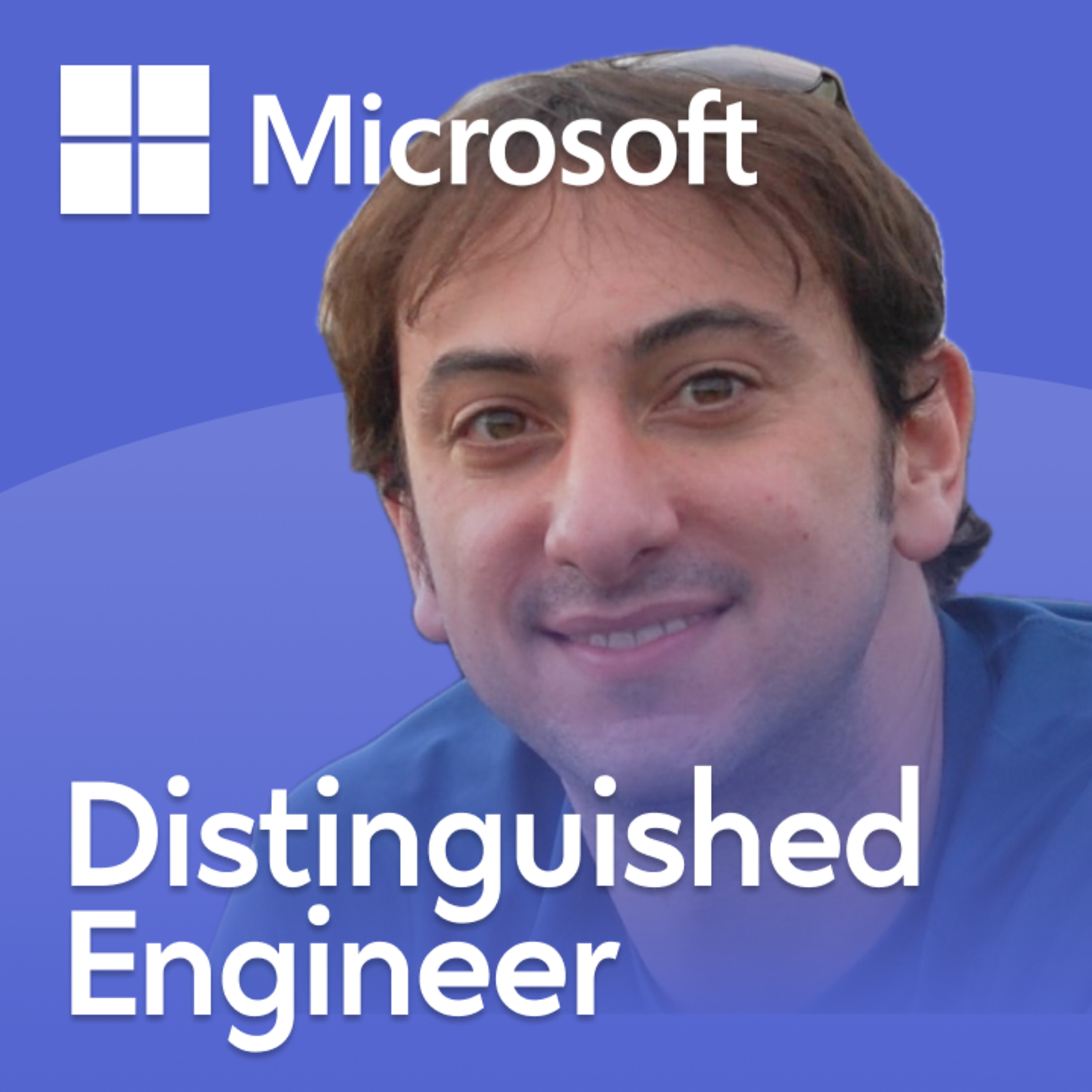
9 Nov 2026 · 43m · 15 chaptersStephen Toub (Microsoft Distinguished Engineer) explains why and how Microsoft ported the GitHub Copilot runtime from TypeScript/Node (V8) to Rust, focusing on performance, embeddability, and…
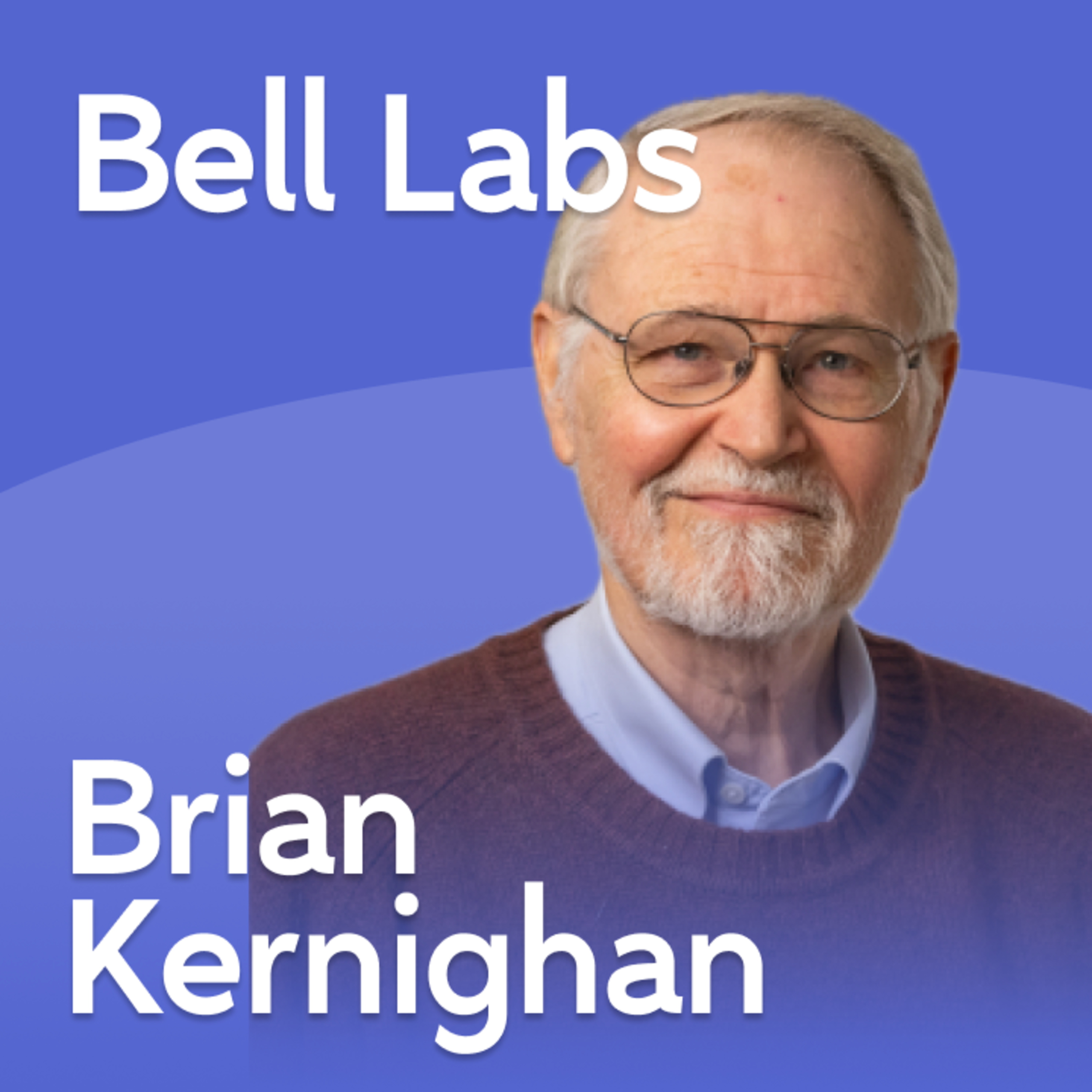
2 Nov 2026 · 1h 22m · 23 chaptersBrian Kernighan discusses Bell Labs’ research culture and how it produced major computing advances (Unix, C, and tools like grep/awk), plus what made the lab’s “member of technical staff” system work…
26 Oct 2026 · 1h 29m · 35 chapters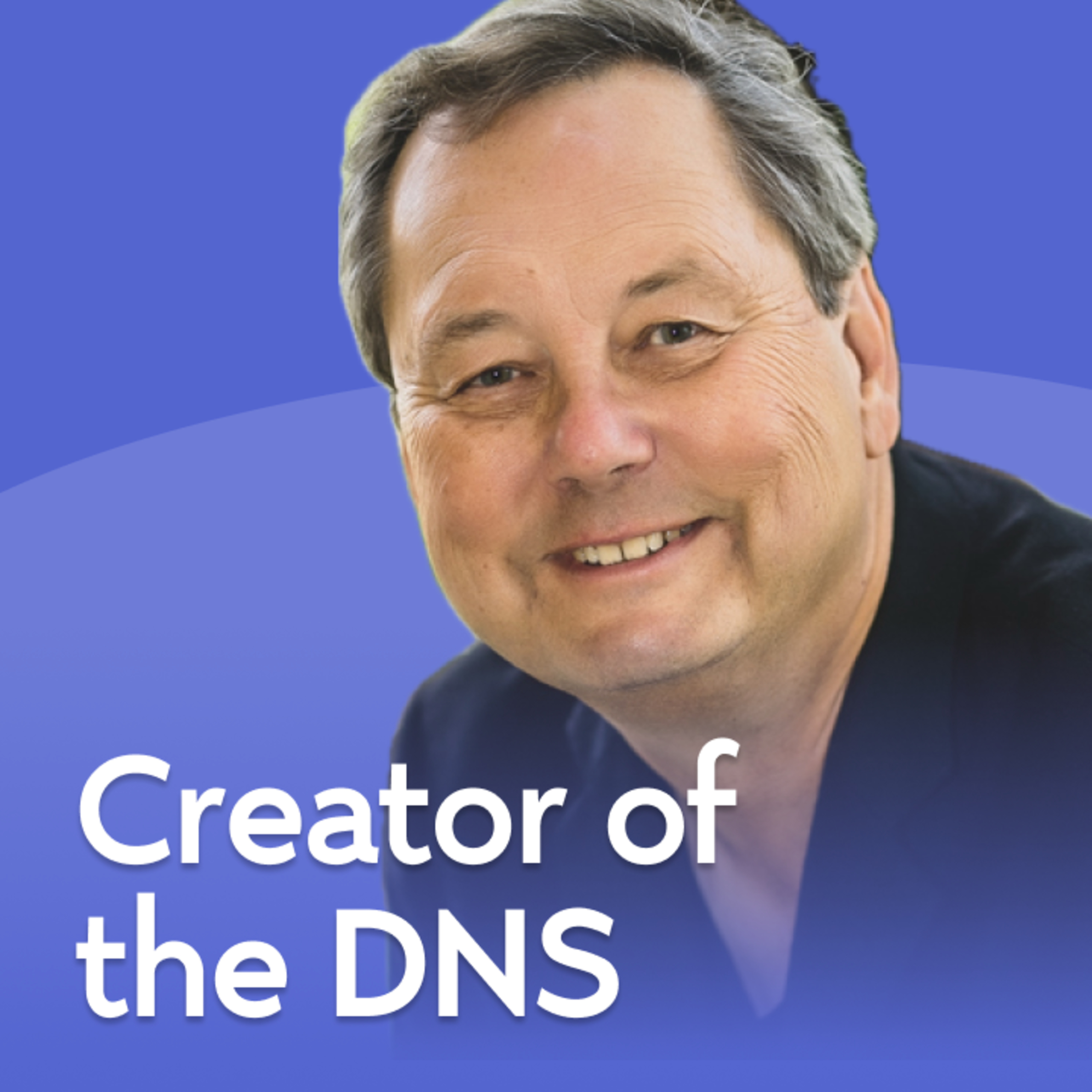
How Paul Mockapetris created DNS, why it replaced the SRI NIC “host table,” and how DNS’s hierarchical, scalable design (tree structure, delegation, caching, root-to-leaf lookups) enabled the…
19 Oct 2026 · 54m · 18 chapters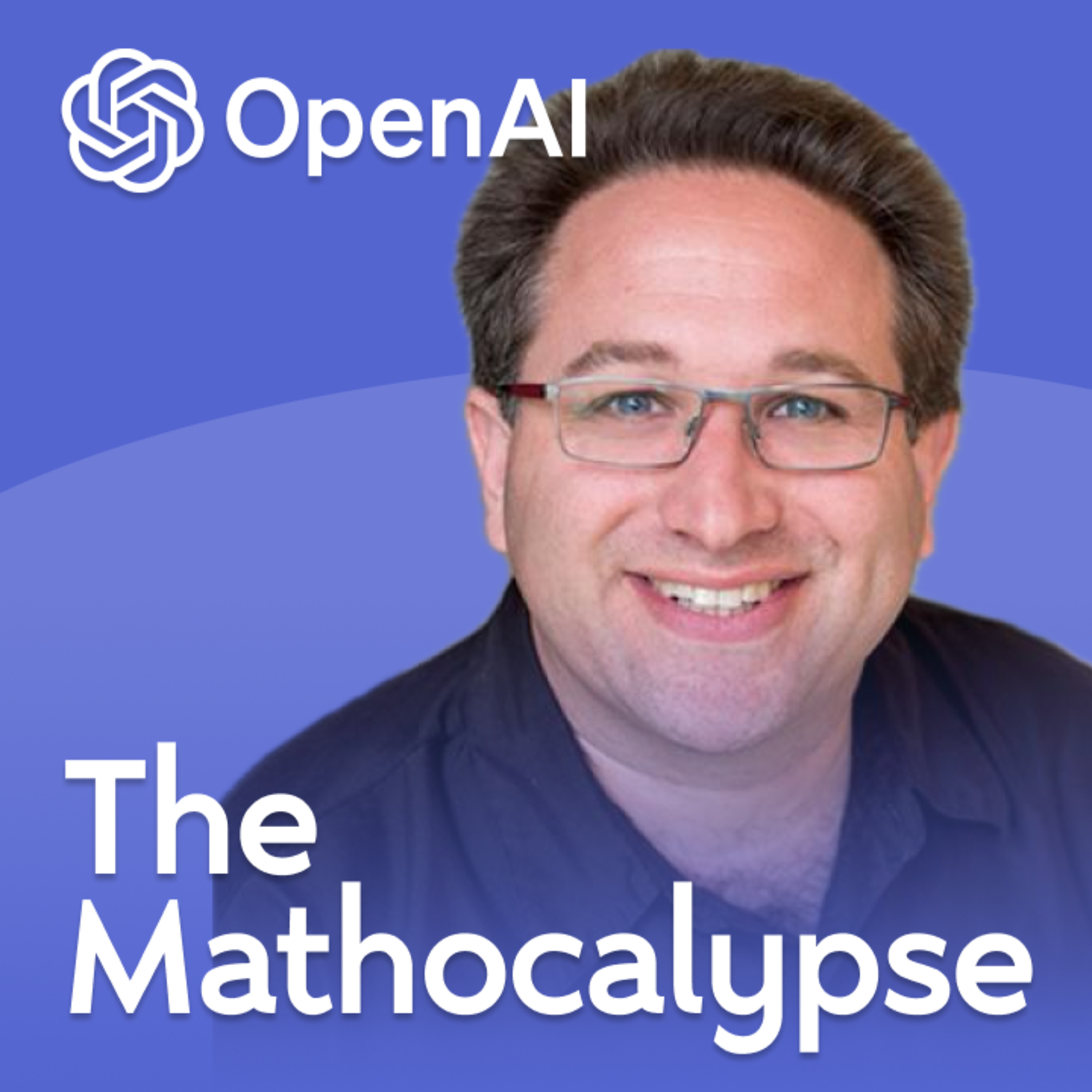
Scott Aaronson discusses whether “intelligence” will still matter as AI rapidly solves major math/computer science problems, potentially triggering a “singularity” in the sense of unpredictable,…
12 Oct 2026 · 1h 1m · 18 chapters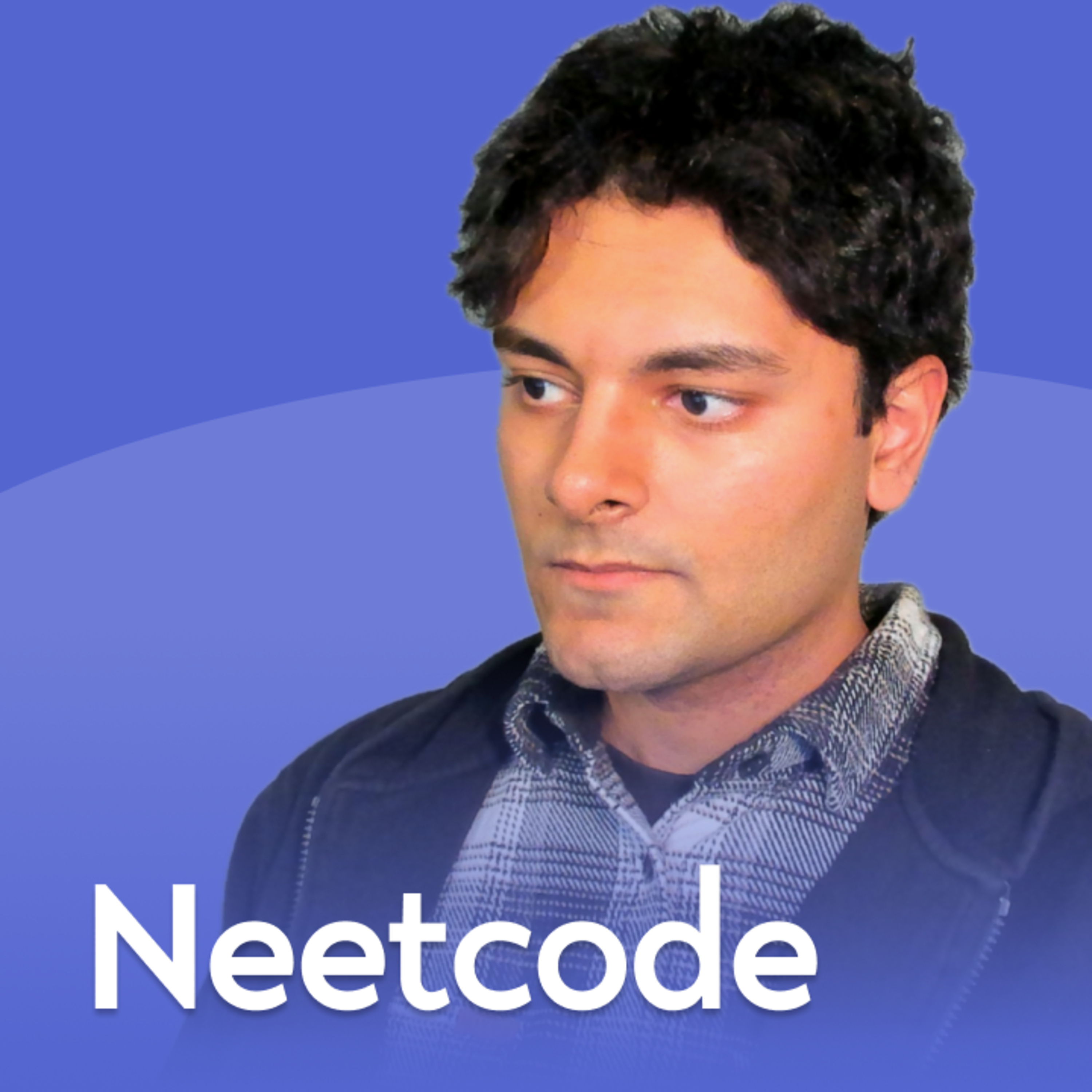
NeetCode (coding interview prep) discusses his career at Amazon and Google, why he quit quickly, how LeetCode difficulty relates to interview outcomes, and how passion/work ethic and practice…
5 Oct 2026 · 35m · 15 chapters
Corporate politics and “soft skills” for career advancement in a future where technical work may be automated.
28 Sep 2026 · 3h 8m · 69 chapters
Philip Su (Facebook Distinguished Engineer/IC9; later OpenAI) discusses the “career asymptote” idea: growth slows near terminal levels, promotions change what work feels like, and motivation shifts…
21 Sep 2026 · 44m · 18 chapters
Casey Muratori discusses surprises in computer history and uses them to explain two software-engineering ideas: (1) the origin and lasting impact of Donald Knuth’s “premature optimization is the root…
14 Sep 2026 · 1h 58m · 39 chapters
How Anthropic’s CloudCode/CloudTag harnesses LLMs for software engineering, emphasizing higher-level “system building,” verification, automation loops, and artifacts; also discusses computer/browser…
7 Sep 2026 · 1h 11m · 23 chapters
Martin Odersky (Scala creator) discusses functional vs imperative programming, why Scala is a synthesis of OO and functional ideas, how languages should evolve under AI code generation, and compares…
31 Aug 2026 · 58m · 26 chapters
Sergey Levine discusses the current state of humanoid robotics, why progress is hard to predict, what “emergent capabilities” look like, and likely deployment timelines (single-digit years).
24 Aug 2026 · 58m · 20 chapters
Anders Hejlsberg (TypeScript and C# creator) discusses TypeScript 7’s native compiler rewrite (claimed 10x faster), why TypeScript targets JavaScript (not machine code), what the rewrite changed…
17 Aug 2026 · 1h 6m · 24 chapters
Leonardo de Moura (creator of the Lean proof assistant) explains how Lean works with LLMs to verify proofs and programs, potentially replacing “absence of bugs” testing with machine-checked…
10 Aug 2026 · 1h 8m · 27 chapters
Roberto Ierusalimschy (creator of Lua) explains Lua’s design for embedding as a “scripting” language alongside C/C++, clarifies scripting vs dynamic languages, and discusses language design…
3 Aug 2026 · 1h 5m · 19 chapters
Judea Pearl (Turing Award winner) discusses how AI progress relates to causality, early AI optimism, limits of LLMs, and his “ladder of causation” (association → intervention → explanation).
27 Jul 2026 · 1h 28m · 28 chapters
Xavier Leroy (creator of OCaml) discusses what makes OCaml distinct, compares it to Rust and JavaScript, explains type inference, and argues for formal verification over testing.
20 Jul 2026 · 1h 24m · 34 chapters
Computer architecture and energy constraints, comparing RISC vs CISC, then CPU vs GPU vs Google TPU for AI/ML.
13 Jul 2026 · 59m · 27 chapters
Martin Hellman, Turing Award winner, recounts how public-key cryptography emerged from 1968–1977 IBM/MIT/Stanford work, and how it sparked “crypto wars” with the NSA and later debates over DES key…
6 Jul 2026 · 1h 2m · 21 chapters
Ryan Williams (MIT, Gödel Prize-winning complexity theorist) explains how “optimal” textbook algorithms can be beaten in practice and in theory, using 3SUM as a case study, then broadens to…
29 Jun 2026 · 1h 13m · 23 chapters
How software engineering is changing with faster dev tools, Rust-based performance, and heavy use of LLM agents—plus the resulting risks for code review and open-source contribution dynamics.
22 Jun 2026 · 1h 23m · 31 chapters
How to get hired at frontier AI labs (DeepMind focus), and what “frontier” work really requires across research, infrastructure, and product integration.
15 Jun 2026 · 1h 4m · 23 chapters
Simon Peyton Jones (Haskell co-creator) argues that software insecurity stems from “unsafe languages,” and that statically typed, mostly pure functional programming improves safety, maintainability,…
8 Jun 2026 · 1h 28m · 35 chapters