 Ask ChatGPT


Live coverage from Labour Conference focused on Andy Burnham’s leadership momentum and his upcoming major speech, especially social care funding, alongside looming fiscal/budget pressures.
Stephen Swingford (Times political journalist) and Patrick McGuire (Times/Sunday Times political journalist). Ben Riley-Smith is also mentioned as a co-presenter/colleague.
The conference feels unusually upbeat after Keir Starmer’s departure, but Labour’s vote-share bounce is modest and delegates are still unsure what Burnham will deliver. Burnham’s speech is expected to be “meaty” and policy-heavy, written largely by him, with major announcements. Social care is framed as both personal and political risk: fixing it requires funding via general taxation and/or changes to the “triple lock,” potentially implying future tax rises and electoral vulnerability.
“death tax”/“dementia tax” precedents (2010, 2017); diesel/petrol price pressures and possible fuel-duty decisions; migration falling faster than OBR projections affecting budget headroom (up to ~£7bn).
Written by AI. May contain mistakes.
Discussion on the atmosphere of the Labour Conference and its significance.
“We are delighted to be here live from Labour Conference.”
Exploring the positive energy and excitement at the Labour Conference.
“Let's start on the atmosphere of this conference.”
Analyzing Andy Burnham's return and the impact on Labour's dynamics.
“and among Labour MPs and possibly audiences picking it up among delegates as well, is we're back to the good times.”
Discussion about the significance of Burnham's upcoming speech at the conference.
“If you compare Keir Starmer, who gave every impression and often occasionally, often more than occasionally, you know, would give every impression that he'd never seen the text before.”
Examining the complexities and risks involved in social care reform.
“he said that he was going to put his political capital on fixing social care.”
Insight into the conversations around taxation and funding for social care.
“And he has there are two elements in the frame already, and they're not knocking down either.”
Exploration of the influence of key women in government, focusing on Louise Casey.
“Kenny Badenog's been a bit lukewarm on whether to keep it.”
Discussion on the potential crisis related to diesel prices due to US export bans.
“The debate we're going to be having at the next election is in the hands of Baroness Casey of Blackstock as opposed to any elected politician.”
Analysis of fiscal pressures and the complexities in the upcoming Labour budget.
“And she's made John Healy's job more difficult because migration is falling so much faster than the OBR, the Office of Budget Responsibilities projections.”
Reactions from the business community regarding Labour's approach to tax and economic policies.
“If you want to ask any questions, we'll take them.”
Explore the strategic considerations and inner workings of Labour Party dynamics.
“This isn't the time to kind of go on the offensive, but I predicate that.”
Discussion on Rachel Reeves' impact and attitudes towards economic policies.
“I'm sticking to the principles of fiscal rectitude, et cetera, et cetera.”
Examine the complexities of communicating social care policies to younger voters.
“And what are people going to be looking for when he does?”

Get the gist, explore an idea or ask about something said.
 Claude
On The State of It, what are the key points of this episode?
Searching your listeningAutomatic transcript. May contain errors.
0:00How do we truly navigate life's hardest moments? I'm Julia Samuel, psychotherapist and best-selling author. In my podcast, Therapy Works, I open the therapy room for candid, insightful conversations with people known and unknown. Discover what my guests have learned and failed to learn about resilience and human connection. Listen to Therapy Works today, wherever you get your podcasts. While every other channel is fighting for your customer's attention, podcasts are where they've already given it. No one accidentally listens to a podcast for 45 minutes. They choose to be here. They trust the voice in their ears.
0:41And when that voice talks about your brand, it doesn't sound like advertising. It sounds like a recommendation from a friend. Acast gives you that trust at scale. Digital precision, host-read authenticity, and performance data that proves it worked. Don't fight for attention. Buy it with Acast. Learn more by visiting ACAST.com slash advertise.
1:05They are desperate to avoid this perception that it's the third big tax-raising budget, but the numbers are moving against them. Welcome everyone to The State of It, a political podcast from The Times and The Sunday Times. We are delighted to be here live from Labour Conference. I'm Stephen Swingford, The Equalist's Blood at Times, and we have here the great... Patrick McGuire. There we go. The cheapest content for The Times. I do want to sound presumptuous by responding to your claim of greatness, Stephen. And the other great, equally great, Ben Riley Smith, the Sunday Times split away. Let's start on the atmosphere of this conference.
1:43So obviously we were in the Pullman last night, we were elsewhere. It's really good. People are really positive. It's celebratory. one cabinet minister was saying to me this is the party conference we never had in 2024 it's this is it it's got the energy it's got the vibes that we want and i think that's fair but you described it as akin to uh what were you saying this morning patrick well i bumped into someone yesterday and i said how are you finding said the party is on holiday that's how it felt and obviously the things with holidays they end but it's uh we're not at that point yet we're still in you know early days of the holiday or the beginning of the second week if you've ever been on a whole day that long and extravagant.
2:22But that is very much how it feels. And, you know, the way the transition happened in the summer, you know, happens at the fag end of the parliamentary term. And Andy Byrne hasn't really had the opportunity, not least because he didn't, you know, seek anybody's, get to the stage where he had to campaign him on the membership to introduce himself to the party. You know, he's the prodigal son returning to reacquaint himself with his family. And it does feel like that. And also, I mean, bluntly, the catharsis of Keir Starmer no longer being in charge, I think, is emotionally liberating for people.
2:57I mean, it is stark, Ben, isn't it? So this time last year, every meeting that we did with cabinet ministers or almost most of them, they were all talking about how this can't go on. This is really, really bad. It's terminal. And they weren't wrong in that. It was. And, you know, we started this podcast around that period. Yeah. But it was that that was the atmosphere back a year ago. So privately despair and also publicly absolutely taking pot shots at Andy Burnham because he did that kind of showing of ankle about leadership and said we shouldn't be in hot to the bomb markets. And he was getting moaned down by every cabinet minister.
3:27It was actually a moment where all of those people who are concerned about Keir Starman's leadership privately, publicly could rally around an outsider trying to cause mischief. So it's remarkable a year later he's coming here as the leader. I mean, even I was thinking about this at the weekend, even at the beginning of the year, if you had told us Keir Starman would be gone. Andy Burnham would be Prime Minister. There would have been no contest because it was so clear that he had to be leader and Labour would be back ahead of reforming the polls. I mean, and that's a very unlikely set of scenarios that has played out.
3:59And it means generally the mood, both in the cabinet and among Labour MPs and possibly audiences picking it up among delegates as well, is we're back to the good times. But you do, without wishing to punch the optimism bubble, you do have to step away and still think they're barely above reform they're still way below where they were in terms of vote share two years ago and actually talking to quite a few people here there's a sense of yes i'm excited this is kind of punters rather than cabinet members yes i'm excited and interested by burnham and his premiership but i still don't quite know where he's going to land on a whole load of policy areas and you can kind of detect that in the polls because they've gone up five, six, seven points, not a huge bounce.
4:42That's maybe one in 20 people in the country thinking, okay, I might vote Labour again. But there still seems a bit of a kind of, I'm interested in this guy. He seems like he understands the public, but what does he really stand for? And that's why tomorrow is such a big moment, because we'll begin to see about that. So let's touch briefly on the speech. It is a huge speech tomorrow. He acknowledges it as such. He gave an interview to the New Statesman during the week in which he kind of toyed with the idea there was a sense of fate around it. It's happening in Liverpool. It's his city and it's his moment on the big stage.
5:13And from what you're picking up, Patrick, it is a chock full of staff speech. Yeah, exactly. Having a drink with someone on Saturday and a longer conversation with a couple of others last night, I mean, big was the word both described. And the first conversation I had about it, it said, you know, it will probably drive you, by which they meant journalists, mad because it is, by the sounds of things, The exact opposite of how a comms professional would do a speech, you know, apparently chock full of policy. We can expect, you know, also he's written it himself. The onus is not necessarily how it looks on the six o 'clock news or ten o 'clock news.
5:48It is the speech Andy Burnham wants to give with lots of announcements in it. And we've already seen this week, of course, you know, Andy Burnham is developing a habit of saying what's on his mind and answering questions straight. And it's for the rest of the Labour Party and the rest of the government to work out the implications later. But this is very much his speech. He's been writing and rewriting it himself. He has more or less sole custody over it, which is, again, very unusual. If you compare Keir Starmer, who gave every impression and often occasionally, often more than occasionally, you know, would give every impression that he'd never seen the text before.
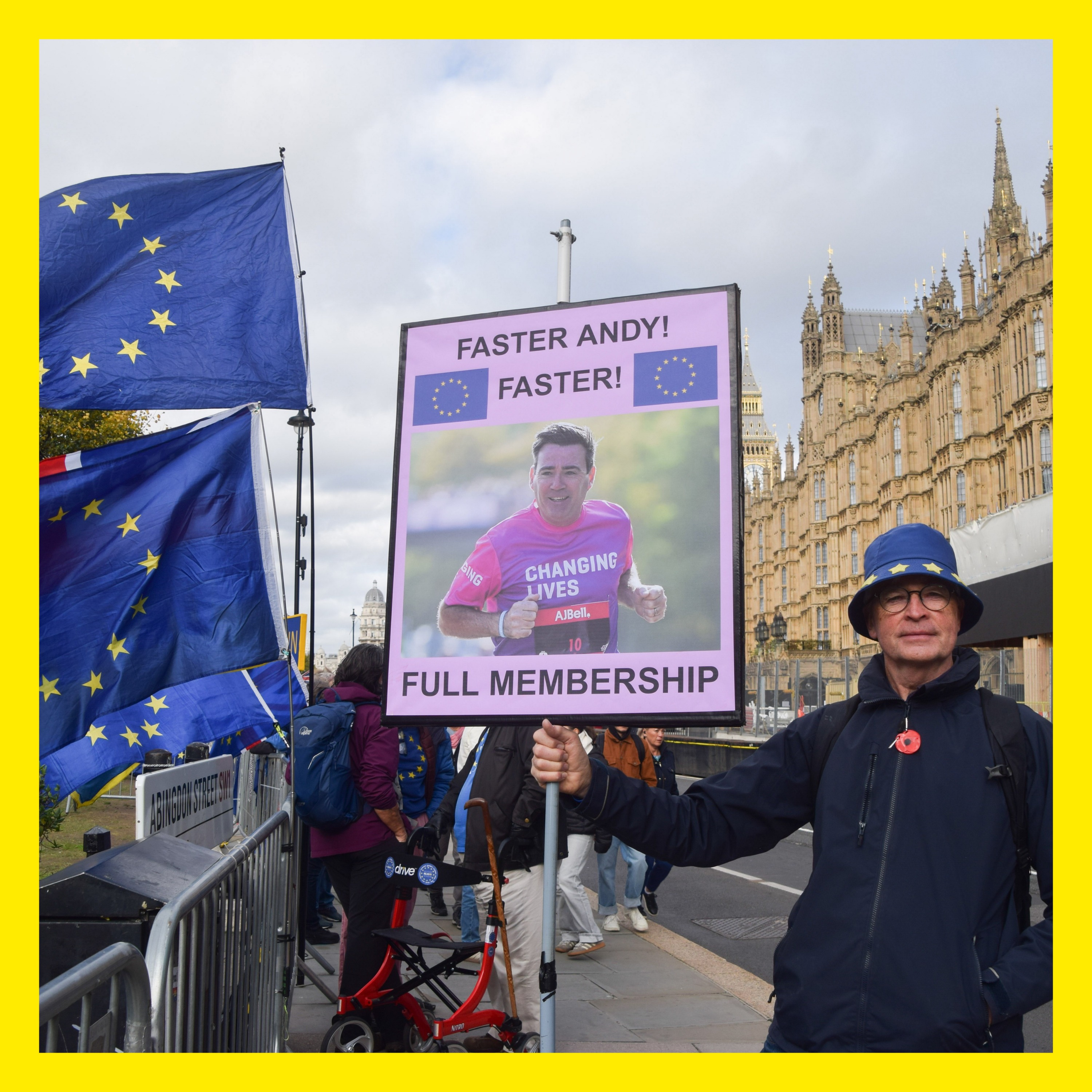
6:23Indeed, one submitted that. Sausages. Yeah, exactly. The strangers. Well, yes, exactly. Admitted that I should have read it more closely before I delivered it on a flag-shack policy. But that is not Andy Burnham. And the speech I think is going to be meaty. And I think it will take a lot of us by surprise. Do you have a sense on the policy areas? Because we know he's done help to buy return, which helps young people. We know he's going to say something about social care. Quite how explicit we're going to come on to speak about. There seems to be a possibility that he's going to touch on Europe.
6:53I don't know if he genuinely will do something like that. Did you get a sense on which policy errors he's going to go for? The short answer is no. And perhaps if I did, it was a two-letter course for me to entirely remember the contours of the conversation. The conference one. The journalistic euphemism we might use is broad ranging. You know, it wasn't that sort of what was emphasised to me. And look, maybe this will go through the number 10 ringer between now and tomorrow. But it was emphasised that there is a lot in this speech. and there are a lot of announcements in this speech on a whole range of issues.
7:30So take your pick. Yeah. He also hasn't done that many set-piece speeches, right? Yeah. So he did the kind of outside steps of number 10, no notes, five-minute speech. He gave the one as Labour leader, which was, again, quite brief. But how long did he send to be? It's like 45 minutes. So it's a big moment. It's a big moment. It's a big moment. And look, he got this conference off to a bang on social care. Let's move on to talking about social care, because clearly this is the personal and the political combined. It is something he feels to his core. He experienced it with his grandparents. He's just experienced it with his dad, the appalling state of social care in Britain.
8:07He's determined to fix it. He said when we saw him in the Rose Garden, just after he got elected and went into number 10, he said that he was going to put his political capital on fixing social care. And he's making good on that. Right. But this is a policy area that is fraught with risk. as he knows only too well. His last attempt to crack at this ended with accusations of the death tax. Theresa May learned to her peril when it was the dementia tax. It is fraught with risk. And Patrick, you picked up a really interesting nugget about it. So in his interview with Laura Koonsberg yesterday, he wandered into the issue of funding.
8:41And that is the big question on this. How do you pay for it? And he started talking about basically general taxation, everyone paying to get something out. And that was actually ahead of the conversation in a lot of Whitehall. You were saying earlier, Patrick, but crucially, and there's a minor scoop here, but just to be clear, there was someone that didn't know he was going to say that. Yeah, it came as a surprise to the Treasury, to John Healy. I mean, I think there's been an awareness across government that the Prime Minister is going to use this conference to talk about his desire to reform social care.
9:14But the idea that he was going to go on Laura Koonsberg and start talking about general taxation was not planned. It came as a surprise. And that tells you something quite important about this government. Something I'm asked a lot, something we're all asked a lot, is, well, who's the most important person in number 10? You know, who sets the politics? And the answer is the prime minister. You know, the prime minister saying things is now the most significant thing about this government. In a way, it just wasn't under the last Labour leader. But yeah, it was, you know, the Treasury were not expecting to be dragged into a conversation about general taxation, paying for a, you know, it was quite a detailed exchange you had with Laura Coonsberg on this.
9:58You know, that's got way, it's got way ahead, not only of Louise Casey's review, but any sort of public conversation the Treasury thought it would be having at this stage. And that, look, Ben, that is where the political risk comes, because we're now going into this debate. The ends, no one can argue with the objective here, which is to fix social care. It needs fixing. It is appalling. I'm sure everyone in this audience has experienced something like that with their parents or their grandparents. I certainly have. The whole system is a shambles, right? That is true. But what this means politically is we are now into a discussion about how to pay for it.
10:31And he has there are two elements in the frame already, and they're not knocking down either. So we're going to have months and months and months of this till Louise Casey comes back at some point next year. One is general taxation, whether that's a rise in income tax to pay for this, whatever it is. And the other is the triple lock and the end of the triple lock. And that is brave, brave politics indeed, because it means you're talking about in the run up to the next election, some potentially chunky tax rises to pay for social care. And they want to have this argument. They want to have this fight.
11:04But getting people to vote for tax rises to pay for social care is going to be really challenging. Yeah, it is the biggest electoral gamble that Burnham has made in his premiership so far, because on Laura Koonsberg yesterday, he explicitly said, I will go to the country at the next election, question mark when, but 2029 at the latest, with this social care plan as my offering. And what that means is he's going to be going to the country saying, I want you to pay a bit more than you're currently paying, possibly a lot more than you're currently paying to cover elderly people in social care. Now, as you were suggesting at the beginning there, Steve, they did that in 2010, when Andy Burnham, the health secretary's proposal, was that you get the money back from people's estates after death.
11:46Tories badged it up as a death tax and they got absolutely hammered and they had to back away from it. Theresa May did it in 2017, went on the fly in their manifesto. They came up with their own proposal. That's the nothing has changed speech, one of the greatest moments in political history. Nothing has changed. Something had changed. She ditched the policy within a couple of days of announcing it but suggested she wasn't. And that totally undercut her standing as strong and stable kind of battler of Brexit. Corbyn's not very effectively dubbed that the dementia tax. It's very hard to go into an election proposing a tax rise or a financial pain.
12:21So it's a big challenge. And in fact, Andy Burnham explicitly acknowledged it was a big challenge over the last couple of months because he said, I want to have this debate away from an immediate election. I want to have it now. And I was talking to one cabinet minister last night who said, we want to do what Tony Blair and Gordon Brown did with the one that's review, which was to create, it was all about ultimately a national insurance increase to pay for NHS spending. But they spent more than a year laying the groundwork by hammering to the country how bad the state of the NHS was, how much you needed action.
12:53And then at the end said, and therefore we think we'll do a tax increase in the public went along with it. So they're going to try and do the same thing with social care. So you saw Burnham quite effectively, I thought, on Laura Koonsberg saying there is already a dementia tax, because if you get dementia right now you and your family are paying through the notes you could lose your house this the nhs is going to collapse unless we try and fix the system so they're going to hope to build momentum behind this idea that you have to act i think the the triple lock thing which does sound quite likely which seems which sounds like what they're going to do at some point whether it comes this week in andy bernard's speech or not is saying look we will commit to the triple lock all the way up to the next election because that was in our manifesto afterwards we're not going going to commit to it.
13:36Presumably just go to an earnings link. And we think it is better for pensioners and old people to have the safety net of free social care than get a little bit more on the state pension. And that is actually quite interesting space. There is a growing consensus. Jeremy Hunt, former Tory chancellors out there saying get rid of it. Some business groups out there saying get rid of it. Mel Stride, privately before he became Tory shadow chancellor, have thought it wasn't sustainable. Kenny Badenog's been a bit lukewarm on whether to keep it. So if you take that position, you're bouncing the Tories into saying, well, are you going to promise you're going to keep the triple log?
14:14Yeah. And the gamble is that enough elderly people or their relatives will think, well, look, I'd rather have the knowledge that we're not going to have to sell the family home if they get seriously in older life rather than a bit more of a generous pension. So you could see it working, but it's a big electoral challenge. Patrick, can we talk briefly about the question of who is the most powerful woman in government? There are two women called Louise. One, Lou Haig, obviously very powerful. But there is arguably a more powerful Louise, indeed more powerful woman. And that is Dane Louise Casey.
14:46So she is the government's troubleshooter, I think, on just about everything. I've lost track of the things she's trying to get. But she is resolving social care. And someone pointed out to me that under the terms of her review, crucially, and they were saying to me, I've no idea how the Treasury under Rachel Reeves let this happen, but she is resolving the funding question as well. She will provide advice to the Prime Minister on how to fund social care. And you cannot imagine a world in which she says one thing and he then does another. But this review then becomes all important coming into next year.
15:16We think it's kind of reporting in the summer of next year. Well, exactly, because Andy Burnham having very publicly outsourced this to Louise Casey and made it the defining policy issue of his premiership is hardly going to say, actually, Louise, no, I don't like your answer. And I think the working relationship he has with Louise Casey, who actually ended up having a close working relationship with Keir Starmer, I think Andy Burnham's is even closer on this. But yeah, I mean, it's quite something. And it raises a big question because the other Louise exercise a lot of influence over economic policy, particularly on growth, trying to bring more of it into number 10, as Andy Burnham told me fairly recently.
16:03And then you've also on this massive fiscal choice got Louise Casey calling the shots really on how it's going to be funded. And you've also got the prime minister saying, my preference is for general taxation. So all of that adds up to, you know, a bigger question. And he's about to answer it now or at least attempt to, which is, you know, what's the point of John Healy in this government other than to do the accounts on a biannual basis. But it's a, you know, seeing it, Steve, people starting to have that conversation. It is, I think, underappreciated just how much power over the political future, not just of the Labour Party, but the country.
16:45The debate we're going to be having at the next election is in the hands of Baroness Casey of Blackstock as opposed to any elected politician. Right. Let's talk about the budget and then we'll take some questions. So just on the budget, I'm actually going to start in somewhere else. I'm going to start in the White House and a decision Donald Trump is about to make at the moment. he is looking at banning the export of diesel in the US. And I can tell you that has led to a conversation at the highest levels in government. They are deeply, deeply worried. We have very low stocks of diesel in this country.
17:15It could lead to massively. Already we've got record diesel prices. They could go through the roof. So before you even get to the budget, you've got an imminent crisis on diesel prices at the pumps, potentially, if Trump takes that course of action, which he thinks he might will. Now, why don't you start us, Ben, on John Healy? You saw John Healy last week. You interviewed him for the Sunday Times. Yes. And he is very concerned about petrol prices. Yeah, we had a half an hour chat in number 11. We actually recorded it all and released it as a podcast. So to listen back to that one, if you're interested.
17:48What is happening with petrol prices is kind of phenomenal. I think they've jumped something like 30, 40 percent in the last year, obviously on the back of the US-Iran conflict and actually on Ukraine bombing a lot of Russia's refineries with drones or something. Donald Trump's trying to get them to stop doing. So I was trying to sound him out about whether he might act on fuel because you're seeing in France, I don't know if you've seen what's happening in France, Emmanuel Macron is literally giving out 100 euro vouchers to millions of drivers to try and protect them from these soaring prices.
18:23in America. Trump is talking about banning diesel exports. In Spain, they've extended tax cuts. And right now in the UK, we are not cutting fuel duty. In fact, it's due to rise in January by 6p. So politically, you cannot see that as being feasible. Economically, you know, the whole budget is meant to be about giving people breathing room and the cost of living. So I did ask Healy explicitly whether he was going to delay that. He said, of course, he couldn't speculate about what he was going to do but then he said look I'm noticing how high the petrol prices are when I go past people I'm conscious of these pressures and I'll take them into account the budget so that to me felt like very much a hint that he's not going to go ahead with that.
19:04Patrick you were already talking about this summer holiday of this conference definitely the summer holiday very much ends with the budget on October the 28th you've got a story this morning about some of the pressures on that budget and the fiscal pressures are getting bigger on multiple fronts but there's a particular area something that would be a good news story normally Well, no, and this is one of the great ironies of Shobhanomu's success as Home Secretary, that had she become Chancellor, her job would have been much more difficult. And she's made John Healy's job more difficult because migration is falling so much faster than the OBR, the Office of Budget Responsibilities projections.
19:39and in August the IFS the Institute of Fiscal Studies the gold standard of of think tanks said that could cost John Healy as much as that four billion quid lower migration and what that means for the for the OBR's projections I'm told last week we had something called the major measures deadline the first major measures deadline where you go to the OBR with your big big ideas and they update you on some numbers as well. Falling migration is going to cost John Healy up to£7 billion. Treasury didn't deny that when we put some numbers were speculation, but inside government, that is the figure they're thinking of,£7 billion, which is quite a lot.
20:25And also, if you're not touching the three main taxes, and Andy Burnham was again repeating his commitment to the manifesto pledged on tax this weekend, you know, that's a lot of fiddling you have to do. That is a lot of money to find. That's before we even get onto the suggestions of ongoing tension and awkwardness between number 10 and number 11 on exactly how much extra money defence is going to get. And obviously that's something John Healy cares deeply about. But yeah, so the ghosts of government past are coming back to haunt John Healy in this process, not least the ghost of himself a couple of months ago, but also past successes on migration are now making the government's life more difficult than it otherwise would be.
21:13And it is this tension that we've talked a lot about the podcast, but you're saying it playing out here of hope again and the economic reality of having to raise money, not give away money. I saw the BBC, Nick Robinson on today talked about hope now, pay later, because that is basically what we're seeing is Andy Burnham is making these promises. I'll help you out on social care, maybe a lot of them in the summer and, you know, we'll work out how to pay the bill down the line. But part of that is coming at the budget. So John Healy has to work it out. I was talking to someone involved in the budget who said we didn't want it to be a blow the bloody doors off budget in terms of tax rises because they remember that first budget of Rachel Reeves.
21:54Taxes went up more than 30 billion. That really cut through the country. She had to come back for more in last year's budget. So they are desperate to avoid this perception that it's the third big tax raising budget, but the numbers are moving against them. so there's a whole question as we talked before about the podcast about how whether you can reduce the amount of fiscal headroom you leave from 24 to maybe 20 billion i did actually put put that to the chancellor and he at financial times reporting they were thinking about going lower and he didn't attempt to uh push back on it though obviously he's not going into speculating about the budget so yeah it is this clash between the narrative that andy burnham is setting here which is all two thumbs up.
22:35It's great. Optimism's back. And the economic reality of the budget which is the numbers are moving against us and we need to raise money, not give away money.
22:45At QVC, fall shopping is more than just checking out. It's discovering the brands you love across beauty, fashion, home and culinary all in one place. Whether you're getting ready for crisp mornings, cozy nights or everyday moments qvc has what you need for the season ahead with brands like laura geller philosophy ninja and so many more shop now at qvc.com this week on the business podcast there is one company that tells you all you need to know about british retail marx and spencer we are famous for our innovation and really saying right how can we get something brand new to market ahead of everybody else.
23:30From the Times and the Sunday Times, join me, Hannah Previtt. And me, Dominic O 'Connell, for conversations from the world of business and entrepreneurship. Follow us wherever you get your podcasts or find our channel on YouTube by searching Times Business. Most media plans treat frequency as a risk, something to cap. But in podcasting, that costs performance. Hearing a brand advertised repeatedly makes 50 % of fans more likely to remember it against 17 % who say less likely. And that positive impact is true against every outcome we tested. Podcasting is where repetition builds, not where it wears out.
24:07Get more insights like this from ACAST's latest podcast Pulse report, which is out now. Download for free at acast.com slash pulse.
24:22We've got a QR code here. If you want to ask any questions, we'll take them. we've got one here which is what do you detect the business community's reaction to burnham and healy is from my perspective working for a trade association they're saying the right things but the juries are out out until the budget when the rubber hits the road which is absolutely bang on that is definitely what we're picking up it depends which sector you're in by the way if you are a bank at the moment the big banks are convinced a big levy increases coming on the banks so they are they are pretty sure that's the direction of travel they are very concerned about that In other areas, the jury's out.
24:55They could jack up CGT, capital gains tax. That's not clear. But the rhetoric is all about taking the pressure off businesses, relieving the burden. I think the issue for Burnham more broadly is we are now talking about two sets of tax rises. We're going to be talking about tax rises in this budget to fill a hole. And then we're going to be talking about tax rises in the future to pay for social care. And that is the danger here for Andy Burnham. He is so much better, frankly, at speaking than Keir Starmer. He can elevate. He's got variety in his pitch, in his tone. You know, I have no doubt tomorrow's conference speech, he will speak very well during that conference speech.
25:34But when you come up against that and a narrative of tax rises, that's a really difficult tension. Can I just add to that in my interview with Healy, he explicitly said, unprompted, I really am concerned about business costs. I want to act and you will see in my budget that I am acting. So he is trying to get out there on the front foot and saying, I hear that times are tough for businesses. And I do want to give them a bit of ease on the bottom line. And when I said, well, OK, what do you mean specifically? He obviously wouldn't reveal what he was thinking about. But he said, well, look what I did and Andy did in the summer.
26:07We cut business rates for pubs and social clubs. So I think he very much is projecting that he is a pro-business chancellor. and as a footnote more of a pro-business chancellor than Rachel Reesource. Yeah. Whether that is actually true when you see the policies I see. No, I think what, and this is, I think it'll be a hard sell for the bond vigilantes, the financial markets. I mean, they want one of the big political stuff. I think it's clear, having had several conversations similarly, albeit not on the record, and there will be some tax and regulatory cuts for small to medium-sized businesses in this budget and that's one sort of politics of play story so it's a sort of let's rejuvenate the high street, etc.
27:00It's a bit of anti-reform positioning as well. It's very much what the PM cares about but there's more scepticism about one, John Healy is going to be talking about on re-industrialisation. I mean, I think there's a big, you know, wants to re-industrialise South Yorkshire and beyond. You know, his own constituency thinks there are success stories there. I mean, the jury's out. And also, I think if, you know, some more business rates cuts, regulatory cuts, you know, maybe looking at the VAT threshold, that sort of thing for small businesses. That's the sum of the growth story. I think the wider business community might be underwhelmed.
27:40But Annie Burnham talks about business-friendly socialism, but I think the definition of small businesses who will feel that they've got a friend of them this time. And Donald Trump says that Burnham is a great businessman, despite having almost never worked in a business. OK, what is your sense of how star rights are approaching this conference? Are they agitating or biding their time? I think on the whole, they're biding their time. This isn't the time to kind of go on the offensive, but I predicate that. We did have a couple of early shots, one from Darren Jones and one you had, Patrick, from Steve Reid, no less.
28:15Yeah, if you talk to people in this government, unsurprisingly, actually, those are the two names they cite as people who are doing it the wrong way and who are very irritated. I think there is a sense as well. I think there is, speaking to people in government about this last night, actually, there is, you know, I wouldn't say there's no fear. There's a lot of mutual dislike and there is an interest. There's a curiosity. Wouldn't quite put it as trepidation because they're confident they'd win. But, you know, people inside government want to know the answers to that question as well. It's unclear, you know, that someone was saying to me last night, a minister was saying to me last night, what is Darren doing?
28:55Like, what's Darren's endgame? I think, you know, they look at people like Darren Jones and Steve Reid and think they are angry and they're lashing out. and it's not constructive. Darren Jones has been omnipresent and I think may discover there is diminishing returns in the impact of, you know, if you flood the zone after you're sacked, you know, there's slightly diminishing returns after the impact. Steve Reid has been quieter. I mean, Peter Kyle made an intervention over the weekend, but was keen. You know, I think he, unlike some others, definitely communicated in government what he was doing, communicated to, government, what he was doing, there was a desire not to burn bridges completely.
29:36I think he was very clear he wasn't trying to take a pot shot. Yeah, exactly. Whereas I think some others have. The big question for me, though, and this is a conversation you end up having on the second pint with the Labour person here. The person everybody's keeping an eye on is Rachel Reeves, who has said basically nothing at all since she left. And given that John Healy has spoke endlessly about, I'm the continuity chancellor he's been telling business audiences for weeks behind closed doors what rachel was doing was great um you know recollections may vary as the late queen uh said a business some business audiences and donors are still slightly baffled by that approach but nonetheless he has elevated rachel reed's verdict on this budget to a um to if anything a higher plane than it would have been on to start with because you know he's saying the fundamentals of rachel's approach were great.
30:29I am sticking to some of them. I'm sticking to the principles of fiscal rectitude, et cetera, et cetera. Her view is that she bequeathed a good set of economic fundamentals. So what she said after the budget will be a big thing to, and it's telling by the way, she's not here. She's not appearing on fringes. She's not doing a live event. And I think that is the much shrewder play than being at every reception here, I think. I mean, to add a couple of bits, it's a directive question. Yes, everybody is definitely biding their time. I mean, let's put the Darren Jones, Steve Freed stuff in context.
31:03It's probably two out of 10 in terms of how nuclear you could be. I've been being sat from the cabinet. You know, Darren Jones particularly has been the most acerbic in his interventions, I suppose. But it's still not massive. You know, David Lammy is not here touring every fringe, having a go at the successor. Obvious Keir Starmer says not here. Rach Reaves isn't here. um i wonder with that i mean and then the other thing to give some of them i remember with the tories talking to somebody who was sacked after teresa may was sacked and he and he said look i'm in my 40s i'm still a politician i still want to have a career i need to carve out some way that i'm shaping political debate and having relevance so that the peter karl intervention where he did this long essay about growth and came up with some specific growth measures i mean you do have to cut these guys slack to a certain degree i don't think all of them just want to cut burn them off of needs some of them are thinking well how do i continue to shape debate and shape discussion in areas that i care about but my reading the darren jones thing was you know he clearly still is thinking about wanting to be leader he had that whole thing in the summer about will he won't he stand against burnham and generally the leader when everybody zigs you're the person who zags and when people get sick of that leader they tend to go the other way so uh is he thinking look we're taking a step to the left and everybody's in love with Andy Burnham now.
32:26But down the line, at some point, he's not going to be leader. And what are people going to be looking for when he does? Well, for somebody who might be a bit more centrist and can somehow win back Tories. So he seems to be carving out this space as the kind of centrist voice who is raising questions about moving left. That seems to be what's going on to me. It's a long game, isn't it? One final question, I think. How do you envisage Andy Burnham selling social care to disenfranchised younger voters who see yet another ask of them to pay for the elderly. That is a great question because it's the intergenerational issue that young people, it is harder than ever before to get an housing ladder.
32:59It is harder to kind of make a start in life, you know, more neats, you know, nearly a million neats. How do we deal with that? Like who wants to, how do you sell this to your younger voters? Well, firstly, you say, well, we're not giving them gold-plated pensions with the triple log, which a lot of young people anecdotally seem to be really frustrated with and um i know colleagues are seeing tiktok videos they're reaching their kids in their 20s about people saying look here's why you're getting drafted because we're giving all the money to the triple lock so if they do that connection that is doesn't it doesn't it doesn't it doesn't allow for the framing that it's just taking money from the young to give to the but they're going to extend the vote right they're going to extend the franchise and and and they are giving offers to win young people back i mean two days ago he has created a new scheme to get young people onto the housing ladder as a kind of new help to buy version so so the prime minister is clearly thinking about how you um win young people back and win them away from the greens but but i mean that's a very good question because it is very very hard it's a big political risk people are disillusioned i think there's a feeling well you just need to have something yeah just need to have something to say and also you know um it's um it's uh so you know a big challenge as to how to communicate the social care policy itself you know there'll be things to sugar the pill but you know I expect someone with the sort of natural capacity for, he's one of the great empaths of British politics, Andy Burnham.
34:23So, you know, you can expect lots of discussion about his own kids and, you know, everyone's granny and that sort of thing, I suspect. Yeah. Okay. Well, I think that brings this live episode of The State of It to a close. We'll be coming back tomorrow after Andy Burnham. My God. It's so confusing. There are so many leaders. It's gone, Steve. It's gone. After the speech. Right. Yeah. we'll come back after that and do a dissection of that but we're really looking forward to it it is a genuinely massive moment in British politics and I've been doing this job for many years you'd think you'd get cynical actually we're at such an incredible juncture in British politics I can't tell you where it's going no one can at this stage in time so yeah we'll tune in tomorrow
35:08This week on The Business Podcast there is one company that tells you all you need to know about British retail, Marks & Spencer. We are famous for our innovation and really saying, right, how can we get something brand new to market ahead of everybody else? From The Times and The Sunday Times, join me, Hannah Previtt. And me, Dominic O 'Connell, for conversations from the world of business and entrepreneurship. Follow us wherever you get your podcasts or find our channel on YouTube by searching Times Business. Most media plans treat frequency as a risk, something to cap. But in podcasting, that costs performance.
35:45Hearing a brand advertised repeatedly makes 50 % of fans more likely to remember it against 17 % who say less likely. And that positive impact is true against every outcome we tested. Podcasting is where repetition builds, not where it wears out. Get more insights like this from ACAST's latest podcast Pulse report, which is out now. Download for free at acast.com slash pulse.
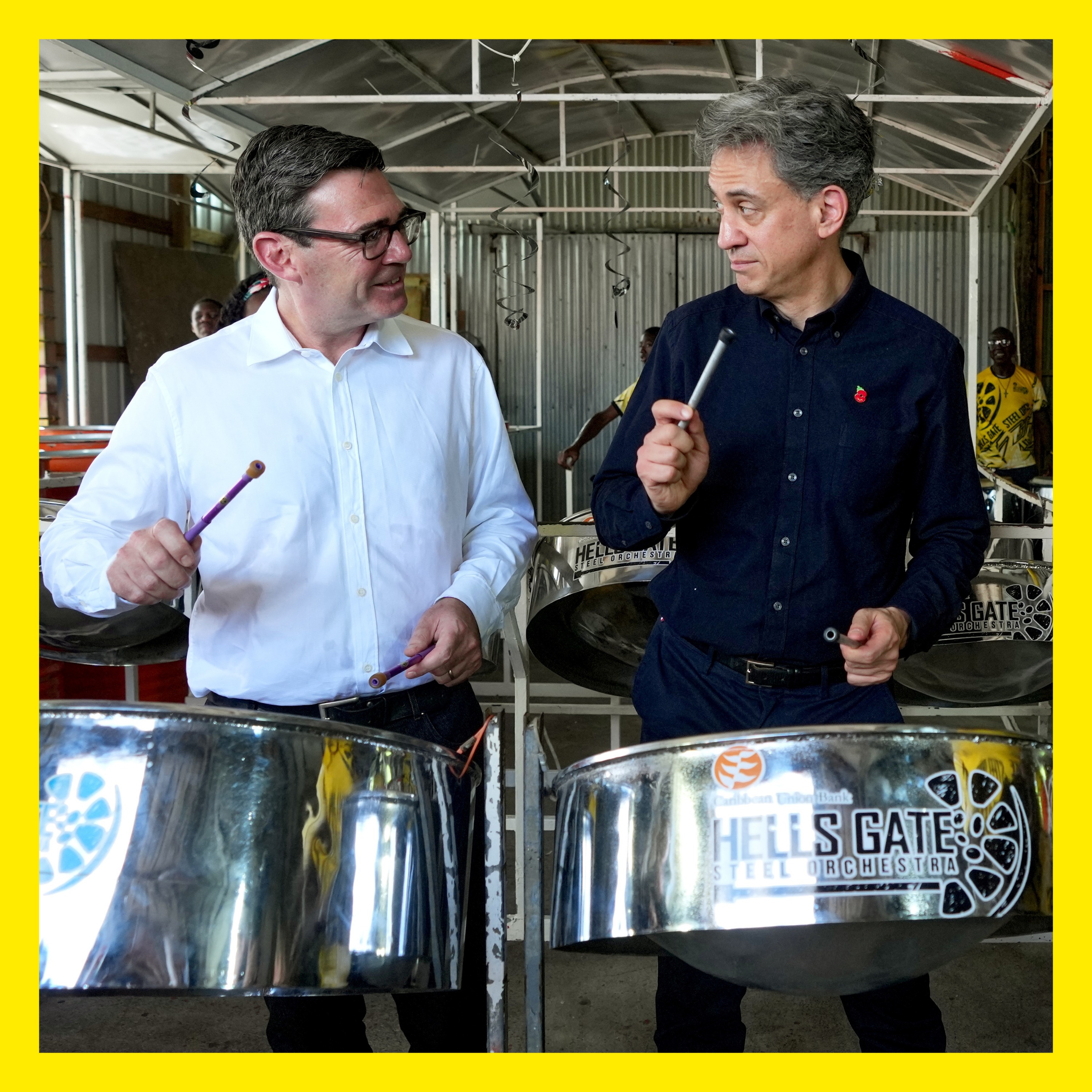
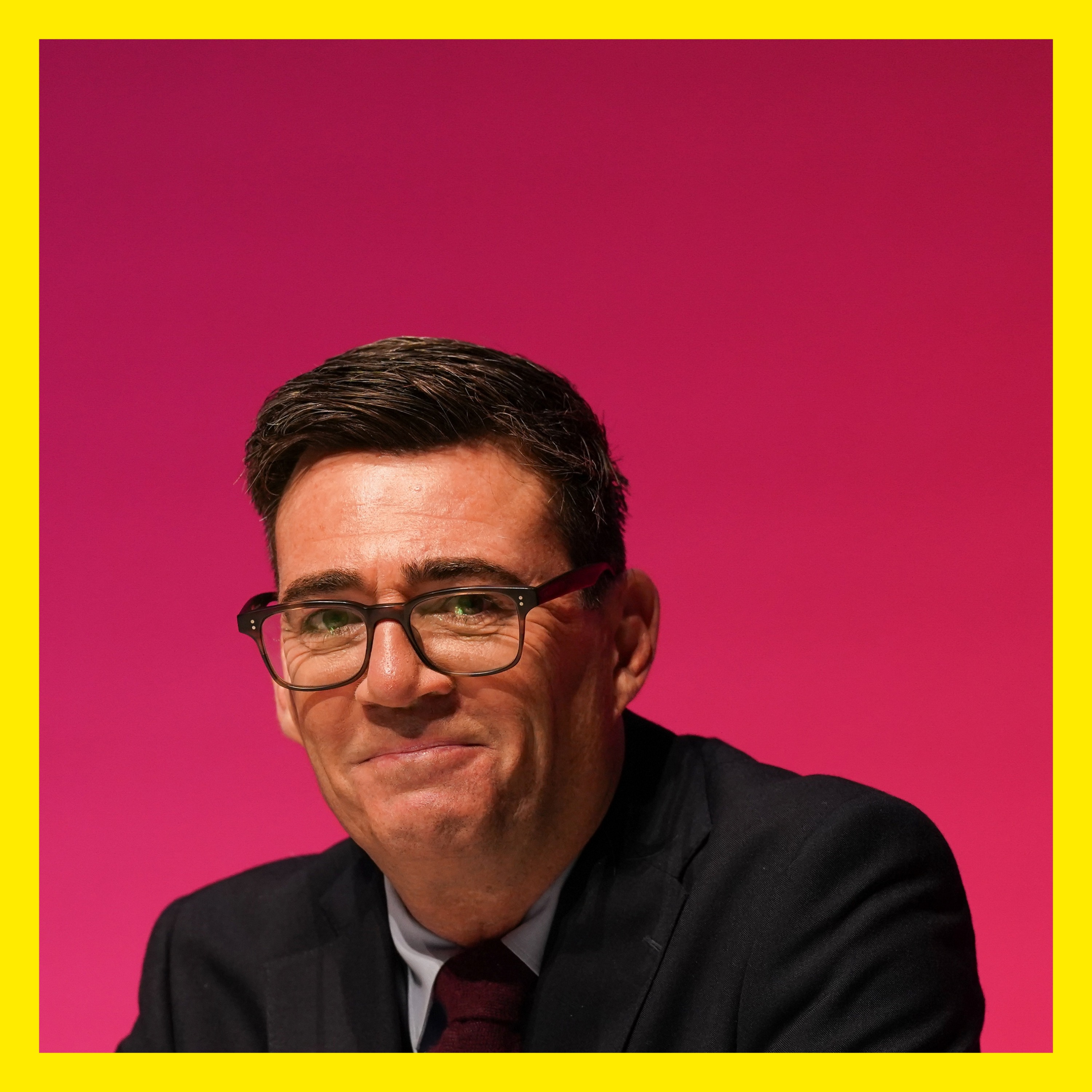
At the Labour Party conference in Liverpool, the mood is jubilant. They have a popular leader who can speak fluently in public. Andy Burnham's speech on Tuesday will be a big moment and it's expected to be full of announcements. Whitehall and cabinet ministers are trying to keep up.
The problem, as always, is making the sums add up. The prime minister has made social care the main topic of conversation. We discuss whether he is ready to ditch the triple-lock on pensions to pay for social care reform and whether he could fight an election promising tax rises.
In Rachel Reeves's first budget, taxes went up more than £30 billion, and then she had to come back for more. The Treasury wanted to avoid a third tax-raising budget but the numbers are moving against them.
Steven Swinford, political editor, The Times
Ben Riley-Smith, political editor, The Sunday Times
Patrick Maguire, chief political commentator, The Times
Producers: Euan Dawtrey, Harry Kitson
Executive producer: Molly Guinness
Pictures: Getty Images
This podcast was brought to you thanks to subscribers of The Times and The Sunday Times. To enjoy unlimited digital access to all our journalism subscribe here.
Hosted on Acast. See acast.com/privacy for more information.