 Ask ChatGPT



The UK Labour government’s new sanctions/trade ban on West Bank settlement exports, why it’s being introduced now, and the risk of US (Trump administration) backlash; the Reform UK conference fallout (donations row and a video of a protester being struck); and a preview of John Healey’s growth speech and what it signals for UK economic policy.
Lara Spirit (Deputy Political Editor, The Sunday Times) and Ben Riley-Smith (Political Editor, The Sunday Times). They discuss politics as Times/Sunday Times reporters.
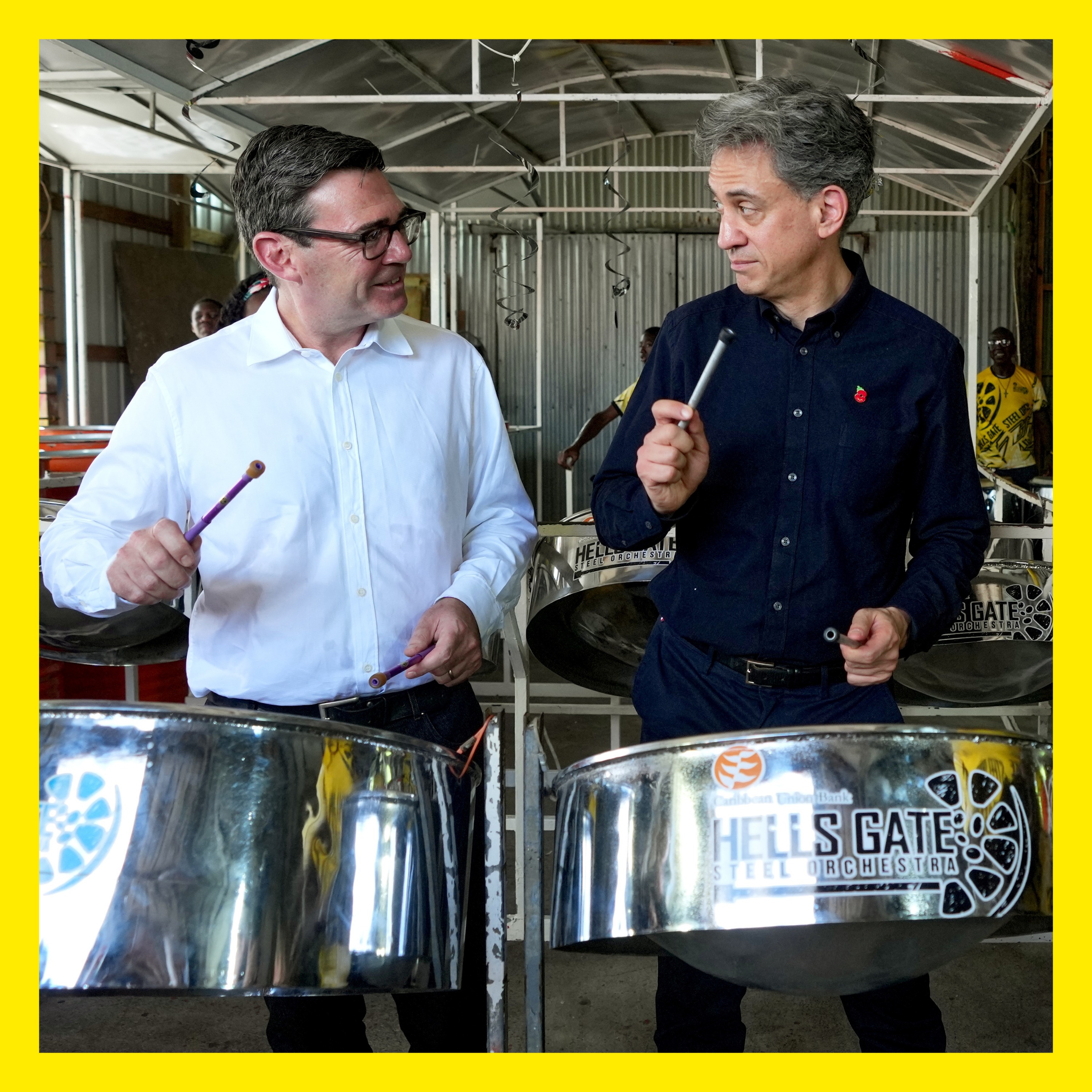
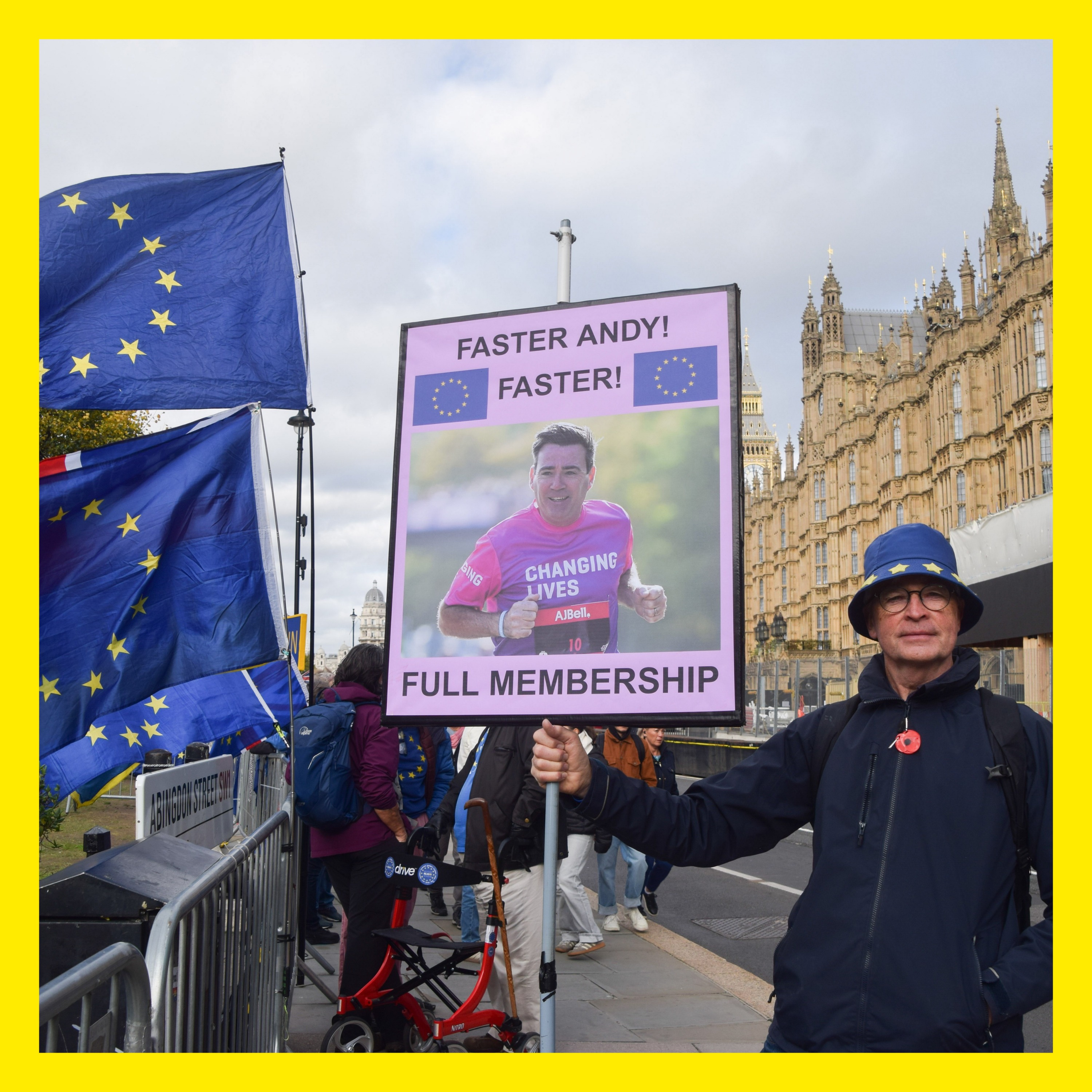
Ed Miliband and Andy Burnham want action on Gaza and to win back left/Muslim voters; timing may also be influenced by upcoming Israeli elections. US ambassador Mike Huckabee warns of real economic consequences. Reform’s “sting”/donations probe won’t go away and could hurt trust. Healey’s growth plan is more theory than immediate budget relief; tax rises likely.
Israel’s E1 sector tenders for 1,200 settlements; Huckabee’s claims about UK pharmaceuticals and Florida-style retaliation; Reform UK Farage speech heckling and Robert Jenrick’s “boohoo” response; Healey’s devolution and judicial review changes; Jaguar Land Rover job losses and Chris Rokos leaving for Greece.
Written by AI. May contain mistakes.
Analyzing the UK's announcement on the trade ban on Israeli settlements.
“But first we're going to be talking about Israel and the trade ban on settlements in the West Bank that the government is announcing.”
Exploring the political motivations and implications behind the trade ban.
“bombardment of Gaza and the position that Kirsten was trying to put them in.”
Examining the responses and potential consequences from the US regarding the UK trade ban.
“They're not doing a huge amount of trade with Israel.”
Discussion on the chaotic nature of the recent political conference and its impact.
“We're going to be talking about reform now.”
Analyzing the reactions and implications of protests during key speeches at the conference.
“And I mean, as we were sort of preparing to leave, this kind of second story was snowballing, which was the treatment of some of these protesters.”
Exploring the ramifications of investigations surrounding party donations and protests.
“And obviously, you know, most of them were absolutely convinced that it was a left wing stitch up.”
Discussion on how reform's policies resonate with voters and challenges they face.
“I think that's where the documentary could be quite damaging.”
Examining Nigel Farage's leadership and his future intentions within the reform party.
“And actually, you look at that 2019 group of conservative voters, they're more affluent than the current group of reform voters that we're seeing, for example.”
Critical insights on the recent growth speech by Chancellor John Healy and its implications.
“OK, well, we need to talk about John Healy, the Chancellor, before we end this episode, because you had a fascinating preview of the big growth speech that we had yesterday.”
Explore the tensions in the UK economic strategy and the implications of budget decisions.
“So is his economic approach that radical?”

Get the gist, explore an idea or ask about something said.
 Claude
On The State of It, what are the key points of this episode?
Searching your listeningAutomatic transcript. May contain errors.
0:00Hi, I'm Danny Fortson from the Times Tech Podcast, which is currently sponsored by ServiceNow. ServiceNow describes itself as an AI control tower for business reinvention, connecting systems, data, and AI so workflows more smoothly across organizations. The platform integrates with different clouds, models, and data sources, bringing them together in one place. To learn more about how ServiceNow puts AI to work for people, visit servicenow.com. Do you snore? Did somebody hand you a CPAP and did you quietly stop using it? The mask that never quite seals, the hose tugging at you every time you roll over, a machine sitting abandoned in a closet?
0:44Excite OSA works a different way. It treats a root cause instead of managing the noise and you use it while you're awake. 20 minutes a day while the coffee brews, while you set your fantasy lineup, an FDA-cleared prescription device for primary snoring and mild obstructive sleep apnea. Then you go to bed like a person, nothing strapped on, nothing plugged in. In clinical studies, 90 % of patients saw a reduction in snoring. No sleep study required. Prescribed online, shipped to your door. ExciteOSA at springsleep.com slash sleep20. Code sleep20 for 20 % off. Excite OSA is an FDA-cleared prescription-only device for primary snoring and mild obstructive sleep apnea.
1:35Not for everyone. Individual results vary. Risks and benefits at springsleep.com.
1:44Hi, welcome to The State of It, the politics podcast from The Times and Sunday Times. I'm Lara Spirit, the Deputy Political Editor of The Sunday Times. I'm Ben Riley-Smith, the political editor of the Sunday Times. Today we're going to be talking a little bit about Reform Conference as it came to its end at the weekend. Have these questions gone away? What do we think could be coming down the track? We'll also be talking about whether or not John Healy, the Chancellor, is Rachel Reeves in disguise, as described by Tom Peck, the excellent Times sketchwriter, this morning. But first we're going to be talking about Israel and the trade ban on settlements in the West Bank that the government is announcing.
2:22what the government wants to achieve and whether or not in some way this could be difficult for them. So Ben, do you want to just start by talking us through why you think the government is doing this now? Yeah, I think it's a significant day. I think it's the most significant foreign policy intervention of this early Andy Burnham government. Ed Miliband, the foreign secretary, has talked about a reset in relations with Israel. And today he is clamping down on exports from the West Bank. controversial moves triggered a whole lot of reaction which i'm sure we'll get into i guess the first question is why now there's a kind of obvious answer which was last month israel begun to put out tenders for this uh extra construction in the west bank this e1 sector east of jerusalem and put out tenders to create 1200 settlements the international community consensus is that it's illegal.
3:13But I think it's more than that. Number one, we have a new foreign secretary, Ed Miliband, and it's a foreign secretary who missed out on being chancellor, which is a post he's thought about a lot, had been in the Treasury under Gordon Brown. And we know about Ed Miliband as energy secretary. He is an activist, forward-leaning minister who wants to get stuff done. So a bit of it to me feels like a foreign secretary was overlooked for chancellor, wanting to put his stamp and show how he can have an impact on foreign relations clearly he and Andy Burnham and a lot of people across the Labour Parliamentary Party feel that they got a question of Gaza and ceasefire in the wake of October 7th wrong the Prime Minister's explicitly said that he felt they should have called for a ceasefire sooner than they did so there's clearly a point of principle and you get the feeling that Miliband and Burnham believe this is the right thing to do but then there's also mixed in that the question of politics so we know that Labour lost a lot of votes on the left flank to the Greens in the wake of Israel's bombardment of Gaza and the position that Kirsten was trying to put them in.
4:22Part of Andy Burnham's reasoning for saying publicly that they got it wrong was to try and win backs particularly Muslim voters who'd been attracted by the Greens and this does come before party conference when we're expecting some of these ructions to play out. Then this other question about the timing is which Ed Miliband and the team really need to respond to is well why are you doing it now it's just a few weeks away before the Israeli elections this could be a government that's going to be deposed and you'll be dealing with different leaders in a couple of weeks time so it seems that mix of kind of principle political pragmatism and a new cabinet minister wanting to stamp their mark and it'll be I mean on that question of elections that does seem to be one of the concerns that when I've spoken to Labour MPs this morning, they raise just that question of we don't want to be alienating Israeli voters and perhaps aiding in some way Benjamin Netanyahu in that election, perhaps by doing this and isolating Israel.
5:16I think the sense I've got from Labour MPs, I don't know what your sense has been, Ben, is just that there's a sort of tentative support for these measures, but I think a real nervousness about making sure that they land it right and that they articulate it right. And I think that's why quite a lot is riding on just how it lands. That's interesting. I mean, my instinct's always been on this issue, the weight of the parliamentary Labour Party is towards a more critical stance on Israel than Keir Starmer adopted for most of his tenure. I mean, there's a fascinating political history to why Keir Starmer was so robust in support of Israel.
5:51That I think goes back to the situations when he took over, you know, Jeremy Corbyn's Labour Party, mired in claims about whether they'd turn a blind eye to anti-Semitism. Kind of on this first day, Keir Starmer was calling senior Jewish community figures and saying we're going to get out the scourge of anti-Semitism. So he kind of identified his entire modernisation project so much with sticking close to Israel and being very critical and concerned about anti-Semitism in the party. And it felt the initial response to October 7th kind of was seen through that prism by him. But you always felt most Labour MPs were slightly keener to take a tougher stance on Israel as the bombardment of Gaza kind of became apparent.
6:34Is that your sense about where? Yeah, I mean, it's interesting. You mentioned that intervention from Andy Byrne before he became prime minister, where he did that video where he said we were too slow to call for a ceasefire. Clearly, this is something he's been thinking about for a long time. And when Ed Miliband became Foreign Secretary and I was speaking to some of those close to him, offering my condolences about him having missed out on Chancellor, they would say one of the most important things that he's keen on pushing action on is Gaza. That will be a really key priority. So from the very get go, that was clearly something that they were going to focus on.
7:02I guess the big question that we need to come to is what this means internationally, because, of course, actually, if you look at the opinion polls, the British public are largely quite supportive of these measures. There's been a couple of opinion polls that suggest that this is something that kind of is in tune with wider public opinion, particularly, as you note, with prospective Labour voters who Andy Burnham wants to get back into that progressive fold. But there is the question, of course, not just of Israel, but also of the US. We've already seen in the form of Mike Huckabee, the ambassador, to have been very strongly opposed to this, saying it's due hatred.
7:33Really robust language from him on this particular topic. I was interested to read in Bloomberg this idea that actually there's trying to be some reassurance behind the scenes towards the Americans and to the Israelis to the to the effect of actually it doesn't change anything substantially about opposition here necessarily. And I was just looking at this this morning and trying to get my head around how significant actually in real terms is this intervention. I mean, obviously, I think it's like six billion, the trade that we do with Israel. That was settlements will be really minuscule in comparison.
8:04Right. It's not going to in that way massively meaningfully dent it. And then I was looking at the two countries in Europe, Slovenia and Spain, who have tried to take measures to this effect. I mean, Slovenia put them aside. They're not doing a huge amount of trade with Israel. But on the Spain question, it has been very difficult. Reporting in Spain suggests very difficult to make something like this meaningfully work. And there are a number of practical considerations here. And I think because you've outlined the politics so well there, Ben, I guess there is a question as to whether or not they can just try and reassure the Americans and the Israelis and say, actually, this is really important for us to do as a kind of signal, but it's not going to meaningfully change that much.
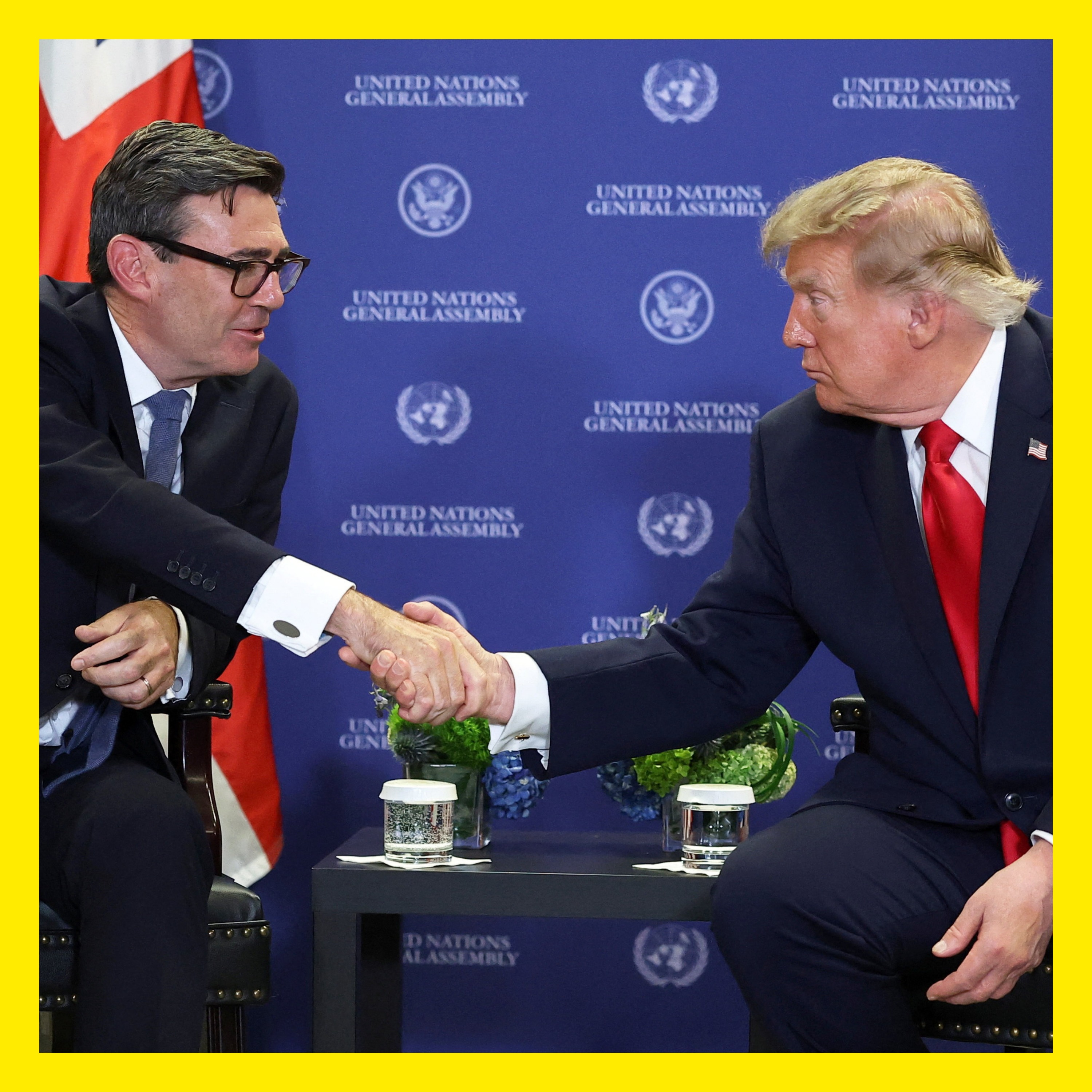
8:38Well, clearly, the Burnham government is alive to that danger of an American backlash, because yesterday, Andy Burnham had a conversation with Donald Trump. And it's been reported that as part of that, the Prime Minister explained what he was doing. So clearly they were trying to preempt any possible reaction from the Trump administration. I mean, Mike Huckabee's comments, he did a Today programme interview. Mike Huckabee is the US ambassador to Israel, ally of Trump, former presidential candidate, father of Sarah Huckabee Sanders, who if people remember the first term was Donald Trump's White House press secretary.
9:14So very aligned with Trump. I mean, as you say, he made that comment over the weekend talking about Jew hate in Britain, which is pretty strong language. But in his Today programme interview on Tuesday morning, he went a step further, really, and talked about policy implications. His basic argument was, does Britain realise what it's getting into with this move? One thing he said was, I don't know if this is true, but he said 25 % of British pharmaceuticals are made in Israel. And the criticism or the question about how do you determine what is a good or service that originates from the West Bank versus other parts of Israel?
9:49And how do you make sure this isn't a kind of Israeli trade ban? And the other thing he said, which again, I'm taking his word, is that the state of Florida has a law which says if you take a move like this, no British company can do any trade with Florida. I don't know the specifics of that, but the fact that the American ambassador in Israel is elevating the idea that they're going to be real consequential trade implications for Britain, you know, that could have economically damaging impacts. So the thing to watch really in the coming days is how hard on policy, not just rhetoric, does the Trump administration act?
10:23And it is, I mean, you spent a lot of time reporting in the US, Ben. It is hard to know with Trump sometimes exactly how much he particularly and singularly cares about an issue. We had a number of truth socials from the president last night of which this did not feature. And obviously one of the big questions will be, does he want to really elevate this and lean into it? We are expecting Andy Burnham to go to the US in the coming weeks as well. so clearly this is going to be something that either could massively blow up yeah or perhaps not and of course um you know you've written about this the sense that there's a hope that in taking action on jackdorf for example yeah that perhaps that that will signal to the trump administration that they're doing some things that he does like the question is whether or not this will be something that they he really gets his allies to coalesce around yeah and oppose yeah well i'd say a couple of things one that i i spent four years as you mentioned covering Trump's first term.
11:14One thing I think you always have to remember is, as a national media focusing on the UK, do not assume whatever we are talking about in terms of UK-US relations is at the top of Donald Trump's mind. But this is a big one. So I wouldn't be surprised if he is aware of it. The second thing is there's always this difference with Trump between rhetoric and policy reality. So I'm sure you will get very tough rhetoric about the move we're taking. What you really need to watch for us in the coming weeks, are there like genuine, do they suddenly sanction British companies involved in Israel some way to recompense?
11:46And then the other thing on the American front, I think just step back, big challenge for Andy Burnham is how to play or handle or deal with Donald Trump. And there are a lot of diplomatic fires now going into the meeting in the UN, we're expecting later this month, raging. So there's this one. There is also the Chagos Islands, where we reported the weekend, And West Street and the Defence Secretary is full square behind the deal that Keir Starmer did about giving away the Chagos Islands. We know that has frustrated Trump, who initially was supportive of the deal, but has flipped. A lot of that is to do with Iran and us not letting American jets attack Iran from Diego Garcia.
12:26That's the US-UK base on the Chagos Islands. You've also got the Falklands. Donald Trump again because of his frustration over Iran is deliberately elevating the idea that maybe he's not going to stick by our interpretation of the Falklands being the British overseas territory that's a really really important relationship for any prime minister with the US president Keir Starmer actually largely most people would consider in Westminster played it pretty well until Iran totally disintegrated their relationship I always think Trump's like a finger trap you know, whichever way you move it's going to be painful if you try and pull away from him it's going to bite if you try and get close to him you're just creating a tighter bind for when you try and pull away from him it's incredibly hard but Andy Burnham is not that experienced on the world stage and this is just another challenging diplomatic situation that he's going to have to handle when he sees Trump and what did he say?
13:22He said I'll meet him where he is which is basically the full kind of insight that we've had on exactly how he's going to handle that relationship. So I think you're right to say it's a bit of an open question, but it's interesting. I mean, so stay with us. We're going to go to a quick break when we are going to be talking about this. Very disturbing video that came out of your conference about a woman being dragged out by her hair and being hit over the head. That was Robert Jenrick speaking to Sky News about the manhandling of a heckler during Nigel Farage's speech at Reform UK's party conference.
13:55Hi, I'm Danny Fortson from the Times Tech Podcast, which is currently sponsored by ServiceNow. ServiceNow describes itself as an AI control tower for business reinvention, connecting systems, data, and AI so workflows more smoothly across organizations. The platform integrates with different clouds, models, and data sources, bringing them together in one place. To learn more about how ServiceNow puts AI to work for people, visit servicenow.com. In a world where AI is changing every role in every industry, knowing who actually has deep expertise matters more than ever. Upwork connects you with the highly skilled freelance professionals with proven track records, so you can hire with confidence.
14:38Upwork gives your business fast access to highly skilled specialists with deep expertise, so you can fill critical skill gaps, launch projects faster, and scale support up or down without committing to full-time headcount. With Business Plus, you can access the top 1 % of talent on Upwork. AI-powered shortlisting delivers a curated shortlist of top freelancers matched to your goals in under six hours. No endless searching required. Thousands of growing businesses already trust Upwork to hire highly skilled freelance professionals for everything from one-off projects to ongoing support. It's free to sign up, and posting a job is easy.
15:12Visit Upwork.com right now and post your job for free. That is Upwork.com to connect with top talent ready to help your business grow. That's U-P-W-O-R-K dot com. Upwork.com. While every other channel is fighting for your customers' attention, podcasts are where they've already given it. No one accidentally listens to a podcast for 45 minutes. They choose to be here. They trust the voice in their ears. And when that voice talks about your brand, it doesn't sound like advertising. It sounds like a recommendation from a friend. ACAST gives you that trust at scale. Digital precision, host-read authenticity, and performance data that proves it worked.
15:50Don't fight for attention. Buy it with ACAST. Learn more by visiting acast.com slash advertise.
16:01Welcome back. We're going to be talking about reform now. Obviously, the conference is over. Ben, did you have a good? I just about recovered. Yeah, it was tiring. It was pretty full on. I mean, it's one of those classic conferences that you get occasionally where there's what the party wants to talk about. And then there is another totally different agenda, which is this donations row about this thing that dominated. So endlessly, party leaders are trying to bring it back to policy and all the journos keep talking about this other massive thing. It doesn't happen often, but it does make for a chaotic conference when that happens.
16:30Yeah, it was a pretty busy conference. And I mean, as we were sort of preparing to leave, this kind of second story was snowballing, which was the treatment of some of these protesters. We heard the clip there from Robert Jenrick. What do you think about his response to that, which was usually when you see something like this, you'll have an absolutely zero tolerance line from the party leadership, which will distance itself. Clearly, Robert Jenrick not going down that particular line. I mean, I was a bit surprised given that, so for those people who don't know, Nigel Farage's speech on Friday was disrupted by successive protesters who were removed from the hall.
17:02One of them, young female, very vocally disrupting his speech. this clip begun to emerge of an elderly man with a kind of cane striking her basically and it was deemed sufficiently serious that the local police ended up putting out a tweet saying if you can identify this man let us know so robert jenwick saying boohoo nothing nothing to complain about here i was a bit surprised but then i guess the way to understand it is to see it in that framework as there's this whole narrative running through reform, which is PC gone mad, pandering to kind of wet libs. And as Robert Jenrick argued it, if you are going to try and ruin a party leader's main speech of the year deliberately, then you've kind of got it coming for you.
17:53Now, that is clearly controversial because you could argue it's physical assault. What do you think of it? I remember watching the Farage speech where there were multiple hecklers. And on the first occasion, he was pretty lighthearted and chilled out about the whole thing. He was making a joke of it, which, of course, all politicians know is the right way to respond to these kinds of things. And sort of you could tell the crowd was with him and it was all a bit jolly. And by the second and the third and it was going on, these multiple disruptions, you could tell he was just a bit afraid. And knowing, as we do, because, you know, we reported it at the weekend, just how difficult his previous night had been when there'd been the business dinner.
18:30He'd been eating with Bardella, Jordan Bardella, the far right French politician ahead of his speech. And he had had multiple calls from these politicians about this channel for verbatim investigations and then losing two very significant aides overnight and into the early hours of the morning. We know that he was not necessarily having a fantastic day anyway. way so i think just the symbolism symbolism of it is not fantastic i think generally the consensus has obviously been you largely shouldn't hit protesters i mean it's pretty clear-cut it's probably a safe position the footage itself was so striking i think and actually pretty violent that it was hard to watch that and and then watch robert jenrich's reaction and think okay that's an appropriate way to respond to what we've just seen in a way the most interesting bit of the reaction in the hall was not Nigel Farage's reaction but the audience I mean I don't think I've ever seen a party conference where the leader has been heckled and members of the audience have decided to physically intervene in removing that protester it might be something about the you know this whole narrative that Nigel Farage had all summer which is the establishment's out to get us somehow yeah I really I felt that and obviously you and I walking around the conference hall trying to get a sense of what the activists that were there were thinking about this unfurling saga over the donations row.
19:47And obviously, you know, most of them were absolutely convinced that it was a left wing stitch up. Just yet another example of Nigel Farage being, you know, bullied by the elite, misrepresented, etc, etc. But what do you think about what's going on with reform going into this week? Is there going to be any lingering damage as a result of this, do you think? I mean, in one practical sense, we are going to be talking about that investigation, of course, you know, that undercover filming taking place over many, many months in which, You know, we saw that more than£30 ,000 spent on polling and then also separately that conversation that Nigel Farage was present for, where there was a discussion about an impermissible donation that didn't happen, but of half a million pounds.
20:25Reform points out that if the donation conversations had got further, the compliance experts in the party would have alerted them to the issue. The party denies all wrongdoing, as does Nigel Farage. His most recent line to Laura Koonsberg of the BBC was that he wasn't listening. But clearly we are going to have the ongoing standards probe. Nigel Farage will be talking to them at some point over the coming weeks, we expect. So on a very basic practical level, this isn't going away. Yeah. But I guess is the question, was this just a very embarrassing thing that happened, unfurled at party conference?
20:54Because all the journalists were there, we thought about it a lot more. Or is this actually a really significant line in the sand for reform? Well, I guess obviously it's worth saying, you know, the three people involved, Nigel Farage, Dan Jiggs as well, and James Orr, this Cambridge professor who's head of policy, all the 90 wrongdoing and the consequences of what was revealed in that footage will play out and we'll see what happens there i think our colleague josh glancy wrote this really interesting column on sunday that with reform there are two different things one is whether their policy message is resonating with chunks of the country and another which is party management and the readiness for government and the image that they're giving off in in that capacity on the first one you have to say there's a lot of proof that the answer is still yes you know in west minstead we get obsessed with the polls and whether up and down almost every poll shows one in four people in the country would vote for them if there's an election tomorrow now it was near 30 and it's dropped down and in the narrative that means they're doing worse but there is a huge chunk of the country that's drawn to them on policy i think a lot of it has to do with these problems that they just see the Tories can deal with and our Labour can deal with clearly immigration is one of them and particularly the small boats issue because actually net migration is dropping pretty markedly and then there's this other question about okay I may agree with them on some policy and it should be noted the Tories have moved pretty close to them on most policy areas got much harder on immigration got much harder on welfare they were all promising kind and massive spending cuts and tax cuts as well, of varying degrees, of varying plausibilities.
22:34But on this idea about whether, as a voter, you really think, I want Nigel Farage as my Prime Minister and a group of largely, as of yet, unnamed people to be his cabinet and these people around him, how trustworthy are they? I think that's where the documentary could be quite damaging. I think some of the people watching that sting might have thought, there's a kind of cockiness and a kind of wink, wink, nod, nod, kind of conversations in corners about how kind of mutual benefit can be gained from people who are looking to gain money i think that's where people begin to think okay do i really want these people to be running their government even if i'm drawn to them because some of the policies are where i am as well yeah it's interesting and i mean we were looking at some of that data from more in common which was showing that actually if you're going to get to that kind of magic number of 37 plus percent in the wider public what does that actually take for reform to do given they've slipped back so much this year.
23:30And actually, if you're looking at the data, quite a lot of these voters, they need to win over 2019 conservative voters. And actually, one of the most interesting policy stories I thought coming out of Reform Conference that no one is talking about, really, was what Robert Jenner was saying about inheritance tax. Because this is something that was basically a reform policy. Reform wanted to scrap cut inheritance tax. They were highly critical of that. And Robert Jenner was saying, you know, yeah, it's a bad tax. It's double taxation. I don't like it. But essentially, sorry, it's pretty irresponsible.
23:55I'd rather raise the threshold for income tax personal allowance. And that would actually be a much better way of delivering a tax cut for people. What was your read of why they went for that one? Well, I think part of it is that they genuinely feel they need to appeal to as wide a section of people as possible. And that this was a tax that would mean that nearly three million people would be taken out of paying income tax altogether, which is a really sizable tax cut. I don't think anybody would doubt that. Although we should also say by way of how ambitious it was that actually in the manifesto in 2024, the reform policy was even more ambitious and generous than this.
24:27But Robert Jenrick, as an economic spokesperson, as a former Tory, is obviously trying to say we're a responsible professional party. That's the message from this conference. But he went as far to criticise other parties that were looking at inheritance tax as a possible solution. And actually, you look at that 2019 group of conservative voters, they're more affluent than the current group of reform voters that we're seeing, for example. And so there are difficult choices that they have to make in trying to broaden their appeal here. And it's interesting that they've clearly closed off that avenue, at least for now.
24:52and I just wonder looking at the kind of wider appeal also in that data from Luke Trill at More in Common there was you know a significant number of people prospective reform voters reform considerers who were saying that kind of perceptions around sleaze for example were a really significant reason why they didn't want to vote for reform so I think to say that this has no impact is is obviously limited particularly when we're now talking about yes there is this extremely loyal core of reform voters but then there is a really big challenge that they have in making sure that they massively widened the base.
25:22And I was talking to a Labour advisor last week at lunch, and they just said, oh, yeah, it's all about the Tories now. Yeah. I mean, in quite a blasé way, which is obviously, I mean, that's obviously not true, too far as reform are still extremely popular, to discount them would be absolutely mental. Yeah. But it's really significant. There are people in Labour who are saying at the moment, well, actually, we're being told that we've got to think more about the Tories coming back from this, coming back from this. Absolutely. Only two years after of that kind of hammering election defeat. I mean, step back on what is true with every single political party that Nigel Farage has led.
25:55They are parties of protest. He's never managed successfully to translate them into a party of government. And then add into that all these swirling questions about, put crudely, how much does he want it? And he came close to saying in public interviews over the reform conference that he considered quitting. He kind of slightly went back and forth in his wording about that in different interviews. But he did say my family were urging me to quit over the summer. Yeah, they're begging him to quit. Begging him to quit. And he did say, I'm going to lead reform into the next election. But the fact that that's even a thing that we're talking about, I think, reflects that it has been an open question about, does he really want to be prime minister in all the hard work that involves leading a government for five years after the election, which is possibly only in three years' time?
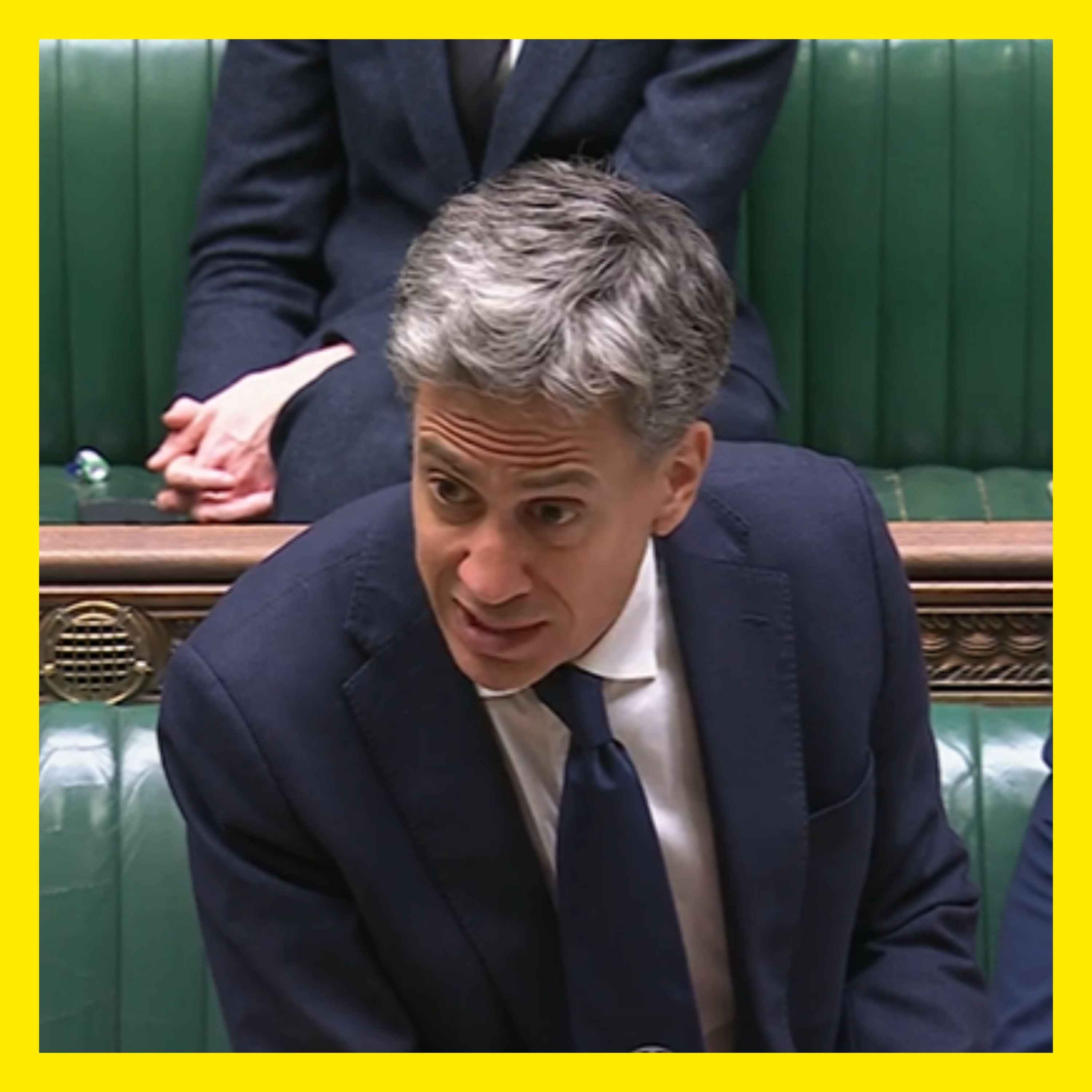
26:40I don't know. He clearly says yes, but it remains a question. Yeah, it's very interesting. OK, well, we need to talk about John Healy, the Chancellor, before we end this episode, because you had a fascinating preview of the big growth speech that we had yesterday. What did you make of the speech that we saw? It was fairly policy light. I mean, you kind of have to get a growth speech as a Chancellor, don't you? People say that you're not talking enough about growth. Yeah, the framing from Healy's people in the Treasury was that this was economic theory speech, really. So there's been this line of criticism through Rachel Rees, Chancellor's ship, that she didn't really come up with what her theory for where economic growth comes from.
27:13I know Ed Balls and George Osborne, those two former Treasury figures who have a podcast, often talked about that. So I think this was an attempt by Healy, the Chancellor, to spell out his proposals for where growth comes from. I suppose you would say it wasn't kind of radical. A lot of it was echoing elements that Andy Burnham has talked about. so clearly they think devolution pushing power down to mayors by giving them some income tax receipts to hold could be one way that you trigger growth and more meaningful growth in local areas but I did talk to Paul Johnson the former think tank head who said okay great devolution may well lead to growth in five ten fifteen years not next year or the year after now maybe that's an admirable reason to do a policy in the long run but it's not suddenly going to boost the coppers next year and then there were various other principles like boosting investment private and public um i i guess the big question coming out of it is how radical or different this economic strategy is because you do see this tension between burnham who remember came in saying effectively i'm the most radical changing force this country has seen in politics for 40 years and then john healy who's trying to reassure the markets that they're not suddenly going to go on a massive spending splurge or a massive borrowing splurge.
28:32So is his economic approach that radical? And I think on paper, doing things like extending limits on judicial review capability beyond critical energy projects elsewhere is something that largely you'd have an elite consensus for, at the very least. I don't think people are criticising that. As ever with these things, the question is just whether or not he can actually do them and deliver them. I think the number of times we've heard chancellors talk about the thicket of this and that, and chopping it down. Much of it will depend on how efficient and effective he actually is in delivering these things.
29:02And it does seem, I mean, reading Rishi Sunak in the Sunday Times this week is a good illustration of just how difficult it's going to be for him. I mean, Rachel Reid left him more than 23 billion in a headroom, which is not bad. And yet as much of half of it has already been eroded. Our interest and debt is highly linked to inflation, much more so than other countries. And we're in that sense, we are in quite a vulnerable position. And as we've seen with recent news on the guilt markets, it's not looking good and they are going to have to make some very tough decisions. And his recommendation was you should just rule out these tax rises.
29:32And that was something of a gambit that obviously John Healy yesterday did not take because he was asked and did not do that. But it does still seem to be, we've spoken on this podcast before, that tax rises seem very likely. Yeah, but that was the funny thing about the speech is he was trying to do this kind of theoretical argument for, you know, the financial times is editorial board and the market traders and yet uh what all the journalists wanted to ask about was the resale questions about the budget you know the people who are watching who are wondering whether their tax is going to go up or down and of course healy like all previous chances said like i really can't get into speculation clearly things are tricky but the reality of the budget is they push back quite a lot of the big decisions that could have involved big numbers so we know the defense spending increase that they want to do hitting 3 % of GDP by 2030, possibly.
30:21Certainly 3.5 by 2035 isn't coming until next year, so they don't need to come up with the money for that. Social care, they're going to get some ideas back in 2027. That could have huge fiscal implications, but they've parked that for now. And even welfare reform, which is an area where I think they're not framing it in this way, but they're hoping they're going to be some cost savings. None of that is actually going to be implemented in terms of the numbers until next year. So then you look at, OK, you've got this fiscal headroom of 24 odd billion that's been halved. I think one of the big questions is how high do they want to rebuild it?
30:54So Rachel Reeves had about 10 billion in her first couple of budgets and she increased it up to 24 billion. If it's been halved, you know, Rishi Sunak was advising that they should build it back up into double figures again. So I think when they're working out the numbers, there's going to be this question of does he want to get it back to 24? is he happy to have it around 10 i think that's going to be a big chunk of um their approach to the budget that we don't really know yet and whenever you talk to people around the treasury they say look we're still what are we six seven weeks away uh the numbers can change pretty wildly i mean rishi senac in that sunday times piece said the fluctuations when the obr the watchdog is giving you the numbers and the run-up to the budget on how much you're spending on debt interest is absolutely huge he said between rounds of uh estimates it could range 10 billion up or down so i think even in the treasury it's still quite far out healy did have one great stat which he said the amount that we're spending on debt interest uh if that was a government department it would be the second biggest government department yeah so that's that that is such a big factor in where the numbers play out uh so i think the treasury to a degree is kind of watching and waiting what's happening yeah and a good riposte to those who think that the debt bill doesn't matter all that much obviously yes it's a very significant constraint and i think i mean this is a podcast partly about andy burnham so we have to talk about the vibes the backdrop to yesterday was of course that massive sunday times exclusive about the job losses at jaguar land rover into the many into the i think 4 000 that were confirmed yesterday and news that chris rockos the third biggest taxpayer in the uk would also be departing for greece which is not taken together a massive sign of confidence in, I mean, not, I mean, I think we can argue about this government, but just generally in Britain's, in the economic picture in Britain more broadly.
32:48Well, I tell you what, that leads back to what we're talking about at the beginning and the relationship with America. I think a year ago, Keir Starmer declared that he'd saved a load of jobs at JLR because of the deal he'd done on tariffs with Donald Trump and now rolled forward 12 months and they're announcing massive job losses. So to me, it's a reminder of how important it is to somehow cement that American relationship and how precarious it is. Okay, well, I think that brings us to the end of our episode this week. Thank you so much to Harry Kitson, our wonderful producer. And we will be joined by our fabulous Times colleague, Stephen Patrick, who'll be back with us next week.
33:26Hi, I'm Danny Fortson from the Times Tech podcast, which is currently sponsored by ServiceNow. ServiceNow describes itself as an AI control tower for business reinvention, connecting systems, data, and AI so workflows more smoothly across organizations. The platform integrates with different clouds, models, and data sources, bringing them together in one place. To learn more about how ServiceNow puts AI to work for people, visit servicenow.com. Do you keep hearing podcast ads, like this one, for example, but always wonder how you actually get involved with them for your own brand or organization?
34:04Well, it's easier than you think. We're Acast, and we give you the platform to do it all yourself. Browse thousands of popular podcasts, choose the shows that match your perfect audience, set your budget, and launch. And if you want a hand, our podcast specialists are there to help you launch with confidence. This is podcast advertising without barriers. Get started at acast.com slash advertise.
Ben Riley-Smith, political editor, The Sunday Times
Lara Spirit, deputy political editor, The Sunday Times
Producer: Harry Kitson
Executive producer: Molly Guinness
Picture: Parliament TV
Audio: Sky News
This podcast was brought to you thanks to subscribers of The Times and The Sunday Times. To enjoy unlimited digital access to all our journalism subscribe here.
Hosted on Acast. See acast.com/privacy for more information.