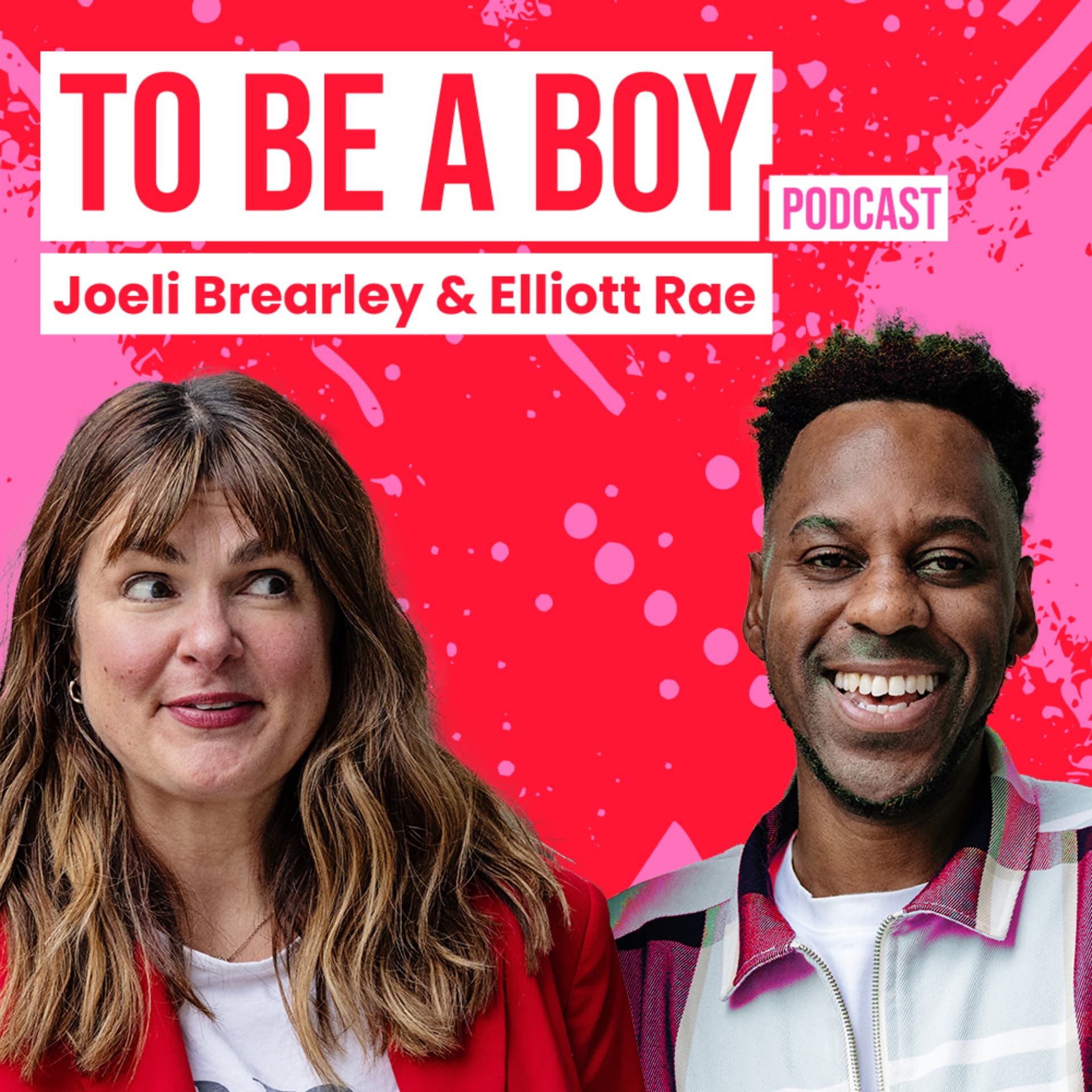
In short
Keir Starmer discusses the newly Royal Assented Employment Rights Act, framed as the biggest employment legislation change in a generation, focusing on parental rights, discrimination protections, flexible working, sick pay, harassment duties, and tribunal access.
Guests
Keir Starmer (Prime Minister; former Director of Public Prosecutions; knight; father) and podcast hosts Elliott Rae and Joeli Brearley (campaigners/interviewers on working parents’ issues).
Key claims
The Act should reduce pregnancy/maternity discrimination; the government will track discrimination data (citing 54,000 women pushed out annually). Stronger maternity/paternity rights and paid/unpaid leave structure will benefit families and businesses. Tribunal time limits rise from 3 to 6 months, but enforcement and union support are still needed. Child poverty and childcare affordability remain major drivers of outcomes.
Notable examples
74,000 women/year pushed out; 60% of unpaid care by mothers; ONS claim mothers earn ~42% less five years after first baby. Paternity leave linked to dads’ mental health (postnatal depression; suicide figures cited). Childcare described as “free” for 9 months–4 years, but parents still pay consumables.
Written by AI. May contain mistakes. Listen to the episode to check what was said.
Chapters
Tap a time to open that second in VOUnderstanding the Employment Rights Act
0:45 to 2:00
Keir Starmer discusses the key changes in the Employment Rights Act.
“It will impact every person who works in this country.”
Impact on Pregnancy and Maternity Discrimination
2:00 to 3:20
Discussion on how the Act aims to reduce pregnancy and maternity discrimination.
“So my first question to you, Prime Minister, is do you expect pregnancy and maternity discrimination to decrease as a direct result of this bill?”
The Importance of Paternity Leave
3:20 to 5:00
Exploration of paternity leave and its significance for families and businesses.
“We need to know that what we've put in place works and know whether we need to do anything more if the data isn't in the right place.”
Challenges of Parental Leave Policies
5:00 to 6:40
Discussion on current parental leave policies and their economic implications.
“Here at IKEA this morning, we've been talking about paternity.”
Access to Justice for Mothers
6:40 to 8:30
Addressing the difficulties mothers face in accessing justice regarding discrimination.
“It would really send a signal to voters that you're backing dads.”
Child Poverty and Its Implications
8:30 to 10:00
Keir Starmer emphasizes the importance of addressing child poverty and its effects.
“it's the main reason women don't want to have children.”
Childcare Costs and Solutions
10:00 to 11:40
Discussion on the challenges of childcare costs and potential government solutions.
“Because all these things start with a campaign.”
Child Poverty and Childcare Challenges
14:03 to 15:47
Discussion on the importance of addressing child poverty and the need for more childcare support.
“So I don't want my children or my children's children to grow up in a world where politicians don't care about child poverty.”
Boys' Mental Health and Development
15:47 to 17:48
Exploration of the challenges boys face in mental health and education, including government strategies.
“So we have lots of conversations about boys on this podcast.”
The Importance of Employment Rights Act
17:48 to 20:08
Insights into the Employment Rights Act and its potential impact on workers' rights.
“Supporting boys and men is good for gender equality, women and mothers.”
Show all 18 chapters
Reflections on Interviewing the Prime Minister
20:19 to 23:22
Elliot Ray discusses the challenges and responsibilities of interviewing the Prime Minister.
“You want to sit in front of the decision maker and say, this is the problem, what are you going to do about it?”
The Need for Continued Advocacy
23:22 to 26:54
Discussion on the necessity of advocating for parental rights and the role of constituents.
“So, you know, there's things like that that we would love to have a conversation.”
The Power of Political Engagement
28:04 to 28:35
Discover the importance of individual voices in politics and community involvement.
Prime Minister Role-Play Begins
28:36 to 29:05
Participants engage in a fun role-play scenario involving the Prime Minister.
“We were going to end with something a bit more light-hearted, but we ran out of time.”
Decoding Gen Z Slang
29:06 to 30:29
Learn about various Gen Z slang terms and their meanings.
Navigating Teenage Challenges
30:30 to 31:46
Explore the challenges of teenage rebellion and heartbreak through discussion.
“Your dad's a gangster You went to the boy's house Can you imagine how embarrassed I was?”
Would You Rather: Quirky Questions
31:47 to 32:39
Participants engage in a humorous 'Would You Rather' game with funny scenarios.
“I've watched it, but I guess I'll be a faithful.”
Reflections on a Successful Day
32:40 to 35:18
Guests share their emotional experiences and reflections after a significant event.
“Would you rather have fish for fingers or ham for fists?”
Transcript
Automatic transcript. May contain errors.0:06Welcome back to the To Be A Boy podcast with me, Elliott Rae. And me, Joeli Brearley. This very special episode is sponsored by Kuro Kids. We've got an exciting guest coming up. Let's get into it. Today's guest is somebody you may have heard of. And if you haven't, I am genuinely concerned because he does technically run the country. He is the former Director of Public Prosecutions, a father, a knight of the realm, and he is your Prime Minister. Keir Starmer, welcome to the podcast. Thank you very much for having me. It's really good to see you both again. Today we're here to talk predominantly about the Employment Rights Act, which is the biggest change to employment legislation in a generation.
0:49It will impact every person who works in this country. it's enormous and it has just received royal assent I'm going to put my cards on the table I am thrilled to see this bill go through I have personally campaigned on seven of the changes that are in this bill it's been, let me tell you, a hard fight so I'm so happy to see it finally going through Parliament let's touch on some of the key changes in this bill that will impact parents who are our audience Firstly, stronger flexible working rights, enhanced protections from redundancy for those who are pregnant, are on parental leave or have recently returned to work, miscarriage leave, restrictions on non-disclosure agreements, an end to exploitative zero-hour contracts, statutory sick pay reform, so you can claim statutory sick pay from day one rather than day three, stronger duty on employers to prevent sexual harassment and menopause action plans.
1:59That is a really big list. So my first question to you, Prime Minister, is do you expect pregnancy and maternity discrimination to decrease as a direct result of this bill? Yes, I do. And that is a good thing because we should have better protection for mums, both before birth and after birth, and better protection for dads. And I'm really pleased that in the provisions that we're bringing forward in this Employment Rights Act, which is the biggest upgrade for a generation in workers' rights, we've got a big emphasis on maternity rights and paternity rights. And I think they make a massive difference to people at work.
2:45They make a massive difference to people's families. And they're good for working people. I think they're good for businesses because I genuinely always felt very strongly that if you treat your workforce properly, if they feel respected and protected and they've got a bit of time, let's say, just after a baby is born to enjoy time with their child, then that's bound to be good for the business. It's been over 10 years since the government published data on pregnancy and maternity discrimination, where it found that 54 ,000 women a year are pushed out of their jobs for getting pregnant or for taking maternity leave.
3:19Will you commit to tracking that data to see if this Act does reduce pregnancy and maternity discrimination? Yes, we will. And it's really important that we do. We need to know that what we've put in place works and know whether we need to do anything more if the data isn't in the right place. So we need the data to pack it up, to stack up what we're doing. and so they've got the Employment Rights Act. There are other things as well that have to come up alongside it. So the free childcare that we've put in place for nine months to four years is also really important, particularly for women, parents and carers who want to get back into the workplace.
3:55To be able to have free childcare makes a big difference. But we need to track it. You're absolutely right about that. Let's talk about parental leave and paternity leave. So our campaign, Parenting Out Loud, is all about supporting dads to be loud and proud about their caring responsibilities at work so they can be equal parents at home. And that's really important to gender equality. We know that mothers do around 60 % of unpaid care. And the ONS found that five years after a first baby is born from a mother, they will earn around 42 % less. And that amounts around 65 ,000 in lost earnings. So to address this, it's really important to support dads to be equal parents from the very start.
4:30Later this year, your government is completing the long-awaited parental leave review. And, you know, Jodie and I have campaigned for six weeks, paid at 90 % for a while now. We know the Joseph Raunchy Foundation found it could add£2.6 billion to the economy, reduce the gender pay gap by 4%, and it polls well across the political spectrum. So it's not radical. It's needed. What are your views on paternity leave and how far are you willing to go, Prime Minister? I'm a very strong believer in paternity leave. I was lucky when our boy was born he's now 17 and a half and when our girl was born um she's now 15 and a bit going on 19 i should say um but i had time off with both of them um and it made them i personally think it made a massive difference to me and my relationship um with them really helped vic my wife because i was around at home as well this is a really busy time as any mum will tell you i think it makes a massive difference to family, to the relationship that I have with my kids.
5:32Here at IKEA this morning, we've been talking about paternity. It's really interesting for the staff here. There's a buzz about it. They care about it. And one of the staff here had just returned from his paternity leave. He'd just had his second child, a little girl, beaming from sort of side to side, really happy about that. The fact they'd had some time off with his young child, he massively enjoyed time with his little girl, back to work now in a completely different frame of mind than he might otherwise have been. Big, big game change. Yeah, and this is a public health issue. You know, we know that one in 10 dads will suffer from postnatal depression in the first perinatal period.
6:13A new research found that in the UK around two to three babies will lose their fathers to suicide every week, which is tragic. Like, you know, we have a men's health strategy that looks at men's well-being and suicide. But at the moment, we're asking dads to go through one of the biggest changes in their life and then go back to work after two weeks like nothing's changed. So, you know, six weeks would make a difference. Is there a reason why you wouldn't follow the select committee's recommendation of six weeks paid at 90 % as an interim measure before the election? It would really send a signal to voters that you're backing dads.
6:44Yeah, we need to get the balance right. And there is a period of paid leave, not a very long period, and then a much longer period of unpaid leave. And we constantly need to look at that and see what the country can afford. Of course, as a human being, we'd like to go further, but we've got massive financial constraints at the moment. So we need to go step by step. The most important thing at the moment is the right to paternity leave, the ability to say to your employer, I've got the right actually to have some time on. good employers do this anyway good employers will say you can have time off but to be able to say this is my right to have time off I do think makes a massive difference and it is a big change when our boy was born a brilliant lovely friend of ours put a note through our letterbox on the night he was born and it just said and in that moment everything changed and in that moment absolutely everything changed the biggest change in my life bar none was having children so there's lot of adjustment.
7:45It's also the most knackering. I don't care what job I've done. There is nothing more knackering than having a young child, particularly a young child that won't sleep through, which is in the job description. So having that bit of time, it is about bonding. It was a really incredible time for me, but also a really important time. And no wonder it's popular with mums as well. Because actually, so often they have to do the heavy lifting without these sorts of rights, too often on their own. And in that vein, we know that statutory maternity pay is now worth less than half the minimum wage. Three quarters of mums rely on debt just to get through maternity leave.
8:28With affordability cited, it's the main reason women don't want to have children. Do you think it's time we also increase maternity pay? Well, again, we need to constantly look at this and get the balance right. Again, as a human being, we'd want to do more, but we've got financial constraints, so we've got to get the balance right. But I completely accept your point that it's this package of rights that will sometimes determine whether people have children at all or have an additional child. I think there are other things that we can do. There's lots of measures we're taking on the cost of living, which help.
9:05So, for example,£150 off people's energy bills for every household really helps with the finances. Prescription charges being frozen for a second year running. Free childcare, which for anyone with a child between nine months and four years will be making a difference that's measured in hundreds of pounds, in thousands of pounds, not hundreds of pounds. and, of course, gives carers and parents, particularly women, the chance to get back to work more quickly if that's what they want to do and therefore they're backing it in an environment where they're earning. All of these things need to be taken together.
9:41The focus under the legislation that we're passing is recognising how important parental rights are. I'm really pleased to see in this bill that you've increased the time limit to raise a tribunal claim from three months to six months. Yes, that was the first campaign I ever ran 10 years ago. Well, 10 years, it took for that to come to fruition. A whole decade. Yeah, but well done. Thank you. Because all these things start with a campaign. Yeah. And people pushing and pushing and pushing. Until they get a government that actually listened. Exactly. And it was impossible for me to take my employer to tribunal because of that time limit.
10:17I found out I was having a high-risk pregnancy. Going through tribunal process when I was pregnant was impossible. So I had to drop the claim. So whilst being very pleased that you've increased this time limit, it isn't a silver bullet in terms of accessing justice. And we know that our data shows that 74 ,000 women a year get pushed out of their jobs for getting pregnant or taking maternity leave. Three quarters of mothers experience some form of discrimination in the workplace, yet fewer than 1 % of women even raise a tribunal claim when this happens. Will you be doing anything else to ensure women can access justice in these circumstances?
10:51Yes, we need to do two things. One, put the rights in place in the first place. Then second, make them enforceable. And that's access to tribunals, access to justice. And that can be done in a number of different ways. One of the best ways is join a union. I would always say to everyone, join a trade union because trade unions are very often the body that can provide the support to people, make them aware of their rights and support through a process. But rights, if they're to be meaningful, need to be enforced. And we have to get rid of this discrimination against women for being either whilst they're pregnant or afterwards when they come back to work.
11:34It's an obvious injustice. It is plain discrimination. We need to see it for what it is. And that's why the measures we're taking are so important. Thank you. I became a mother 12 years ago. And in that time, I'm afraid to say things have deteriorated significantly for mothers on almost every metric. So pregnancy and maternity discrimination has more than doubled. Poverty in working families has increased by around 28%. Statutory maternity pay has fallen in real terms. Suicide rates amongst new mothers have increased dramatically. And as you all know, Prime Minister, families that have a child with special educational needs are really, really struggling right now.
12:15so I want to take this out of the political cycle if I may and allow you to dream big when your children become parents what do you want parental support to look like in the UK well the first thing is I want to ensure that we don't have children in poverty now that's not about my children that's about all children and one of the biggest things that we've done since we've been in government is to lift the two-child benefit cap, which means that half a million children will be lifted out of poverty. We cannot tolerate living in a country where hundreds of thousands of children are growing up in poverty.
12:56I don't want my children to live in that country. I don't want my children's children to live in that country. I'm not talking about whether they are personally in poverty. I don't want them to live in a country where that happens. And children aren't poor by themselves. They're poor because their mothers are poor. They're poor. I mean, for most children in poverty are in working families. So these are where a parent is actually earning but can't earn enough. But also it has a massive impact on the child who pays the price because all the evidence is they don't have the educational attainment they might otherwise have.
13:32They don't have the life chances to go as far as they want. They're not able to have the earning potential they would otherwise have. And frankly, we cannot pretend to live in a country where we say every child can go as far as their ability or talent will take them, which I fundamentally believe in. It's not going to happen if you've got high levels of child poverty. And therefore, this is about more than the week on week amount of money that may or may not be provided to parents in that situation. It's about life chances of children. So I don't want my children or my children's children to grow up in a world where politicians don't care about child poverty.
14:11And that's been the position for 14 long years under the last government. I'm really proud that this government is changing that. And do you think more needs to be done on childcare in that vein? Because although you have brought in the Funded Hour Scheme, and I'm really thankful for you delivering on that scheme, we're still finding that parents are paying between£800 to£1 ,000 a month on childcare because of consumables charges. one in three are saying they may have to leave their job or reduce their hours because they still can't afford childcare. Is there more to be done on childcare? What we've done on childcare is really huge, which is nine months to four years, free childcare.
14:48Huge difference. I think it obviously makes a difference to parents and carers who otherwise would spend literally thousands of pounds on it. It's really good for parents and carers who want to get back to work because they can have their child go into childcare. but it's massively important for children. I'm sick to death of going to primary schools, talking to reception teachers who tell me everywhere, here some people arrive aged four, some children arrive aged four, able to learn, ready to learn, and others are still in nappies, still are unable to learn. That is inequality aged four, which is like to be baked in for life.
15:33Thank goodness, thank goodness we're changing that. What a game changer that will be for children across the country. Can we do more? I don't doubt that there's more that we can do, but this is one of the changes I'm really proud that we're making. We've got one last question on the men's health strategy and boys. So we have lots of conversations about boys on this podcast. Prime Minister, the men's health strategy rightly focuses on outcomes for adult men, but many of the roots of poor mental health, loneliness and disengagement start much earlier. We know that boys are less likely to reach their development milestones at age five, are more likely to be expelled from school.
16:08And one in eight boys aged 16 to 24 are not in education, employment or training. So what will your government commit to doing to really helping boys with their emotional well-being so we can attack those issues at the start of life rather than later in adult life? Firstly, let me acknowledge what a challenge I think it is for boys in particular growing up. I think with social media, it's really difficult for teenage boys to navigate their way through. And we have seen an increase in those who aren't, as you say, in education, training or work. We have to see this as a moral problem, as a moral mission to do something about it.
16:45It's not just statistics. This is a whole group, nearly a million young people are in that group that we call not in education, training or employment. And that's why we put in place our youth guarantee, which does intensive work with young people for 13 weeks, helps them or bridges them into work or employment or training. And if after 18 months they're not in employment or training, the government then pays or will pay for six months worth of work to get people into a working environment, which gives a platform for people going forward. So do the emotional work at schools, put the support in place for boys.
17:26I think we need to have a good discussion about social media and teenage boys in particular. But then you do need that support as they come out of school into the workplace. I think it's one of the real defining problems of our time. And it's got to be seen as a political imperative. But to me, it's a moral mission. We're letting young people down if we sit by and watch this happening. We know it's happening. We've got to do something about it. Of course, it's not as air as I'm game. Supporting boys and men is good for gender equality, women and mothers. So it's good across families, communities.
17:57It's like all of these things. Very many people who don't want to see more rights and protections will try to divide and say, why should X have this and not Y or Z or whatever it may be. But you're absolutely right. For the vast majority of these rights, it's actually good for everybody. Better paternity rights is better for the family, better for the children. better education support for boys is better for boys but for girls as well and the environment we're all brought up in this is not a zero-sum game there's a huge amount to be gained from this thank you thank you for having this stuff thank you see you next time see you again today's podcast episode is sponsored by koru kids when my kids were younger i never considered getting a nanny.
18:43It just seemed like something posh people do, something completely out of reach, certainly for me. But times have really changed and with nurseries, childminders and wraparound care, costs can really mount. And just imagine, imagine the peace of mind of having one person who your kids love, who you can rely on implicitly to look after your child in your home, someone who can handle school pickups, help with homework, sort dinner and help the kids wind down. So you can finish your work guilt-free and come home to peace and serenity and be totally present with your kids. If I was to have another baby, which, you know, I definitely won't be because I bought a dog instead, I would be considering nannies as an option.
19:31The flexibility, the simplicity, having one person you can fully trust. I hear you shout out to the dog parents, me included. I need that in my life now. KORU Kids has full and part-time nannies that can work when your family actually needs them. Their nannies are vetted and trained and they work all across the UK. So they will be where you are at. So why not have a look at their website? KORUKIDS.CO.UK. It is free to search and you can see what the cost difference is and whether it's a good fit for you. korukids.co.uk that's K-O-R-U kids dot co dot uk
20:18So how was that for you Elliot Ray? That was an experience I think if you told me last week I'd be sitting here interviewing the Prime Minister for To Be A Boy podcast I don't think I would have believed you but here we are so is life You know, I have been waiting for that moment for 11 years, not to meet Keir Stammer, but to sit in front of a prime minister and talk to him about the issues that impact working mums. As a campaigner, that's the dream. You want to sit in front of the decision maker and say, this is the problem, what are you going to do about it? So the last few days have been incredibly nerve-wracking for me.
20:54And I really wanted to nail those questions so that not only did he understand the data and the problem, because obviously he has a big remit, you know, So this data doesn't necessarily land on his table, but also to really get some honesty from him about where he sees his government improving the rights for parents. Because you and I both know that parents in this country are really struggling. They are on their knees. And it's a real privilege to be able to ask the man at the top what he's going to do better. Yeah. And I think, you know, it's a big responsibility, isn't it? And I personally don't take it for granted the ability to be in a position to ask the most powerful person in the country, literally the prime minister, the burning questions and to reflect the reality for so many people.
21:46You know, I guess Keir Starmer and the prime minister, you're doing jobs, you're in the office, you're speaking on big issues, but maybe you don't see the day-to-day reality of normal working people every day. and so in preparation you know for us it was about how do we reflect that in as honest and authentic way as possible um and i'm really happy i think we did that to be honest it's worth people understanding the constraints of doing something like that because we inevitably will get people saying why didn't you ask this question why didn't you ask that question we had 18 minutes where we had to nail questions and uh you know we have that means that stuff has to be cut that we don't want to be cut and it means that there isn't as much time to really push him on points as much time as we would want to so we weren't you know being breezy about some of his responses like i found it very frustrating some of the responses on child care kept calling it free child care we know it's not free we know the majority of parents are still paying um money for consumables charges we know that providers are really struggling.
22:54So I would have loved to have really pushed him on that, but that would have taken up our time. So, you know, I just hope people think we did a good enough job within the constraints that we have. Yeah, and similar on the men's health strategy question, you know, there's so much I could have asked him around early prevention when it comes to poor mental health. You know, the strategy is good. It's a great start. Many of us have campaigned for it for years, so we're very happy it's there. but at the same time there's so many things that feel like a plaster rather than looking at the core issues and really addressing men's health same with parental leave you know we didn't get to ask him about the fact that of course we celebrate that now there is a day one right to parental leave and paternity leave which is really really good but the massive caveat to that is that it's still unpaid and so for the majority of working parents who don't earn loads of money and can't afford to take two weeks off unpaid, like that's not going to help them.
23:54So, you know, there's things like that that we would love to have a conversation. We could have sat here for a couple of hours. I could have done days with him grilling him and I would have broken him down. Yeah, we could have aged. I could have got gray hair and a big beard. We could have been there for that long, pressing on the issues. But as you said, with these things, there's constraints, there's time limits. And I guess we had to work really hard to think about the most impactful questions. Yeah. And what I'm really happy that we did, you know, was frame the questions with some of the stark data and the reality of what is happening.
24:25And I think we can't control what anyone says, but, you know, we can control how we frame the questions and what questions that we ask and be brave. And I was just really, really happy that we were brave enough to frame the questions and ask the questions in a raw way that got across the issues properly, I think. And I think it's worth adding that not many people understand what the Implement Rights Act is, and it genuinely is. a radical change to our legislation that is going to impact every person that works in this country. And there are so many different changes in there that people won't know about, including changes to our flexible working rights, miscarriage leave, menopause action plans, day one right to sick pay, they're getting rid of exploitative zero-hour contracts, Unfair dismissal claims will now be brought forward to six months.
25:19It was previously two years. There will be stronger duty on employers to prevent sexual harassment, which is incredible, and a restriction to non-disclosure agreements. Some of these I have campaigned for years on and it honestly felt like I was bashing my head against a brick wall and suddenly a domino effect has happened and all of these changes going through in this bill. And I am genuinely elated that this is finally happening, even though it's a step, we want to see a lot more. I don't think enough people realise that this bill really is as big as it actually is. It is big. And I think it's about, you know, we have to celebrate and acknowledge that this bill is here.
26:09and I think there's a big question about communication and people understanding what it means for them and I know the government has a challenge in terms of we have this bill policy change it's really really good how do we make sure working people especially busy parents who have so many things day to day like actually understand what that means for them and what it means for their rights so yeah I think it's all of course our job is to try to acknowledge and celebrate the fact that progress has been made but at the same time push and push for more because we know that with these changes coming in which is all good is going to impact some people positively of course um it's still going to leave a lot of people in poverty still going to leave a lot of um parents with poor mental health um it's not going to rub the sides of the suicide rates you know so there's so much to do and it was so interesting at the end of the conversation the Prime Minister said it's all about continuing to push, continuing to campaign he said that these things always start with a campaign, they start on the ground, they start with people speaking up and I think one thing we need to do is continue to do that not just us but everyone listening your voice does matter Stella Creasy at the Working Dad Summit was very strong on saying write to your MP talk about your experiences of paternity leave, let them know two weeks is not enough talk about your c-section your premature birth the fact that your your partner went back to work after two weeks you were left on your own his mental health struggles write that down to your mp if we are all doing that these issues will be front of mind for them and when it comes to them campaigning um or putting their name to to bills and acts and changes and amendments they will understand what their constituents want and i think sometimes we can feel i've been here i've felt like my voice doesn't matter when it comes to politics and it's only recently i found that like it does matter and i think there's so many people that just feel like what's the point it's not going to make a difference like who am i but you are somebody and if we all make changes and we all put our name to the causes that are important this can be the result yeah stella said she gets more emails about badgers than she does about babies doesn't she which is terrifying how many badges are in walthamstay so i mean clearly a lot.
28:36We were going to end with something a bit more light-hearted, but we ran out of time. So I'm going to do it on you, if you don't mind. Okay, go on then. Am I going to pretend to be a Prime Minister here? You are going to pretend. No, I want you to be you. I'm just going to ask you a question. Okay, I'll be me then. So initially, I was going to ask him about Gen Z slang to see if he understood any of the terms. And then I changed it because, well, they weren't very happy with me asking about that, if I'm honest. But to, would you rather so i'm going to do both on you rather okay firstly let's check your knowledge of gen z slang we've sort of done this though a little bit let's see what you remember i mean updated right you're gonna get the first you're gonna i mean they're pretty easy i'll be honest okay so the first one goat so i would argue that's not gen z yeah i think that's probably a bit yeah i think that's more that's kind of come down from like millennial i reckon so the greatest of all time of course But that's been inherited by Gen Z.
29:32Yeah, they've taken it. Yeah, they've taken it. All right, let me cook. So let me cook. That is, you know, I'm on a roll. I'm in the zone. I'm cooking. I'm doing well. Let me go. Let me cook. Let me continue. Tick. Slay. Again, I would not say that's Gen Z. I think that's millennial. But that is, you know, killing it. Yeah. Okay. Riz. I don't know I'm too old mate means charisma oh does it okay yeah it's in it's in the it's in the name I guess and my favorite Giyat I know this because I asked my daughter yesterday no actually she saw the printout so I printed off the notes and she got it from the printer and she was like daddy I feel uncomfortable and I was like why she's like why are you asking the prime minister what Giyat means and I was like do you know what it means she was like yes and she asked me do I know what it means i was like yeah and then we we wouldn't both say it because we were just like let's let's not go there um but from my understanding it means bum it means a shapely bottom shapely bottom and i was so excited about saying the words it means a shapely bottom prime minister that was going to be oh i was going to have that written on my gravestone it means a shapely i didn't know it meant a shapely bottom i thought just any bottom shapely okay uh okay very good yeah top marks would you rather these are the questions I was going to ask so would you rather would you rather deal with teenage rebellion or teenage heartbreak ah ah very thespian stressing me out I've got two daughters I'm stressed um ah probably rebellion I think I think heartbreak's hard, you know I remember being a teenager and being dumped and wailing on the floor on my kitchen floor and my dad didn't know what to do and went round to the boy's house and told him off Did he?
31:32What? Your dad's a gangster You went to the boy's house Can you imagine how embarrassed I was? Oh my gosh Because he didn't know what to do That was before social media Because I was just a puddle on the floor for days Oh my god That was before camera phones Now someone would film that Look Yeah, so you can't do it anymore Blah, blah, dad's at my house Yeah Yeah, that's crazy. Be a traitor or a faithful? Is that in terms of the TV programme? I don't know. I've watched it, but I guess I'll be a faithful. Is that the right answer? I don't know. You haven't watched it? I've never seen it. I'm the only person in the world that hasn't watched it.
Read the full transcript
32:05I've heard about it, but no. I'm too busy, Jodie. I'm campaigning for our rights here. Okay, fair enough. I'm tired. Are you pretending to be Key Starman? Yes. I'm very tired. I'm very busy. at pmqs if you were the prime minister at pmqs would you rather unexpectedly break into song or completely lose your voice what song would it be you can choose i can choose would it be relevant to the issue yeah you could like just sing the response yeah i would sing 100 % sing and this was a question from my friend cat yeah i think her son had i hope her son had given her it because it's mad. Would you rather have fish for fingers or ham for fists?
32:53Wait a minute. Fish for fingers? Yeah. Like literally or ham for fists? Ham for fists. Well ham for fists you can't really do much right? Like fish for fingers you could probably eat. Producer Kayleigh's going the fish. Yeah the fish yeah Kayleigh yeah the fish the fish 100%. what fish would it be? Mackerel I like mackerel can I eat my fingers then if I'm hungry? Well I mean they'd be raw though because they're alive raw fingers yeah mackerel yeah okay mackerel fingers good I'm glad we've resolved that yeah so I think all in all it was a successful day here at IKEA yeah how are you feeling? how are you feeling?
33:36I know it's you know it's a big deal we're finished now what's your emotions? my heart rate is quite high I'll be honest it's gone down to 91 on but um i yeah i mean that you know just to be really vulnerable about it and honest rather than pretending all this stuff you just breeze in and ask the questions i felt really stressed the last few days that and i didn't want to screw it up because after you don't want to let people down i don't want to i don't want people to think we had that opportunity and we didn't ask the questions that needed asking and so yeah as we've said it's a big responsibility and so i i have felt very stressed my poor partner has had to put up with me being an absolute nightmare but i feel i feel happy i mean i i am sadly the sort of person that's never going to go that was perfect like you know that was brilliant i i think it went as well as it could have gone yeah me too and i you know i was i was very relaxed on friday actually you know we had some voice notes i was very calm and i think yesterday the reality of actually what we're doing hit me i didn't sleep very well last night i was on youtube watching a pop the balloon dating show i've spoken about it before at 1 30 in the morning um and then i read a bit of my book and i think i'm you know when you think you might have slept but you're not sure yeah it was one of those ones so i might have slept for a few hours not sure um but yeah similar to you um it was a an emotional experience i think just beforehand let alone today you know um but yeah we did it and i'm happy i am the sort of person And I will say that went as well as possible.
35:13And I think that was perfect. So I think it was really good. Your cup is always half full. I love it. Well, let's go get some meatballs. Let's do it. Let's go. See you later. Bye. Bye.
From the publisher
We start the podcast’s year off with a super special guest: it’s only the Prime Minister in the chair! This episode of To Be A Boy was recorded in IKEA Croydon, among meatballs and Billy bookcases, where Elliott Rae and Joeli Brearley grilled Sir Keir Starmer on the biggest shake-up to workers’ rights in a generation: the Employment Rights Act.
We’re talking stronger flexible working laws, miscarriage leave, enhanced protections for parents, and a day-one right to sick pay. Plus, we tackle zero-hour contracts, sexual harassment prevention, and menopause action plans. And because we’re us, we didn’t stop there: childcare costs, mental health for dads, and whether six weeks paid paternity leave could actually happen all made the cut.It’s bold, it’s honest, and it’s served with a side of Swedish meatballs.
If you care about parental rights, gender equality, and the future of family life in the UK, this is the episode you didn’t know you needed.
This episode is supported by Koru Kids, a childcare marketplace helping busy families find brilliant, trusted part-time nannies. From school pickups to homework, dinner and winding down, Koru Kids gives parents some easy days in their week, with vetted, trained nannies across the UK.
Find out more here: http://bit.ly/49y19rl