
In short
Debate on Ray Dalio’s “breakdown of the fiat world order” thesis, arguing that Dalio diagnoses symptoms but misses the key causal role of currency weaponization and trust collapse. The episode also argues for Bitcoin as a neutral settlement rail and discusses why gold rallies don’t necessarily mean a coming “new order.”
Guest
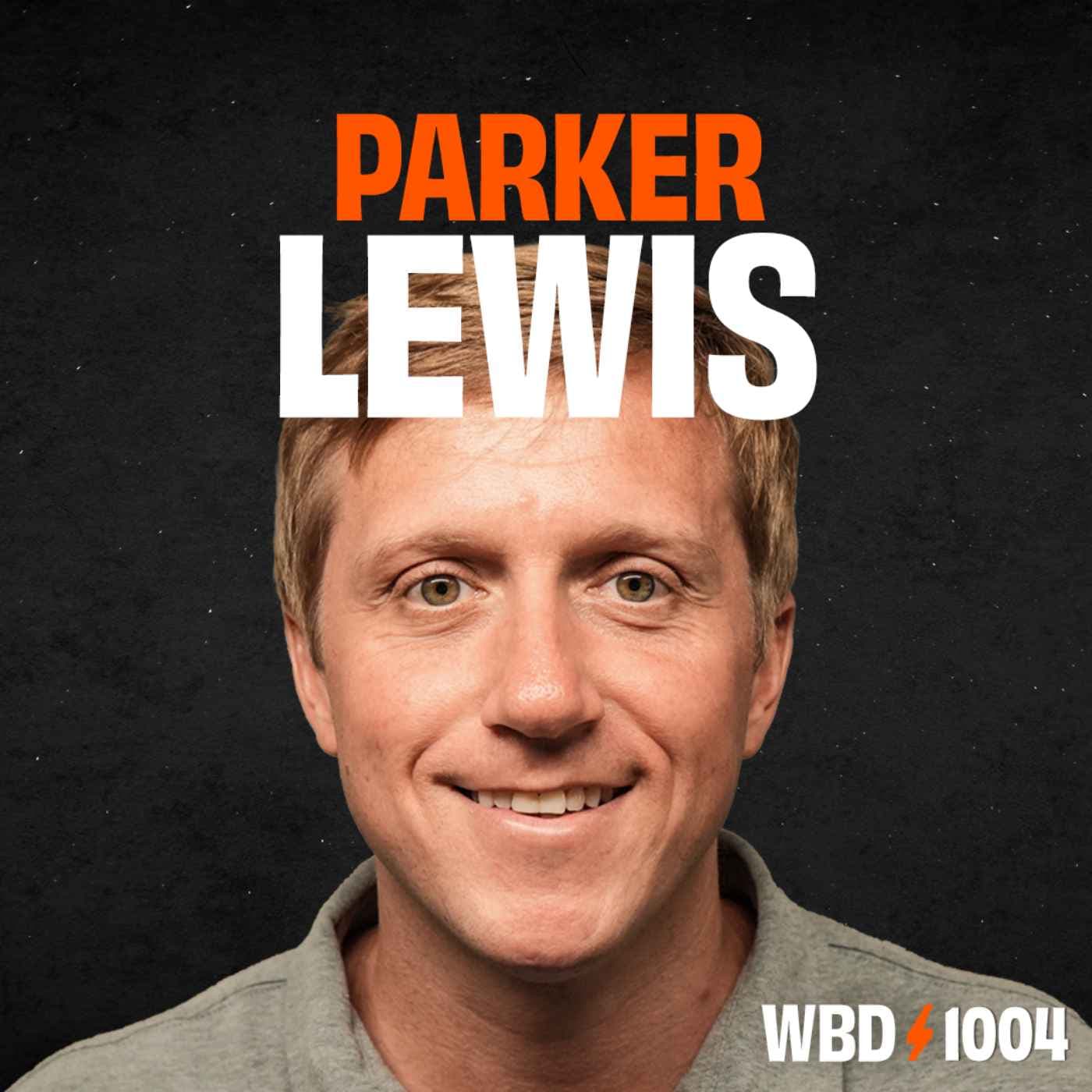
Parker Lewis. He describes himself as a Bitcoin-focused investor who studied Bitcoin since 2016 and has read Dalio’s article and is familiar with Bridgewater and former Bridgewater executives.
Key claims
- Dalio’s framing is “peak doomerism”: it says the world order is broken without defining the order or explaining cause-and-effect.
- Currency is central to geopolitical conflict because trade depends on trust; when currencies are debased and weaponized (e.g., SWIFT cutoffs, freezing treasuries), counterparties stop trusting each other’s money.
- War is preceded by multiple “wars” (trade, technological, geopolitical, capital) and can escalate even without direct kinetic war.
- Gold rising can be a symptom of dollar debasement and speculation, not proof of an imminent replacement of the system.
- Proposed solution: stop using each other’s currencies and adopt a neutral currency; Bitcoin is presented as that neutral option.
Notable examples
- Russia cut off from SWIFT and treasuries frozen; Russia and China diversifying away from the dollar.
- Venezuela’s currency collapse as an example of disorder destroying wealth before “hyperinflation.”
- Gold retail “Weimar Germany vibes” when gold becomes a speculative refuge.
- Dalio quote (2017 CNBC): “money and credit… when credit goes down, you better put money into the system,” and criticism that he doesn’t connect QE/credit to currency trust and geopolitics.
Written by AI. May contain mistakes. Listen to the episode to check what was said.
Chapters
Tap a time to open that second in VORay Dalio's Insights and Perspectives
0:39 to 1:52
An analysis of Ray Dalio's recent article on macroeconomic trends without mentioning Bitcoin.
“I read Ray Dalio's piece on Twitter the other day, and it feels like the most important macro geopolitical story right now.”
Critique of the Current World Order Analysis
1:53 to 3:43
Discussion on the shortcomings of Dalio's analysis of the current world order and lack of depth.
“but I do follow him, not just on Twitter, but just as an investor.”
Understanding Global Power Dynamics
3:44 to 6:20
Exploring the shift in global power dynamics post-World War II and implications for the future.
“Um, and, you know, we can get into specifics about the piece.”
The Currency as a Causal Factor
6:21 to 7:33
Discussion on how currency issues contribute to geopolitical tensions and breakdown of order.
“It's like there's a broad class of investors.”
The Role of Money in Trade and Conflict
7:34 to 12:14
Exploring the relationship between money, trade, and the likelihood of war in geopolitical contexts.
“things together, but also at the same time, not really understanding the core principle.”
Consequences of Currency Weaponization
12:15 to 14:01
The impact of weaponizing currencies on global trade relationships and potential for conflict.
“And then similarly, how are you not seeing this geopolitical breakdown of whatever or however they define the existing world order to the currency system, right?”
The Impact of War on Capital
14:01 to 15:40
Learn how war can disrupt economic relationships and destroy capital.
“War could be profitable in the sense of you have some loss, but you get a gain that's larger than the loss, but it 100 % destroys capital.”
The Impact of War on Capital
16:39 to 17:33
Learn how war can disrupt economic relationships and destroy capital.
“They're the global leader in Bitcoin-backed lending.”
The Impact of War on Capital
17:36 to 18:27
Learn how war can disrupt economic relationships and destroy capital.
“data collection and monetization is the default.”
War Types and Economic Implications
19:30 to 24:40
Understand the different types of wars and their economic impacts.
“So there's trade war, technological war, geopolitical, capital war, and military.”
Show all 28 chapters
The Future of Global Currency and Trade
24:41 to 28:00
Discuss the need for a new currency system and its potential impact on trade.
“What is the world to do about it to prevent a worse outcome?”
The Evolving Order of Trade and Currency
28:00 to 36:48
Exploration of historical trade dynamics and the impact of currency on geopolitical stability.
“And again, even in those processes, there was, it wasn't a truly neutral trading balance.”
Gold, Bitcoin, and the Future of Currency
38:16 to 42:06
Discussion on the implications of gold prices and Bitcoin in the context of a changing financial order.
“Ray Dalio is obviously insanely influential.”
The Run on Dollars and Hyperinflation
42:06 to 45:00
Discussion on dollar debt, the potential for hyperinflation, and the shift to Bitcoin.
“Basically, maybe Ray Dalio making this comment at the same time that there's fear of going to war with Iran and heightened tension between Europe and Russia and the US and China and then gold going up.”
Historical Context of Currency Failure
45:01 to 49:15
Exploration of the gradual failure of the dollar and historical examples like Venezuela.
“You say that the dollar fiat is failing, which I totally agree with, but it's a process, not an event, I think.”
The Inefficiencies of Gold
49:16 to 53:20
Analysis of the problems with gold as a currency and the advantages of Bitcoin.
“start to mimic what might have been happening in Weimar Germany, as an example.”
Bias Against Bitcoin: The Gold Bug Perspective
53:21 to 56:00
Discussion on the biases of gold proponents and the potential for Bitcoin to win out.
“If it's sitting in a vault, you might not need to have a fiat denomination on top of it, but you essentially have a fiat financial system built on top to do all the zeros and ones.”
The Battle Between Gold and Bitcoin
56:00 to 56:40
Explore the differing perspectives on gold and Bitcoin's future.
“think that is the case of the majority of people, which is why Bitcoin wins, is because he has a bias that's built around his own personality.”
Understanding Currency Choices
56:40 to 57:50
Learn about historical choices in currency standards and their consequences.
“And, you know, in his mind, he doesn't necessarily say Bitcoin is going to win and gold is going to be a loser.”
The Advantages of Bitcoin
57:50 to 1:00:30
Discover the unique properties that make Bitcoin a superior currency.
“And where I first had to understand why gold was money and why it had emerged.”
Bitcoin's Price Dynamics
1:00:30 to 1:04:30
Analyze the volatility of Bitcoin and the misunderstandings surrounding its value.
“like a tech stock and we're at like$67 ,000 now like that seems deeply deeply undervalued is this just like an information asymmetry between us and the rest of the world?”
Adoption Trends in Bitcoin
1:04:30 to 1:10:03
Examine how public perception and understanding affect Bitcoin adoption.
“But two things can be true at the same time.”
The Evolving Perception of Bitcoin
1:10:03 to 1:14:18
Listeners will learn about how public perception of Bitcoin is changing, especially during price crashes.
“I don't think there's another S &P 500 company.”
Bitcoin's Role as Currency vs. Store of Value
1:14:19 to 1:20:54
The discussion explores why using Bitcoin as a currency is important, alongside its role as a store of value.
“It wasn't the price is crashing and is it going to zero?”
The Future of Bitcoin and Decentralization
1:20:55 to 1:24:01
Insight into how Bitcoin's future may evolve towards greater decentralization and mainstream acceptance.
“But naturally, again, as more people buy it, as more large competing interests, as more ends where I'm sympathetic to you.”
Bitcoin as a Store of Value and Payment
1:24:01 to 1:25:16
Learn how Bitcoin's acceptance as a payment method is crucial for its value perception.
“And understanding that that is the end game, seeing that Bitcoin is being used as money will unlock Bitcoin as money for more people, in my mind, that will go down.”
Understanding Bitcoin and Its Adoption
1:25:16 to 1:26:24
Explore how different people come to understand and adopt Bitcoin as a currency.
“Other people, it might be Russia and Swift.”
Upcoming Audiobook Release
1:27:42 to 1:28:41
Get insights about the audiobook version of Parker's book and its features.
“I'm about the audio book is in the process of being released.”
Transcript
Automatic transcript. May contain errors.0:02There will be an event. There will be a moment when confidence is lost in the currency. Stop using each other's currencies and adopt a neutral currency. And then the currency isn't a weapon. There's a much better chance of order that isn't dictated by one single power broker, you know, being the winner of a world war. Bitcoin is volatile because it's difficult to understand. Bitcoin goes up over time because more people do. Parker Lewis, welcome back, man. Yeah. I read Ray Dalio's piece on Twitter the other day, and it feels like the most important macro geopolitical story right now. And as I was reading it, there's no mention of Bitcoin.
0:52There's little mention of what's got us to this point, although it's obviously a chapter from his book, so I think he probably lays that out earlier in the book. But in the article, at least, there was no mention of how we got here. And as I was reading that, I was like, I want to get Parker's take on this. Because he's basically setting this up as the sort of breakdown of the world order, complete loss of faith in institutions, potentially heading to war. I don't know. I know you were going to read it. Do you agree with his take or do you think this is sort of peak Doomerism? so um i want to pull something up from i have a quote of his in my book but i i think that it's it's peak dumerism um it's not that it's not directionally on point.
1:48And I did go and read the whole thing. It's like I'm not the closest follower of Ray Dalio, but I do follow him, not just on Twitter, but just as an investor. And so I'm familiar with Bridgewater and his background. And I'm also familiar with people that used to be executives at Bridgewater. it feels like very, to me at least, non-deep surface level thinking. Okay. Observing maybe symptoms, observing things that are happening, and trying to explain them at a very surface level without getting into cause and effect. I'd say. One of my takeaways from reading the piece, and I can't remember exactly how it was titled, it was like, the old world order is dead, or something like that.
2:54Yeah, essentially. It was like, the world order is broken down. Yeah, the world order is broken down, and the world order is over. And I was like, well, what was the, in his piece as an example, he didn't even define what the world order was. and so you know research that i you know did of like any i mean he talked around it but like didn't you know it's whenever you're talking that way of he basically said the existing world world order is broken down without explaining what that exactly is and just saying that we're going from a place of more order to disorder and and talked about big cycles but also like didn't actually talk about the cause and effect of why things are breaking down.
3:43And, um, and so that was just a high level takeaway that I had from it. Um, and, you know, we can get into specifics about the piece. Um, but it talked about, you know, there's various different kinds of war and, you know, economic or kind of leading up to physical war and really intimating presumably that it's like US versus China, but didn't expressly say that. And he also didn't really have, did mention gold at some part and that bonds would deflate, again, without just getting into the root of what's causing it all. So, I mean, obviously this was one chapter of his book and I've not read his book.
4:36I've got it, but I've not read it yet. I wonder if there's also, he does some of that sort of preliminary stuff earlier in the book. But let's try and like lay out what the world order was or is at this point. Because like when I read it, what I took from it is it's almost like the post-World World Order of, you know, the IMF, the World Bank, NATO, the UN, all these institutions that have been like the rules-based system for such a long time. we're potentially transitioning away from that being as effective. But I guess the question that I would have is when people say that things like the UN, NATO, IMF, World Bank are no longer working in the system that we're in today, what has changed since the 1940s when these institutions first came onto the scene?
5:21Yeah, so, I mean, one, again, my observation is just that what it generally means is that the US has been the dominant world power, and there were alliances that existed post-World War II. America was, the United States was in control of everything, and nobody would step out of line. And now we're going to a place where that power structure, and I think he might have even mentioned this in the book, or maybe I'm referencing other things where it talks about these big global shifts, is that once there's an up-and-coming power that is in conflict with an existing power, that power struggle exists.
6:11And once the rising power gets large enough, it doesn't, you know, the order that previously existed that came from the existing, essentially, superpower, being able to threaten and win is is fractured again he talks about symptoms on like you know not really like expressly how to position but like one of the things that he didn't address at least i don't think is the currency as a causal piece of the order breaking down i think he like intimates that in other places But one of the examples, and I just pulled this up from my book to not set the stage, but an example of why I just generally don't think of Ray Dalio as a super deep thinker.
7:06again, not in an insulting way. It's like there's a broad class of investors. Because I would say Ray Dalio is someone who has said that he's allocating to Bitcoin, but nothing that he's ever said indicates that he really understands what's happening or how to evaluate it. He's around the hoop. He's not far off in terms of what I would call pattern matching of connecting things together, but also at the same time, not really understanding the core principle. And so let me just find this. I have a few quotes in the book. So this goes back to 2017. This was right after for me. I'd gone down the Bitcoin rabbit hole in 2016.
7:56And I'm watching CNBC one morning, and I figured out both why Bitcoin is emerging as money. I've also figured out why they're always going to have to print money and why they have to print money and the problems with printing money and the problems with the fiat system that is inherently trust-based. two people to a trade. And if you're trading with someone that you're potentially a foe of, you're having to use one of, in the fiat world, you're having to use one currency or the other, right? So for the last 50 years, more, the dollar has dominated global trade. But if you are China or Russia, or if you're looking at what the United States did to Russia, kicking it off of SWIFT and functionally seizing all of their treasuries, that puts the currency in the center of a political fight, an economic fight, and potentially what he would call a military fight or a kinetic fight.
9:08But a root problem of the impairment of effectively trade as the other side of war is the money and the problem of money printing. If you knew that the person that you were trading with and whose currency you were taking was constantly printing it and you owned a bunch of their treasuries because you were offsetting the debasement in the currency by the yield of the treasuries, but they kept printing it and they kept threatening you, well, you don't really want to continue to trade with your currency. And one of the things that China has been doing, and Russia really more so out of force, and again, getting into the details of these geopolitics is like, I am certainly not the experts of experts, but I can diagnose the problems of the currency is that they're all looking at the same problem, which is how, like, if you cut Russia off of SWIFT, and now they're having to resolve that, then no one wants to trust the currency.
10:11the other's currency. Russia wouldn't want to trust China's currency. China wouldn't want to trust Russia's currency. Neither of them want to trust the United States currency, even though there's talks about Russia getting back onto the dollar system. It's like that bell has been rung. And so just noting that Dalio didn't really go into the root of that problem. And then this was a quote from 2017. When I heard him say this on CNBC, I was like, I literally had to record it, like rewind it, record it on my phone. And he said, and he's talking about the financial crisis, but he says, there's money and there's credit.
10:50The only thing that matters is spending and you can spend money and you can spend credit. And when credit goes down, you better put money into the system so you can have the same level of spending. That's what they did through the financial system. And that thing worked. and ever since i heard him say that then anything else that i heard him say since then as it relates to bitcoin or in this case of the world order breaking down which i i think that it is as well but if you're not able to see you know the the currency system as in a and it being weaponized as a chief problem, then how do you, and we've come from a gold standard, we've come from Bretton Woods, how do you navigate through to the other side of like, where are we actually going and how does this play out?
11:46If you're making comments like there's money and there's credit, and if credit goes down, you better put more money in. And by the way, quantitative easing worked, right? Because everything else he said is like, he says other things that are kind of on point, which is like, oh, we have this wealth gap and the wealth gap's a problem. It's like, how are you not expressly connecting these two? How are you not connecting the symptomatic problems you're seeing, just like, say, within the United States and the problem of expanding wealth gaps to the currency? And then similarly, how are you not seeing this geopolitical breakdown of whatever or however they define the existing world order to the currency system, right?
12:34If you don't do that, you're inevitably not really maybe understanding. Again, I know it goes beyond currency. I'm not saying that everything in the world between geopolitical rivals or potentially rivals in war comes down to money. It comes down to more things than that, national resources and power. But money is a big pile of power and security. But money is the basis of trade. So either you're going to trade with somebody for resources or trade with somebody for security. Or if that doesn't work, then you might go to war. In Russia's case, and I'm not saying this is the basis of the war, but like they could trade for natural gas or they could plunder for natural gas.
13:33If they also feel threatened at the same time for their own security, then when they're thinking about the calculus of war versus trade, war versus negotiation, it's like, well, if you were trading and you had a good reliable trade partner, wars destroy capital 100%. The broken window theory and that war creates economic activity, 100 % objectively false. War could be profitable in the sense of you have some loss, but you get a gain that's larger than the loss, but it 100 % destroys capital. If you drop a bomb on somebody else on a bridge, say, well, the bridge has to be rebuilt. That was capital.
14:17And so just noting or flagging that the money and trade, if you have a deep trading relationship with a partner, they're giving you something of value, you're giving them something else of value. There's more order in that world, and you're less likely to go to war because you're relying on them for something valuable. And the basis of trade is mutual. Now, all of that gets broken up at a foundational level if, on one hand, you're using one country's currency, and on the other hand, that country is both debasing it actively, creating this natural impetus to shift away from it, at the same time as being weaponized.
15:04And I think that those were the pieces that both are not directly in Dalio's piece of keying in on cause and effect. He's basically saying things are breaking down, which they are. It's just not that valuable because without getting to the cause and effect, you can't then really decide, well, what is the path? what's the path out whether you're thinking from a financial perspective or from a how does this thing not go into a world war three type scenario what if you could lower your tax bill and stack bitcoin at the same time well by mining bitcoin with blockware you can new tax guidelines from the big beautiful bill allow american miners to write off a hundred percent of the cost of their mining hardware in a single tax year that's right a hundred percent write-off so if you have a With$100 ,000 in capital gains or income, you can purchase$100 ,000 of miners and offset it entirely.
16:01Blockware's mining as a service enables you to start mining Bitcoin right now without lifting a finger. Blockware handles everything from securing the miners to sourcing low-cost power to configuring the pool, they do it all. You get to stack Bitcoin at a discount every single day while also saving big come tax season. Get started today by going to mining.blockwaresolutions.com forward slash WBD. Of course, none of this is tax advice. Speak to your accountant or tax advisor to understand how these rules apply to you. And then head over to mining.blockwaresolutions.com forward slash WBD and you'll get one week of free hosting and electricity with each hosted miner purchased.
16:38Do you wish you could access cash without selling your Bitcoin? Well, Ledin makes that possible. They're the global leader in Bitcoin-backed lending. And since 2018, they've issued over$9 billion in loans with a perfect record of protecting client assets. With Ledin you get full costly loans with no credit checks or monthly repayments, just easy access to dollars without selling a single sat. As of July 1st, Ledin is Bitcoin only meaning they exclusively offer Bitcoin-backed loans with all collateral held by Ledin directly or their funding partners. Your Bitcoin is never lent out to generate interest.
17:11I recently took out a loan with Ledin, the whole process was super easy. The application took me less than 15 minutes and in a few hours I had the dollars in my account. It was really smooth. So if you need cash but you don't want to sell Bitcoin, head over to leden.io forward slash WBD and you'll get 0.25 % off your first loan. That's leden.io forward slash WBD. Privacy was never a priority for mobile networks. For companies like AT &T, T-Mobile and Verizon, data collection and monetization is the default. But Cape is changing that. Cape is a premium US mobile carrier with nationwide coverage designed from the ground up with privacy and security at the core.
17:49When you sign up, Cape collects the absolute minimum data required, stores it for the shortest time possible, and never sells it. They also make you significantly harder to track at the network level and protect against SIM swap attacks, which are becoming one of the biggest security risks out there, especially for Bitcoiners. Cape's SIM swap protection is fundamentally different. Instead of usernames and passwords, your account is secured by a 24-word passphrase, similar to how a Bitcoin wallet works. No one can initiate a SIM swap or take control of your phone number except you. This isn't a burner phone or a workaround, it's a normal mobile service built properly.
18:22If you care about privacy and security, there is no better mobile carrier. To learn more and get 33 % off your first six months, head to cape.co slash wbd and use code wbd at checkout. That's cape.co slash wbd. With fiat money constantly debasing, wealth preservation isn't optional. That's why I recommend Swan Bitcoin, a team of dedicated Bitcoiners who work with families and businesses to build and secure generational wealth with bitcoin strong relationships with clients are at the center of everything swan does a dedicated swan private wealth representative which is a real person that you can text and call will help you build a bitcoin wealth strategy using swan's comprehensive platform of bitcoin services including tax advantage retirement accounts advanced bitcoin cold storage using collaborative self-custody inheritance planning with both trust and entity accounts tax loss harvesting asset-backed loans and more.
19:14SWAN have helped over 100 ,000 clients since 2020. And if you're serious about acquiring and securing Bitcoin, I recommend SWAN. Meet the team at swan.com forward slash WBD, which is swan.com forward slash WBD. In the piece, he puts five different types of war in there. So there's trade war, technological war, geopolitical, capital war, and military. And if you look through them, I think you could probably argue that we're in at least four of them already. Like I think in terms of trade war, tariffs are probably a part of that. Technology wars, the race for AI seems to fit that bill. Geopolitical, I think the stuff that Trump's done in Venezuela and is potentially wanting to do in Greenland, they fit there.
19:59And capital wars, the freezing of the Russian treasuries in hindsight, and maybe even at the time, seems like the biggest own goal for the US and destroys the faith in the dollar system in a lot of ways. Do you think we fit that those four criteria and then the only one left is actual all-out war. Yeah. I mean, I think in certain cases, if you look at US vis-a-vis Russia or China,
20:26that all of those are checked. I think that even on the military side, it's like with Russia, you say, hey, the United States is not directly at war with Russia, and Europe is not directly at war with Russia. But if you're providing weapons and money, are you not? And so I'd say that's another degree where – and I read this great book. I don't even think it's still in publication, but I recommend it to people. It's called A World in Debt by – I think the guy's name is Tilden Freeman. but he goes through all of the different relationships of debt of like individual is debtor nation is debtor but one of the sections is on debt and war and in that he provides a like an actual logical explanation for what drives war And he distinguishes, he doesn't say there's different kinds of war.
21:41He's talking about specifically war. We're going to war. What are the motivations of it? Because if you're not talking about what are the motivations for an economic war, a trade war, a technological war, then again, if you're looking to see, hey, are we progressing to this kinetic military war,
22:12you're not trying to explain things at the cause and effect level. Because if you're not at the cause and effect level, then how do you advise somebody? I don't know if Ray Dalio's got the ear of the Trump administration, but he's just saying this out into the ether. but he is a very powerful, extremely wealthy person. It's like, hey, if you have some insight, what do you recommend is the path out of de-escalating all of these things? But if you're not trying to get to the root of, well, what's motivating all the different actors? And in this book, Tilden Freeman basically laid out, and this was written around the Great Depression, between World War I and World War II that the two generally accepted rational reasons for war, the ones that are typically said, like, hey, this is a good reason to go to war, is, if I remember, security.
23:23in securing trade lines and anything that your country would need to sustain itself. Or, and this was the one that I felt was more strange, expansionism, empire desires, or you have a growing population you need to expand. And so the security side would be either the security of someone else that's threatening you, or you need resources to protect your sovereignty, and maybe someone just on the other side of a border has those resources. Again, trade is one route. It's a more capital efficient route. But if someone is not thinking about those levels of like, well, why would China and the United States be on this collision course?
24:21and thinking about not just the geopolitics that come through our wavelengths that are propaganda on either side, but really saying, okay, what's driving us off this cliff? I don't think that it's kind of like, yeah, we all get that the shit is breaking down and feels crazy. What is the world to do about it to prevent a worse outcome? My explanation for that would be, hey, stop using each other's currencies and adopt a neutral currency. And then the currency isn't a weapon. The currency system isn't a weapon. One doesn't, you know, because I view it in two ways. The currency as a weapon being like, okay, we can print it and you can't.
25:13and we're basically exporting to you, taking your goods and services for money that we create out of thin air versus the currency system being the rails of looking and saying, oh, not only are we using our currency system, but hey, we're going to cut you off from it and weaponize your ability to leverage it to send money to other people. That would be the single greatest thing the world could do to put trade back in the front to satisfy potentially some of those needs wants that various different countries feel threatened by. Yeah, I mean, I've got a ton of questions in that. But if we just start with, does the world need a new order?
26:00Because if you look at the things that are creating the order in the world right now, most of those were created post-war, the world is a very different place. Does the fiat debt-based system mean that at this point it's gone too far and we need a shuffle, we need to change things around? Because I guess historically, if you look back over recent history, the two changes in world order, like the Bretton Woods and then potentially 1971 petrodollar system. Yeah, but I would say more, and I feel like what Ray Dalio was outlining was that the order shifted when essentially there was a great war and one power went out over the other, and then the winning power essentially sets the rules and dictates it.
26:51And I think that it's still unclear whether we're heading down that same path because you could say, well, China's a rising power and the U.S. is a declining power, or at least that might be a headline. I don't necessarily ascribe to it, but if you looked at something through that lens, you'd say, well, if China won a war, then they set the world order. I think another way to look at it, and that would be how you would define it if you were looking maybe at the pattern matching or looking at the patterns that Ray Dalio had put forward. But in that world, it was always like one country or one set of allies that have won a war then dictating the rules to everybody else.
27:49If all fiat systems die, then there's a neutral currency. Well, the way that trade occurs in the world is functionally different than it ever occurred before. because ever before, practically speaking, and I'm talking about in the last 300 years, say, gold as an underlying commodity metal or silver, but leveraging various different types of currencies that were being coined by crowns or governments. And again, even in those processes, there was, it wasn't a truly neutral trading balance. And so my view of it is that there's a lot of order that will come via trade without, you know, again, it's not naive.
28:48It's like, hey, there are always, you know, like, I don't know who said it, what the quotes war but like man in his natural state is is warring and or something along those lines of like hey this isn't just if we have a neutral currency everything will be hunky-dory and one man is not going to want to steal another man's oil or um whatever other resource land you know with with rare earth metals or whatever is desired for whatever the goal might be of a rising, growing nation. But even in that world, someone could recognize, well, if there was a greater basis for trade, then not just on the margin, but categorically versus how the world exists today from a trading perspective, there's a much better chance of order that isn't dictated by one single power broker being the winner of a world war.
29:57There could be a lot of order and a lot of bilateral relationships that are far more fruitful, far less antagonistic than necessarily having one side be in a controller power position. one of the things that this piece made me think is like if we're moving towards like the world is getting more chaotic that's for sure um would it move to like a new world order be a preferable outcome like if you look at the two possibilities i guess it's either we kind of wind this back move away from sort of all-out war and the fiat system continues and the institutions that we they continue even though they're sort of eroded from where they used to be.
30:43Is that a preferred outcome or is going through the pain now to come out to something better on the other side a preferred outcome? And it is something that's quite hard to kind of balance. A way that I describe it would be, it's like, regardless of whether or not he's keying on the right cause and effects, it's like, the world for a period of time had order, order on a relative basis and there there is less order and that and you know again that's one of the reasons where i was like hey if that's what you're saying okay we all we all can generally see and feel that you know at different levels whether it's geopolitical nonsense whether it's within countries right because it's not just you know the dynamics between europe and russia and US, Europe, and Russia, or the US and China, it's in the UK, in the United States.
31:46And anyone, I can only speak to living in the United States because you can feel it viscerally, is that we're going from a period of order to disorder. You know, not to say they're not related, but entirely independent from a plain perspective than some geopolitical foe or threat. And so that's just true. It's like things have been ordered and they're becoming disordered. Now, I think it's, you know, you can say, well, the order, what was creating the order? Well, it was post-World War II and the United States was the superpower. And there was no Navy that could rival it. It protected the waterways.
32:39It protected the trade lines. And therefore, it called the shots. And a derivative of that was border. And another way to say it was like maybe the underlying volatility was suppressed, but it was always going to be there. and then I would look at it from the perspective of it's not like, it's something else that's absent wanting and absent in Ray Dalio's piece which is, he doesn't say what the likely next order is, he might not want to say it because in his mind if he's just matching history it would be, well, there's likely going to be a world war and whoever wins that war is going to set the order is going to create the order in my mind looking at it and saying like more order generally is is is better than great disorder and looking at a country like venezuela setting aside the united states and nabbing nicolas maduro but just from an economic perspective it's like man when when their currency collapsed, the country went into great disorder.
33:48What happens with great disorder? Wealth is destroyed and people die, you know, without a without a kinetic war. That's what disorder is. That's what order going to disorder from. And it would certainly be better, even if you were heading to a path of disorder, if the bottom of that disorder of when things start to become more ordered rather than less would certainly be better than an alternative where it just keeps spiraling down and down and down and down. And again, in my mind, it's not like, hey, what is the order? Who's the ruling power? Or does the United States need to go to war with China and one has to win and then the other?
Read the full transcript
34:39It's like, well, two people who live in a vacuum who are sycophants might think, oh, that might need to happen when anybody else sitting outside would be like, certainly that would be worse off. Everybody would be worse off if that happened. um but someone in the cia or you know some deep state thing might be like yeah this is this is we got a war game this in this way it's going to go and like you know iran nuts off um but it's like it's still more it's more disorder and it is disorder maybe in their minds with a hope of of then creating order from it but it's like again if you don't solve the like trade is the basis of cooperation it does not sit above you know somebody wanting to build an empire and have you know need to acquire oil like again like i'm not naive in that respect but if you have the basis for to trade somebody for oil rather than take their country over um that's going to leave everybody in a better place if you don't really have a basis to effectively coordinate trade, you're more likely to have an order that's dictated by a large war being won and then whoever is controlling the military that won dictating order to everybody else.
36:09That might be what happens. That's unlikely to be good for everybody living on the earth at this moment in time. If you haven't tried out Club Orange yet, then now is the time. It's my go-to place to find Bitcoiners whenever I'm traveling. Club Orange is a social app built for Bitcoiners where you can find local meetups and events in your area and find merchants that are accepting Bitcoin. There are over 19 ,000 Bitcoiners on there and whether you're at home or traveling is a great place to keep in touch with Bitcoiners from all over the world. I've been using Club Orange since it was Orange Pill app and it really is awesome.
36:42So if you're on there, drop me a DM and say hi. And if you want to find out more and download the app, just search for Club Orange on your app store or go to cluborange.org. If you already self-custody your Bitcoin, you know the deal with hardware wallets. Complex setups, clumsy interfaces, and a seed phrase that can be lost, stolen, or forgotten. Well, BitKey fixes that. BitKey is a multi-sig hardware wallet built by the team behind Square and Cash App. It packs a cryptographic recovery system and built-in inheritance feature into an intuitive, easy-to-use wallet with no seed phrase to sweat over.
37:13It's simple, secure self-custody without the stress. And Time named BitKey one of the best inventions of 2024. Get 20 % off at bitkey.world when you use the code WBD. That's B-I-T-K-E-Y dot world and use the code WBD. This episode is brought to you by Anchor Watch. The thing that keeps me up at night is the idea of a critical error with my Bitcoin cold storage. And this is where Anchor Watch comes in. With Anchor Watch, your Bitcoin is insured with your own A-plus rated Lloyds of London insurance policy and all Bitcoin is held in their time-locked multi-sig vaults. So you have the peace of mind knowing your Bitcoin is insured while not giving up custody.
37:52So whether you're worried about inheritance planning, wrench attacks, natural disasters, or just your own silly mistakes, you're protected by AnchorWatch. Rates for fully insured custody start as low as 0.55 % and are available for individual and commercial customers located in the US. Speak to AnchorWatch for a quote and for more details about your security options and coverage. Visit anchorwatch.com today. That is anchorwatch.com. Ray Dalio is obviously insanely influential. It's not like this is completely a novel take. People have been saying this for a long time. It's just he's someone that a lot of people listen to.
38:25And do you think gold absolutely ripping over the last sort of 18 months has been the market saying that a reordering is like on the horizon? I don't think, I mean, I don't, I personally don't think so. Like again, it would be easy to say yes.
38:44because all of these things are happening at the same time while the price of gold is rising. But for the last five years or three to five years, Russia's been accumulating gold. China's been accumulating gold.
39:08in 2022 no I guess four years ago I don't know exactly when Russia was caught off but that war started around this time in 2022 and Russia didn't spontaneously collapse they figured out a way to trade around it the dollar also didn't spontaneously collapse when Russia was able to to navigate off of it. And so I think that it's more of a symptom of the currency being on the brink of, like when I say being on the brink of failure, it's like, I'm not saying it's going to collapse next month. I'm saying it's heading down that path. And when buying gold and silver has reached the retail fervor that it has, that's like, it has Weimar Germany vibes because everyone is speculators in financial assets and derivatives.
40:14The distinguishment, because you can say, well, hey, that's the same thing as Bitcoin. It's like, the way that I look at it is, there's a difference between speculating in gold or dollars, or sorry, in gold and silver to get more dollars, to get more ruble or to get more yen as an inflation hedge, versus actually identifying the one thing that can practically be a solution. And I'm not closing out that there are certain people, I believe that Peter Schiff is somebody who looks at gold and says, we're going back to a gold standard. But there's also, and he won't admit this, that the vast majority of people that are trading in gold are trading to get more dollars.
40:54Now, an example that's not a geopolitical foe of anyone, or at least not today really, or I wouldn't describe it this way at all, but Tether was somebody. They bought physical gold. So they apparently weren't just trading in it to get more dollars. They actually wanted to hold the reserves. I would just say that gold rising or people turning to Bitcoin gold commodity monies with the thought process that currencies are being debased is about the currency, and it's less about the collapse of the world order because the world order, and I kind of hate the term, but it's just like the financial system is dollarized.
41:41And the dollar and the US economy, but the dollar economy globally, the cross-border trade, dwarfs any other system.
41:53in in the event of an actual dollar collapse things like gold and bitcoin for a period of time will be sold every credit asset will be sold every equity will be sold because there will actually be a run on dollars because there's so much dollar debt that exists and eventually the dollar will hyperinflate and everyone will migrate over to Bitcoin and sell their gold. But I would explain it less. Basically, maybe Ray Dalio making this comment at the same time that there's fear of going to war with Iran and heightened tension between Europe and Russia and the US and China and then gold going up. To me, it feels like a fool by randomness thing where you could pick any one of those things out and say, this is going up because of that.
42:45And at the underlying side, it's like, well, the dollar is devaluing because there's more dollar deposits. Even though the Fed isn't creating more base money at the moment, there's more and more dollar deposits, more and more Euro deposits, more and more Yen deposits. And it's the currency stupid. And then maybe the fracturing of the global order and the global trade systems and partnerships that existed breaking down might be underlying about the currency losing its value. So I'm not saying it's not related to that. It's just that it's coinciding at a time that's easy to stick it to. And it's like, but you could have said that two years ago.
43:29Right. Imagine the same thing. like China's actively buying gold and Russia's actively buying gold. Well, why wasn't the price going up? Right? Like, was the world order not fracturing then? So it's like, yes, gold's going up in value. Yes, the order in the world is fracturing. But it's also just the currency is losing its value. It was like, is gold going? Like, you could basically, you could have said the same when the stock market went up because they printed money. You know, is this a sign of the world order falling apart? No one wants to be in cash. They want equities. And so I just, I think it's easy to point it to that.
44:19And the more logical thing is just people are trying to get out of the dollar, you know, and a lot of them are doing it for reasons that they're struggling to get by and they need to speculate in something to try to stay ahead. And then in others, yeah, China and Russia are diversifying away from the dollar because they don't want to be tied to the dollar hegemony. And that also is rational. But there's something at a higher order that's dictating the fracture. Yeah, that makes sense. I've got a question for you that is pretty much impossible to answered, but I'm going to ask it anyway. You say that the dollar fiat is failing, which I totally agree with, but it's a process, not an event, I think.
45:08It's not going to fail tomorrow. Well, it will be an event, but it's not going to fail tomorrow. Okay. But the reason I say it's a process is because you could probably say the dollar started failing in 2008. You could probably pick a load of different dates, but that might be one that you could pick. How long do you think it can last? I don't know. Markets stay... Markets can remain irrational for longer than you can stay solvent. Personally, it's hard for me to believe that it goes on for another 10 years. Part of the way that I get there is thinking about Bitcoin and Bitcoin adoption.
45:51But also, So maybe one thing that I look at is Venezuela, like an example that I use. That a lot of times people want to talk about Venezuela hyperinflated because of sanctions. And that's just like totally farcical. Venezuela hyperinflated because of money printing. the sanctions that actually started cutting off Venezuela's abilities to sell oil was in, I believe, 2019 or 2020. GM, as a company, GM, the auto manufacturer that's based in the United States, they had operations in Venezuela. and they, in 2013, I believe they wrote down their Venezuelan boulevards because if you think about GM's operations, GM had auto manufacturing in the country of Venezuela.
46:51They weren't just exporting cars from the United States to Venezuela. They were importing parts and building GM vehicles in Venezuela and they were holding boulevards. to be able to, they were accepting boulevards as cash for cars. They were paying out boulevards. And then they had FX reserves because they were having to convert boulevards to dollars to buy parts from their largely U.S.-based manufacturers. Well, they wrote down, I think they first marked down their Venezuelan boulevards in 2013 by like 10 % or 20%. And then the next year, and I might have it off by one year. It might be like 14 was the first year and 15 was the next year or 13 was the first year and 14 was next.
47:41In the second year, they wrote it down 100%, 99%. And then if you Google, when did hyperinflation start in Venezuela, it will say like 2016 or 2017. So multiple years before, GM wrote down all of their boulevards and literally had to leave the country because they couldn't continue to manufacture cars. They shut down their operations. And over that period of time, before Venezuela actually entered hyperinflation, their currency had devalued by 50%. against a dollar over like three or four years. And a lot of things that you need to, at least in the United States, that you need to purchase, particularly food, have over the last four to five years, lost 40 to, you know, things are more than 50 % more expensive.
48:48And so it's like, there are parallels in that. Now, I don't necessarily think that, you know, Three years from there, there's going to be hyperinflation. But if you're looking at data points of what types of things happen, looking at the stock market, an index like the Dow, and seeing it have this hockey stick, these incredibly mature companies. These aren't startup tech companies that have huge ramps in cash flow, but seeing their valuations start to mimic what might have been happening in Weimar Germany, as an example. It's like the writings on that wall. And then when I think forward to like, because it will be an event, like there will be a moment when confidence is lost in the currency.
49:34And that is likely at a point where the currency starts to get sufficiently volatile that it causes a bunch of businesses to go out of business, which then disrupts supply chains, which then causes things like food on the grocery shelves to start to become sparse. and so if you think about that as one side of the currency problems independent and then you say here bitcoin is yeah it's traded down but between you know 1.34 trillion to 2 trillion in value and we go out 10 10 years of a world becoming more disordered and people trying to figure out well, what's the end game here? What's the answer?
50:21Then I don't see how with two more full halvings in Bitcoin and just this natural survival instinct of people. Because at the end of Dalio's piece, he was basically like, hey, the world's going to shit. You might want to think about not being in bonds. It's like, maybe think about gold. But as people follow the rabbit hole of the cause and effect, they'll realize that gold has the same problem. All of this started with gold and Bretton Woods. And even if you went back to gold coins, one, it's incredibly inefficient, but two, it's coined in some country's currency that people are having to trade back and forth.
51:07And so they all will figure out Bitcoin. And again, not a doomerism. I don't want it to happen. I'm just looking out and saying, hey, if Bitcoin adoption increased by 10 times over the next 10 years, which I view to be conservative, then it becomes clearly the second largest currency system in the world. and once it becomes clearly the second largest currency system in the world it's like you don't even need to become the biggest people will like the writing will be on the wall enough of a consensus will happen that somewhere in that point of that session from like being larger than the euro and clearly being larger than gold which i don't really think about gold currency system um that everyone there'll be a there'll be a a rapid monetization of Bitcoin that happens out of that time.
51:58I don't try to exactly when it happens. To me, it doesn't happen in 20 years. Great. That would be phenomenal. I'm just explaining the cause and effect of where and why it's going that way so that the way I think about it is surviving all seasons, all weathers. If you know where it's going and why and why it might not go back to something like gold and why all these problems that exist today started with gold. Like, you really think that all these problems, if you can't think about, well, why did we get to the dollar as it is when it started with gold, then how are you not connecting? Well, if you just tried to go back to ground zero and start it over, it's like, what would you do differently?
52:50And isn't this the logical place that it ends? Anyways, right? And if that's the case, then you can't go back to gold. You have to go to something that actually solves the problem that caused the fiat system to emerge, to solve gaps in settlement, security of gold, the difficulty of transporting gold, which is part of the difficulty of settling gold. if you're thinking about the US trading with China and imagine you had to actually settle physical gold every time a ship moved across you could do that but the gold's sitting in one place it's sitting on one shore and you might say well we'll put it in Europe because we don't trust each other but then it's sitting in Europe it's sitting on someone's shores and moving in a vault because moving it physically between countries is too costly.
53:57And then what is that? If it's sitting in a vault, you might not need to have a fiat denomination on top of it, but you essentially have a fiat financial system built on top to do all the zeros and ones. And you're like, nope, we're not going back to that. We're going to the thing where, hey, if the US is trading with China, you can send Bitcoin. Anybody who's trading can send Bitcoin. They can secure it. And their country, when they're ready to buy something from us or somebody else, they send it there. They're securing. You solve the problem of how gold is secured. Not only how gold is secured, how trade is settled.
54:37You have a greater basis of trade. Not to say it's all kumbaya. we're not living in utopia but there you have a better shot better basis of trade you're not likely to bomb your trade park or you're less likely to yeah so the actionable advice that Ray Dalio gives in the piece is sell debt buy gold and clearly gold is not the only option we think bitcoin is a better option but for the gold bugs like the Peter Schiff of the world he's obviously clueless on bitcoin but he's a smart guy I quite like a lot of his other takes Why don't you think they put enough weight on the sort of currency side of things and they don't see that if you go back to a gold standard, you kind of just de facto create fiat again?
55:21I don't know. I don't know. I mean, in Peter Schiff's case, I think that it's because, like, I don't know the guy. He seems like a decently fine human being. but when you've been so right about the problems and you've misdiagnosed the solution that your bias and just like overcoming the negative psychology of of it like the rational person would say it's a sunk cost fallacy right but um in his case which i don't think that is the case of the majority of people, which is why Bitcoin wins, is because he has a bias that's built around his own personality. He's got businesses built around it. It is not easy to exit a position and accumulate Bitcoin or let me just finish that thought, accumulate Bitcoin and then tell the entire world, hey, I was wrong about gold.
56:35Now, Larry Lepard is someone who's like going from the gold world and basically like, I still think you should own gold, but I think that Bitcoin is going to win. And, you know, in his mind, he doesn't necessarily say Bitcoin is going to win and gold is going to be a loser. I think that that, you know, the logical conclusion, not saying that, you know, Larry agrees or disagrees. But there's a difference between that, which I think is, is, is the rational world versus someone like Peter Schiff, who's, not just been somebody who's advocated for gold, but has banks and businesses and everything tied to that end game happening.
57:15And there are going to be fewer of those people. One example I would give is when the whole world was going on the gold standard, China went on the silver standard. And so it's like, people can choose wrong. And then they can have, you can look at it two ways. They can have their wealth expropriated from them, or they can have their purchasing power declined. There's a quote in the Bitcoin standard. I think it's something along the lines of, you can't insulate or protect yourself from somebody else using a harder currency than yours. and that's what we're dealing with with Bitcoin and gold and I'm not just talking about the supply cap it's the other properties that make it a superior settlement rail faster settlement like ability to assay if somebody looks if anybody picks up gold in Bitcoin and looks at them both and be like shit it's going to be one of these two and they bottom up, they end up at Bitcoin.
58:31That was me. And where I first had to understand why gold was money and why it had emerged. And then I was looking at Bitcoins through the same lens and you're A versus B and you stack them up and it becomes fairly clear fairly easily. And there's part of that that Safe Dean Amoose had a debate with Peter Schiff in El Salvador recently. and he talks about a number of those differences and I just think that the rational mind ends up there and someone has to choose how they're going to store each unit of value and you can do it in both but everyone is incentivized to maximize their purchasing power going forward so I think it's like not having the ability to see it in Peter Schiff's case because he's so wed He was so right about the problems, and now he's so wed to what he was forecasting to be the solution.
59:33You can be wrong. China was wrong about going on the silver standard, and now they're buying gold. That's the other side of this. They're wrong again. And that might be why they, if you were forecasting that there's a superpower that rises and that the U.S. is declining and China is going to be the new superpower, It's like maybe they're making the wrong currency bet and maybe that is the weakness of their whole strategy. It's almost like if you had to compare like a Peter Schiff gold bug to some fiat maxi person, it's almost more frustrating to be Peter Schiff in that situation where if we're right, Schiff has been 90 % right for decades and then just got the last hurdle, just tripped at the last hurdle and didn't move to Bitcoin.
1:00:21Like they might end up buying Bitcoin at the same price. why do you think Bitcoin like if everything we're saying here is true which I believe it to be why do you think Bitcoin is still trading like a tech stock and we're at like$67 ,000 now like that seems deeply deeply undervalued is this just like an information asymmetry between us and the rest of the world? It's not that I would say that if you look at Bitcoin and you say hey all these things are true well they were true when Bitcoin was$8 ,000 and crashed to$4 ,000 they were true when Bitcoin was$69 ,000 and crashed to$16 ,000. They were true at$122 ,000 and they're still true today at$66 ,000 or wherever it is.
1:01:06And so I think that the explanation for that is like price is the scoreboard, right? But Bitcoin is volatile because it's difficult to understand. And I would liken this very much to when I gave a talk a few years ago about why Bitcoin is not a hedge. And I gave a recent talk in the same venue. Is that the one that went viral on the Unchained YouTube? It was the huge views. Yeah, that was an awesome talk. And I gave that talk of explaining, hey, there's inflation happening and Bitcoin's coming down. Isn't this contradictory? It's like, no, it's perfectly explained.
1:01:52And the same thing is true now. I gave a presentation at the same venue two months ago.
1:02:03I wish I could have done it right now with Bitcoin at 66. Because it's the same thing. It's like, hey, the world is becoming increasingly disordered. and you're saying that Bitcoin is supposed to be the answer to that, but it's going down, it should be going up. It's like, well, you have to understand Bitcoin. You have to understand that and then have the world event happen and then buy it, right? And if you don't know, like in the explanation of inflation, like if you don't know that Bitcoin is the solution for inflation and why, like the long-term one, not in the next five days or 10 days, but why it actually permanently solves the problem of money printing.
1:02:50And then you're going to the grocery store and shit's getting real bad for you. And you're living paycheck to paycheck and you're constantly stressed about it. You're not putting those two and two together, right? Same thing with this. world's on fire, one large war at risk after another. Well, if you don't see the connection to Bitcoin, then how do you put those things together? And that's what's happening at the highest level. But at a micro level, people are. People right now are buying Bitcoin and having the light bulb go off. Because four years ago, they heard somebody talking about, for the first time, about Rush getting cut off of Swift and Bitcoin's the answer to that.
1:03:46And now they see this piece from Ray Dalio talking about a world becoming disordered. And they're like, yeah, he's right, but it's not gold, it's Bitcoin. And they're putting their chips on the table. and then Bitcoin will bottom at a higher place than it did before because more people will figure it out. And so, um, and that doesn't mean for some technical reason that Bitcoin, you know, I'm not saying that it already has bottomed. Um, I'm just saying that the trend of that higher highs, higher lows, doesn't matter if, you know, in 2022 that it went through its prior high it then went far through its higher highs.
1:04:28And that's a function of more people figuring it out. But two things can be true at the same time. More people are figuring it out. That's creating higher levels of equilibrium and higher highs. Very few people actually understand what's going on. You know what the evidence of it is? There is 700 ,000 Bitcoin that's sitting in strategy. and there's 700 ,000 Bitcoin that are sitting in IBIT, if you actually understood what was going on, and I'm not saying an investment in strategy or an investment in IBIT is a bad thing. The companies themselves are not bad. Nothing bad with them. But if you're not self-custaining Bitcoin or if you don't realize, say IBIT, you could just have your Bitcoin at Coinbase.
1:05:20you have less counterparty risk than you do if it's sitting in IBIT you took the convenience of buying it probably because you're trading it those two vehicles IBIT more than strategy are indicators of lack of knowledge they're good products, they're good companies but you could have your Bitcoin in River you could have your bitcoin and unchained you could have your bitcoin in a cold card you could have your bitcoin and strike you'd be better off right um and they're you know everything's good for bitcoin though but i'm just saying there's a lot of people that bought bitcoin and from my vantage point hosting meetups and going to conferences and talking to people that are interested people reaching out, we never had a wave of adoption.
1:06:16Like there was never a fervor of individuals that were rushing in that were like chasing price. Like that didn't happen. So to think that like, you know, cycles, like cycles are not dead. Human psychology is the same. It's just fooled by randomness. my explanation for this where prices are is reportedly according to Galaxy they helped somebody sell 80 ,000 Bitcoin and that was the local top and if you have a bunch of people that have bought the ETF
1:06:51that don't have a lot of knowledge, primary knowledge about Bitcoin, about the real reason to own it or speculate in, they sell it it starts to go down it's easy to buy Bitcoin when it's going up because when it goes up psychologically, it reinforces it, you made a good decision. But if you're still sitting there with limited knowledge and it starts to go down, your first instinct is like buy a little bit more. And then when it goes down further, you start to panic and then you sell. We saw the example of the Wisconsin state pension. They bought Bitcoin when it was like about 60 ,000 and they bought 10 basis points.
1:07:26Michael Saylor has this great quote, which is, if you understand Bitcoin, there's no chance that you only own 1%. okay well the wisconsin state pension bought a tenth of that okay and then when it went up to 100 they sold it they they rebalanced their portfolios like they and they bought ibit did they actually ever understand bitcoin you know like i myself i was championing hey you know wisconsin state pension buys bitcoin it's great they they didn't understand it you know But then you have other markers that are very positive ones like Steak and Shake. They get it. I don't know where they hold their Bitcoin.
1:08:13They don't really care. They don't own IDET, at least not to my knowledge. But I also know just the fact that they're accepting it as money. They're not converting what they receive. They're buying Bitcoin on a primary basis. They're working with Fold to have a bonus for employees. They're leaning full in to Bitcoin, and they're attributing their leaning into Bitcoin to their same source growing far faster than any of their peers. It's not the only thing that's driving it, but they themselves are directing it. You can look at it and say, those people figured it out sometime in the last four years.
1:08:47And they probably own a lot less Bitcoin than when the Wisconsin State Pension bought it. I think they bought like$160 million. They had more Bitcoin than Steak and Shake. Steak and Shake gets it, and they're just going to stay humble and stack sats. And more and more people that exist like Steak and Shake, and I'm not talking about businesses adopting as payments. I'm talking about people really getting it. Those are stacking. And Bitcoin will find floors at a ratio relative to the number of people that actually get it. And then it's still going to be volatile because the way I would describe it is no more than one in 100 people know what's going on.
1:09:33How could something not be crazy volatile if only one out of 100 people get it? And one out of 100 is high. It's less than one in 100. Fewer than one in 100 companies in S &P 500 own Bitcoin in a direct way, at least if they own shares in BlackRock. I'm not talking about the IDA. If they own shares in some company that owns Bitcoin, that's not exposure. Tesla owns Bitcoin. Square. Block. Yeah, Block owns Bitcoin. I don't think there's another S &P 500 company. If five companies owning Bitcoin would be 1%, right? Yeah. then we're not there. But also, if people just check their local, their company that they work for, their family members, people don't get it.
1:10:38So it's just fine. People just have to learn. If it were easy to see Bitcoin, more people would see it. And to Safe's point of the price being the ultimate arbiter is Bitcoin goes up over time because more people do. More people figure it out. And that's all that matters. It's just like, as so long as more people are figuring it out, not less, then Bitcoin goes up over time. If it ever started going down for long periods of time and consistently hitting lower lows and not making higher highs, that would be a signal that people who had previously figured it out thought that there was something broken about it.
1:11:25And what we're seeing today, nothing is signaling that. There's a lot of negative energy in the world of Bitcoin, but it's like more people are figuring it out, not less, bottom line. Yeah. One of the anecdotal pieces of evidence that people are starting to take this more seriously, not necessarily understand it, but at least take it more seriously is like every time we've had a price crash in the past, like people who know what I do, when you tell them or when they ask you about the price, there's almost like a smirk in there. You know, they kind of want to say the Ponzi is going to zero. But this time, the interesting is like I go to a boxing gym pretty much every day and people ask me about Bitcoin, ask me about the price and things like that.
1:12:05And this time, the reaction has been very different. It's been maybe now's a good time to look into it. Maybe now's a good time to buy. And I think that skepticism around Bitcoin generally is going away. Yeah, there are still obviously people that want to dunk like, I don't know the guy, but Keith McCullough and Bloomberg Talking Heads and Peter Schiff. It's going to zero. There are fewer of them each time because most people look at it and be like, I'm not going to do that again. I got embarrassed the last time that I did that. the majority of even the Bitcoin haters are getting wise to Bitcoin's rise and fall.
1:12:46But to the point, I'm experiencing the same thing. I'm not yet experiencing just person after person being like, how do I do this? But when I'm talking to people, despite the fact of Bitcoin being here, it's like, how do I get set up? not like ribbing. Of course, it's not zero. But an example, to give another piece of the psychology, I went and bought groceries at the local grocer that got enabled by Square here in Austin. And I paid with Bitcoin. And the person working behind the counter was like, oh, that's cool. That's the first time I've been here when someone's bought in Bitcoin. She knew that they accepted it.
1:13:33But she made a comment along the lines of like, I just feel like I missed it. I'm too late. And I'm sitting there just buying groceries and I don't want to turn into a full orange pill on the spot. I was like, look, we're super early. And I gave her my literal 30 seconds. I was like, the whole idea is that they keep printing more dollars. That's why food is getting more expensive. and the whole idea around Bitcoin is that it can't be printed. There's a lot of noise. I work on Bitcoin, but just Bitcoin, that level of conversation, I was like, you didn't miss it. You should go online and read something about it.
1:14:18But she was interested. It wasn't the price is crashing and is it going to zero? It was like, here at$68 ,000, I feel like I missed it, which is also a natural side of the psychology. And then over time, people just get over that, but it's usually not like the people that are, that are activating right now are the people that had the inclination the last time, but didn't then were probably reinforced when it went down to 16 ,000. But then when it went up to 125, they were like, shit, I made a mistake. And now as it's coming down, they're like, okay, like, I don't need to make the same mistake.
1:14:59And that's just what happens. That's a combination of human psychology and following signal being price. Yeah, the thing that I always say when people ask me if they've missed it is like, I thought I'd missed it in 2016, 2017. And that's going to continue to happen. Just lastly, on this point of like, you brought up before that Bitcoin being used as money as being a really important part of this. Why do you think that is? Because there's a lot of people out there that think of Bitcoin as just a store of value and don't necessarily see it as the medium of exchange. And obviously, store of value is going to come first and has come first.
1:15:33But why is moving to being an actual currency so important?
1:15:41So the incentives of it will dictate that it will be used as currency. imagine there's a hundred people and imagine one of them is saving in Bitcoin using my no more than one in a hundred people understand Bitcoin and I recognize that more than one percent have some exposure to Bitcoin at this point it's not as high as people quoted when they say 40 % of Americans own Bitcoin it's probably something like somewhere between 3 % and 5 % have some material exposure to it, but the percentage of people that actually understand, like Harvard sold some Bitcoin and bought more Ethereum. They own Bitcoin, they don't get it, right?
1:16:31But let's just assume that one out of 100 people understands Bitcoin and the 99 others are fiat, right? How do you have a trading economy with only one out of 100 understanding Bitcoin? Even if you put it to 8 billion people and go down to 80 million, which that's where I say there's not 80 million people in the world that really understand Bitcoin. But even though that's across the world, then what is the likelihood of a business and somebody understanding Bitcoin in the same place? And the one that understands it is a business and they've invested in infrastructure and you come to their store.
1:17:23It's just the density is the biggest uphill battle. People first understanding why Bitcoin stores value, starting to store value, having some Bitcoin in a wallet. they show up to a business, oh, they accept Bitcoin, let me try this. But go out to a world where 100 % of people have figured out why Bitcoin stores value. Well, who is holding the bag of the fiat currency? If 100 out of 100 all have figured out Bitcoin, let's not say 100, but say 90%, or 80%, then the overlaps of like, oh, you're a person that runs a business that understands Bitcoin, you're an individual, by and large, every individual that's walking through your store also understands Bitcoin and has Bitcoin.
1:18:06What would be the reason for if they wanted Bitcoin to force somebody to pay them in fiat to then convert it into Bitcoin? It's just the incentives of like, hey, everyone's storing value in Bitcoin is that nobody else is holding currencies that are shitty and lose their value. And then it's like, well, just give me, in return for my goods and services, just give me that money that's easily exchangeable over the internet. Thank you. Now, why it's so important that it evolves that way is because if it didn't, if 100 out of 100 people were holding Bitcoin, but they weren't transacting in it, the only rational explanation for that is because by some fiat decree, someone said you can't do it.
1:18:52It's illegal. Now, there's also a reason why a banning of transactions with Bitcoin would fail because of a global geopolitical prisoner's dilemma. Somebody like El Salvador is a great example of it where it's like if one defects, which there's a maximum incentive to defect from some sort of concerted effort to prevent Bitcoin from being used as payments, that the only reason why it wouldn't is because Bitcoin was too centralized to be able to prevent some sort of legal decree preventing it from being successful. And if it was, it's not just that that is a problem. It's that if Bitcoin was too centralized to allow for what otherwise should have happened by the natural economic incentives, then some outside force is setting the rules in some form or fashion.
1:19:53and if that's the case, then could the United States government say, oh, we're going to, you know, you miners run this software that says they're going to be 22 million and then it becomes a fiat currency. So like the natural incentives will dictate it. And I do agree, like you first have to understand why Bitcoin will store value to own any Bitcoin at all. It's by and large in most, at least developed world places, easiest just to buy a little Bitcoin with fiat. Once you figure that out, You start to figure out, oh, no, I need to have even more of this. Beyond there, if you're a business owner, you say, yep, open me up.
1:20:32Just start paying me in this if you have it, please. And that's just a process, right? That's a process of adoption. But as an end state, if it doesn't get to the point where people are actively just paying businesses is because of centralization. And centralization is the greatest long-term risk to Bitcoin, if it weren't to continue to get more decentralized. But naturally, again, as more people buy it, as more large competing interests, as more ends where I'm sympathetic to you. I watched your interview with Michael Saylor. By the way, there won't be a lot of Bitcoin treasury companies. they'll congregate for fundamental reasons, because if they are trading, but that's a side, just saying.
1:21:23But in the case of like, even though I say you're probably lower on the education scale if you're owning Ibit, I think Ibit existing is good for Bitcoin, right? You could look at the People's Bank of China and be like, people think of China bad. But if they bought Bitcoin, good for Bitcoin. That's the way the world's going. Every government's going to own Bitcoin. The larger the players are that are involved, the larger the competing interests, the greater the... You could look at that and say, Bitcoin's becoming more centralized because 600 ,000 or 700 ,000 Bitcoin are in IBIT. But if you try to get 2 million prices higher, more people are figuring it out.
1:22:12IBIT has now opened up the ability to take Bitcoin in kind rather than just have, not everyone can show up to BlackRock and do that. But Morgan Stanley can or anybody that's a, whatever they call, certain kind of participants can. There's a natural inclination to take direct ownership over it. And the more large interests that come in, the more decentralized it gets. It's like if IBIT comes in, well, Vanguard is going to have to get involved. If the United States government gets involved, then China is going to get involved. Russia is going to get involved. And more competing interests, harder it is to change Bitcoin.
1:22:57And so that's why it's like the path, the risk of centralization, but everything about the incentives, even with large participants involved, drives decentralization. The larger the Bitcoin gets, the more decentralized it gets. The more companies that emerge to build wallets, the more companies emerge to build custody infrastructure, the more companies emerge to work on payments. It all flows, like everything is downstream from adoption of that. That thing clicking that is Bitcoin is actually money, might trade like a tech stock, but it's money, it's volatile because people don't really understand it yet and they're figuring out their way.
1:23:38And while price is the ultimate arbiter, I also do think on the payment side, someone like Square turning on Bitcoin payments is huge for everybody working on Bitcoin payments because it also will be an education for a lot of people that might not have heard about ZapRite, but who our product's better for, it creates an opportunity for us. But it also reinforces the store of value because some people are sitting there saying like but you can't use bitcoin for anything and then when they see that square is incorporating it for payments they're like ah light bulb off like i i'm not i am but some you know explaining somebody else's psychology like i might not be going and paying for these eggs and bitcoin but somebody can like somebody's paying this coffee shop for Bitcoin, it's possible.
1:24:28And that that's the end game. And understanding that that is the end game, seeing that Bitcoin is being used as money will unlock Bitcoin as money for more people, in my mind, that will go down. For a period of time, they're still going to need to read a book, listen to podcasts, and then connect it to someone like Square doing this, turning on payments. but there's just only so many people that are going to be able to opt into Bitcoin without seeing that. That seeing it actually used as money is the closing of the mental loop of what this thing actually is. For certain people, they will be able to read a book and say, ah, I can see the path forward of why everyone adopts this and why in the future everyone's going to accept it as money.
1:25:15Others need to see it happen and then everything else they heard about Bitcoin fall into place. And for some people, it might be that. Other people, it might be Russia and Swift. Other people, it might be Ray Dalio's rapid disorder. And then it's like, well, what's the next domino to fall in the geopolitical landscape? Maybe somebody else merges and actually buys Bitcoin. You know, so I think it all compounds, but it's like, you know, and it is ordered with like store value and payments. The payments is the end game and payments being developed right now also accelerates people's ability to look at Bitcoin and connect it to money and start buying it and then later be spending.
1:26:11I love it, man. I can hear the family in the background. We've got some wholesome kid noises going on. I'll let you get back to them. But before we close out, where can you send anyone, Mike, to find out more about your book or is that probably anything you're doing? Yeah, so if somebody's not, you know, if Bitcoin is not yet clicking, but maybe this opened up some avenues to understand, like definitely read my book, go to, so it's only on the same route. It's the best looking Bitcoin book. You killed it on the cover. Thanks. I spent a lot of time. The artist, Proof of Paint, on Twitter or on X.
1:26:52If you need a piece of Bitcoin art, go check him out. He's amazing. But yeah, if Bitcoin's just starting to click, go read a book. Go find a reliable place to buy Bitcoin and start SAC and Sats. But if you already understand Bitcoin, then I highly encourage you, if you run a business or are a key person in a business, to make the push to open it up as a form of payment. People can look us up at zaprite.com, Z-A-P-R-I-T-E, all one word, Zaprite. If we're not the right solution for you, we'll put you in the direction of the people who are. We're all on the same path, working on the same mission.
1:27:39So check us out at zaprite.com. And then also news on the book. I'm about the audio book is in the process of being released. So it's been submitted to the different platforms. I was sitting on that for a good dip in price. Just really, I was dragging my ass. But that's now final. I read it myself. Marty read the foreword. Will Cole read the intro and outro. So I'm excited to finally get that out. So there's a lot of people these days that apparently don't read books anymore, but will listen to audio. And so in short order, it should be both available on safe site, but then across platforms as well.
1:28:20The audio book. Awesome. As someone who runs a company using Zapri, it is the best solution. Also, we've been using it for the tickets on the cheat code. and it's so much easier than doing it the ad hoc way that we did it before. Check out Zapfite. Awesome. Thank you, Parker. This has been great. Appreciate you, Danny.
From the publisher
Has the world order actually broken down?
In this episode, I sit down with Parker Lewis to break down Ray Dalio's warning that the global order is collapsing. Parker explains why Dalio is right that things are breaking down, but completely misses the root cause, the currency system.
We get into why the weaponisation of the dollar, from cutting Russia off SWIFT to endless money printing, is what's actually driving the world towards chaos and why Bitcoin is insanely undervalued at $67k. Parker also makes the case that if Bitcoin doesn't eventually become a medium of exchange, something has gone very wrong.
We explore:
• The 5 types of war (and why we are already fighting 4 of them)
• What Ray Dalio missed: The true cause of the global economic collapse
• Monetary warfare: The exact moment the world lost faith in the US dollar.
• Why neutral money is the ultimate defense against global disorder
• The fatal flaw of gold
THANKS TO OUR SPONSORS:
FOLLOW:
Danny Knowles: https://x.com/_DannyKnowles or https://primal.net/danny
Parker Lewis: https://x.com/parkeralewis


