Ask ChatGPT
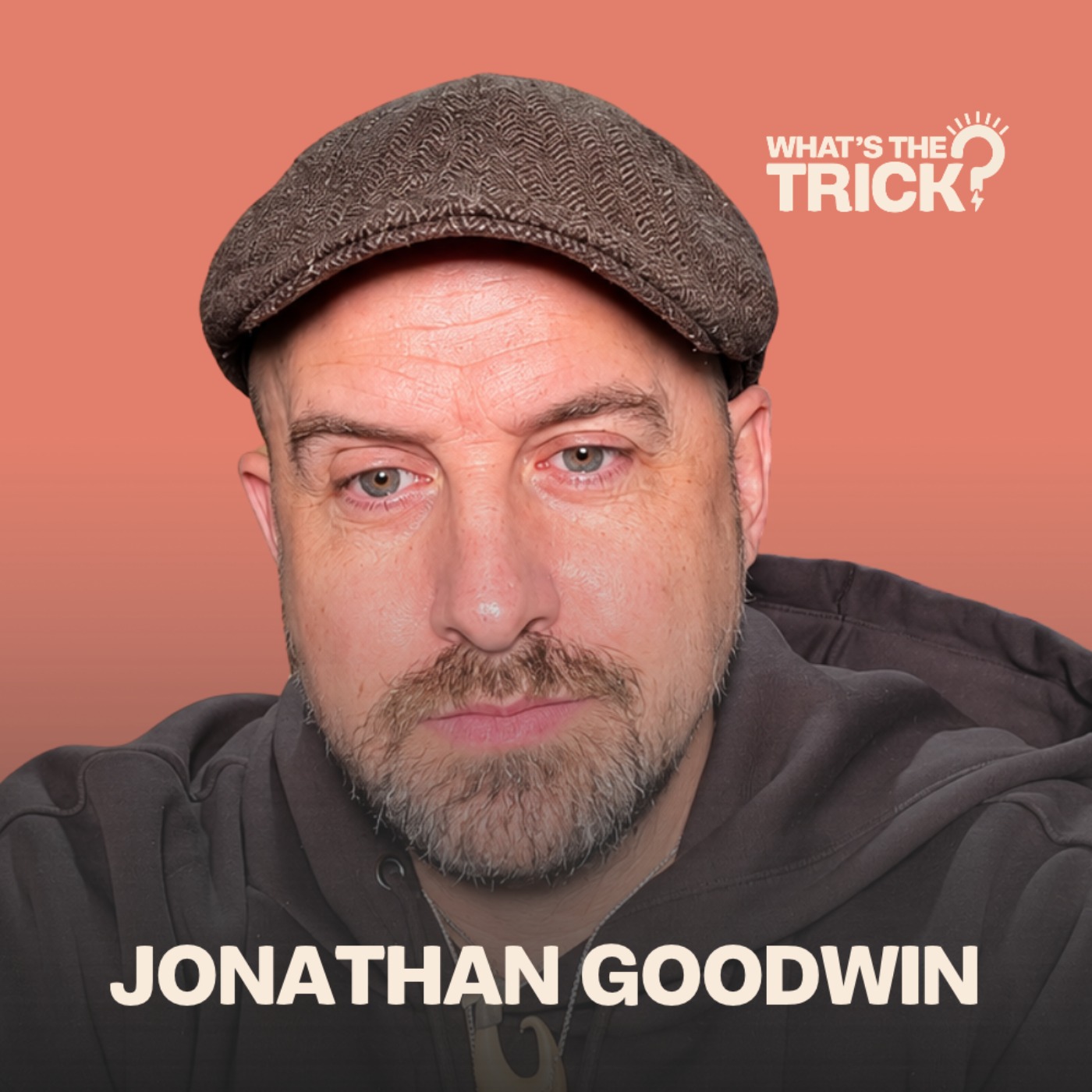


How writer Derren Litten turned a single sketch into ITV sitcom Benidorm, plus his approach to long-running comedy, pitching, plotting, and TV writing pay.
Derren Litten (Hull) was a professional actor for 10 years after Central School of Speech and Drama. He later got pulled into writing via Catherine Tate, whom he’d known since drama school.
He “blagged” his way into writing narrative comedy after being asked to write for Catherine Tate’s sketch show. Benidorm was commissioned unusually fast by ITV after a poolside sketch idea; he says ITV kept his cheekier lines. For long arcs, he learned on the job (no formal step-outline training) and used techniques like “one big visual gag per part.” He argues luck matters, but “leave the house” and say yes to meetings to create opportunities.
The original sketch about middle-aged swingers in Middlesbrough (AGM-style officialdom) was relocated to an all-inclusive Spanish pool. He cites characters like Johnny Vegas’s know-it-all quiz champion and Madge the grandma in a mobility scooter. He discusses his “AGM” line about “washing the dildos” and ITV notes demanding more explicit jokes. He also mentions writing/plotting lessons from John Sullivan (Only Fools and Horses).
Written by AI. May contain mistakes.
Exploring Derren's unexpected path from actor to sitcom writer.
“And he was a professional actor for 10 years.”
Derren discusses the inspiration and process behind creating Benidorm.
“I'd love to hear that process of how does the idea start?”
Insights into how characters were formed and the comedic style of the show.
“So it started off saying, Jacqueline, can you speak through the chair, please?”
Derren shares his experiences with the TV production process and pitching.
“and then somebody went, write us a sitcom.”
Derren explains the importance of structure in sitcom writing.
“Did you literally go, okay, if I was sat at a pool, who else?”
Derren reflects on his mistakes and what he's learned through his career.
“I think just logic says, if you have a show that's 22 and a half minutes, you shouldn't have 20 main cast members.”
Derren Litten shares his initial hesitations and how he learned to write for television.
“And then I met John Sullivan after, and he said, would you be interested in writing an episode of this?”
Discussion on the creative challenges faced during the later seasons of Benidorm.
“And it's like, can you imagine being paid amounts of money you never dreamed of as a jobbing actor?”
Derren recounts a humorous story about receiving a letter related to Benidorm from the royal household.
“It wasn't a letter to me, it was a letter to somebody at Endermore.”
Exploration of Derren's feelings about creating new shows after the success of Benidorm.
“If you're a new listener, hello, let me know.”
Derren explains the payment structure for writers in television and his experiences with commissions.
“Then you get another 25 % on, no, you then get the other 50 % on acceptance.”
Learn how episode fees and royalties work in television, and the impact of longevity on earnings.
Discover the factors influencing the revival of TV shows like Benidorm and the challenges involved.
“She weren't highlighting things that she wanted to watch.”
Explore the financial changes in TV production post-Brexit and how it affects show budgets.
“It was like it was pretty clear that it wasn't possible to go forward with it.”
Learn about the importance of character development and writing unique dialogues in sitcoms.
“That's like putting somebody off a Sunday league team in with premiership.”
Understand what makes Modern Family a standout sitcom and its unique storytelling approach.
“I wanted to ask you about sitcoms and comedies that have come up recently that you've loved, that you've reached out to you.”
Gain insights into the character creation process during collaborations with Catherine Tate.
“At what stage do you start working with her on characters?”
Derren discusses what he would preserve from his work, emphasizing the importance of live performances.
“I would take that over, and I would give back any so-called talents I had.”
Derren shares his recent theatrical experiences, including adaptations of beloved films.
“And I was like, oh, my goodness, it's a show called Oh, Mary.”
Derren expresses his disdain for television critics and their impact on the industry.
The importance of luck in building a career in comedy and writing is discussed by Derren.
“It's like, did I turn over two pages at once?”
Derren highlights the significance of engaging with others to create opportunities in the industry.
“Well, I kind of do, but sometimes you've got to force yourself, and that luck will, maybe my luck has gone.”

Get the gist, explore an idea or ask about something said.
 Claude
On What's The Trick?, what are the key points of this episode?
Searching your listeningAutomatic transcript. May contain errors.
0:00I think every long-running show goes in peaks and troughs. Improbable is okay.
0:05Ben Hanlin: Impossible, not okay. Welcome back to What's the Trick? I am your host, Ben Hanlin, and this is the podcast where I sit down with the world's most creative people and try and understand their creative process. And this week's guest is writer Derren Litten. So Derren is the man behind one of the biggest British sitcoms in the last 20 years, Benidorm. So a bit of a backstory about Darren. He started life in Hull. He is a Hullian. Is that what you would call someone from Hull? I don't know. And me and him share the passion for magic. And he used to do magic in his late teens, I think early 20s. And his main career started when he went to the Central School of Speech and Drama to become an actor.
0:50Ben Hanlin: And he was a professional actor for 10 years. And then one day he gets a phone call from one of his best mates, Catherine Tate, who said, come and write on my new sitcom, my new sketch show, which he did, even though he wasn't a writer. And then off the back of that, one thing led to another. And he ends up pitching and making Benidorm, which ran for 10 series, 70 odd episodes. And he's had this amazing career of doing that and writing on other shows as well. So why did I want to speak to Darren? because his journey from not being a writer to writing a massive sitcom on ITV was extremely short.
1:24Ben Hanlin: And I wanted to know, how does that happen? I also wanted to know, where does an idea for a sitcom like this come from? How does it start? How do you start working on it? And then when you're writing the series, how do you actually plot that? How do you write 74 episodes of a sitcom? So we get into all of that. And he's really honest. He's really open. He also shared about what happens when this thing becomes a success. He gave us his thoughts on that. We talked about the business of comedy. I think he basically told us how much money this thing can generate as well, which I thought was really interesting.
1:55Ben Hanlin: And also, he clearly loves the genre of sitcoms. So we talk about other sitcoms he wished he'd written as well. It's a really great deep dive into the behind the scenes. It's exactly why we started this podcast was to find out what really happens behind things like this. So we talk about comedy, creativity, your love here and how all of this gets made. So there we go. Enjoy this one with Darren Lytton on this week's episode of What's the Trick?
2:25Ben Hanlin: Let's start with Benidorm. It ran for 11 years. You did 10 series, 74 episodes. I'd love to hear that process of how does the idea start? Where did the kernel come from and what did you do with that idea next from that point of view? So basically, I went to drama school. I met a friend. I became really good friends with somebody called Catherine. And in about 10 years after we left, Catherine got offered her own TV show because she did a sketch show in Edinburgh. and she asked me to write for it, which was, this was the Catherine Tate show. I wasn't a writer, but I'd been a professional actor for 10 years, so I knew my way around the script.
3:15So we did two series and a Christmas special of Catherine's show, and then that producer said to me, I want you to write your own show. And I said, what? I don't want to write a sketch show. And he said, no, you know, narrative comedy. And I said, okay, fine. I went away and had to Google what narrative comedy meant. I'm not the most educated person in the world, but I'm a really good blagger, really, really good, and I've learned how to use the Google. Anyway, so I wrote this script. No, I wrote a sketch. It was about these swingers, these middle-aged swingers in Middlesbrough, and they were in this room, and they were having like a conversation about, it was like an AGM.
4:03So it started off saying, Jacqueline, can you speak through the chair, please? We do have a process here. And it was all this sort of officialdom. Then about a minute and a half into this sketch, they said, look, the bottom line is this. In paragraph two of section three of our original code, the person that leaves last has to wash the dildos you know and so it was so it was that was the that was the joke build all this officialdom and it's done a few little funny things but then you go like oh my god um and i thought okay that's funny it's silly it's i like the characters but where is this gonna go then nobody's gonna make a tv show about middle-aged swingers so i i said um i thought right It was in like a provincial house in Middlesbrough.
4:55So I changed that. I put them by the pool on a holiday. And then my producer, Jeffrey, rang me and said, how are you getting on? I said, I'm doing all right, but I've got this sketch. It's quite a funny scene. Not a sketch, a scene. It's quite funny, but it's sat around a pool at an all-inclusive sort of Spanish holiday resort and that. I don't know where to go from that. And he said, why don't you just imagine who else is sitting around the pool? And I thought, oh, that's quite good. So I just kept writing. And then we went for a meeting at ITV. And then another TV legend, Paul Jackson, was head of comedy there.
5:38And he commissioned the series. And I remember him saying words like things that you would never hear now. He said, okay, yeah, we'll have this, six half-hour episodes. Any cast attached? And we sort of went, no. And he went, all right, keep us informed. The thought of that, as you know, Ben, that's just unheard of, you know. You go in with at least one or two stars attached to a project and then you fight your way about a year of development sort of thing. This was old school. I got literally in the back door.
6:17Ben Hanlin: This is like what people think telly is. So your friend got you a job, you weren't even a writer, and then somebody went, write us a sitcom. The first thing you pitch gets made into a juggernaut of a TV show. And for context, you know, actually I've had other writers here that have had to do years on EastEnders and then years on Holby City, and then they've pitched a dozen things, 20 things, and they've all been rejected. Like that is just whether it's fate or timing or whatever, it was amazing. So when he said yes, first of all, so it sounded pretty quick, which is amazing. Did they go make us a pilot first or was it like, right, that's it.
6:53Ben Hanlin: Full series. Go make some scripts. That was it done. What happened with that, as I found out sort of subsequently, Paul Jackson, he had already decided to commission the show. And Jeffrey Perkins knew that. And when we're in the room, in my memory, this might not be right. I might be, but in my memory, he pressed an intercom and said, June, can you just book in six half-hour episodes, shooting on location, budget TBA, cast TBA, okay, thank you, and like that, and went, okay, great, we all shook hands, we all sort of shuffled out, and as we shuffled out, I said, what is probably the most ungrateful acceptance of a TV show, I said, what did that mean?
7:36And they said, they've commissioned it. And I said, fuck, I've got to write another four of them.
7:46Ben Hanlin: What I really want to dial down on is you came up with one or two scripts to begin with, where you started off with a sketch with one character, one set of characters. And then, like you said, you visually looked around the pool. So can we just talk about that? Did you literally go, okay, if I was sat at a pool, who else? And how quickly did those characters, so in your head were they like mini sketches to begin with? Like that's a character, that's a character. How did you start forming these characters, Derek? Right, the honest answer, and the answer that isn't really going to be that helpful is I don't know.
8:21But then the long form answer is the fact that I remember once it was in series one shooting around the pool and i and johnny vegas was in the pool um you know he his character was sort of like um a quiz champion pub quiz champion a bit of a know-all but it was on holiday with his mom which he referred to who whom he referred to as his pa and all this sort of thing and i and i was watching him in the pool and i thought oh my god it's that bloke on holiday in egypt the same thing happened with madge who was the sort of grandma of the of the of the show in a mobility scooter and um with a very very very dark tan and um one day i was just watching it going and i just thought that's the woman from tenerife she was not in a she was in a wheelchair in a wheelchair that you push and every and when the son would move and she'd sort of wake up with a fang like Brian Brian the son's moved and Brian would come up and move I don't know Brian was um and all these things sort of came back to
9:33Ben Hanlin: me at the time you were just kind of going oh there'll be a there'll be a grandma and then you started writing that oh there'll be a know-it-all but in your time you weren't going because I knew they should be when I got these swingers and this posh couple I thought okay there's gonna have to be a family they're gonna have to be a main family and so the family um just sort of yeah I mean I again it's it's not something I'd never actually I'd never I still have never read a book about you know the sort of the three act method or what I don't even know what you call it you know i've literally learned on the job and my sort of mistakes became um i don't know vaguely original sort of things because i didn't know what i'm doing now the great thing after being in the you know industry for 25 years the great thing is you realize that nobody else knows what they're doing as well you said this a couple times that you made big mistakes but it's worked in your favor so what is that so it's having a big cast is that one or you know what are the big ones that you look back on?
10:41Yeah. I think just logic says, if you have a show that's 22 and a half minutes, you shouldn't have 20 main cast members. Yeah. Cause they're not going to get a lot to say, you know, and how on earth are you going to cram it all in? Yeah. It, that was the, certainly the first mistake, well not mistake, but the first thing that shouldn't have worked also like, you know, I was putting stuff. I just want to, I was just making myself laugh. And, you know, so when I put a line in about these swingers, which they did have very sort of fruity lines, and to think you'd send that into ITV is just crazy, you know.
11:27But my producer kept them in. ITV came back with a note that said, I mean, this was like 2000, and I'm really bad on dates, 2006 or 2007 or something. And, you know, the swingers had Donald, the husband of the swingers, said, yeah, we had a few friends around the night before we got on the plane kind of thing and inferred that they were all there to sort of, you know, enjoy themselves. and he said yeah in the morning my wife's vagina looked like a pair of padded coat hangers and he said we needed to pay for extra leg room on the plane now I put that line in thinking that's just shocking and they'll go okay what are you going to have in place of this show
12:25Ben Hanlin: and it came back more lines like this please so it was that having a bit of the uh that cheekiness to it and like you said a bit edgier than the normal but it's also done in such a soft way as well isn't it it's it's like um when you watch the show it's peppered in amongst other things but the way you just described that then interestingly i'm not i've not linked the two before is obviously you'd come off a sketch show and it almost feels whether you were doing it consciously or subconsciously that you were writing loads of sketches that just so happened all to be, in the early days, that all happened to be in the same location, like that family is that sketch, that family, and then they just kind of got mashed together in a way.
13:10Yeah, I think that would describe my creative process, just mashing things together.
13:18Ben Hanlin: No, it does. I'm not pulling you up on it. I'm saying it's exactly what I was doing. Once you've got these characters, Where does the plot and the series arc come in? Do you sit down at the start of each series and go, right, well, this series, we're going to do X, Y, and Z, and then you start writing each episode? How does that all slot into it? So after the Catherine Tate show, or kind of after the first series, a friend of mine that was in the Catherine Tate show, Ella Kenyon, was doing a show called The Green Green Grass, which was a spin-off from Only Fools and Horses, written by the legendary John Sullivan.
13:56And she invited me to one of the recordings, and I went. And then I met John Sullivan after, and he said, would you be interested in writing an episode of this? And I said, oh, God, no, I couldn't do that. I'd just write sketches, you know. But I said to him, look, I've only written sketches. is, you know, how, I don't know how you do a, how you make a whole story, you know, and he said, you've never done a step outline. I went, no, what's that? And he went, okay, so you just write the first, you know, your opening scene, what happens, and then what happens there, and he said, and then the next bit, the next bit, and you get to, and you put in, where you know where you're going to end up, and you put that on the last one, and then you fill in the middle bit.
14:42He said, it always changes a bit, you know, but you do this step outline I said oh can I see one of yours and he goes oh I don't do that as we sort of got into hour-long episodes myself producer and and sometimes occasionally other people like Simon Kylile would go to a fancy hotel somewhere and have you know a brainstorming sort of thing write all these ideas down and do all these little postcard sort of outlines then I'd go back and completely change them not out of spy or anything it's just that i you know it's i i think right i quite like writing to going on youtube when you go okay i need to go on youtube and research george orwell because yes i've had a note say this has got to be more orwellian so you go you you put George Orwell in YouTube and somehow you end up watching ingrowing toenail operations via, you know, the Iraq war and Russell Brand and what else.
15:51Yeah. I think you've just got to, for me, you just don't lose hope. I just keep going with it and you'll get there eventually.
16:02Ben Hanlin: Yeah. Well, let's interesting about Bandol. so obviously you did 10 series, 74 episodes. Further down the line, series 7, 8, 9, 10, ideas must have got harder and harder when you must have got to a point of going, we've been in this hotel 10 years now. Did you have any techniques for creating ideas or coming up with new plots or new ways? Was there a trick or were you just hammering it out basically? Around series 6 or 7, no, it was about 6, um two of the actors in the show in the main family said that they they had you know they had young kids they'd worked out that because the the show went to hour-long episodes we were in in you know for like four months some of them four months i was there for at least six months um and they'd last it was one of them came to me and said his youngest their youngest son he said I've worked out I've missed a quarter of their life so far.
17:06And I went, don't worry, I know exactly what you're going to say. Thank you for your service, you know. Yeah, we'll let ITV know and see what they want to do kind of thing. So basically we lost the main family. So I was like, do we end it here, you know? And it's like the big problem with Benadron was, and I am getting to answer your question, But the big problem with one was I knew I would never end it. You know, I read my hat goes off to these people that say we knew we was only going to do three series or, you know, the story was two series. And it's like, can you imagine being paid amounts of money you never dreamed of as a jobbing actor?
17:50you know, being on holiday with your mates and kind of working hard, but playing probably harder. Do you know what I mean? I'm never going to stop that job. I'm never going to say no. You know, I would hope that, you know, by sort of see and we've got a new family and, you know, my fans or the fans of Benadon TV show are very very loyal but some of them will come up to me and say so why was it shit after the Garvey's left
18:31and I'd say somebody wants to ask me that at a lift waiting for a lift in a hotel in Spain I said well thing is I said it was like series 7 series 8 I said I realised by then ITV paid me the same amount of money whether i put jokes in or not so i just didn't bother putting the jokes in and he went he looked at me just to go you're taking the piss and he went oh
18:54um so what's the answer to that just you know more brainstorming more sort of um you know i think every long-running show goes in peaks and troughs and it's just you know do you have a good day at work every single time you go to work of course definitely not now every show is a killer you know sort of and you kind of have to accept that really when when itv rang and said they weren't recommissioning the show we were um i was actually i was actually filming a pilot for a show uh i was doing for um bbc called scarborough which when then we did go want a series so it was relief and exactly where I was I just parked my car in Twickenham Studios and was going up to the edit for this I just sat down and I breathe it was almost like a sigh of relief because we were I was off the conveyor belt do you know I mean You know, I once got a letter from the equerry for Prince Charles saying, we all in the house love this, love the show Benidorm.
20:10It wasn't a letter to me, it was a letter to somebody at Endermore. And I was like, is he trying to say that Prince Charles, now our king, has watched that?
20:23Ben Hanlin: Was he a fan of Benidorm? I don't think so. I don't know. But what I do know is that we once did a sketch for the Royal Variety performance and William and Kate, because I was there, William and Kate were laughing their socks off. Hello, it's Ben and this is a short commercial break for you regular listeners. You'll know this is not really a commercial break because I've got no sponsors. So it's just me talking at you for a minute or two. So if you can indulge me. First of all, let's give Darren a plug. Darren Lytton here. Great guest. I didn't mention at the beginning, you can't tell in his voice, but he's not been able to leave the house because he's got broken ribs, but he still kindly did the podcast.
21:05Ben Hanlin: And he doesn't do many podcasts. So it was really nice of him to jump on board and carry on with the record. If you want to give him a follow on Instagram, it's at Darren Lytton. And if this has inspired you to maybe go back and watch Benidorm, it's on Netflix now. So you can go and give it a watch on Netflix. And he's got another show, Scarborough, that he did after that, which is on BBC iPlayer. So you can go and check that out. So I suppose a short ad for me because people kind of wonder what do I do outside of the podcast and I do a lot of corporate events. And I'll give you, this is exactly true of what's been going on last week to give you a snapshot.
21:40Ben Hanlin: So last Thursday I hosted some awards in London. This Thursday I'm performing an after-dinner act for a corporate, which I don't think I'm allowed to say the brand, but brand you would know. and then on Friday I'm doing a virtual keynote. I don't do many virtuals, but a virtual keynote about human connection. So I do a keynote where I go and talk to companies about how they can get a competitive advantage through the power of human connection. So if all of that, any of that sounds interesting, you go, oh, I'll check a bit of that out. You go to benhandling.com and you can see all of that and there's videos and showreels, et cetera.
22:13Ben Hanlin: And if you've got companies that organize events or have conferences and need host or keynote, then obviously you can get in touch. Anyway, plug over. Let's get back to this podcast. I just want to say thank you for everyone that watched Matt Richardson last week, a very honest comedian. Thank you for the DMs. People have been DMing me on Instagram. I do say this. If you're a new listener, hello, let me know. Just drop me a DM on Instagram at Ben Hanlon. Tell me what's going on, and I'll try and reply to all of them as well. I do try my best to do that. My two things, I suppose, that's going on in the world of the podcast.
22:48Ben Hanlin: We've hit over 20 episodes now, which is great. I'm going to keep going. We've got some really good ones lined up. There's one particular in June that I'm very excited about, which stay tuned for that one. But I'll be honest with you. Guests are difficult, right? So if you are somebody that I know or don't know that's in the creative industry and you think you'd be a great guest for this pod, let me know. Or if you work with people that are, whether it is musicians, singers, creative chefs, whatever it is, get in touch. I'd love to see if you as a community can help bring on the next batch of guests as well.
23:23Ben Hanlin: And then my final thing, the thing I say, if you only do one thing for me, everyone loves you to like and subscribe because it really does help a podcast and you can leave a little five star review. But if you just think of one person in your life that would enjoy this podcast, whether they're into comedy or writing or creativity, just take out your phone, WhatsApp them and send them this episode or send them a link to the pod. And if every week we can share this with one more listener, then we are going to grow this thing and it's going to be lovely. Anyway, right. I've waffled enough. Let's get back into what's the trick with Darren.
24:03Ben Hanlin: I don't want to focus on any negativity, but you've had such a massive hit. When you're working on your new thing, whether it's Scarborough or New Ideas, what's your thought process then? Is there pressure of, right, whatever I've got to do, I've got to try and match Benidorm, or I've got this big pressure to come out with a second massive hit? Or, yeah, how do you deal with that? I mean, I am a glass half empty sort of person, But even I, at some point, had to realize that, you know, nearly six million people were watching Benidorm. And it was a big, big show. No matter how shit the critics said it was, that didn't matter because it was the people, the fans of the show, obviously enjoyed it.
24:51And so I actively took out jokes when I was writing Scarborough. I didn't want it to be like, you know, I wanted it to be slow. I wanted it to be sort of tonally very, very different. I don't think there was a pressure for me personally because I'm not a public figure. It's like if it was the next, you know, I don't really put myself in my TV shows. But no, I didn't feel any pressure personally because I'm not Peter Kay or I'm not sort of a name of a title sort of, you know, or Russell T Davies. So I'm not trying to put myself in the same category as these people. It's just that I'm not a name that people know, you know, only if you're a mad Benidorm fan.
25:39Ben Hanlin: So when you make a show like Benidorm and you've created it and you've written it and it's done well and it's sold to other countries, financially, does that set somebody up for light? Does that do really well for them? Is there royalties? is just quite an interesting area that we never, ever hear about. You don't have to go into any detail, but I just thought... I don't mind talking about money. I know some people do.
26:10You obviously watch the Magicians podcast.
26:14Ben Hanlin: Yes, I'm sounding like Richard Young now, aren't I? Well, no, you sound like Alan Hudson. He's the one who's willing to say, we don't like to talk about money but how much did he get for that gig yeah well yeah and i suppose i'll make it really what what does a writer and a creator how do they get paid do they get paid per episode per series every time it's commissioned yeah for instance the uh so benedon i would get commissioned to write a script this was before the show was commissioned so a production company will commission try to script or you can write a script off your own back you know i mean yeah so they'll give you that script and they say okay you say your fee is i don't know just for the sake of um because my maths is rubbish say that fee is 10 000 pounds yeah so they say you're going to get 25 on commission so before you've written anything you've been commissioned that so you get 25 so that's uh two thousand five hundred right yeah And then when you've written it, you get another 25%.
27:19Then you get another 25 % on, no, you then get the other 50 % on acceptance. Which means we didn't like that bit and can you, you know, tone that down and we don't like that character. So if you fan it all around with that, then you've got your 100%. With ITV, the great thing is you then get that fee again, 100 % of that fee again, when you start filming on the first day of principal photography. And that's against your first terrestrial repeat. Right. So they can repeat any episode of Benidorm once and not give me any money because they've given me it already. Yeah. so it does kind of work out quite a good and then they then they you go from half hours to hours and
28:08Ben Hanlin: that literally doubles the money so just so unclear it'd be per episode you've written is a fee so if you write 10 episodes you get 10 fees 20 episodes yeah fine and then it plays and they can repeat it once what happens if they repeat it more than once then you get 80 of your fee i don't with the percentage i'm not sure it goes but then it goes down and down and down and down and down i think the last series because then you start getting uh i shouldn't say you know but why not it's only fucking i've spent most of it i've just been divorced most of it's gone
28:48um i think i think the fee ended up in series 10 i think around about 65 000 pounds an episode so you get that double yeah and nine episodes yeah so on top of that you start getting exec producer fees and all sorts of and production days and you get like 30 quid a day just for turning up and so it's you know it's embarrassing when you think it's a lot of jokes on a page so i heard that back in the day with things like only fools and horses that the royalties on that
29:35Ben Hanlin: the actors were getting that as well and it was just repeated all the time on bbc and it was just for decades just those royalty checks um it's yeah but don't but don't forget when the when it goes on for decades the royalty checks get smaller and smaller and smaller you know right um yeah janine davitsky um is a classic example she's been in every show from citizen smith to one foot in the grave to just everything you know she played the um she played jacqueline the swinger in benedon and she would sit with a TV Times, you know what people do at Christmas with the highlighter pen and that. She weren't highlighting things that she wanted to watch.
30:18She was highlighting repeats of things that she was in. So she had, but she said, oh, some of these shit, I won't get a penny. You know, some of them would have been a bug out. It all depends on the contract.
30:29Ben Hanlin: I suppose I've got to ask you the question. Would you, if asked, bring Benidorm back, Darren? I always say, I always say it's, what do I always say?
30:45What's the phrase? Never say never. Never say never. That's the short answer. The long answer, which I can't go fully into, is that basically ITV did ask for another series of Benidorm. But as we know, as we've discussed about things in development and things change and stuff over, it was almost over a year from when they first asked, things changed so much. It was like it was pretty clear that it wasn't possible to go forward with it. So we've had a near miss, but then, you know, we might get another near miss.
31:27Ben Hanlin: You never know. and without talking about your fees or anything like that but obviously money's changing in telly and things are costing totally different to make a show like that is still going to cost the same probably as what it previously cost can can itv afford these kind of things still because that's always the thing you're hearing is that that viewers are changing and things like that yeah definitely because but they have to take the money from somewhere else um also with a show like benedon we did that you know sort of well i remember the day the Brexit vote came through, I couldn't look the Spanish crew in the eye the next day.
32:03I was really, really upset about it, actually. But, yeah, we're post-Brexit. Everything costs a lot more now. You've got, you know, before we had a sort of infrastructure there. Now you'd be setting the setup costs, you know, because people say, no, why don't you do a special? Why don't you do like a two-part special? The setup costs are so huge. you have to do a whole series to you know to um yeah make it worthwhile kind of thing here's a
32:31Ben Hanlin: question let's take a slight uh detour from from your story for a second question if you could have written any comedy or sitcom ever or been in the room whilst it was being written which one would it have been probably porridge i would have thought really dick clement and ian lafrenet I was once asked to be on a panel, Paul Jackson asked me to be on a panel talking about comedy with Dick Clement and Ian Lafrené. They were both alive at that point. Some other writer of note and me. And I just went, that's ridiculous. That's like putting somebody off a Sunday league team in with premiership. me a ship sort of and i'm not trying to just you know yeah now i would i would i think i was on like series four or something better now i'd go yeah i'll go on that but at the time yeah what is it about porridge for you out of all the sitcoms that as as somebody from your side of it as a writer you look and go that was great um it's all about the characters you know it's there's a very famous episode called A Night In where Ronnie Barker's character and Richard Beckinsale who are roommates in a cell they go do you finish going out tonight?
33:56and they go, hmm, don't know heavy night last night, so they make up this sort of scenario where they've been out on drinking stuff and should we go tonight, we could go here, we could go, and it's a full it's a BBC half hour it's a full 29 minutes of them sort of doing that, and at the end they go nah, do you know what, I think we should have a night in show you know and it's and this it the it's just so brilliant and clever and and some of it is to do with casting i think with different actors you wouldn't make you know particularly want to sit through half an hour of that that particular episode anyway but um you know it's you know one hand washes the other you've got to have brilliant stories brilliant characters and then very, very good casting.
34:43I think the one thing, you know, that I've realized I've learned on the job, the thing that I can do is I can write characters. I can write dialogue for characters that is kind of specific. What I don't like are some shows where you could take that line from that character and just give it to another character. So if you can do that.
35:11Ben Hanlin: Do you know what we had? I spoke to a guy called Matthew Barry, who's a brilliant writer. And he said that his thing as well, I think he got this from Russell T. Davis is you should be able to cover the name in the script and read the words and know from that, who's saying it. And if you can't, like you just said, if anyone could say it, then it's not a fully formed character. And yeah, it's the, for me, it's, it's all about characters. And and also I'm not, you know, Jeffrey Perkins always used to say you have to have one big visual gag in each part. So if you've got four parts, you need four, whether it's somebody falling in a swimming pool, tried not to do that too often, but got desperate every now and again, you know, whatever it is, you know.
35:55And I think, you know, for an ITV sitcom of that genre, I don't think that's a bad rule of thumb.
36:02Ben Hanlin: I wanted to ask you about sitcoms and comedies that have come up recently that you've loved, that you've reached out to you. And I have written here Modern Family because that was the one for me in recent years that has stood out. So what's your thoughts on that as a sitcom, as a comedy? And why does it work so well, Derek? Well, I think it's brilliant. And I think it's very, very funny. And I also think that if somebody had described it to me, I remember somebody once described Gogglebox to me. And I just went, oh, fuck, television is dead. That's it. We're watching people watching television.
36:35I can't think of anything more horrendous. it's brilliant um i don't watch a lot of television so i don't um but i've seen gogglebox and i think it's brilliant i think 10 years in spain um where i didn't have uk tv just weaned me off you know um uh tv so i've not seen a lot of things um but modern family yeah that concept where you sort of go it's clearly not a documentary it's shot as a comedy but then they have these talking heads to
37:08Ben Hanlin: the camera and it's like that shouldn't work it makes no sense right it makes no sense logically um i always said i had a rule in benedon which was improbable is okay impossible not okay so if you walk into a room and somebody is like saying they're trying to get into transcendental meditation and they're just levitating right and you go well i've never seen that so in my in my world that's impossible you could have them levitating and then you walk around the side and you see that you know doing one of your magic tricks yeah you know something you just can't see um but yeah i think that was um but but these rules are meant to be broken very quickly in the writing room for Catherine Tate.
37:55Ben Hanlin: So obviously you are friends. She gets this show commissioned. She brings you in. At what stage do you start working with her on characters? Does she have a character formed or do you both start with a blank piece of paper? How does that stuff come about, Darren? There was never a writer's room as such for Catherine. Catherine did an Edinburgh show where she did three characters. one was like a sort of randy Irish nurse another one was this old woman character this nan character that it should be doing in stand-up so that was like a sort of pre-existing sort of character I think all of those three characters in our Edinburgh show are classed as pre-existing and the other one oh it was like a drag queen character like a sort of Danny LaRue sort of one for the teenagers, but a drag queen, you know, or RuPaul's Drag Race, sort of, but a lot more traditional.
39:00And basically, so we'd say, okay, we've got ideas for characters. I would say, like, okay, I've got an idea for this couple that sit on a sofa and complain about food that sounds foreign, whether that be curry made with a goat you know goat curry or grapes in a cheese sandwich you know brie and grape sandwich and and the kind of and they would sit there saying that saying these people making this food were the catchphrase was the dirty bastards that's what they said kind of at the end they were very very much sort of um you know sketches um but i you know i gave that to Catherine and said, what do you think?
39:46Weirdly, the character, the gay character that she did, Derek Faye, who dear, me dear, gay dear, no dear,
39:57I showed her these sketches and she sort of went, but it'll never, the prosthetics and stuff, whatever we do, I won't look like a man, so it's not going to work. So they did a prosthetics test and she looked amazing and one of the producers walking past a guy called clive tuller um brilliant comedy producer on tour now with ruby wax um at the moment um and he just passed with oh clive clive said we're just looking at tapes of actors um look at this person it was catherine in the thing you know and he was like watched and he went i said what do you think is he funny we don't know you know we were trying to see if he guessed it was catherine or if it wasn't a man you know and he went he went uh he's funny yeah he is funny he said he said i'd get him in again you know i mean he's like it's uh he went what and he said so then we knew it would sort of work you know um but yeah that's that's the answer really there was it wasn't sort of like a big room of brainstorming going on it was just like oh what about this you know we have moved on to
41:05Ben Hanlin: our last section. I always finish the pod on my Fast Five. Are you ready for Ben's Fast Five, Darren? As I'll ever be. Well, we'll see, won't we? So what it is, we love a format and in no way has this been stolen from any other podcasts. Question number one. Are you familiar with the film Highlander? Mel Gibson? 80s film with Sean Connery and he's the immortal guy that goes around chopping people's heads off. But when he did this, he would steal the skills and expertise of the people he would kill. Now, you don't have to kill anyone, but if you could steal the skills or expertise of anyone, dead or alive, whose skills would you be taking?
41:50A specific person or just a skill that I don't have?
41:53Ben Hanlin: A specific person. Oh, shit. There was a singer from Hull, where I'm from, called Joe Longthorne, and he was an incredible singer, but an incredible mimic as well. He could impersonate any singer. Not with us anymore. I would take that over, and I would give back any so-called talents I had. I would give those up just to be able to sing like that. Really? Okay, there we go. That's done. You've got it. Moving on. Next one is Time Capsule. if you could keep one project one episode one character anything you've ever created to put in a time capsule and that's all you keep all your other work is going to be incinerated what would it be the whole of benedore would it be a particular series particular episode it's totally up to you okay i would want to put in the live performance of the of the stage show of benedict and i always said i didn't want it recorded i didn't want to put it on dvd i didn't care about how much money i'd make from it or anything because i wanted i knew that that experience go and see a show as you know because that's what you do it's about the half of it is the anticipation of going to see that show yeah and so if there was a way of putting that performance not on DVD but that live performance that's impossible to do maybe you could bring back it's next iteration another live version maybe but okay it's going in the capsule there you go Benidorm live next question is Culture Vulture so what thing have you whether it's a book a film TV music have you consumed recently that you've loved that you want to tell somebody about it can be anything I was in New York a few weeks ago with Catherine, and we went to see a play, and she said, oh, I'm taking over in the lead in this in London.
44:04And I was like, oh, my goodness, it's a show called Oh, Mary. And very, very funny play. I'm supposed to go and see it tomorrow night, her first night in London. I can't go because I've cracked a rib. And these three things that hurt is coughing, sneezing, and laughing. So luckily I've been all right with you today, Ben. but um i can't put that in because i've not seen her do that yet so i will say in the same trip in new york i saw um an adaptation of one of my favorite films dog day afternoon on stage and i thought i'm gonna hate this but i've got to see it anyway because it probably won't come to london it was sensational so the new stage adaptation of the movie dog day afternoon we've heard yeah
44:54Ben Hanlin: yeah yeah heard of the film with um al pacino wasn't it al pacino yeah uh next one is the magic wand now you've probably owned a magic wand or two in your time derram um with this magic wand you have the ability to make one thing vanish from the world of tv can be the world of comedy as well can be from the world of theater whatever you want it could be a style a genre what would you make vanish from that world well it's it just sounds like sour grapes but i would get rid of television critics not not theater critics not other not literary critics i would get rid of television critics because I genuinely think they serve no purpose um and that's all I'll say on the matter or else I'll crack another rib okay fine tv critics are gone forever in your world it's done and then the final question of the podcast which is so what is oh by the way I've just said so I've just started a sentence with so Darren Don't be doing that I know you do not like when people I thought you were going to maybe make that vanish those the start of so I think with one other podcast that I've ever done because it was for a mate I think I and you know what on that podcast I want on each of the things that I was asked I was going to start each one with the word so and then at the end saying they say what do you hate most I was going to say during this podcast I couldn't bring myself to do it because I thought if somebody listens to half of it and we go oh he's one of those assholes that starts the sentence with the word so and i so didn't want to be i was in the middle of the sentence that's fine yeah i didn't want to be that person that much that um i couldn't bring myself to say it yeah for clarity on that that is because you when it comes to writing or just people talking in general you hate those kind of filler words at the start of sentences like that so or like or those type of words not between In writing, there's people that start a sentence with the word so.
47:04It's like, did I turn over two pages at once? You know, am I late to this conversation? You can't start the sentence with the word so. Anyway, Doug, get me started.
47:12Ben Hanlin: My ribs are... Okay, final question is, what is the trick, Darren, to having a career as a comedy writer and creator? okay the short answer is a four-letter word luck but one series is lucky 10 series is beyond luck that's all i'll say and how do you get lucky i'll tell you how you get lucky leave the house more go on just well you know some people would say say yes you mean there was a there was it was it yeah yeah yes man yeah yes man and it's like yeah the more you know the more i leave the house the luckier i get now leaving the house is just a very simplified version of like going to taking a meet a general meeting with a producer that i don't particularly want to work with but I'll have that general meeting or going to see a show that I think is going to be shit dog day afternoon that inspired me so much not directly but just generally and made me want to write another live show or play or whatever yeah I'd say you make your own luck to a point I've got mates that I went to drama school with and they've never worked much better actors than me never ever worked they just didn't get that luck you need that first bite of the apple you need to start and then the rest is easier do you know i love that advice especially in 2026 where i think digital and everyone's trying to look at ways of making but actually it's going back to the old school of go and press the flesh a bit go out and speak to people have a drink you know just talk and a conversation leads to something else and all that just simply and Don't get me wrong.
49:11I fucking hate people. I hate people.
49:15Ben Hanlin: You clearly don't, but yeah, go on. Well, I kind of do, but sometimes you've got to force yourself, and that luck will, maybe my luck has gone. Maybe I've had my luck, and if I had, fucking hell, I had enough for 10 people. I don't mind that if my luck has gone, you know. I used to think, how many turkeys are you allowed? Do you know what I mean? How many crap shows? Do you have two? I go three, you know. I don't know. We shall see. Darren, it's been an absolute pleasure. Thank you very, very much. That's it. Thank you. The pleasure of being mine. Cheers, Ben. So there we go. That is another episode of What's the Trick?
49:57Ben Hanlin: That was Darren Litton. And just listening back to that, there's a couple of things that jump out at me, I think, from that show, which I'm going to share with you just for a few moments before we all go our separate ways for another week. I think interestingly the way he came up with Benidorm and the way in which that happened I think is really interesting because somebody said oh have you got a sitcom in you and he went and sat down and to most of us the idea of writing a sitcom and coming up with a sitcom would be so daunting but he actually just started with a sketch and he just started noodling away on little bits and then eventually those little bits all got put together into one show so I thought that was quite an interesting way of tackling what would be a bigger task is just try and work on a few elements that you're excited about and then see if they go anywhere so anyway i thought thought the origins of benadorm there was quite interesting and then um at that last point i mean we've not actually heard that before that you get luckier the more you leave the house so just get out into the world press the flesh talk to people say yes to things take those coffee meetings whatever it is because for him and And actually, if you think about his career, his first way he got into writing was from his mate.
51:12Ben Hanlin: You know, his mate liked being around him. And this happens a lot as well. You know, people like people around them and go, come on, get involved in this project, get involved in that project. So being somebody that's clearly very likable, clearly people want them around and want to work with them. And then going out there and just keep chatting to people, things happen, which I think, you know, you can't really learn that on a course or a book. just get out and talk to people and see what see what goes on so anyway that's your homework this week leave the house right there we go that's another episode of what's the trick as always uh i really appreciate if you want to drop me a message about this you can at ben handling and remember if you can share this with one person this week that'd be incredible maybe somebody from hull who knows i don't know maybe somebody who likes benadol i don't know anyway right an episode drops every friday and midday so subscribe so you don't miss the next one thanks a lot Enjoy the rest of your week.
52:05Ben Hanlin: Bye-bye.
In this episode of "What’s The Trick?", Ben Hanlin sits down with Derren Litten to explore how he wrote Benidorm.
If you want to learn how to write your own show and have it commissioned, this episode breaks down what actually works.
This episode is for:
- Creatives (writers, performers, content creators)
- Business owners and entrepreneurs
- Speakers and presenters
- Anyone looking to improve communication and idea generation
In this episode, you’ll learn:
- Great ideas often start smaller than you think.
- Not knowing the rules can sometimes become your advantage.
- Character is stronger than plot.
- A creative world expands through observation.
- Success creates its own creative trap.
---
About Ben Hanlin:
Ben is a magician, presenter, and keynote speaker who helps companies create engagement, connection, and memorable experiences. He hosts corporate events and interviews world-class creatives on this podcast.
About the podcast:
"What’s The Trick?" explores how creative people think, create, and turn ideas into reality.
Topics covered include creativity, communication, storytelling, content creation, performance, and building creative careers.
🎧 Listen / Watch:
YouTube: https://www.youtube.com/@BenHanlin
Apple Podcasts: https://linktr.ee/benhanlin
Spotify: https://linktr.ee/benhanlin
📩 Work with Ben:
https://www.benhanlin.com/
---
FOLLOW BEN:
YouTube: https://www.youtube.com/channel/UCM0oXTRP-zWlJ_IiNykTLag
Instagram: http://instagram.com/benhanlin
Facebook: https://www.facebook.com/benhanlin
TikTok: https://www.tiktok.com/@benhanlin
---
🎤 FOLLOW DERREN:
Instagram: https://www.instagram.com/derrenlitten/
Website: https://www.derrenlitten.com/
---
What is this episode about?
This episode explains how the hit show Benidorm was written.
How do creative people turn ideas into reality?
Ben Hanlin breaks down the mindset, process, and decisions behind it.
Hosted on Acast. See acast.com/privacy for more information.