Ask ChatGPT
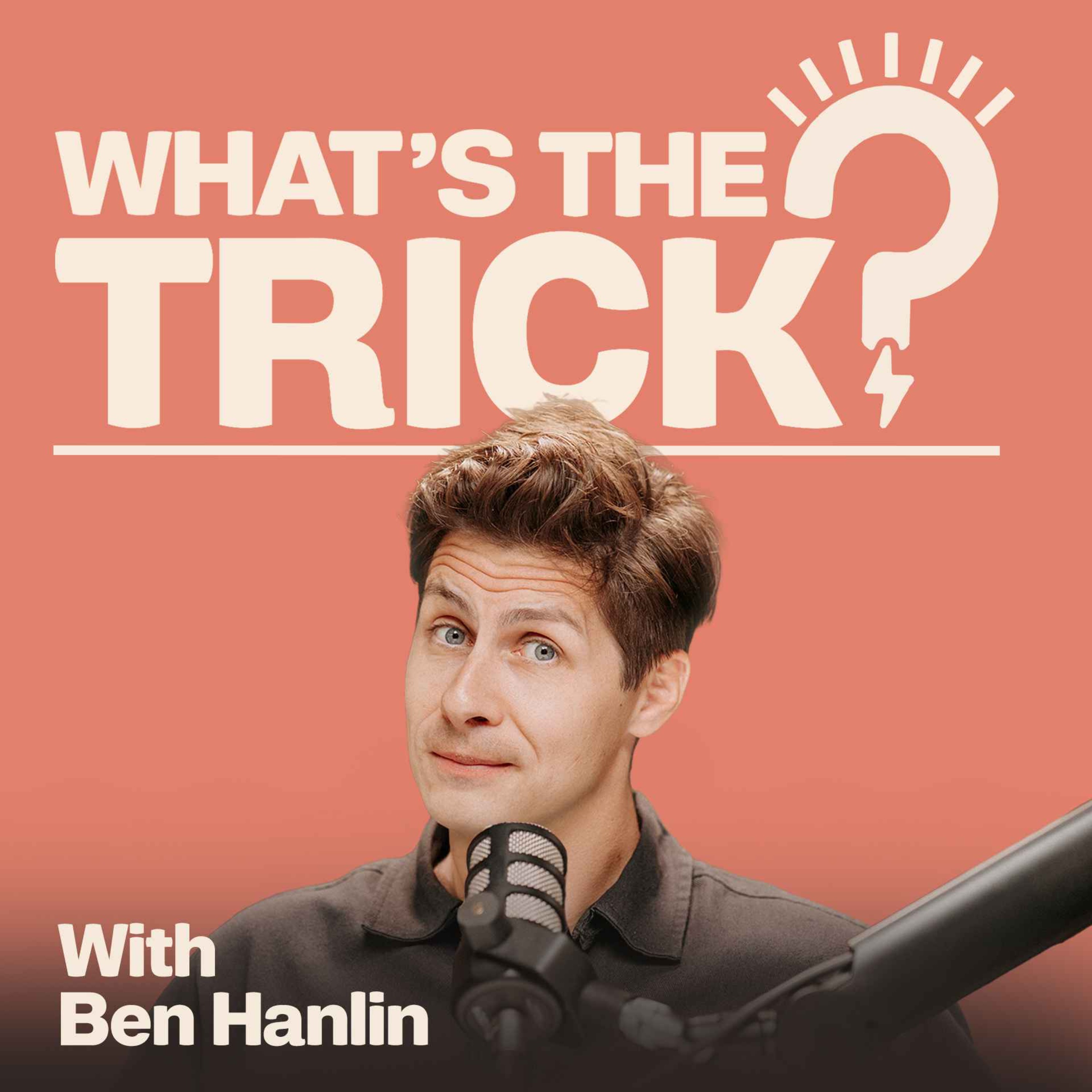

Host: Ben Hanlin
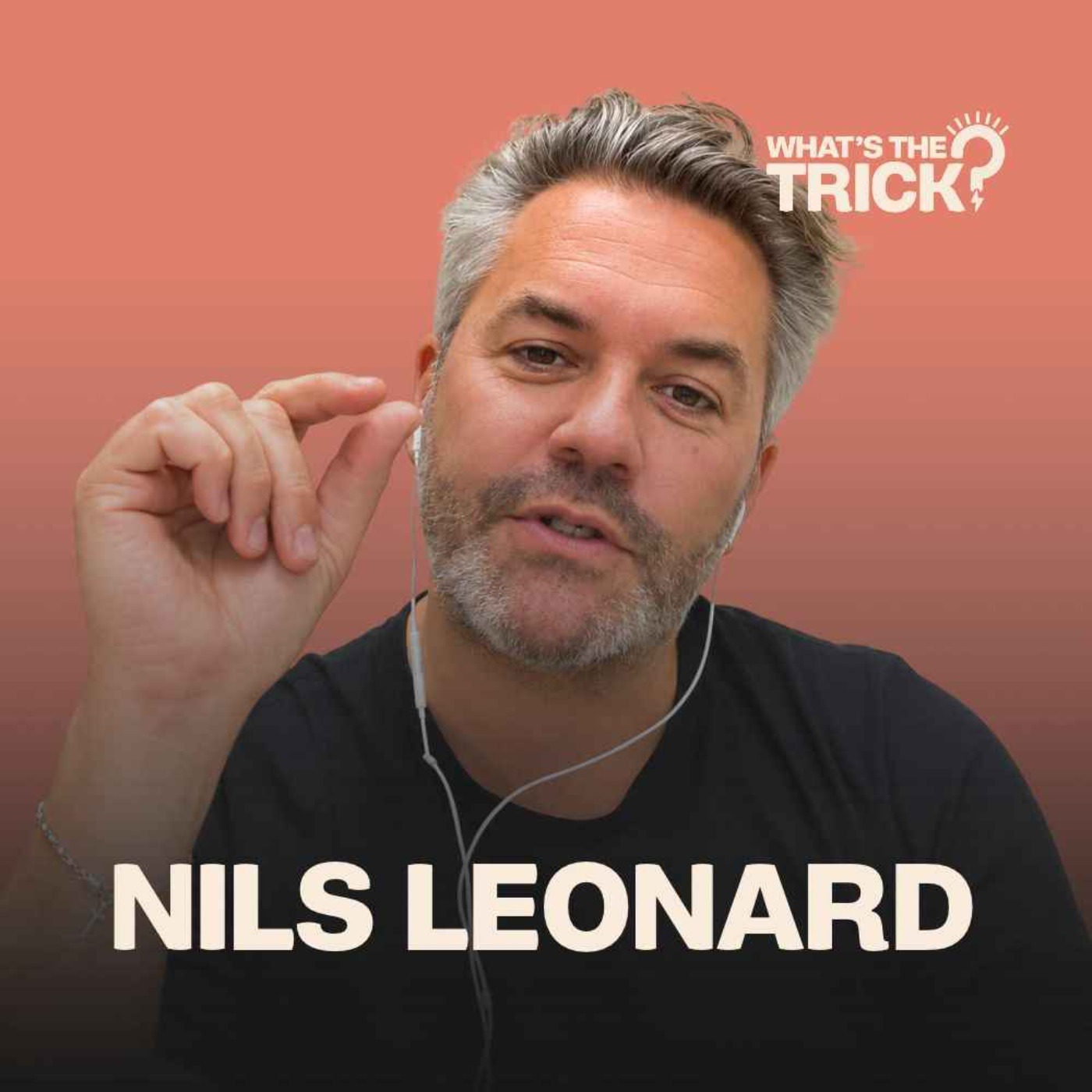
Owen Cutts
This episode dives deep into the realistic processes of music creation, exploring the intricacies, pressures, and collaborative nature of songwriting and production.
Written by AI. May contain mistakes.
Explore Owen's background and evolution as a musician and producer.
“So let me bring you up to speed about Owen, a bit of backstory.”
Delve into the characteristics that define great hip-hop artistry, featuring discussions on Biggie and Jay-Z.
“If you try and rob my house, I'll kill you.”
Understand the struggle between artistic integrity and commercial success in the music industry.
“How did you get from being a person in your teens to having a career in music?”
Learn about Owen's journey from artist to producer and the challenges faced.
“Because that's, is that like the artist dilemma almost?”
Discover how Owen builds trust and comfort with artists to enhance the songwriting process.
“tiny amount of money, but like, I don't come from a lot of money.”
Learn about the unique relationship between Owen and Stormzy before their studio session.
“Orange, that doesn't rhyme with anything.”
Discover how Owen crafted a British soul sound for Stormzy's music.
“How do you and him start, I know there's other people in the room, but start writing a song?”
Owen describes the first productive moments in the studio with Stormzy.
“nah, you know, he needs to think that he always needs to think that these are, these are bangers already.”
Learn how Stormzy creates lyrics on the spot during a recording session.
“So it's like, everyone's like, okay, we're on.”
Explore the emotional depth in Stormzy's songwriting process and its significance.
“would you call that a hip hop album yeah yeah it's like the biggest hip hop artist we've had in decades yeah yeah yeah And your background is that and now you're in it, right?”
Owen shares insights on collaborating effectively with different artists.
Understand how to handle creative disagreements and enhance collaboration.
“someone arrives at 12, you've never met them, you're meant to bond and then write a really deeply personal song that is then a commercial hit.”
Learn about the creative process of songwriting through collaboration and idea generation.
Delve into the unique aspects of famous songs and their emotional resonance.
Examine the influence of classical music like Vivaldi and soul music on modern songwriting.
“this is actually a matter that might be an unexpected one fine bye for it Vivaldi's Four Seasons what?”
Discuss the greatest artists of all time and their contributions to the music landscape.
“But imagine walking around being like, you know, you missed your bus.”
Explore the influence of Aretha Franklin and gospel music on songwriting.
“I didn't grow up religious or like I don't have a faith as such, but I'm like highly respectful of anyone who does or really interested in what it provides for you in your life and somewhat.”
Discuss the significance of conceptual albums, focusing on The Streets' work.
“And I suppose the final fast fire of these, if you could, greatest album of all time or up there for you.”
Gain insights from Owen Cutts on music, creativity, and career longevity.
“All right, first question, Highlander question.”

Get the gist, explore an idea or ask about something said.
 Claude
On What's The Trick?, what are the key points of this episode?
Searching your listeningAutomatic transcript. May contain errors.
0:00Owen Cutts: I would honestly say writing a song with someone, 50 % of it is making them feel comfortable enough to write that song. These songs are so immaculate, they're so important, all you have to do is just listen to it.
0:16Ben: Welcome back to What's The Trick, I am your host Ben Hanlon and this is the podcast where I sit down with the world's most creative people and try to understand their creative process. and this week's guest is Owen Cutts aka Mr. Cutts. Now Owen is a singer, a producer, a songwriter. He's worked with artists like Stormzy, Green Tea Peng, Maverick Sabre, Clean Bandit, Tom Walker and loads more and Clash magazine once said Mr. Cutts has been involved with some of the best British releases of the past decade. So let me bring you up to speed about Owen, a bit of backstory. So he's from Northwest London and he's from a really creative household.
0:53Ben: Mom was a drama teacher. His dad was an actor and creativity was everywhere. And when he was a teenager, music was his thing. He would travel all across London to find the rarest vinyls. And as he left school, he got into a hip hop group with his buddies called The Leftovers. And then that disbanded and he went on to his solo career and he got noticed by the industry. And he released his own album in 2020, Carriage 8. and after that though he moved into producing which is mainly what we talk about but also something more recently he's doing loads of social media so you should go and check him out on instagram owing cutts because he talks about old music friday where he just celebrates old soul music and that's getting him loads of views and we talk about that as well so what is in this episode i really want to dive into how he writes music and how he sits with an artist and comes up with music so we talk about that and then the rest of this episode we we just talk about music and i pick his brains and he shares loads of knowledge so this is such a fun chat he was such a great guy you can probably hear the smile on my face you're genuinely going to enjoy this episode so much so without any further ado by the way we start as well diving in right now talking about 90s rap which believe it or not i actually know more about 90s rap than you might think but this is what's the trick with owen cutt
2:14Owen Cutts: who's uh who's the best rapper ever yeah biggie small is the best really that was instant yeah why because he was just like so his his flow was so ahead of its time and the way he would put things right so like a lot of rappers would be like if you come to if you if you try and rob my house, I'll kill you or something. Yeah, yeah, yeah. If you try and rob my house, I'll kill you. Instead, Biggie would be like, there'll be a lot of flower bringing and church singing if my burglar alarm starts ringing. So, like,
2:54Ben: Is that an actual lyric? Yeah, yeah, yeah.
2:56Owen Cutts: That's what he says. Instead of, like, come round here, I'll do whatever, which isn't out of place in hip-hop tune. Instead, he'll say, there'll be a lot of flower bringing and church singing if my burglar alarm starts ringing.
3:10Ben: That's cool, yeah.
3:11Owen Cutts: And it's like, as a kid, you know, like he was around in the 90s and I was like 11 when his albums were coming out.
3:18Ben: You know, I was on Scout Camp.
3:19Owen Cutts: Yeah. You know, listening to these records. Like Snoop Dogg's first album, Doggy Style. This kid Leroy gave it to me on a cassette tape. Yeah. At Scout Camp.
3:30Ben: Well, you're putting up your tents, sipping on gin and juice.
3:32Owen Cutts: With your Woggle, you know, listening to Doggy Style.
3:36Ben: and being completely and utterly like whoa they're swearing the drums are so loud like what is this it was the first time i listened to music and i was like what on earth is this i have to consume i have to have so i heard this story about jay-z about how he could hear a beat yeah he'd not never write a lyric down no he would he would just kind of hear a beat and go yeah i've got it go in the studio and smash out verse after verse for me as a non-musician that sounds impossible yeah
4:07Owen Cutts: is it true is that quite a rare thing yeah i mean i've never worked with him but i do believe it's true that he doesn't write anything down he just has it in his head he also he wrote a really famous dr dre tune but he also wrote he wrote dre's part and he wrote snoop's part like in the voice of snoop right and he wrote the chorus and all in like half an hour i swear i think it's like still dre that's meant he's good he must be is he one i mean you said it's biggie but is he one of the best see i have this like for me personally and this is why i sort of like music and hip-hop in general is such a fascinating place is because like i actually personally i don't to my taste jay-z isn't up there for me like and that causes a lot of like i've had i've had big discussions with yeah but the thing is like that's what's beautiful right like how can i not enjoy it but you enjoy it so much and then when we're willing to have a two-hour discussion about you know neither of us know these people we don't have no like personal connection to them I will fight tooth and nail for an artist that I believe in.
5:21Owen Cutts: Let's do quick fire.
5:22Ben: How did you get from being a person in your teens to having a career in music? What were the milestones? I'd written about six songs maybe.
5:29Owen Cutts: Yep. A friend of mine was like, these are really good, you know. Can I record them? And I had lunch with him and I didn't bring it up or anything. But he said, why don't you just make records for other people?
5:41Ben: Yeah. And I had this like, almost like light bulb moment.
5:45Owen Cutts: And by this time, I was doing like the shittest jobs just to fund music.
5:52Ben: Music was like a drug habit for me.
5:56Owen Cutts: You know, I would do anything. I'd do any job. I'd get paid£50 a day, whatever it was. It'd be like, what, if I can finish and I'm near a studio? I'll do it.
6:06Ben: Did you ever have people in your ear going, right, you need to give up on that dream now. It's not going to happen.
6:10Owen Cutts: Get in the real world. Yeah, yeah, yeah. Had those people. But again, my family are creative, super creative. So it was never, ever, like if I had gone to them and said, yeah, guys, I think I'm just going to be an accountant, that would have been weird.
6:25Ben: You know what I mean? Right.
6:26Owen Cutts: They would have gone like, you know.
6:28Ben: Yeah. What?
6:29Owen Cutts: So I always had their support and it didn't matter. You know, with actors, you can blow at 70. You can suddenly get your biggest role. Yeah, yeah. you know it wasn't like i wasn't around art that had flourished at any time yeah also i had a big i basically grew up that it doesn't matter as long as the art's being made right as long as you follow the art you know it doesn't you know art's not there to provide a career for you art is there to provide uh an escape from life or or something so here's the balance right so i
7:04Ben: spoke with uh actor andy nyman actor writer and he has got an amazing career 40 years and he balances this thing where he's really creative but then at the same time you could see one of his starting points is well how am i actually going to get this made how are we going to get it funded and it's clashing the business side of course to the art yeah whereas what you described there is almost slightly so pure it's like make the art but then there is a potential outcome there where there's no audience for it, there's no money for it and there's no, where do you sit with that? Because that's, is that like the artist dilemma
7:38Owen Cutts: almost? 100 % it's the artist dilemma and it's something that like I just count myself lucky that I've always placed the art above the money and what I've learned in music working in music and it applies to life is the music industry is all about value, it's not about money okay it's about value so it's about you finding what value is in any given situation and learning what that value is takes time and takes experience yeah so sometimes the value is saying no sometimes that's the value yeah the most valuable thing you can do right now is turn this down right or the the where's the is the value actually the relationship yeah you know actually I'm going to do this it doesn't matter about the money but I can see that this relationship with this person is is fruitful so that's the value in that situation that's probably why I did rubbish jobs for so long I'll do this job that pays me 50 pound a day but it finishes at three yeah and it and it finishes right by old psalm studios so I will finish at three and that and psalm studios they've only been going for a couple hours do you know what I mean yeah so I can pop
8:56Ben: over there and and watch or whatever or learn so once your friend kind of lit that light bulb in you and said well you like essentially you like to mix genres you like to mix things up yeah go work with different people you can mix things up i mean yeah what happens next how do you then get your break into being a producer a session songwriter i guess and how do you learn that
9:16Owen Cutts: craft so then so once he said that i went on holiday with a mate and he was like i said i I said, do you know any publishers that, you know, I want to get a publishing deal? And he was like, yeah, do you know what? I know this guy's just signed Daft Punk and Mark Ronson, I think. He just had this, like, big year where he'd signed those two. He said, you got any, like, songs you've written for people? And I was like, yeah, because I've been on The Hustle already.
9:40Ben: Yeah.
9:41Owen Cutts: I had a bunch of songs, sent them off, and then he got back to us, like, eight hours later and was like, yeah, let's meet. And he was just like, I remember him saying, he was like, I know you haven't got anything out. but I think you're going to do big things. So let's do the deal. And it was a really small deal. It was a tiny deal, tiny amount of money, but like, I don't come from a lot of money. So like, and I was kind of like, Whoa,
10:05Ben: yeah.
10:06Owen Cutts: I'm going to get that all in one go, you know, like not, you know, it was a small deal, but it, it meant, meant I could quit my job.
10:14Ben: So very quickly for the people that don't know, then let's, let's dive into this a little bit. So let's say this is like producer songwriter type, uh, job, I suppose. Yeah. working with an artist what is your when you'll get when you get brought in typically yeah what are you asked to do what role and what is the goal of that role yeah and then how does that role get paid for people that just not in the industry it's mental yeah you have a relationship
10:37Owen Cutts: with labels and a and r's and managers and your own connections uh you would typically have a manager who looks after you who who is also out there trying to get you sessions with artists If you have a publishing deal, then they are also sort of out there farming you out trying to get you artists. Let's say an artist wants to work with you, write with you. They come to your house or your studio, usually at about 12. Like nothing in music starts earlier than that. At 12 o 'clock, a complete stranger arrives at your door. and so you have an hour two hours of
11:19Ben: getting to know each other well this is what I was going to ask right so you know like Storm you work with Storm so he calls you up and you've got to write with him as an example you can use him or anyone else and you're asking this person to I guess open themselves up to you very quickly because time is a bit of money here be really vulnerable because we're going to write a song to do that they've got to trust you they've got to like you Q.
11:43Owen Cutts: Yeah.
11:43Ben: How do you do that? Quick.
11:45Owen Cutts: Yeah, yeah. You've got to be good at it. This is also like why I like having my studio where I live because it's like, you know, I've got two kids and it's a very sort of like family environment. And I would honestly say writing a song with someone, 50 % of it is making them feel comfortable enough to write that song.
12:05Ben: Creating a creative atmosphere. How do you do that?
12:08Owen Cutts: Well, I think you've got to be kind of like, really personable really like kind and loving and understanding and uh at the stage i'm at a lot of these people are a lot younger than me and you know you will understand the you know they've traveled from wherever some people travel from outside of london to come and work with me and so they've got two trains and a bus and then they get to a complete strange man's house you know and they're carrying whatever they're carrying in their life and their day and you have to strip away whatever's going on with you because it's not about you music's not about me it's not about my ideas it's not about uh my vision right it's it's about allowing the artist to recognize their vision and and and flourish in an environment that they feel comfortable and safe in and that's like in my opinion where the best music comes from the best music comes from the best conversations and those conversations only happen if you allow space for
13:25Ben: them to happen so do you have like a set question you're like open up to me talk to me what's going on kind of thing.
13:31Owen Cutts: I mean, I've always been able to talk to people and get on with people like from the back. It's something I've always enjoyed doing. There's not a set question. We do joke amongst the producers, right? A community. We do joke that we're therapists. We're basically, you know, lie on the couch and we'll, you know, open your heart. Oh, you've gone through a breakup. Brilliant. Yeah, yeah, yeah.
13:51Ben: That's good. Sounds like it's going to pay for my extension. Well, he was a real arsehole.
13:58Owen Cutts: Brilliant.
13:58Ben: Oh, you don't like your manager.
14:00Owen Cutts: Hmm. Yeah, it'd be a song.
14:03Ben: Oh, your dog ran away. Oh, yeah. What was his name? Orange, that doesn't rhyme with anything. Yeah. Let's call him Rex.
14:13Owen Cutts: Yeah, it's a difficult one. But also, you have to look at the psychology of an artist. Like, most artists are, how should I say, overwilling to share anyway. Do you know what I mean? With someone like Stormzy, it's completely different because we actually got to know each other before we got in the studio. So he, we had this fun, we used to text each other before we knew each other. Bizarre. I was like, while he was making his first album, we text each other. Right. Talk about like poetry, talk about paintings. He's so intelligent. He's like a sponge. He wants to know like everything. He's like, tell me about that.
14:53Owen Cutts: And then it's like, not just tell me about that. It's like, well, why? Why is that line relevant? Why is that important? Why did they put that note there? He is so fascinated by music and art.
15:05Ben: So he calls you up. You meet him. You have this three-hour conversation. What happens next? How do you and him start, I know there's other people in the room, but start writing a song? Well, he challenged me, actually.
15:17Owen Cutts: He was like, I love the way you sample, but I don't want to sound American. I don't want to have an American-sounding hip-hop record, which is traditionally what it would sound like if you go down that route of sampling for hip-hop he was like i want it to feel british and i was like okay so i looked for lots of like british soul there is a rich history of british soul by the way that you can dig into but because it's like so identifiably uh it has such a style already so i was like hmm this is going to be tricky and then I thought do you know what I love soul music I can write soul music why don't I write a soul record and then just sample myself so then we don't have to clear it for anyone we don't have to clear any publishing we just we already have it and if he doesn't like a lyric we can just change the lyric out we can swap it out yeah so I said but I thought I wasn't going to tell him about it I called my mate Dan Kaplan who's an amazing songwriter singer very soulful plays the cello like beautiful keys player as well I said Dan come to the studio and uh I just want to make write some soul records he was like you know say no more so he came over we wrote like five soul records on this like busted old world so which is like a yeah yeah like they had no legs I had it on a flight a flight case and then when eventually went in the studio with Stormzy he was like oh well you know like last time we spoke yeah we spoke about preparing these records for me he's like what have you got kind of thing yeah and i was like i hid them like all five of them i hid them in a playlist yeah of beats that i'd made from sampling yeah so i thought i'm gonna flick through them if he lands on one jobs it worked yeah if he doesn't fuck it didn't work i didn't want to be like i've had this grand idea where I write the soul writer and I play them to him and he's like,
17:16Ben: nah, you know, he needs to think that he always needs to think that these are, these are bangers already. Yeah. Yeah.
17:21Owen Cutts: Well, just like subliminally they're there. Yeah.
17:24Ben: And I couldn't take the devastation of putting all this time working and
17:27Owen Cutts: playing with him.
17:28Ben: That's quite clever. He was right.
17:29Owen Cutts: Well, yeah, I guess so. I just, I just kind of was like,
17:34Ben: it's an easy win if it, if it were. Yeah.
17:37Owen Cutts: And I'm clicking through and it lands on one of them. and he went, what's that? Yeah, and I went, did you go, cha-ching?
17:49Owen Cutts: Do you know what? I was just so like, oh my God, it worked. Oh my God. Like he didn't mean anything. He just said, what's that? Now I've worked with Stormzy so much. Yeah. If he goes, what's that? Then it's on the album.
18:03Ben: Yeah, yeah.
18:04Owen Cutts: He's got like a tuner in his brain that once he hits, he hits. He is like a honing muscle. What's that? play that again it's on the album you know it's done like he doesn't make you're there going we're booking a holiday so he he liked it and then he said can you loop it and i said yeah so i bought it so it was i brought it up on the yeah and we were doing it had a amazing
18:29Ben: which song is this by the way this is a song called one second yes yes on uh heavy is the head yeah and uh so so you're playing it to mike and he's and you've hit the button and he's gone what's that you whack it up on in the studio then what happens right because at the moment all we've got now is is a bed of music yeah how do you start writing how does he have lyrics ready does he just flick through his book or does he just start brain dumping stuff there yeah so he starts
18:55Owen Cutts: mumbling basically so he starts standing up and like walking in circles and there was a there's a an amazing producer, songwriter, guitarist called Alistair, who was there, he goes by the name AOD. He was in the room. He starts playing guitar, right? Just over the top of this. Yeah, yeah, yeah. So it's like, everyone's like, okay, we're on. Yeah, yeah. And everyone kind of clicks into gear. He starts, you know, Storms is by the door, sort of like mumbling away. And see, this song's on loop. Yeah, just looping.
19:27Ben: And every time it's looping, more people are just,
19:29Owen Cutts: hearing it and vibing to it yeah okay got it yeah so dan's not in the room but dan's vocal is the chorus so essentially we had the chorus we didn't need to write a chorus you'd written that i'd written that with dan yeah right okay so that's that's happening it's his pitched up so he sounds like a chipmunk and it's going around but the lyrics are in the lyrics are in yeah and the lyrics were you know if you could just give me one second it's basically just like if you give me just one second i'll be able to explain you know what's happening and so he's in the corner
19:57Ben: how long does he take to put lyrics down does he start writing does it take days does it take minutes let me tell you with this record right
20:04Owen Cutts: because it was such a big deal for me to be involved in who he is the head anyway yeah you know like that was such an incredible period of time to be a part of Stormzy's history and be around it because he's getting ready to do Glastonbury and for you would you call that
20:21Ben: a hip hop album
20:21Owen Cutts: yeah yeah it's like the biggest
20:24Ben: hip hop artist we've had in decades yeah yeah yeah And your background is that and now you're in it, right?
20:29Owen Cutts: Yeah, I'm like right there in it, you know, like right at the center of it. And we were kind of, I was like, wow. And also it was like that he was letting me be myself. Yeah, you know, all the stars were aligning. Yeah. And then a year and a half. What? I didn't get anything from him.
20:50Ben: What do you mean?
20:50Owen Cutts: You said, how long does it take? Does it take a day? Does it take a week for him to write? It took him a year and a half. And when I tell you I was in full panic stations. Yeah. When it was like, how much do you.
21:03Ben: Hey, bro. I'm just thinking, should I book my holiday? Do I need to book a holiday? Is it Skegness or the Bahamas? Remember that tune? Are you.
21:15Owen Cutts: And there's him like, Storm, I love him to pieces. Yeah. Like he, no one can tell him nothing. You can't tell that man a thing. So that song was quite a poignant song. Yeah. Kind of like, like if you listen to it now, what he's talking about, he's talking about mental health. He's talking about how he feels the pressure of being the poster boy for things and stuff. So like when you hear the, when you hear it or when I got the vocals back, eventually I was like, okay. And I rang him and I was like, I know why this took you like, and you're right. Yeah. because it's so personal it's it's like i'm not not uh devaluing any other song that he's did but it wasn't like a throwaway party kind of easy to write bars sort of like tune for him it was like deeply important and personal and some of the stuff he says on it is it's amazing so i was like fun anyway we got the book i even think that we that her flew over and recorded her the chorus
22:20Ben: bits before i'd got his rights um tell it so that was that example but in general right going back to imagine an artist comes in your house and they you've got to know they've trusted you yes quick question on that as well collaboration yeah right this whole thing you're into now isn't just you doing your own art no you're being paid to collaborate yeah so how do you collaborate because there's right ways and wrong ways of doing it yeah first of all how do you sit with an artist least with an ego yeah and work with them yeah well i think ego is an important thing to bring
22:53Owen Cutts: up because yeah there's a thing i think is it an article or a play i correct me uh posts this but it's called death of the ego right and it's about killing your ego essentially yeah in order to progress yeah and i fully like learned that when i was a dj early on you know like i used to dj and like if you had an ego as a dj like oh if you're doing like a christmas party yeah and you refuse to play mariah carey you just you're not going to make any money you're not getting a book
23:22Ben: right you have to kill that ego yeah and be like you know what i'm here to provide a service yeah i'm getting paid the ceo wants to play mariah carey let's go you know so like i learned early to kill my ego that it wasn't beneficial in the room yeah it's it's like so i used to make a tv show is the right uh it was a magic show and you'd hire writers and you'd all sit in the writing room and the best writers always the ones and anyone in the room even myself as the as the performer we have to all park our egos at the door it's not about oh who has the best idea we're all working together as a team and if it's right it's for the show it's right if it's wrong it's wrong yeah let's all just forget that we're all trying to you know make ourselves the big spotlight
24:06Owen Cutts: absolutely and no more uh then you know music is the perfect space to to to exercise an egoless existence because even if you write the whole song right and you bulldoze the session and you say no this is my idea it's still got the artist's name on it when it comes out anyway so it's not like the spotlight shines on you anyway you know like you could write the smallest bit or the
24:32Ben: biggest bit the point is the best ideas go so you part your ego yeah but what about them so you're dealing with people you are interesting individuals shall we say how do you collaborate with them and get the best out of them do you have any little techniques any things and also what happens when something's rubbish and you're like i know it's their session it's their album but this lyric is pants this is and they're loving it how do you deal with all that it's hard that is hard i don't
25:01Owen Cutts: I often don't send it at the end of it if I don't think it's good enough.
25:04Ben: Send it to. So, so,
25:06Owen Cutts: so, so going back to how does the day look, someone arrives at 12, you've never met them, you're meant to bond and then write a really deeply personal song that is then a commercial hit. Yeah. In, and then they leave at six or seven. You know, it's like, you want to, you meant to have to do all of that in one day. It's crazy. Right? Yeah. So, the way you kind of like, So sorry, so at the end of the day, you're expected to send the song as well, completely finished. Oh, okay, yeah. They call it a day one demo, right? Yeah.
25:39Ben: But your day one demo has to be so good that it will make the album, you know, that actual version, but it has to be so good that the vision can be seen so strongly. And what happens when an artist does suggest an idea and they're sitting there in your house going, oh, what about this lyric, hey? And you go, that lyric's rubbish. how do you collaborate and adjust the situation manipulate the situation to get the best out in
26:03Owen Cutts: the end yeah you have to be careful really because like not all artists are great writers yeah some are just unbelievable artists yeah you know uh so you have to there's this there's this funny thing that happens in songwriting sessions where uh you you float an idea right so people People float an idea. Yeah. They're like, oh, how about, oh, it only rains in January. Right. Right. And other people are kind of like, only rains in January. Like that, right? Yeah. And then if you really love that line, you might float it a second time. Okay.
26:43Ben: You might go, it only rains in January.
26:48Owen Cutts: Yeah, yeah, yeah. Right. And so you're putting it into the room, which takes a lot of balls sometimes, especially in your early career. Yeah, yeah.
26:54Ben: And if it doesn't get picked up, you've got to drop it. You've got to drop it.
26:59Owen Cutts: Yeah, you've got to drop it.
27:01Ben: It's not the one, right? So, but when it's only me and you, that's a small room, right? Because essentially there could be five people in here and four of them, except for you, my life. That's the hard thing, right? Because now it's, that's difficult, I guess.
27:14Owen Cutts: So my tactic is always to be like, I like it. Well, I'm going to be honest with you. I think we can do better than that. Okay. I think we can top that. Yeah, yeah.
27:22Ben: Oh, good. You know what? I like that. I like that, but I think we can do better. I like that. I like, okay, yeah, yeah. I think that.
27:29Owen Cutts: Maybe you'll have it as a placeholder for like five, ten minutes.
27:32Ben: Yeah, yeah. Knowing that it's not good enough. Have you heard of the yes and thing that improv does? No. So from an improv background, I talk about this a lot, is yes and. So improv groups, when they're in audiences, audiences suggest things, and me and you might be in an improv act, you don't know what i'm going to do on stage and you have to go with it the only rule is as an improv act is you have to think yes and whatever i do you have to in your mind say yes i agree you can never shut me down yeah and i will add to it okay so if someone suggests to me and i go hey we're in a library you'd have to chip in and go yes we are in a library and this is happening right so if you put that into that scenario you've kind of done a similar thing you've kind of gone oh yeah I like it but we can do better but in essence you've gone yes and this reminds me of another lyric which is this and the idea is if everybody adds yes and yeah the idea you start with yeah where you end up are two different completely different starting points yeah so it's this yes oh yeah and that reminds me of this lyric I heard and then someone goes yes and that and room yeah so we used to do that a lot with that's great we used to write magic is I'd float an idea and I'd always start with it's not this but
28:41Owen Cutts: yeah we say that do you it's not this but
28:44Ben: and I'd just throw it because at least there's something and that would give a nugget of someone to go somewhere else and we'd go somewhere else that would really resonate
28:51Owen Cutts: with anyone watching that as a songwriter or producer oh really not this I'm not saying this but it's not this but not these exact words but like something like it only rains in January
29:03Ben: yeah you know what I mean hello it's ben we're going to take a quick commercial break and regular listeners know i say that every week and it's not a commercial break so i've got nothing to sell you because i've got no sponsors but i just want to take a moment to say uh hey first of all this is owen isn't it great and carry the rest of the episode is equally as gold and i wanted to shout owen out a little bit here uh go and give him a follow on instagram uh owen cuts uh cuts with two t's and he's also got a patreon if and he releases his own radio show just to his patreon each week where he really deep dives into old music so if that's your thing maybe give that a look and what else do I want to tell you oh it's a bit of backstory some of you might know you might be thinking what's what's been up to each week so I've been doing a lot of corporate events the last few weeks and I was on stage if you see my Instagram with Professor Brian Cox and I got to ask him a question this week and I said to him about storytelling because he's very good at taking the complex and being able to get it relatable so everyone can understand and I said how do you do that as a storyteller and his answer surprised me actually he said uh his tip would be go deeper into a subject and he said whenever he wants to really explain something he goes as deep as he can he learns as much and is around that subject so he knows it inside out back to the front and then that helps him uh give clear messaging when he wants to tell a story so i thought that was kind of interesting from professor brian cox who no doubt is obviously now listening to this podcast um what else has been going on today i am going to record this then i'm down to bristol to perform tonight at a corporate and then tomorrow i'm going from bristol to new asal to host uh an awards up there so that's what i'm up to and the only other thing i wanted to just tell you was um because as you know i'm trying to build this thing from scratch i do need your help so if you're uh first of all a first time listener right now hello welcome go back and listen to us to a few of the old episodes.
30:56Ben: Scott Bennett was last week and there's been some lovely messages about Scott Bennett, the comedian. He was great, wasn't he? And all I'd like you to do, if you are, if this is your thing, hit that subscribe button and give it five stars on Apple if you can. It really does mean a lot. And my biggest request, if you can just do this one thing, honestly, is how we're going to grow this listener by listener, is if you think you've got a friend that would love hearing about Owen Cutts and music and is into soul and jazz, drop them a dm with this link and say give this a listen and that'd be really cool if we could get more people to listen to this it'd be amazing right i'm going to stop waffling i will see you next week release an episode every friday enjoy the rest of your week and this is what's the trick
31:38Owen Cutts: with owen cuts basically also you can pull on a reference like the say like the most obvious band in the world like the beatles right uh she loves you yeah yeah what an amazing like i don't think i've heard a song written from that perspective ever again it's a guy telling another guy i saw that girl and you know what she loves you she still loves you right and it's genius because everyone wants to be that you know like when they're singing it and you're listening to it how nice is that that you're going about your life when your mate comes around and goes i saw that
32:16Ben: girl you know what she loves you yeah and it's such an interesting like brilliant way to write
32:22Owen Cutts: a song because it's like okay cool we can write a song about how you miss a girl or does she still love me and it's all first person but what the Beatles did were like hold on what if we put the
32:31Ben: camera around here yeah so it's like you're almost the perspective is right so the obvious angle of attack the simple like hammer hitting the nail is this this is what yeah all the 90 % of people are going to do yeah so let's just steer clear of that yeah now let's look at all the other angles we can go from it because because that's the main channel we're going to go all around that and that's how you create something just slightly skew with yeah yeah and that's how like as a as a producer and songwriter when i said 50 of it is making them feel comfortable whatever like
33:05Owen Cutts: that especially that is i haven't written anything i haven't played any keys i haven't programmed any drums but you planted a seed we planted that seed and now we're going to look at something from another angle and that is that is the part of the job and the creativity and the process that i just adore and i'm not going to get any like extra money for that or extra publishing for that because going back to my family it's not about that it's about the art it's about how can we make the art the best it can be how can we take something and look at it from another angle
33:41Ben: and elevate it tell you what new music's cool but have you ever heard old music yeah so for anyone listening um i'll give you some quick context so owen i would have mentioned it in the beginning has a social media channel that is your catchphrase right you start your videos on Friday where you talk about old music. So we're going to dive into some old music, all right? So tell what we should do, I think. Let's play three old songs that I think everybody should listen to at least once. So when you get your phone out and you play them, if that's all right, yeah? Yeah. All right, and I'm going to do a disclaimer.
34:17Ben: If you're listening, obviously we can't play too much music on a podcast. So we're just going to record this. Owen's going to do what he wants to do, pause it, talk about it, and I might have to cut this up in the edit. So good luck. We'll see how we get on. But feel free to go crazy, do what you want.
34:32Owen Cutts: so this is actually a matter that might be an unexpected one fine bye for it Vivaldi's Four Seasons what? yeah
34:45Ben: shut up I swear to God Vivaldi you could have given me a million guesses I thought you were going to go soul no Vivaldi's Four Seasons yeah
34:54Owen Cutts: I remember I used to have this another shitty job where I used to wash up for a restaurant right and it was in Bank yeah So I used to go down there and Bank's crazy because it's got old and new buildings. You know, St. Paul's next to these guys. Yeah. I listened to Vivaldi Four Seasons and I'm no joking. My feet stopped. I couldn't move. It stopped me in my tracks. The intro and the strings on this record, everyone needs it in their life. Okay, go on. Listen to this.
35:27Owen Cutts: What are you talking about? like the tension he's building right yeah and this is a man this man wrote it this all in his head yeah yeah he wasn't he couldn't like audition stuff and be like oh what do you reckon that violin part it's all in his brain yeah and he's he's writing this uh he can see it all and then when he when he gets his hands of sheet paper out and then everyone starts playing it it's it it's just bananas and it drops like a like a like a tune nowadays drops like what is that like for starters like what are you talking about there's that little me like washing up pots and pans in st paul's and i'm hearing that like that is seriously like you're on a knife edge yeah you know i mean and he's writing this in his head this is the build that the build right yeah into the drop is now into the drop yeah
36:26Ben: honestly i mean i could go on and on about the right vivaldi vivaldi don't give us one more
36:33Owen Cutts: come on give us one more okay if you listen to old bark like paul mccartney stole loads of stuff from bark paul simon stole loads of stuff from bark like bark's a g i'm telling you what is the
36:47Ben: song that if you could have been in the room with that artist watching that song being made which one would it have been it's got to be a beatle song oh really i thought you'd have gone
36:57Owen Cutts: soul yeah but for me the beatles are a soul band for me they are a soul band right if you go if you go and look at like motown does the beatles or like if you listen to stevie wonder's version of we will work it out you'll be like okay cool the Beatles were a soul band
37:13Ben: like they were a soul band I bet you've had arguments with people about this
37:18Owen Cutts: yeah yeah yeah I've had arguments about the Beatles like I'll go for the Beatles yeah because there was a period where it was like not cool yeah like everyone I bashed them for a bit I was like what's happening here yeah clearly the best band ever like why is everyone anyway yeah the Beatles or do you know what actually
37:36Ben: go on
37:36Owen Cutts: do you know what Stand By Me yeah Benny King, Stand By Me to be in the room when that was recorded with the strings I think I'd die I think I'd be deceased
37:54Ben: I think I'd be deceased actually
37:56Owen Cutts: that song is just
37:59Ben: go on play a bit of that
38:01Owen Cutts: the strings at the end also you know about bars right so it's like four bars
38:07Ben: yeah yeah yeah the the ding the bell is on the fourth right and it shouldn't be why not that
38:14Owen Cutts: it shouldn't be but traditionally you'd put it on the second one ding two three two ding three but they put it on the fourth listen these are the things i know yeah no but i don't yeah why is that diff why is that good just catches you out yeah listen to it on the fourth the ding the bell one two three like what's it doing there like why is it there genuinely why did they put the bell on the floor i don't get i don't understand why they did it but it's so choice it's so brilliant the point is as well about like revisiting old music is like you could play that intro and you just dismiss it because you've heard it thousands like oh yeah stand by me yeah yeah cool what else you got but no like these songs are so immaculate they're so important they're so visceral they're so like this they mean as much now as they always have done all you have to do is just listen to it you know like we just did then yeah and you hear the bell and you hear the strings and you hear the choir and you're like who are they you know that's the other thing i think about like who is in that choir yeah what what just a normal guy or girl but you're in the choir at Stand By Me.
39:29Owen Cutts: No one knows who they are. No one knows their name. They're probably not alive anymore. But imagine walking around being like, you know, you missed your bus. You could always just be like, I was in the choir at Stand By Me. I was in the room when that happened. I was there, man.
39:47Ben: Insane. Right. We'll start wrapping things up. I'm going to slightly quick fire. These are hard questions to answer. Okay, hard hitters. Best song ever made?
39:59Owen Cutts: whoa
40:03Owen Cutts: whoa best song ever made I'm asking you three questions
40:07Ben: that are like ridiculous that you could do entire shows on oh my god
40:11Owen Cutts: best song ever made
40:12Ben: utterly impossible I think it's utterly impossible
40:14Owen Cutts: I can tell you one of my favourites go on
40:16Ben: I said Here There and Everywhere by the Beatles I think is it's just
40:20Owen Cutts: unbelievable don't listen to it
40:21Ben: if you've broken up with someone but it's an amazing song off the album Revolver okay
40:27Owen Cutts: and I'd say Les Fleurs I've done a I did an old music for you yeah
40:31Ben: I say Les Fleurs is close to perfection
40:33Owen Cutts: that song I think it is so perfect so I think that's I think Les Fleurs by Minnie Ripperton is great greatest artist of all time The Beatles
40:44Ben: I think the greatest artist of all time and what is it for you for them just how many the volume of it or the quality or
40:51Owen Cutts: I think it's because the pivot from from essentially like a kind of like wobble-headed sort of boy band to like super experimental, amazing songwriters in their own rights, amazing producers. Like, if you nerd out about them, like the amount of like techniques they sort of revolutionized, you know, and the kind of battle between them and Brian Wilson from the Beach Boys, them spurring each other on, you know, Brian Wilson went mad. You know, Sergeant Peppers was like too much for him and then the pets out. So hold on, I don't know this beef it's not a beef they loved each other and they would they would hang out and stuff but creatively they they would push each other yeah release to release to release yeah be like oh my god have you heard that we have to like because because brian wilson's a genius yeah like a g like a like a spectrum genius like guy yeah like all of you all you gotta do is just listen to you can find it on youtube the isolated vocals of god only knows it's just the vocals and his layered harmonies ridiculous and so like the Beatles and him would go back and forth pushing each other to be more creative
42:05Ben: greatest artist of all time or up there Aretha Franklin
42:09Owen Cutts: yeah I think what is it about Aretha I feel like she was I feel like she was sent here from somewhere like she's she's so consistently otherworldly right i did a i did a song sparkle one of my old music fridays right that was her 24th studio album 24th yeah geez like and to be that good on your 24th studio album
42:42Ben: the it's just on a what do you say as a non-music person what is it about her for you
42:48Owen Cutts: So, all right, so I'm not religious. I didn't grow up religious or like I don't have a faith as such, but I'm like highly respectful of anyone who does or really interested in what it provides for you in your life and somewhat. But I will say that gospel has such a grip on me. And I think that's obviously part of the purpose of it, to grip you and bring you in and tell you stories of the gospel. And Eri Franklin came from the church and she came from gospel. There's a beautiful film where you can watch it. It's a documentary. She goes back to church and she does this whole album from her old church.
43:33Owen Cutts: And there's just something about the way she can channel into you directly is I find just so stunning.
43:46Ben: Wow. And I suppose the final fast fire of these, if you could, greatest album of all time or up there for you. Is it going to be a Beatles album?
43:57Owen Cutts: Probably, yeah. I will say that this is a bit of a curveball, but conceptually, right, this is going to be, but the streets, a grand don't come for free. Yeah. I think he's one of the greatest albums ever made right
44:20Ben: it's this was their second album right yeah yep second album which was a concept album concept album I'm from Birmingham so Mike Skinner's like yeah mate yeah Hazy Mist Over The Boring mate yeah
44:30Owen Cutts: what I would say is take 40 minutes of your life which isn't a long time no it's not long listen to it ground don't come for free from beginning to end right and by the time you get to the end right I don't know if you remember this but he rewinds his own tune halfway through the end of the song. Right. Because I don't want to give it away, but something happens in the overarching story of the album. Something happens at the end. Yeah. I don't know if you remember.
45:00Ben: Yeah. All I remember is the album is literally a concept album of guy goes on holiday, meets girl, breaks up with girl, etc. Something like those lines, right?
45:09Owen Cutts: The concept is a guy loses a grand. He loses a thousand pounds in the first song. Yeah. And then the whole story is him trying to find out what happened to this grand. Right. And in it, he starts to accuse his friends and get paranoid. Yeah. And then at the end, you find out where the grand went and what happened. And it's at that moment that he rewinds a song at the end of his album. And he starts it again, but with major chords instead of minor chords. And it's like, it's so genius. You're going to put that as one of your greatest albums, yeah? I think Grand Don't Come For Free is one of the greatest albums.
45:55Owen Cutts: Definitely one of the greatest British albums ever made.
45:57Ben: So we're going to wrap on to my Fast Five. Are you ready for Ben's Fast Five? Yes, I'm ready.
46:01Owen Cutts: All right, first question, Highlander question. if you could uh steal anyone in the world's skills who would it be i think it'd be like yeah mozart or bark or one of those guys they were they were tapped in on a different level they wouldn't they you know like i just played you vivaldi one of those dudes bark vivaldi mozart
46:18Ben: i'd be like yeah i did not think you would say that uh time capsule if you could put anything you've ever done any project any song anything you've ever worked on in a time capsule to stay forever everything else gets evaporated which one are you keeping i think we spoke about before but
46:35Owen Cutts: i think i would oh no no no i wrote a song with stormzy called please and uh i think that i think that's such a beautiful record and it's him being really open and it was uh a concept around the word please and like just the chorus is just please so it'd be like what's my please compared to your please and compared to his please like what's your please what have you ever what do you need to plead for when was the last time you said please you know where you put please in a sentence is really interesting please can you put that down can you put that down please you know yeah so we really deeped on the word wow and then he wrote this amazing uh essentially it's a poem and then we've got this brilliant article debbie to sing the chorus and that's what i'd leave for
47:21Ben: Lovely. Culture Vulture. Right. Any, you can suggest a song, but we talked a lot about music or film or TV. Anything you've seen recently that you've loved?
47:33Owen Cutts: Evolution of Hip Hop on Netflix. I'd definitely check that out. I've not heard that. Okay. Yeah. That's a four part series on the evolution of hip hop. And it's brilliant. Boom. Magic Wand.
47:45Ben: I'm going to hand you my magic wand. There you go. I'm honoured. I'm honoured. Get it. With this magic wand comes great responsibility. You can make one thing vanish from the world of music Anything you want Fine, easy one this one AI artists Is that becoming a thing?
48:01Owen Cutts: Big problem? Yeah, it's a problem Can you give just people listening What's a real world thing that's happening Like now? Well there's artists on Spotify Gaining millions and millions of streams Who are completely AI
48:16Ben: So is this now record companies Or people sat in their towers just building robots singers basically yeah how are they going to tour make money it doesn't
48:26Owen Cutts: matter it's residual income it's like you make you make 10 of them and then you pop them on spotify spotify sorry i don't want to bag spotify but you put them on spotify spotify backs it puts on a playlist bumps up the numbers you get the income from the streams without having to go on
48:42Ben: tour do you ever worry as a producer and a songwriter that your people go well actually we'll just plug you into that you don't need to go and see owen anymore yes big problem yeah
48:50Owen Cutts: the community that the songwriter producer community we're really worried you know and rightly so because it's you know uh a commodity and a fast moving space social media is fast moving space and you can sort of like have a moment and it feels like uh the powers that be don't really care where that moment comes from as long as that moment happens and obviously that's that's a worry for us because we for years generations we've been responsible for making those moments happen and now that's being taken away from us yeah um i feel bad now all my questions
49:27Ben: today were written by chat gbt that is a joke that is a joke right final question yes owen what if you know a younger person was to come up to you and ask you know what is the trick to having
49:40Owen Cutts: a nice long career in music what would you tell them um i can only really say like what i think has worked for me and that is to be authentic to be uh on time to have you know a good drive be honest be truthful because creative people have a superpower and ability to see straight through you and if you really want a kind of longevity don't chase anything don't chase a sound don't chase a trend like ideally music music is getting faster but it still takes a while so if you hear something that you're if you hear a trend on the radio you're like yeah let's do that the song that you're making it's not going to come out for enough for a year yeah so by the time it comes out it looks like you're chasing something that's already gone so i'd say concentrate on being the trend being the one that makes the trend that people follow yeah yeah takes longer but it's
50:45Ben: worth it takes a lot longer yeah but yeah in the long run it really really it works out great answer thank you mate thank you thank you so there we go that was owen cuts and i as you can tell probably from my voice during that whole thing i was a big fan i've been following for ages on instagram and And the fact that he wanted to come down to the studio and do an episode was lovely. So we had a great time. A couple of things I'm going to say, actually, that I've reflected on listening back to that and things that have been sitting in my head the last few weeks since that conversation. The main thing that really I found the most interesting was his use of perspective when songwriting.
51:20Ben: And everybody looks at this thing in a straight line and then he just flips the camera angles. And I just thought it was really interesting whenever we want to tell a story or something. just try flipping the camera angles and changing your perspective that's really gonna i'm gonna try and apply that and then the other thing the small little thing was it's good but we can do better or it's good but i think we can do better i just think it's a nice phrase to have in your back pocket if you ever need it so there we go that was owen give him a follow as i said before if you've loved this episode and you think you've got a friend that just loves music ping this over to him let's get him on board and i'll see you all next friday for another episode of what's the trick have a good week Thank you.
Music Producer, Songwriter - This episode is about how music is actually made - not the romantic version, but the real one. The rooms. The pressure. The trust. The decisions that quietly determine whether an idea lives or dies.
Ben sits down with a producer and songwriter Owen Cutts work spans hip-hop, soul, pop, and British music culture, someone who has built a long career behind the scenes, helping artists turn unfinished thoughts into finished records.
This conversation exists to answer a deceptively simple question:
- What does it really take to make meaningful creative work that lasts?
- Not just to start, but to sustain.
- If you’ve ever wondered how ideas move from instinct to execution, or how creative people balance art, ego, money, and longevity, this episode is for you.
What You’ll Learn
- Why the music industry isn’t actually about money - and what it is about instead
- How professional creators build trust fast enough to do vulnerable work with strangers
- What a “day-one demo” is - and why it has to be album-ready by the end of the day
- How changing the perspective of an idea can unlock originality
- Why chasing trends almost guarantees you’ll arrive too late
- How great producers think in terms of environments, not just sounds
- What old music can teach modern creators about invention and courage
Why This Conversation Matters
- Most people talk about creativity as inspiration.
- This episode treats it as craft, judgment, and responsibility.
- It pulls back the curtain on the invisible decisions that shape creative work - the moments that don’t make headlines but determine outcomes.
- The value of saying no.
- The cost of rushing.
- The discipline of putting the work before the ego.
- Whether you make music, build companies, write, design, or lead teams, this conversation reframes creativity as something done deliberately, not magically.
Who This Episode Is For
- Creatives who want to understand how ideas become finished work
- Founders balancing vision, collaboration, and real-world constraints
- Makers who care about longevity more than virality
- Anyone curious about how trust and taste operate under pressure
- People who love culture, but want to understand how it’s constructed
Hosted on Acast. See acast.com/privacy for more information.