Ask ChatGPT
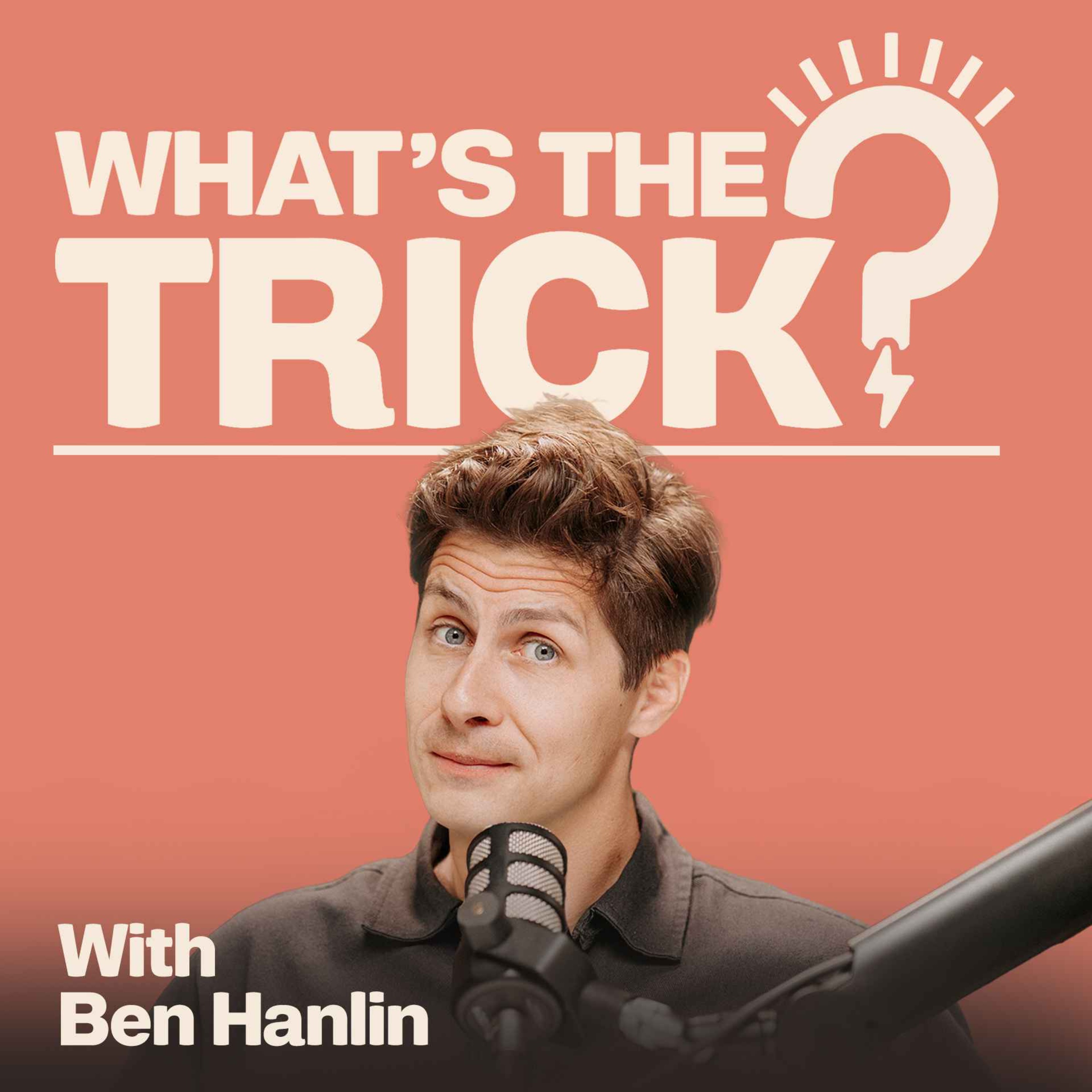

Host: Ben Hanlin
The podcast explores the creative processes of various artists, examining their journeys and the hard work behind their successes.
The journey of James and George, creators of the Pulp Kitchen Podcast, illustrating how their passion for films turned into a sustainable creative business.
Written by AI. May contain mistakes.
Exploring how James and George transitioned from university into their current podcasting career.
“They talk about essentially anything and everything film.”
The hosts discuss the challenges and strategies behind starting their podcast.
James and George reflect on key milestones that shifted their podcast from a hobby to a business.
“We were kind of half-arsing at the moment, but it was like, you make a long-form podcast.”
The duo shares insights into interviewing high-profile talent and engaging audiences.
Discussion on the complexities of conducting celebrity junket interviews and the evolving media landscape.
Learn how to engage effectively with interview subjects to elicit great responses.
Discover the balance between friendship and business in podcast collaboration.
“I had 10 minutes with them, which is a good amount of time.”
Understand the strategies for building a successful podcast from the ground up.
Gain insights into the challenges and changes in the film industry today.
Explores the current challenges facing cinemas and how filmmakers are adapting.
“So I think the response of being in these success stories, if I'm to think very positively about it, is that filmmakers have really doubled down on the large format IMAX experience.”
Discusses the decline of mid-budget films and the impact on the film industry.
Analyzes the differences between watching films in theaters versus at home.
Highlights the Oscars and recommends standout films for audiences to watch.
Discusses underrated films that deserve more attention from viewers.
“We like to talk to other people as well.”
Explores the creative challenges filmmakers face and how they adapt.
Engages in a discussion about notable acting performances and the essence of acting.
Explore how creative pivots in filmmaking lead to memorable moments.
A discussion on standout performances from actors like Jesse Buckley and Daniel Day-Lewis.
Delve into memorable film scenes and the impact of actors like Tom Hanks.
“Yeah, he's, for a moment, I haven't seen this for decades.”
Discussion on the evolution and impact of film franchises like Star Wars and the MCU.
“I've told you they're impossible questions.”
Answering hypothetical questions about skills, time capsules, and favorite films.
Recommendations for books and shows, including 'Oscar Wars' and 'Ripley'.
“Yeah, I mean, this isn't like Project Hail Mary or anything.”
A creative segment imagining what elements of cinema should disappear.
“I've said this so many times because it can't be said enough.”
Learn why maintaining consistency is crucial for podcast success over perfection.
Explore the personal takeaways from the conversation with James and George.

Get the gist, explore an idea or ask about something said.
 Claude
On What's The Trick?, what are the key points of this episode?
Searching your listeningAutomatic transcript. May contain errors.
0:00Easily for six months we were doing it with no one listening or maybe like literally less than 10 people. you can get value out of it if you just change your strategy. There's no one single day when I think you go, oh, now it's a business, which is a really horrible way to talk about something really fun and creative.
0:19Welcome back to What's the Trick? I am your host, Ben Hanlon, and this is the podcast where I sit down with the world's most creative people and try and understand their creative process. And today's guests are the Pulp Kitchen podcast. I feel like I'm doing him a disservice by saying just a podcast because they are way more than that. So if you don't know the Pulp Kitchen, they are one of the UK's biggest social channels for all things film. They review films. They talk about films. They talk about essentially anything and everything film. And it's two best friends, James and George. They met together at university and they bonded over their love of film.
0:57And over the last few years, they built this platform. And it is a podcast, but also their socials. You've probably seen their videos as well. And now they make a living from all of this. And also they get to go and interview some of Hollywood's biggest film stars. So I've been following their socials for years and I just really want to talk to them because I love their passion. And I want to chat to them to figure out how do two friends essentially get to talk to each other all day about the thing they love. It feels like they've absolutely nailed living the dream there. So I want to know how that happens.
1:31How do you actually do that? and what is the trick to that and in this chat it's very much a chat of two halves it's very similar to the owen cuts episode actually because i wanted to find out about their journey and how they've done what they've done which we do and then on the second half of the chat we get really geeky about film these guys i mean this in the loveliest of terms and i respect their faces are proper film geeks they live it they breathe it so i wanted to unpick some of the stories behind films that maybe we don't know the behind the scenes of how things have been made and also any of the other trivia and throughout this as well they also drop a load of great recommendations of things to watch so get your notepads ready to jot some of those down enjoy this episode honestly for any of you that are into film you're going to love this and also hear about their passion their journey so this is what's the trick with the pulp kitchen podcast
2:27you went to university leave university you both get jobs how did you kind of go from then to where we are today where this is your job so i left university and ended up working in production i worked in television for a bit and um i left television went to go work in commercial branded content was doing that from 2017 into like covid times loved it still do it to this day do like commercial brand of content had like the covid freelancer panic of like you know you are aware of how um basically like vulnerable you are to external things like people wanting to give you work this shutdown that sort of stopped everyone working for a really long time we and georgia had like had this idea of doing a film podcast years ago and i remember just thinking like i've got all this camera equipment i know how to make online video i know how to edit video this is such a huge barrier to entry for so many people who want to create content it's expensive it's time consuming it requires a sense of knowledge and i thought the only thing i think i could talk about every week forever was films yeah and i remember just like speaking to george and having such a fun time like genuinely laughing every single day talking about films george is like you know amazingly knowledgeable on films he has a ridiculous memory when it comes to dates and who was in what and what film came out when he's freakishly encyclopedic but he's an amazing podcast part pause there you're doing tv what are you doing at this time i took it sort of like a sort of I left university and I got so I studied film at uni yeah and then I got a job in film PR for a little bit which I actually didn't enjoy that much and then I wanted to get out of that quite quickly so I ended up just getting because I was still a young graduate got a PR job in architecture which I worked at for three years and then I went in house at an architecture firm which I worked at again for the other three years doing mediary things like videos and photography and everything but all the while thinking I do have a film degree I should probably use this yeah it's something and then at what point do you go let's do this i'm guessing on the side right side hustle i sent george a voice note being like listen like this is the situation i'm in we'd like obviously like stay in touch like we'd see each other a couple of times a year depending and i was like listen this is what i think would be really great we'd love to pick it back up um how are you positioned to do it do you want to do a podcast every single week indefinitely you're quite a big ask yeah i think in my mind i thought we need to do this every week we're not we don't we weren't famous we didn't have a platform you've got to really give this thing a go and it's a marathon not a sprint so it's kind of like you know saying what i wanted to do seeing if george wanted to do it too and then it was like sort of you responded being like yeah like let's chat and from then we just did it i mean it's that kind of definitely post-covid thinking from my perspective of just like why not you know why not it's just really why not and uh and also i suppose that covid it's the perfect time to sit in your house and do extra new projects because We're not distracted with other things.
5:13So you do that and you start making this podcast regularly and the socials, I guess, kick off. At what point does the balance start to shift that it becomes, is it now a full-time job for both of you? What was the turning point there? It's funny, there's no one single day when I think you go, oh, now it's a business, which is a really horrible way to talk about something really fun and creative. But there's definitely a period where it was a side hobby we did with our regular jobs. And I'd say easily for six months, we were doing it with no one listening or maybe like literally less than 10 people.
5:47And we believed in this thing. We were kind of half-arsing at the moment, but it was like, you make a long-form podcast. You put clips on social media that will get more views than the podcast will. Hopefully more people see those clips. you convert 1 % of those people that saw those clips into listeners. And I always think there's one moment where I think it really switched, which was we uploaded a clip of George doing a really good Louis Theroux impression on TikTok. Go on, George. Rusty, because I haven't done it probably since that day. And my impression would just be of my impression. Are you okay, George?
6:19It's kind of like, right, okay. So, Ben, but how does that make you feel, Ben? You know, it's just kind of like that. It's a little breathy, but we did that. You're right. It was just like cracking the door open just a smidge, enough for like a certain group of people just to discover the podcast. And then that gets the momentum going on the snowball. Are there like trigger points where if you have so many listeners or you then start getting some brand deals and it got to a point where, because obviously this pod has to essentially cover two wages as well. We don't have to go into detail of money, but is there a trigger point where you were like, when we got to this level and this much, was it a year in?
6:54or i think so we had in the first two years of doing it we had some like these milestones that was like obviously a content milestone and then the next milestone is like being invited to the first premiere that we got to go to which is like the first time that something we put online that's digital that's kind of ephemeral had real life tangible return you could totally be like oh i'm here because of this thing that i do online it's gjo being like yeah like you're important in the influence so important about commerce and it would be good for you to come to this to cover it we're like oh really yes okay yeah we'll go and then i think in 2023 so this is now in the intellect sort of second third year we started to get interest from brands to do just a few things here and there weren't represented at that point and then the growth was really great on socials like really great exponential growth and um i if from my perspective i was in a full-time job as well who i was very grateful to who knew about the podcast and were very supportive and would occasionally let me know if i need to come in late or go home early that kind of thing really supportive they were really great and um i guess you could say it came out to bite them because i left i i decided to i decided i thought you know i i was kind of done in my job i was very happy there was a great job but i was kind of completed it and then i thought let's throw at the moment we're giving this 20 of our week yeah give it full week um what could happen and um and then it's it's been again to add to that snowball analogy since then and then we get representation and then more brands and interesting i had uh scott bennett on the podcast and he talked about the same thing he was working a full-time product designer and then going all up and down the country as a comedian till he got such good offers that he knew his schedule that he could quit his job and comfortably comfortably do that is there a particular thing you had to have in place was it views is it is it video views or is it different for everyone i think it's tough to say well if you reach this amount and you earn this much you'll you'll be fine because everyone's in a different position i think it's more about i think anyone who does social media will tell this is that there can be quite an eye-opening moment when you go oh I gave up 40 hours a week with a job to earn so much but someone just paid me something an amount of money for one video which took me two hours to do which was maybe half of what I used to earn in a month yeah and even though necessarily you haven't matched your salary yet it makes you think and you go hmm if I really double down on this social media thing whether it's podcasting whether it's YouTube or anything if i could get two of those a month or three of those now what's the conversation and could i match or exceed what i was doing and still have either either you go i can have all my time back or you can go i can put more time into this and do you have a bit of a master plan because obviously yeah oh oh hello yeah you basically because you know there's obviously there's two of you and you you're all doing this and you're building this community and then do you think ahead of okay today in 2026 we're doing podcast and a tiny bit of live but do you have a plan of what could this look like in three four five years are you gonna yeah where can it go i think i speak for both of us and say that we we love what we're doing now and like we would just be love to be able to do it and execute it you know maybe at a bigger scale where possible so you know um whether it's the kind of the space that we film it in or the the you know the size of the venues that we're able to do live events for would be amazing um you know it'd be great to get into a position where let's say we really grew and then you have at the moment i don't know if we've mentioned this on this bit yeah because we've been talking off there but we we've produced ourselves we're an independent produced podcast but if you have a team behind you who can bring in more regular guests for example more talent you know that's that's uh it's again it's it's already what we're doing now but at a bigger scale i think so yeah so i guess the dream would be like in a few years time that every you know you've got these amazing guests that the people you'd love to chat to anyway yeah that was the amazing thing about 2024 is we we kind of started to get uh access to talent in the junket sphere which is if you don't know it's like the horses and houncing from not a hill you get if you're lucky like five to ten minutes with talent it's a revolving carousel of journalists and so yeah we're lucky to been invited to do some of those and just recently now like we had edgar wright for a whole hour they gave us a room in that hotel which was labeled like um uh t like tv slot which some like good morning britain like uh this morning we had but we had it to ourselves like we have yeah and then like we got to have we get to now put those clips in our episodes so for example when we did 28 years later bone temple it was like that episode with an interview with jack o 'connell who is in it and it all flows through and i'm like that's such a great win for us to be able to have that properly created a yeah a location for people to go to who are into film in the uk genuinely providing value and insights like i listen to this podcast hopefully with people who i want to hear their opinion it's like oh and it's got an interview with the star about working on it it's just like we just adds more value to that episode which is so exciting for us well let's talk about those interviews and junkets because i really want to ask you this question so you get to sit down as you say they're on a conveyor belt they're the biggest stars in the world so they're already quite interesting characters anyway yeah how do you in your mindset you think you know i'm going into interview whoever it is today how do you go in there and get them engaging with you good question it is the question and it it really depends on who the talent is what they're promoting and how long you have them for because you could have an amazing a-lister but you've only got four minutes with them whereas if you have uh you could also have two a-listers but you've got 15 minutes with them and that's completely different and i think one of the benefits the fact that we have this kind of long form short form approach to our content is that for example um uh the film anora came out this was before it won the best picture last year and we had 15 minutes with the director and the star which is amazing so that james and i were straight to where that's a conversation that's not like a kind of quick fire situation we use that time there on the flip side like two months later um i had to speak to kieran colkin and jesse eisenberg for their movie but i got four minutes i was given you can't have a conversation about that and their film was about something you know quite serious it's actually on a sort of like legacy of the holocaust and things like that so we that as using that as an example going into that interview i was like i can't have a conversation here i'm gonna have to just sort of go for kind of not uh sort of sensationist questions but you kind of want things that provoke reactions so i went in with like one serious and one fun so we did the serious one which kind of pays lip service to respect to the film yeah and then the second one was just like tell me about your travel hacks but then you know they went off and they did a great clip and actually blew up and did really well so you were really worried about it i really was exactly yeah that's the thing i came out of that junk and i was like because i wanted to have an hour with them to talk about the movie or at least 15 minutes but um but i learned that just even though you can get a small amount of time you can get value out of it if you just change your strategy they can be they can be tough because i i kind of really like more i've done junkheads the more i'm trying to really understand exactly what it is and it's a legacy format from print media which is when journalists who were writing about films for articles would sit in a hotel that was comfortable and cozy and just you know you'd have 10 15 minutes maybe more to just ask julie roberts or whoever it is a few questions that would form the article for the times empire whoever all of a sudden social media happened video happened and they've kind of like shoehorned viral video whether it's now for youtube or now tiktok and social media into this format and i think people have very mixed feelings about you've got legacy media there you've got journalists and now you've got this rung of content creators and influencers and they've got very different objectives within the same format i think it's still very much like people are still trying to set in stone like who should be doing that and whether or not it works to have a serious journalist and then right next to it you have somebody just looking for a clip yeah i think there is a nice balance where like you can you can find a way to do both where you get a really good 10 minute interview but also within that are two great clips that hopefully lead people to go there but i think yeah you realize this is an old school format that's trying to adapt to something very new and it's still they must be successful because there are so many do you have any kind of in your mind if you're going in there do you have it maybe you haven't thought about it in this detail but any rules of like okay my style is i'm gonna and you've said about one fun relax but is it do you demonstrate early on that you're a fan or do you demonstrate you've got passion because are there any things you do i have to quickly connect with them i think it's always important to show that whether you're going to ask light-hearted questions or have a conversation you've got to be respectful of fact this is their work yeah they've done this it doesn't matter if they're promoting a massive big budget you know silly comedy or something very very serious it's like respect the fact that this is their their job and they're working right now they're sat in this room and yes they're a big paid actor but they are they are bought so yeah i mean one thing i always i always do is i like to go you know after you introduce yourself you say da da da i'm so and so congratulations on the film it just makes you makes them realize that you've seen it and you've acknowledged the fact they've made something here and even if we're going for like uh a question that might sound like it's off topic you always link it to the film you always think it's the film to to remind the fact you have seen it yeah And you're respecting the fact that they're promoting something.
15:39Have you ever been in an interview where you've walked in and you can feel that you're like the 20th of the day and they're glazed out? Yeah, big time. And then if you ever, can you remember when it's worked well, where you've asked them a question, you've seen the lights switch on and you've gone, oh, I've got them, I've got them. Yeah, you can see a moment where someone just gets, I think if you bring energy and fun into a question and they get quite excited or maybe, ideally, you don't want to ask them something, a question they've heard 20 times that day. yeah so something that gets oh yeah i didn't think about that or like that's a funny idea i didn't think about that that's fun and then similarly yeah you can walk into a room where the energy's just just bad i think we both had just like a couple of those yeah um and you and that as there's also sometimes you have to recalibrate your expectation where uh sometimes you'll think you're going to have a serious conversation with someone and actually want a more fun conversation which like which i have with kieran culkin right on the flip side sometimes you go in and you're expecting the person to be fun and jovial because perhaps what they're promoting is fun and jovial but actually they're more serious yeah so you have to adapt to that we're quite lucky well sort of lucky in the sense that like we have no producer breathing down on x telling us what kind of questions we have to ask yeah we're not like editorialized which some of our peers in the industry who work for you know all the major things they get yeah but their their boss told them they need to ask them about this yeah yeah so in some sense they've also ran another story last week yeah yeah you have to ask and you might not be comfortable asking that question or it's a joke you don't think would be good to say or you get in the room that day and all of a sudden like you don't feel it so in one sense it it gives them the structure that maybe they don't have to come up with less but for me and george it's like i might ask him this yeah that's a good idea you should try that so we do a lot together sometimes just by nature schedules we do them separately but like that's all the editorializing we do yeah with each other who's been the best and the worst team has there been ones where you've walked down and gone oh my god i can tell you the best we do the best we'll say the worst on camera i'll tell you the worst yeah that's fine i can tell you the story of the worst but i won't say the name okay let's do let's start with the best then go on okay well the best um again i guess there's many ways of answering that because it's uh they're good for different reasons so i mentioned sean baker and mikey madison that was an amazing interview really enjoyed them they were great because they um we had a deep we were able to have a proper we were able to have a proper conversation a film we loved as well which was great to speak to them but equally um uh i interviewed like chris pratt the other week and I was late and I had to run there and it was through the snow and I was very, very stressed but he was incredibly gentlemanly and kind and patient and we had a good laugh and like you come out of a lot of these junkets feeling great and I will actually say most people we interview I'm talking like 99 % are fine and lovely and nice people aren't they?
18:13Yeah, yeah, yeah. So go on Chris Pratt, lovely that's nice to hit Go on So a really great one which again was just I was so excited and happy to have the conversation was I got Danny Boyle and Alex Garland for 28 years later a writer and director I love and a director I love and I was like I just was like, this is so cool. I had 10 minutes with them, which is a good amount of time. Loved the interview. They were liking the questions and we got to put it in the podcast. And it was like, it's 28 years later with the director and the writer. I was like, that's just, I'm so happy with that opportunity.
18:41And one that was definitely my worst, and I won't say what it was. And I could tell it was bad because other journalists were coming out and being like, yeah, this energy is bad. Well, also as well, you're walking into that. That's not on you, right? You've tried your best and it's not like they were engaged and then you've asked them a question. They're going, oh, see you later. And then another thing I wanted to talk to you about, so obviously you're working together. And again, something that nobody would see behind the scenes is you've got to collaborate. So you've got to run this podcast, this business together.
19:12In general, it sounds like obviously you guys are really good mates. How do you find a way of... When you... We saw that right now. Yeah, you can't see this if you sit next to him. If you're listening. I'll tell you the worst person I've interviewed in. He's right there. If you're listening to this, I am in the middle and they are either side of me. A bit like a boxing fight. You know, round three. So obviously there's clearly a vibe. I've noticed there's a vibe. Anyway, so how do you manage that collaboration? Because obviously naturally you're not going to agree on everything. Do you have a little system of how you deal with that?
19:51Because I find that quite interesting. i think we no sister we just sort of operate really i think we we have different you know styles personalities and ways of working also different sort of backgrounds so obviously james has been a freelancer for a long time now uh and i've i spent a bit longer in the kind of corporate office world so i have certain perhaps i don't know habits uh that maybe differ to james's but neither are working five days five days away i think it's like neither is is correct or incorrect it's like two different working cultures but but really i don't know it kind of melts away when you're in the crucible of actually creating and recording it kind of melts away because also because we are independently produced and we are dependent on each other to to get this thing out it doesn't you know it's like however it gets done we just make it happen yeah i'd say it's interesting to like obviously like we we were friends we are friends but like we were just friends and then all of a sudden again there's no single day when you go this is a business now yeah but there's sort of like you have to have an enormous amount of like respect and consideration for like everything george wants and needs from like running this thing and i think like it's with the intensity that we make content and how many things we do and we speak to each other every day five days a week and often that is recorded and so i've always thought in general like considering what we do we get on really well like we laugh all the time yes no we're never like faking having fun on the show but with that yeah like you know you do sometimes go oh like well let's have a conversation do we agree with doing this and i think we negate that by always talking about the direction of the show so i generally feel like we're really well aligned on like what we want and what we want to do we have like i think fairly regular check-ins of like what do we want to do for the next like six months how do we feel about the next year yeah exactly and i always advise anyone who goes into business with any like business partner but a friend is just like have respect for what what they want to do and like where they're at and just like do your best to serve yourself and that other person yeah but there's no like easy way to make that work it's yeah it's full on i'd always say that about podcasting it was my impression at the time i think remains the same is that if you're lucky enough to already have a huge platform for example like louis through does like semi-regular podcasts and he can do he does 10 episodes at a time he gets amazing guests and he doesn't need to do the long year-long slog because he's he already has a platform but if like us you started we did we had none of us had been doing social media i do think the game is in turning up every week creating that regularity for people to be like oh i want to know what the new film what's going to happen new film i'll tune in every week yeah and i think we're really lucky we we podcast about a really active category which is films and tv shows i'm so relieved that mostly new films come out every week yeah and it's all it's all hugely relatable trendable there's all these things going on it's all been spoken about it makes it easier for us to like go what the hell are we going to talk about this week it's like yeah i'm just i'm obliged to see this film this week and we'll talk about it on the show which is a really like transaction always talk about it but here's a question even though you didn't start that long ago but things are constantly changing if you were to start today from scratch and you were still working an architecture job you were still freelancing you'd phone each other up and go come on let's do it how would you go build this thing again now what would you double down on that you've learned from or what would you avoid that you've learned from just how would you do it differently at all or would you just do exactly the same it's so hard because i guess our knowledge now applies to the scale we're at in a way so if i was to say to james and george we've never made an episode before oh you need to be putting out three episodes a week you need to be putting out one to two socials a day you need to be a job you need to quit your job and all that stuff it would they wouldn't start they wouldn't they wouldn't make a make a make a dent i think in a way i would say to them probably what we said to ourselves at the time which is like be consistent and don't you know put minimum one episode out of a podcast and put just try and put something on social media at least every day okay and i just start with that and keep keep both of those channels active and soon enough you'll discover your audience and then respond to that and shape your content around that yeah consistency has always been been the play hello this is ben it's a short commercial break but for regular listeners you'll know it's not a commercial break because i've got no sponsors so it's me just having a quick chat with you for a minute before we dive back in so first of all this is the pulp kitchen they're just a lovely couple of guys aren't they that are following their passion so if you want to support them by the way you can go to you follow them the pulp kitchen on social media their videos are great as well so go and give them a follow and also go and listen to the podcast the pulp kitchen podcast wherever you get your podcasts from uh so we can support and see their journey grow and also i suppose as it is my podcast and it is my advert i might as well tell you you might be thinking what is ben doing other than interviewing people all the time i'll give you a tell you um i'm basically at the moment doing a lot of corporate events i do over the last week or so i've hosted an awards i've performed uh after dinner entertainment for a very large bank in London and often as well I'll do a keynote and the keynote is something really special I talk about human connection and communication because as a performer and doing this that's what I have to do so if that's of interest and you want to find out a little bit more all of that is on benhanlin.com that's benhanlin.com and you can see the kind of things that you I do for money there you go there's no nice way of putting that was that right and then And also, let's talk about the pod.
25:15The last few weeks is blown up a little bit. The Owen Cutts episode, we put a clip up on social media about Vivaldi. And somehow we tapped into classical music algorithm and we had loads of new people listen. So if you're one of these people, this is the first time you're listening to any of these episodes. Thank you. Welcome. Please spread the word. Hit like, hit subscribe. We release an episode every week. So if you do hit subscribe, you'll obviously never miss the next episode. and we have got I'll be honest with you some really good ones coming up which I'd love to tell you about but I can't um and then also as well over the last few weeks we had Owen Cutts he was all about music and we had Amelia Sordell last week which was all about personal brands so a totally different take on creativity there that's really well worth a listen I thought it was really interesting chat um but one last plea as I always do is obviously hit subscribe that really helps if you've got can give it a review that helps but if you see any of my social videos pop up and you want to just hit share on your stories that really helps as well and my main thing i say this every week and if you can just do this one thing this will become the biggest podcast in the world move over joe rogan if everybody just shares this with one person on whatsapp and says hey i've been listening to this thing i think you might like this conversation so if you know anyone who's a film buff who loves their film just bring out your phone now ping them this episode and see if we can get them on board as well that'd be incredible and also every week I do say dm me because I respond to every single dm that you guys send me and I will send you one back so if there's anything about this episode you're liking just drop me a message let's have a chat about it it's nice to know that you lot are actually listening and we can get a chat going as well so that's enough from god I'm a bit needy aren't I right that's enough from me rambling let's get back in to what's the trick with the pulp kitchen let's change subject let's go talk about the film industry great so lovely uh hopefully this isn't a negative start but for those that maybe aren't as tuned in where is the film industry at in general because and if you want to be specific more about cinema because i grew up going to cinema what's gonna happen where are we at james go ahead i mean like interesting if you're gonna talk about 2025 2026 now um it kind of comes with this like post-covid strikes baggage context i'd say whereas like the last five six years have had these cataclysmic disruptions and influences and just recently the whole netflix warner brothers thing is changing the landscape of cinema so and so how is that netflix warner brothers thing going to change for those that aren't up to date with that well it's it's uh so the deal hasn't gone through but it's it could go through and if it does it might not take effect for like a year or so but for those who don't know netflix is going to buy warner brothers which would mean that they would own a lot of ips but the the worry that a lot of people have is to do with like release windows for basically for cinemas as a as a physical space so although ted saran also think has come out and said he wants minimum 45 day release windows there's rumors that they might want 17 and obviously what that does if you have a film that comes out on uh one week and then it's going to be on netflix within two weeks death and your audience yeah your audience is going to go why am i going to pay you know 20 25 dollars to do that and the challenge we've i think we've seen in the last four or five years is that how do you entice people to go to the cinema when at home they have access to every TV show and every film ever made on a probably quite a good TV that they didn't have to spend loads of money on, what is it that you do to get them to go into the cinema?
28:45So I think the response of being in these success stories, if I'm to think very positively about it, is that filmmakers have really doubled down on the large format IMAX experience. Show them something they literally can't get in their own home. So it's more screen, we go see it. We go big. It's like, oh, if you didn't see it on the bigger screen, you didn't really see it. or like oh is that movie the star was the moment with the crowd the fan moment comic book films christopher nolan denise vulnub all of those really big format films they've doubled down on and that's great for really big filmmakers and studios who can put two three hundred million dollars into a film that's there you've also had this great success story with low budget horror movies where somebody goes studio says that we can take a risk and fund this horror movie for 20 million but if it makes money the profits are so much bigger for what we put into it but what's happened is that the mid-budget mid-tier film has disappeared and they studios aren't willing to take a sort of average risk for an average reward so that's why you just don't see rom-coms comedies full stop sort of like the so i mean we do have great sort of like art house great sort of love story indie films that make it to the oscars there's things that do break through but so many of these are just basically not being commissioned right now you'd say in hollywood it's it's action comic book and horror and that's all that's being made and that's like the sentiment coming out of la so it's become very risk averse very specialized and very specific and the flip side i'm watching tv series that are good tv okay okay tv series but i don't need to watch eight hours of that narrative they could have given me a 90 minute two hour film yeah and it would have been brilliant yeah but it feels like tv has also taken the stories that film would have had they've taken a mid-budget category yeah there are definitely tv series that 30 years ago in the 90s would have been you know uh probably like the eighth highest earning film of the year would have been cost 50 50 million dollars to make and you know we've starred i don't know like christian slater and it would have been like it would have been a decent business proposal but like especially thrillers and things like that where it was there was a like look at seven right yeah if seven was made today that would be a 10 part yeah series and it would be crap you've paid to give it me in two hours with brad pitt and that's like a problem with like a tv we love tv there's obviously amazing tv shows but um the tv experience inherently is less protected and sacred sacred than the cinema experience yeah taking yourself away from your home going into the dark box hopefully having your phone off hopefully everyone being quiet and just losing yourself and relinquishing yourself to this catered experience which again it should be good because if the cinema is not being good then you're losing the point versus tv and like we've all had amazing moments where you've been totally locked and sucked into a tv show but you know i don't even have kids and i don't even like i'm not i wouldn't say i'm that busy but my phone is buzzing all the time somebody walks in we got to do this it's not like a truly immersive space and so i think like the more that we take people away from that the more this this tv box just becomes like an ever ending role of content which you know maybe maybe we don't have to make it that engaging because if people can't watch it whilst they're also being distracted maybe we don't make it at all well did you hear what matt damon said that they're doing with scripts yeah yeah because that because the second screen yeah so for those that didn't hear it matt damon a month or two ago said they're now asking people when they're writing scripts for films to reiterate the point of the plot two three four times because they know that the person at home on netflix is also looking at their phone so now we're having to essentially solve that problem by yeah just dumbing down fundamentally changing the way yeah the stories are being told and the type of work that's created well let's quickly talk about the oscars so i do this thing every year where i see i i don't really keep up with what's going on too much because i've got two young kids again so so it's kind of fallen out my priorities but i see the list of the oscars and i go every year i go i'm gonna watch every one of them obviously that's what you gotta do and i watch probably none of them so i tell you what and i bet you the people listening are going yeah i'm probably in the same boat so let's make it really easy for people if there's one film on the oscar list at the moment that they only watch that one thing right now this year oh now we've got you going so we we we we've currently thinking as of today it's early february that we think sinners is probably going to win best picture because of the momentum the number of nominations we've kind of found like it's a people's vote yeah so i could come out the very very popular not one of those oscar films that's made to win an oscar essentially yeah it was it was really just sort of made it's it's that was a mid-budget success story as well i think it was made for 90 million um and ryan coogler who's the director only got really permission to make it because of the huge success he'd had with black panther and those marwar films obviously that had a connection with um michael b jordan and yeah brought that all through so it's really nice to see that have done well in terms of being part of the conversation i'd say maybe you want to see sinners and it's being re-released in cinema and that one maybe if it does win best pitch you can go that's the film i think i know it's proven to be very popular with such a massive audience that you're like likelihood is you'll get something out of it uh so it's the kind of thing that almost anyone can watch and and enjoy it essentially yeah i think it's proven that yeah right that's it done simple answer and whilst we're talking about films to go and see i want to ask you a question actually about the most underrated films the films that are out there that we could all watch on prime on netflix or wherever or buy them but very few people i'll even start for me it's the fundamentals of caring which stars paul rudd very few people have seen it it's on netflix it's brilliant and i love that right so first of all do you obviously i'm guessing you guys have seen it uh no no actually i didn't even watch film i know exactly what you're talking about and craig roberts one of those where it's brilliant but no one's heard about so go on what is out there that if we if i was just tell if i was to call you and go i'm on netflix what do i watch so there's generally so many and we love we love doing this.
34:26It's our favourite. We like to talk to other people as well. Really? An underrated film that James and I love, which is on Prime, which people kind of overlooked, is 13 Lives. Love it. It's on my list. It's so good. Which is about the Thai boys who are stuck in the cave with the flooding. Documentary. There is a documentary. This is the film. It's really really, I've seen it three times now. So I saw it once, loved it, watched it again because I really thought I loved it, showed my partner it, and she also loved it. It's got Viggo Monson, Joel Edgerton, who else is in it now? Colin Farrell Colin Farrell and all these actors disappear it's very very normal and realistic and it's just a wonderfully detailed and heartwarming story a genuinely incredible story and so so good at demonstrating exactly what the anatomy of this cave is how difficult and how dangerous the situation was the rallying together of the people to get it done and I think it's absolutely brilliant and a real gem and do you know what, that great cast never heard of it because that's what i want it's on prime watch it on a tv like it's really good and if there's something really um like matter of fact about it which i find really really good it never sort of like valorizes and makes heroes out of these ordinary people but by not doing that you go these people are amazing which i think is really really good great go on then what else we got i think once it like came out what since we've been doing the show which i think is a really misunderstood and mis-marketed film was the last duel and the reason i mention it is because it's got an incredible cast it's got matt damon and ben affleck in it jodie coma and adam driver and the concept is quite weird and i think because it was mismarketed i think it maybe got wrongly criticized for trying to tackle something and it's a it's a medieval it's a medieval uh multiple perspective drama about an allegation of sexual assault between two knights who have to now duel to decide who was correct in their in their allegation and it's really really interesting it was marketed as like it's bad like a mac damon it's like the swords with knights and it's not really an action movie it's a really sort of like unnerving study of consent and he should he said she said that's kind of weird when i say it out loud and i think maybe the sentiment at the time was like you've shoehorned this very modern pressing issue about consent and you know somebody saying one thing but believing another and you put it into a medieval night setting but i think it's a ridley scott film it's i found it really interesting when i went to go and see i was talking about it for a few days afterwards because it really stuck with me great performances great actors give it give it a go yeah okay let's talk about if we can creativity in films so we talked about obviously your origin story what are the cool stories behind some of the films that we know a cool recent one that came out when gladiator 2 was coming out people obviously like revisiting the first one and talking about how that got made which was a i think like almost a universally loved film it was like every dad's dvd yeah like everyone watched it on dvd first dvd everyone had the dvd uh and it was a great film and i think so many people like revisited it and re-watched it and it was just known to be great what came out i think when russell crowe was doing interviews about it and he would just say like for the majority of the filming of that film they didn't have script they literally like they said the script was rubbish they didn't have it and ross crowe said there were multiple days where they had 500 extras dressed up in armor and swords and sandals ready to go and he would be sitting kneeling with ridley scott rewriting the script that day and that was happening multiple times of a film which like isn't sort of the most complex script but it's not but you wouldn't say it's been badly written you would say like yes it's a really beautiful redeeming story of a gladiator who's made a slave and rises up to become and it just makes you think like it looks so slick and looks so polished and what a great end result but they were struggling making it up going i don't want to say this that's a bunch of shit let's rewrite it let's do it now obviously i'm sure you've had loads of people say about how when they made jaws the shark was broken and they there was the ended up being the best problem they could have because it made it scarier because they couldn't show the shark as often it was like spielberg's miracle even though the worst shoot he'd ever done he gave him like ptsd but actually it was the best thing that could have happened to him yes yeah which is well well you're my first you're saying i have other people this is the first film when we've done guys oh well i feel like well if you talk about creativity i feel like in that it's like that's now become a kind of stock uh lesson for people with all kind of creativity about spielberg making jaws did he copy that for jurassic park or something like that because with the tyrannosaurus and not seeing that i think that's that uh i don't know if he copied it but like that's definitely like applying uh there's kind of like a law of showing monsters from like b movies where like you're going to show a foot first then you show a claw and eventually show the reveal um but maybe maybe he's plagiarized himself with that but but with jaws yeah he you know for those who don't know it was like he was 26 and he was shooting on the open ocean which they told him not to do it never been done and he soon found out why because you it's hard to steady the boat they they they'd you know they get um boats in the sight line you couldn't it's not like now you could easily just sort of digitally get rid of those and the shark they designed the mechanical shark had been made in fresh water but as soon as they put it in the salt water it just sort of packed up um and he was any of the studio breathing down his neck it went they went like i think something like 55 days over uh over schedule which is crazy but um the brilliance was is that because they couldn't use the shark as often the shark remained a mystery in the film and then they could only use little flashes of it here and there and anyone who's seen jaws will know that's just the true true genius of it always with like limitations and restrictions when like really great creativity and resourcefulness comes out and they say in horror and it kind of works in anything imagine like your brain can imagine and things way worse than what you can actually show them right so just let let your brain fill in the gaps this is um necessity is the mother of invention it's that kind of um idea or there's a line in um sunset boulevard where he's a screenwriter and someone says to him don't worry like some of the best works of uh literature have been written on an empty stomach so it's that kind of thing about limitations can derive the best thing yeah another one i really like which you well now i see it you don't unsee it there's a spill again during uh raiders of the lost ark filming specifically when they were in tunisia there's a famous scene when indiana jones is squared up to a guy with a whip and um instead of going into this like really it was meant to be a choreographed whip fight between the two and instead indy just gets out a gun shoots him and gets on with his day which is the funniest moment of the film which is so funny because you think you're about to have this really cool combat fight and the reason that they cut that is that the entire crew got wiped out with severely bad food poisoning from like dysentery really and it was like an absolute write-off of like crew harrison ford all the actors everyone literally running to portaloos in chinesia which i can't imagine were very good like evacuating their bats like truly like horrifying john reese davies apparently was so sick he lost like three stone during the filming and it was like really bad because he looked really different spielberg only managed to save himself by having by eating cans of spaghettios that he had shipped to set and that's why he was he managed to like not be sick and uh you now can see that the reason they cut this fight scene is because nobody had the heart or the stomach literally to make it happen and now when you watch that shot and you see harrison ford like sweating in the sun just exhausted he's pulled this gun you know that he's really really suffering and there's this wonderful nugget of like you go god there's more people just trying to get through the day but it turned out to be one of the great great like personality check for who Indiana Jones was and being a little bit like casual and swashbuckling and last minute and you know what it's exactly that like they had to pivot on the spot and made I mean if they'd have just made a whip scene or a fight scene would we be talking about it now would we have remembered it 30, 40 years on but like that they just forced them to come up with something to the point got yeah did the job that's great makes sense like he's got a gun yeah go done so I tell you what let's move on I'm going to ask you some impossible questions oh god they're impossible because you can't really answer there's no right answer but you're gonna say i can't answer that but go on then i'm gonna ask you anyway uh greatest acting performance ever well this is this is why timely you asked this actually this is a very hard question but i'm just gonna refer to quick something we talked about on the show so uh if you have you seen hamlet hamlet hamlet the the oh this is one of the oscar this is one of the oscar movies that's out at the moment okay so hamlet which is out at the moment which is uh a film with jesse buckley and paul mescron say it's a fictionalized account of shakespeare and his wife and uh their family and they suffer a loss and it's kind of how they recover from that uh it's based off this best-selling best-selling novel but anyway um jesse buckley in that in that film which came out a few weeks ago in my opinion delivers a generational performance and i do think it's one of the best i've ever seen and i don't know i'm not used to doing hyperbole i don't like to do it and i said to james like this happens every award season people like to overhype things to get disappointed but this is genuinely the real deal and it's funny you ask that question about one of the best performances of all time I go well now it's Jesse Buckley doing that and also up there with like Daniel Day-Lewis in There Will Be Blood or Phantom Thread actually is also amazing or Jenna Rowland in A Woman Under the Influence No Country for Old Men that is so nice I have it by them but he's amazing in that as well but yeah so just to keep it topical I would just throw Jesse Buckley straight on the top of the pile wow Hamlet's worth seeing it's really really good yours be James yeah i mean i've written daniel day lewis in anything but phantom threat in particular is what i like because it's like maybe a little bit less seen but it's so particular and silly and funny and serious it's really really fun silly film um i think when i think about who are like the very best actors working today i think about someone like leonardo dicaprio which is again tricky because he's great in so many different films and if i think about one performance i'm like well he won the oscar for the revenant but he's so good in wolf of wall street and he's brilliant in this but if i pick one i think his performance in catch me if you can i think is a similar generational performance where he sets sort of like the precedent for this like young action you see someone like timothy chalamet really trying to sort of yeah toe down that same path but i re-watched that film and i'm in this habit of re-watching spielberg films and going no no that's the best spielberg film but i think him in catch me if you can in particular is when you go that's why that's why he's the very best right probably his best you know what He's great in Basketball Diaries.
44:46I've seen it. I know of it. Yeah, he's, for a moment, I haven't seen this for decades. He's very young, and I think he becomes a drug addict, heroin addict. And it's not pleasant, but his performance is unbelievable. I also always go for Tom Hanks in Captain Phillips, specifically the M-Dix. I'm seeing that. Which, if you know, you know, it's like so heartbreaking. And that scene is so effective because you really stop feeling like you're watching a film. you really feel like you're watching a real scene of someone who's been through a trauma being received by medical professionals after such an ordeal and just watching the sort of the ordinary matter of facts of it and tom hanks just being the absolute best and seeing him slowly be in shock it's just so brilliant like that is the probably one of the best tom hanks scenes ever and it's possible to not get emotional when you see that when you see that moment and just go that's a brilliant film that's a brilliant actor that captive is that yeah i know exactly the scene you're thinking about it because it sticks with you, right?
45:44That's the scene I remember for the film. And Tom Hanks, if I had to, I'm not going to ask you who do you think the greatest thing, but for me, body of work, the Tom Hanks collection for me, he's just brilliant. You should get him on the pod. Do you know what? He's actually coming in next. We're overrunning, Tom. Just stay out there. He's in hair and makeup. He's gone for a run. Right. Again, best director of all time. Of all time. I know. I've told you they're impossible questions. Spielberg done. Spielberg I guess I thought one of you was maybe going to say Tarantino No I was thinking about maybe Scorsese but I think the reason Spielberg often pips it is that it's kind of more accessible and more broadly universal his films whereas Scorsese's films are meaner darker nastier incredibly talented incredibly just I love hearing talk about cinema but Spielberg is the kind of definition of a Hollywood movie and what movies can do for a lot of people when they think of cinema they think of Spielberg and the final one of these impossible questions is it's not as hard probably as is best film franchise they all run themselves into the ground in the end don't they yeah i'm not yeah i'm just not a i'm not a huge franchising person which is something i realized recently when we were actually but just going for pure nostalgia child appreciation of cinema it's it is and is only star wars well i i'd say i i agree with you in terms of like where the core of the heart is yeah but the fact that it does so much damage to itself yeah i think almost like the gates so if i'm looking for a really clean franchise that is sort of the least affected by trying to rinse all the blood out of the stone i think if you just look at the dark knight trilogy which i understand is dc which has a larger franchise i'm just going to choose three films as its own contained thing it probably is the highest quality outside of the original star wars films and i go that's a pretty good bet but i think despite the mcu being so mixed and varied and the quality ebbs and flows and there's controversies and it's obviously like you know refusing to die you can't you can't not give it its flowers for the moments that i've had in cinema with that film and i think you know you can look at for better or worse this era from you know i know started 2008 but from all the way through the 2010s the dominance that the mcu had in cinema and what it did for nerd culture you have to go that is one of the greatest cinematic achievements ever made right we're going to move on to my final fast five are you ready for the fast five oh god let's do it so there's two of you so we'll have to be even faster oh god uh first question actually is always the same but you'll appreciate this it's the highlander question where i uh in the film highlander as you know probably uh that they can when they kill another immortal they steal their expertise and their skills so you can keep this alive um but if you could steal anyone's skills or expertise on the whole planet who would it be of a whole well it relates to film right no it's just you can steal anyone's skills or expertise i'm gonna steal somebody sadly no longer with us i would steal robin williams's impression to jump between characters and impressions when i watch that guy work or even just like this the times he's done like his inside the actor studio which is like this incredibly chaotic explosion of robin williams and like he is a generational comedic talent and voice and like you are you have this insane ability to embody things move to different characters and even though it's all nonsense i'm like i know exactly what you're doing i know what character you're playing and i think he was like a one-of-a-kind master love robin williams right oh god i don't i thought it would be related to film uh you could do film i'll do what i say is i think and you can do film and then become a filmmaker if you want you know that's it because like i i i'm not too technical as a person i i and i think i'd love to absorb the technical ability or the technical dexterity if you took someone like christopher nolan i just took his technical dexterity and knowledge and experience and way with uh cameras and film technology or any great cinematographer then uh i feel like that kind of fills in a blank that funnily enough i don't have christopher nolan all right robin williams christopher nolan good two good answers right next on time capsule we'll keep this film based they the mythical they are getting rid of every film ever made you get to put one film in a time capsule to keep forever for people in the future what film you keep in so i think you've got to go for something that's kind of like a university loved film like a perfect film and also maybe something that kind of connects the past and the future and the present i'm going to say toy story three because it's about leaving things behind and leaving things the future and sort of the changing the generations and yeah i think that's perfect right go for is humanity destroyed in this scenario i love how you've Crescent is Hawley.
50:19Hawley's a really good shot. Yeah, I mean, this isn't like Project Hail Mary or anything. No, it's like, it's whatever you want it to be. Matrix is a great shot because it has a great explanation for what we assumed civilization and humanity was, but has The Fall of Man and it's a fucking cool action movie. Yeah. I like the idea of something like iRobot, underrated fun film. Yeah, underrated movie. I think could be quite relevant given Elon Musk's plans to have the walking robots with everyone. And not a bad film, it's good fun. You know iRobot, right? yeah he's chasing him on the casting i remember that because he goes rogue doesn't he one of the that's right yeah underappreciated film i'd go for something like that yeah i think like if it's time capsule and it's for something to be saved you want something with like a sense of real humanity in it gosh you've really thought about i thought you're just gonna go my favorite film is happy gilmore done fine the school of rock don't oh school yeah that came out of nowhere yeah fine all right uh next one culture vulture uh it might be a film but we talked a lot about films what is the one book film anything you've experienced lately that you've loved uh i'm reading a book at the moment about uh about the oscars actually it's called oscar wars by a journalist called michael shulman and it is really really interesting but very very readable it's very sort of pacey and a little bit gossipy but it basically is a history of hollywood's told through the lens of the Oscars every year.
51:40And there's an interesting chapter, just pulling one as an example, of the 1990s and how it was basically Spielberg versus Weinstein and all the sort of dark, obviously Weinstein's a dark figure, obviously, but the sort of political machinations within the film industry that he used to achieve the Oscar wins that he eventually got. It's really, really interesting and fun. And yeah, I encourage people to go check that out. That's called again? It's called Oscar Wars by Michael Shulman. Oscar Wars, right. I've said this so many times because it can't be said enough. Ripley on Netflix, I think, is the greatest TV show Netflix has ever done.
52:14It's based off The Talent of Mr. Ripley. I've never watched it. Have you seen The Talent of Mr. Ripley? Yes, and I've read the book. You are going to love this. It's in black and white, which I think would almost be criminal to extract the colour away from that story. But once you realise what they're doing and you realise how good this show is. I started watching it and I was like, this is amazing. why is nobody talking about how amazing this is and i couldn't stop watching it it's addictive it's quite monotonous but in this way that is like meticulously and agonizingly detailed and it just builds layers and layers of mystery and just like tension and stress it's so so good who's the main guy in that andrew scott right yeah top top actor everyone in it is brilliant it's it's all in sort of like four by three in black and white it's shot on film it's i was like blown away that more people aren't talking about it we're both huge fans of the talents of mr ripley and i'll admit i watched it with my arms full of being like oh yeah you're gonna do this again so glad they made it it's one of the best things netflix has made and all people need to watch it and telling you back to the beginning of the problem talking about our audience and emails one of the joys we have is when people will send an email and say oh by the way i hadn't heard of ripley but i've gone and seen it on your recommendation and i really really loved it that's such a great moment for us oh that's good right uh moving on to my magic wand i've bought two wands today you both get a wand each you get to To make one thing from the world of film vanish forever.
53:37It can be anything you want. I'm going to wish that they vanish the sequel to Joker that came out. I've not seen it because I've heard it's so bad. It is really bad. I really hold that the first Joker is a really interesting and unsettling and quite, yeah, it's a disturbing film. When you think about what it does for the perspective of what you're watching, who you're rooting for and what that character eventually goes on to do in a very like it was always telegraph that was going to happen in a shocking way and it was really obvious that they had one idea and it made so much money that they were like we're gonna do a sequel and shoot it in and like with most of these stories about you know franchises and people just running stuff into the ground is that money gets in the way they just sort of slightly ruin these things by touching them too much yeah that you've touched it kind of taints the first one makes that feel less of a novel idea like you actually were more just kind of put something together versus something that's really intentional there's a lot of things i think you wish you could have just left it and had more impact but it's gone it's vanished i want to wish away with the magic wand all bad cinema etiquette it's gone oh people are no longer talking people are no longer on their phones people are no longer rustling something happens now when they walk into the cinema with the magic wand they'll just settle down and they'll just enjoy the film in peace phone ban lockers at cinemas put your phone in the locker right final question of the show uh what is the trick and i suppose we can answer this no look no let's let's bring it back to you guys and pulp kitchen because you've done an incredible thing of doing this and following your passion so somebody was to say what is the trick to either following my passion as film reviewers or as social media podcasters what would you give them one piece of advice just find the fun because if you're going to do it every week it becomes work and you don't want it to become a chore and James and I are people who love watching movies for leisure and it's great that we now get to do it for work but there are times when sometimes watching a film now is work and it's really important that you I've learned this after many years is to try and just like you know what I'm going to watch a movie today and it's not for the show it's not for anything it's just for me and it's like remembering to derive pleasure from the things that you enjoy outside of work give yourself space for that so you can continue need to do your work and also find joy within it do you know what you're so i've said this has happened to me if you said i'm doing things that on the outside are very fun yeah oh my gosh but you forget because you're so in it and you're so wanting it to be right and grow and be amazing you forget to go hold on enjoy the thing yeah there is a danger that we like we ruin our favorite hobby yeah and it's like it's only a couple of times a year we feel like obliged to watch a film but i'm like of all the things i'd have to do for work watching films having to watch maybe a shit film is kind of a pretty good one so and then we do generally we sound like a married couple we laugh every day yeah yeah your cast which is like a really good time that we find no long is when we haven't much it's like we're generally just joking about films on screen and off screen all the time and i think that just makes it easier it doesn't feel like i'm forced to have a conversation about films we really enjoy it so what would yours be i genuinely think consistency trumps quality which i think is an interesting one like yes i think quality does eventually come by being consistent but especially with podcasting it's a marathon not a sprint don't try and make a perfect podcast every week don't let uh good enough i've done that perfect in the way of good enough um you can over analyze and sort of like oh i need to make this so it wasn't perfect it's like there's always next week focus on just like choosing a day you want to upload and sticking to it same with social media and making sure you're consistently doing that um there are many average or even bad creators who are way more successful than you because they are more consistent than you yeah it's if you're lucky you can be consistent and high quality but i think the non-negotiable is to be consistent fantastic guys great answers there's been so much in this episode where i've got to re-listen this and note down all of those recommendations so thank you so much thanks guys pleasure thanks so much thank you so there we go that's james and george from the pulp kitchen uh lovely lovely chat there and i've been thinking about that over the last week or so so what are my takeaways now it's all kind of settled in a couple things i'll be honest with you that Indiana Jones trivia I've broken that out already a few times somebody's mentioned oh we're off on holiday to Tunisia and I'm like oh Tunisia you say any any excuse I've broken that one out uh Ripley they mentioned I uh me and Bryony have started uh watching Ripley we're only about an episode in but the cinematography is unbelievable so far so that's what really surprised me um and do you know main thing I think reflecting on on their journey was turning up week after week doing a podcast when no one's listening which is if you just think about that for a moment in any other job would you turn up for work with no customers no one to talk to for weeks months sometimes years I heard Joe Rogan did exactly the same he was going for three years before anyone really started listening and as somebody who's new on that journey I really needed to hear that and I was like wow that's that's what you have to do and that's why Simon Squibb said to me in episode one which we actually edited out at the end but he challenged me to make a hundred episodes and it's for exactly that reason that if anyone's asking me how's the podcast going I'm going ask me in 50 to 100 episodes let's just keep going and then not even care if anyone's turning up yet so I thought that was really interesting I think that applies to when we start out in anything think forget who's watching just keep going right so that's kind of cool uh what else do i need to say uh as always make sure you hit subscribe so the next episode is out on friday every friday um and if you do want to share this with anyone that loves films go on get that whatsapp out ping him right now and go hey you're gonna love this that would mean a lot drop me a dm as well and i've got some thank yous as well uh my podcast producer bryany uh who's also my wife so uh thank Thank you.
59:33She's produced the podcast. Jack from Creator Social. He's doing a brilliant job and Annika on scheduling as well. So that's it for this week. See you all next week on another episode of What's the Trick?
This episode is about building a podcast - specifically, how two friends built the Pulp Kitchen Podcast, into a sustainable creative business.
Pulp Kitchen began as a simple idea: talk about films every week. No built-in audience. No fame. No production team. Just consistency, shared enthusiasm, and a decision to commit long-term. Over time, that weekly habit turned into a full-time creative career with live shows, brand partnerships, junket interviews, and a growing audience.
This conversation exists for anyone wondering: How does something like that actually happen? Not the highlight reel. Not the viral moment. But the mechanics. The risk. The mindset. The turning points.
If you’ve ever thought about starting something creative, a podcast, a channel, a product, this episode is about what it really takes to make it work.
FOLLOW BEN:
FACEBOOK: https://www.facebook.com/benhanlin
INSTAGRAM: http://instagram.com/benhanlin
TIKTOK: https://www.tiktok.com/@benhanlin
FOLLOW PULP KITCHEN:
YOUTUBE: @pulpkitchenpodcast
TIKTOK: www.tiktok.com/@pulpkitchenpodcast
INSTAGRAM: https://www.instagram.com/pulpkitchenpodcast/
Hosted on Acast. See acast.com/privacy for more information.