Ask ChatGPT

“Summer Special #1” is a non-guest format where host Ben Hanlon revisits three prior episodes via clips, then adds his own “Fast Five.” It covers how creative projects get made, how personal brands are built, and how ideas are pitched and sold.
Written by AI. May contain mistakes.
Ben explains the concept of summer specials focusing on past episodes.
“So let me explain how these episodes are going to work.”
Ben introduces actor and writer Tom Basden and discusses his film journey.
“Now, Tom Basden, he's an actor, a writer, a comedian.”
Tom shares insights about making the film 'The Ballad of Wallace Island'.
“How did you go from a script to getting someone to invest in the money and going, right, that we're going to give you X amount to make this thing?”
Ben introduces Amelia Sordell and her work on personal branding.
“Moving on to our next guest of this episode is Amelia Sordell, which is completely different.”
Amelia discusses overcoming fears of public speaking and building confidence.
Learn about the challenges and fears of public speaking and how to overcome them.
“And number two, I just had to think on my feet.”
Ben shares his recent website revamp and focus on corporate events.
Ben answers his own Fast Five questions, sharing personal insights and recommendations.
“So I've never answered my own Fast Five.”
Matt Edmondson discusses his journey from radio to board game creator and the process of pitching to retailers.
“So I've got half an hour and I created a keynote presentation, which I'm big into.”
Learn how translating ideas into visuals can enhance sales pitches.
Explore how effective pitching can lead to success in creative projects.
“There's something I thought I took from that episode is that he, other than being a creative, is an incredible salesperson.”

Get the gist, explore an idea or ask about something said.
 Claude
On What's The Trick?, what are the key points of this episode?
Searching your listeningAutomatic transcript. May contain errors.
0:02Ben Hanlin: Welcome back to What's The Trick? I am your host Ben Hanlin and this is the podcast where I sit down with the world's most creative people and try and understand their creative process. And this week we're changing it up because normally if you're a regular listener we're joined by a guest. But and if you're a new listener hello you're welcome you can stay and listen to this episode. But let me explain how we're going to mix this up because this is the summer specials. I have decided over the next few weeks to do a series of these summer specials. Why is that? Because I'll be honest with you, I needed a bit of a break from the podcast.
0:37Ben Hanlin: And a lot of podcasts do take a summer break. And I thought about just taking a break completely. But I thought, you know, I think this is going to be more fun. So let me explain how these episodes are going to work. I am each week, I am going to reflect over three previous episodes. So I'm going to tee them up. I'm going to talk about them. We're going to hear from a clip and then we're going to move on. And the reason for that is as well is if you are an OG, if you've been listening from the beginning, you might have forgotten some of these points that these previous guests have said because we've had 30 now, which is amazing.
1:09Ben Hanlin: So you'll get to rehear something you've maybe forgotten. And if you're newish to the pod, it's also a chance for you to hear about a guest that you maybe haven't clicked on. And some of these names, especially I'm deliberately pulling them out because people may not have listened to these particular episodes. And I think they're brilliant as well. So that's kind of the format. We're going to have some fun. And also what else I'm going to tell you about, I'm going to talk about other things along the way as well. So we'll see how this episode goes. So, oh, the other things I need to tell you as well.
1:36Ben Hanlin: Actually, if you aren't enjoying this and you like these episodes and you like these clips and you go back and listen to any of these, you can be DMing me throughout the week so I can hear how you're getting on with this podcast. And we have joined the What's The Trick pod on Instagram. So you can have a look at that as well. I think what you might be able to do is listen to a clip. if you enjoy what you're hearing, you could pause this episode, then you can go and find that episode, play that episode, then come back to this episode. Oh my gosh, the choices are endless. Right, shall we begin with our first clip ever on a summer special?
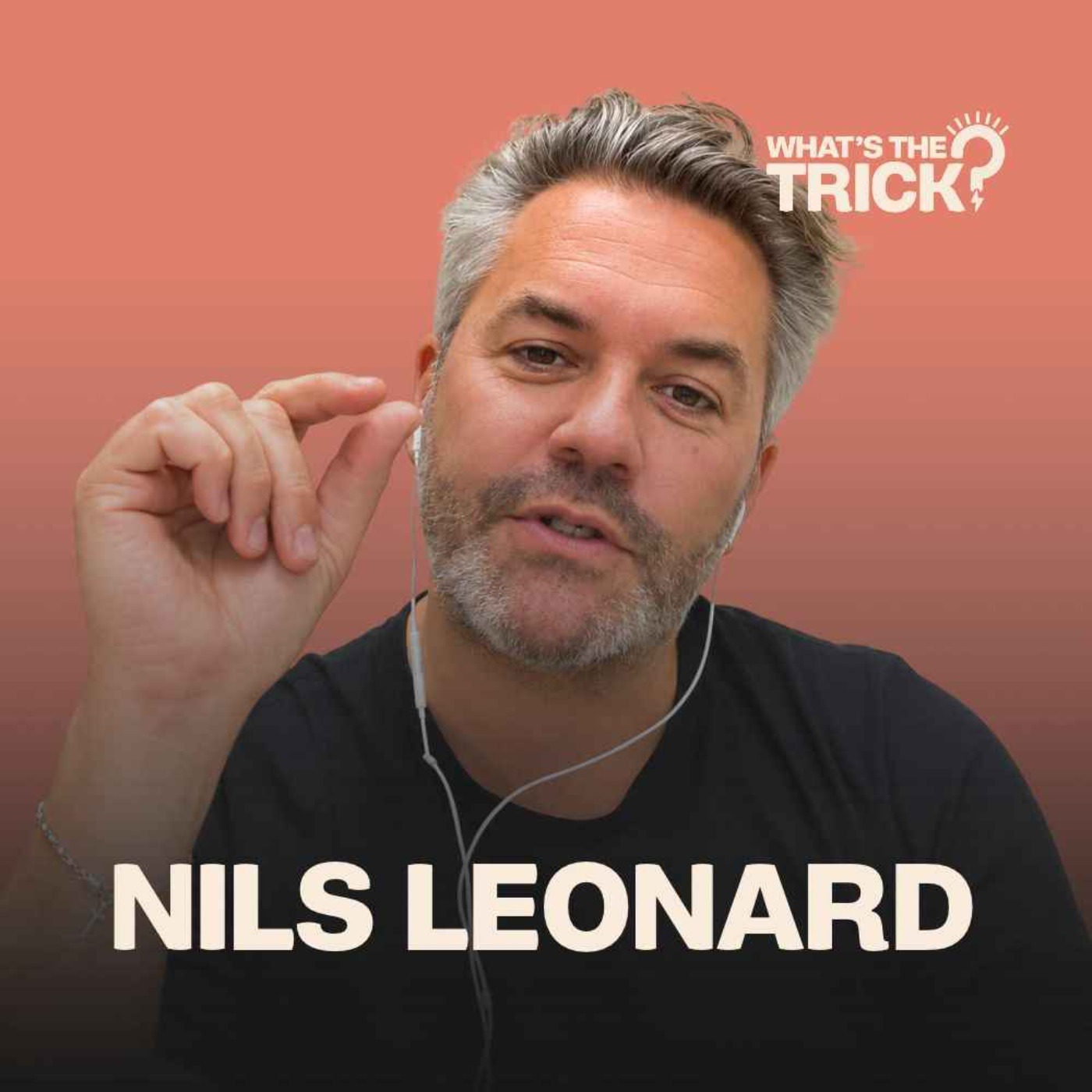
2:09Ben Hanlin: This is Tom Basden. Now, Tom Basden, he's an actor, a writer, a comedian. If you're into British comedy, you'll have definitely seen him. If you don't quite remember the name, you'll know his face. He was in a lot of David Brent's films and material and actually Ricky Trubas material. So he was in Afterlife. He is the brother-in-law in Afterlife. He's in David Brent's Life on the Road. But he's a writer. So he's written ITV2's Plebs. He also writes Here We Go Again to the BBC. But the main reason I wanted to speak to him is because one of my favourite films in the last year or so is The Ballad of Wallace Island, which we'll hear about in a sec.
2:49Ben Hanlin: But Richard Curtis called this one of the best british films ever made and it's made with him tom basden and tim key and they had this idea together and the origin of this was incredible because they created a short video about i think it was 15 or so years ago and it was about 20 odd minutes long and they loved it they loved it so much that every time they went and did another project they kept coming back going that thing we did was great wasn't it should we turn that into a film so then they started to turn that into an independent film they got rejected by everyone then they had to change their approach and they had to find a hollywood star to be attached who they eventually found kerry mulligan so in this episode we hear about that as well so that's kind of the backstory of this and if you are looking for a film to watch this this summer go and watch a ballad of wallace island this isn't going to ruin it for you the context of that because i think it's fairly important is the tim key character lives on an island a remote island and he's won the lottery and he pays for his favourite musician ever to come and do a private gig for him.
3:51Ben Hanlin: And that's how it starts. And the musician played by Tom Basden doesn't really want to be there. He's just doing it for the money. And then more things unfold throughout the film. So anyway, let's have a listen to When I Sat Down with Tom Basden. How did you go from a script to getting someone to invest in the money and going, right, that we're going to give you X amount to make this thing? And then also, by the way, at some point you've got Kerry Mulligan on board, which obviously must really yeah how did all that fall into place well you know that what what happened was we we we sent it to james the director and he loved it wanted to do it um and so he was then giving us a few thoughts and rewriting a bit for him and then we sent it to rupert who just produced brian and charles which is the the david earl film about the guy who builds his own robot which is fantastic low budget british comedy um and he loved it and wanted it to be his next film and then we kind of had a process of taking it around to various funding bodies in the uk and and getting nowhere basically yeah and none of them wanting to do it um or wanting to invest in us um and so it's a bit like that was quite disappointing and then we kind of i think we did sort of tentatively talk to amazon and netflix and they were like it's not big enough budget for us really and but what they did do is they sort of said like why are you trying to attach some cast now and i think you know we were doing other stuff this was probably like 2021 or something you know i was i was pre-making the first series of here we go and stuff so we were all busy we're all doing stuff and it it felt like it was in the process of falling by the wayside of it like the thing about film that i've found that's so tough is that there's just a sense of momentum that goes with it and if you're writing it is gathering momentum then the making of it becomes an inevitability and if it's losing momentum at point then people start to sort of fall fall away yeah they want to be on they want to be on this moving train that's yeah and if the train's slowing down then they go oh i think it's over like it's a funny thing that they're like it does just happen that some scripts are just kind of over and you go well how's we haven't made it so how does that work yeah i remember in tv similar so obviously you know you meant it but i used to pitch tv shows and that you get a producer on or a production company, but they'd be so excited.
6:27Ben Hanlin: This is going to be the best show. It's going to be amazing. You pitch it to one or two channels and they go, right, that's it, move on. And you go, oh, but you loved it last week. And it's because they just, they need to move on to the next thing, haven't they? Yeah, no, I think that's right. And it, you know, it's just, it's just, I guess, the way that people think about stuff, you know, is this, they just don't want to go back. They don't want to like sort of, unless it's like, you know, existing IP, in which case that's all they want to do. But if it's like a new thing that's had its run and it didn't get made and it's like, OK, that needs to be taken down an alley and strangled and left there forever.
7:05So I think we felt like, oh, God, is our film in the process of that happening to it? And then we and then like Carey Mulligan was sort of at the top of our list to play Nell because I've seen her singing things in other films and she's brilliant. And she's just such a good actor anyway. And we also felt like, you know what, she often makes quite low budget, independent stuff. You know, she might like this. Did any of you know her? No, Tim had been emailed by her about three or four years earlier. Right. And she just asked him if he could host a comedy gig, a charity comedy night. And he'd said no.
7:43I imagine he'd said it politely. Yeah. But he said no because he doesn't really emcee. Right. That's fair enough. but he doesn't believe in charity and he doesn't either um and um he so he was like oh i've got her email and we're like have you and also should you have her email and he's like to have yeah so he just he just emailed her out the blue and sent and said like i think the film subject line was film opportunities and said like uh we've i've written a script with tom basman would you be interested in reading it basically yeah and she just replied straight away going yes send over wow yeah and then read it i mean it's so mad this where you're so like you spend all this time you know sort of working out strategically how to get a film made and then she read it and was like yeah i really want to do this and then it doesn't sound like it should be that easy it should be like well i think i should be filming here or anything is and like going back to what i was saying earlier about like the script i do think that you know now i look back i think like that's actually it's it's sort of a much more sensible way to try and make a film is to send scripts to actors who can get films made yeah and then if they like the script they'll make the film because at least they're reading the script and going what do i think of this script what do i think of like like reading this good do i like this script yeah as opposed to people reading it and just going, yeah, but what do I think about the people who've written it?
9:13What do I think about the location I want to film it in? What do I think about the tax credit in the country that it's set in? Those kind of things.
9:20Ben Hanlin: You know what I mean? It's none of that. It's someone going, oh, I like this script. Let's make this. And then we got focus features on board fairly quickly. So off the back of that, you can then go into a meeting and go, here is the script, Kerry Mulligan, here's a – and whatever it is. She's in. and it's like okay boom yeah i mean to an extent it was a bit like that yeah i mean the thing is i feel like once we had our sort of finished draft tim and i was so into it we were so passionate about it that we i think we would have made it i think if carrie had said no i think we would have still found a way to make it because we just really really wanted to do it and i mean i even remember there was a night that tim came around to my house and we just got quite drunk in my garden.
10:10And Tim was like, I think I'm just going to finance it myself. Could we make this for like, you know, 50 grand? And I was like, no. And he's like, well, let's try. Let's do something. And I think we just had that kind of mad idea that we were just going to like, you know, this was going to happen. Remortgage our respective properties and just make this film ourselves.
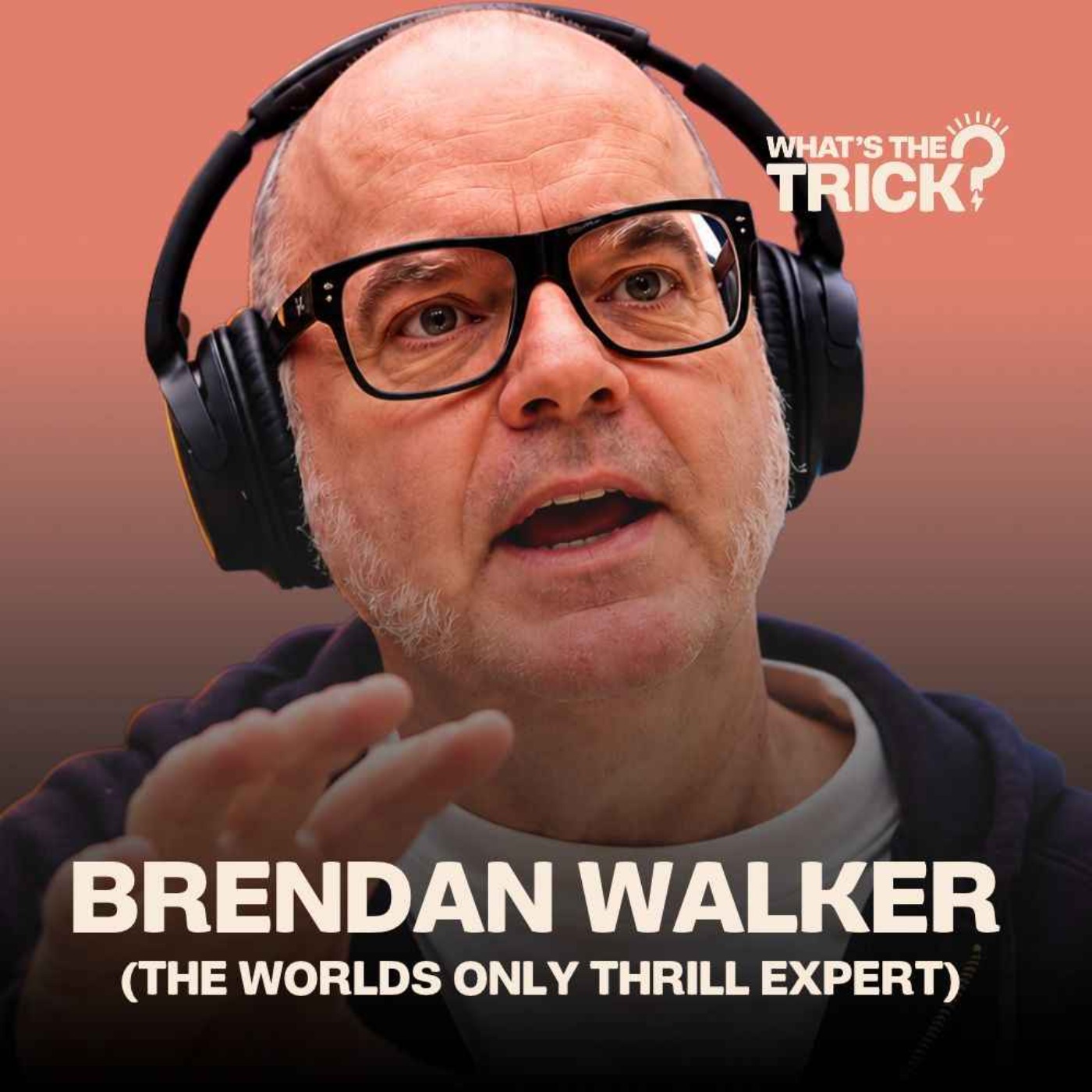
10:33Ben Hanlin: So there we go. that was the very funny Tom Baston. Go and listen to that episode and also Ballad of Wallace Island. If you've not watched it, watch it and then message me and go, yeah, thanks, Ben. Good recommendation. Right. Moving on to our next guest of this episode is Amelia Sordell, which is completely different. Amelia Sordell runs her own agency, Clout Agency, and now she does a lot of consulting all about personal brand. She works with some massive leaders, CEOs, and she talks about how they can show up online and in person and build a personal brand. Why did I want to talk about this now is because A, it's so different to a filmmaker that we've just spoken about and B, a lot of people listening here, we all have personal brands and by what is the definition of a personal brand?
11:19Ben Hanlin: It's what do people say about you when you're not in the room and how do you create one? How do you amplify your personal brand? I thought there was a lot of value in this episode for especially creatives or solopreneurs or entrepreneurs listening to get value on from Amelia. Things that I took from this as well is, I mean, you want to talk about personal brand, a little bit of insight. She's the only guest to ever send me a thank you gift after the episode. So I was like, oh, wow, thank you very much. But, you know, just shows she's thinking about constantly how she's showing up and how she's hopefully leaving great impressions for people.
12:02Ben Hanlin: But anyway, things I took was she didn't want everyone to love her. That was very clear. And I think if you listen to this episode, she is slightly polarizing at times. And she knows actually it's more powerful to have a brand where not everyone loves you. And but the ones that do like you really like you. So I thought that was quite interesting. And one thing I took from this that I've been really thinking about and I have been doing is the speed in which she comes up with an idea and then executes that idea and turns it into content. There's no overthinking. So literally when we were in the studio, she was outside walking down the street.
12:41Ben Hanlin: She had an idea. She pulled out her phone. She recorded it. That will then get edited by her team. That'll go up the next day. And I think that speed of idea and your passionate idea to then filming it and putting out its content on social media, especially, I found really interesting it's something I've been trying to adopt anyway I've been waffling a little bit here but let's hear more from when I sat down in London earlier this year with Amelia Soudan well let's talk about this public speaking so it's a thing that people have to deal with in all sorts of life and a lot of people are scared of it and you probably had to deal with this quite fresh in the last few years of getting up to speeds let's talk about that what was your the last few years are you a nervous-ish person were you ever nervous getting on stage have you dealt with those nerves and how have you built your confidence to stand in front of a thousand people 500 people and be as relaxed as you can be so there's probably like a bit of a backstory here when i was a kid i've always been confident like i i don't think i would anyone anyone would ever say i was a shy individual i don't i'm getting those vibes but the thought of speaking to strangers standing up and being in the spotlight all that kind of stuff made me feel physically ill to the point where when i was a kid if we were in a restaurant my dad would order my food because speaking to the waiter was so terrifying to me i just couldn't i'd be like i'd like i'd be like dad i want this and he would just do it for me shout out dad you're the best but as like you know as i became a woman and like got into my career and as you said like even if you don't want to speak on stages we all have a stage at some point in our career we have to speak on whether it's you have to speak up in a meeting you have to present something back you've got to ask for a job ask for a pay rise up tell someone you're quitting like they're all versions of a stage you gotta find your voice you gotta find your voice and when i got to about 29 in fact i was about 28 i think when i did my first speaking gig so pre-cloud pre-personal brand but i'd started talking about it already i was already posting content i was already like saying this human led marketing is a thing particularly for service-led business service service-led businesses and linkedin asked me to come and do um a talk so i went and spoke to 150 people about employer branding and the importance of humans within employer branding and forgot every single thing that i was going to say so this is the fear right is that you look on stage and no words come out Nothing.
14:46Absolutely nothing.
14:47Ben Hanlin: What happened? I sweated a lot, number one. And number two, I just had to think on my feet. And it's every single thing that I thought and was scared of going wrong happened. Like everything. Deer in the headlights, pausing. Sweat under my arms, sweat on my face, forgot my words. Like all the look back, all the pictures and lipstick on my teeth. Like every single thing that could have gone wrong went wrong. And I suppose there's two things here. One, I know what I'm talking about. So I was on that stage because I knew what I was talking about. yes I was panicked yes I was fumbling my words I think if that was being filmed I would have been like oh my god like I really fucked that up but the audience didn't like the audience probably saw a person who was a bit nervous on stage and maybe it was their first time but they still ask questions they still like waited for me to pause and like collect myself before I answered stuff before I said what I needed to say and I think the thing is like we all think that people notice our mistakes and that they care deeply about our mistakes and that they're never going to forget them and that's what really like there's a permanence to that right we spend our entire lives thinking in the future and in the past judging ourselves like aspiring for great things and then judging ourselves when we don't achieve them or handling things in a way that we didn't want to handle them right but other people don't do that they're doing it for themselves like 99 percent of people don't give a shit about you and i say that in the best way so you just got to get over yourself like get over yourself no one cares about it as much as you do and that first time was a total fuckery like could not have gone worse right but i didn't fall over could have gone worse but then the next time i did it i was like okay so what can i do to make sure that never happens again like yeah i'm gonna be nervous i know i'm gonna be nervous but like what could i do to make sure that at least i remember something of what i'm gonna do so instead of preparing these ridiculous slides and trying to remember every single thing that i was meant to say word for word i memorized my introduction because i was like if i can introduce myself at least then I can kind of just ramble for 40 minutes and it'll be fine so I memorized my introduction and actually a friend of mine told me that as a hack um Harry Hugo who co-founded the go agency that exited last year like he's an amazing person you go and follow him on social media he told me if you if you can just get your first 30 seconds right it sort of calms your nerves a little bit because you've nailed it like yeah instant gratification and then oftentimes it will then tee you up to be able to deliver the rest of it so I did that the second thing I just bullet pointed what I wanted to say so I had like literally just like written I think probably on my hand probably like rubbing all over my face yeah it's like pen biro down my face of like the points i wanted to hit yeah and it didn't really matter if i did it in the order that i'd prepared or not it just mattered that i hit hit those points and the second one i did like again wasn't my best work but it was better than the last one and that then gave me the confidence to go okay maybe i can do this again there we go that was emilia sodel if that sounded of interest and you want to dive into personal branding that the value in that one hour conversation is huge go and give that a listen again let me know uh let's take a small break a commercial break if you will don't really have any sponsors for these ones so i might as well tell you what i've been up to over on benhanlin.com uh i have just revamped my website and it's again why the summer's so good i'm a bit quieter for those that don't know i do a lot of corporate events and uh perform um at award ceremonies and keynote speaking the summer is really quiet so i've revamped my website go and have a look there is a whole new keynote section where there are new videos and explains the keynotes that i've been delivering to people which is all about human connection and how that is your competitive advantage it's all over on benhanlin.com there we go right one thing i'm gonna do before our final guest we're gonna jazz things up slightly our third and final guest um i just wanted to uh one thing because it's my podcast i could do this is as you know if you're a regular listener, I finish every episode with Ben's Fast Five.
18:37Ben Hanlin: So I've never answered my own Fast Five. I thought I would end this week of Summer Special by answering my own Fast Five. So I'm going to ask it myself. I mean, it's very self-indulgent, but hopefully you'll get some value out of it. Right. So question number one in my Fast Five is my Highlander question. Ben, have you ever seen the film Highlander? Yes, I have. All right. In the film Highlander, when you cut off somebody's head you steal their skills and expertise ben i mean i'm not i'm not gonna refer to myself i'm just gonna if i could steal the skills or expertise of anyone in the world who would it be now i went around the reeking on this one i thought it my mind jumped to music and i had a short list of people um i but i've landed on jamie cullen because jamie cullen i can't play music i I can't hear music.
19:25Ben Hanlin: I'm terrible. The way this guy sits at a piano and plays jazz, I'm just in awe of. And if I could do that and make a living out of doing that, I think I'd be very happy. So Jamie Cullum is my Highlander answer. Time capsule. What is the one thing, project, trick, anything I've ever done that I would keep and the rest of my work would evaporate? most people would expect me to say tricked and that was my my first tv show and within that there was a trick where i did a caravan off a cliff which overnight changed my life really but i'm not going to say that i'm probably going to say my live one-man show that i did called 50 where i did 50 tricks in one hour so it was one show one hour 50 tricks and i did it at the Edinburgh Fringe which is on at the moment and that was a really I think a great show because I get bored very easily and that was a show that was just constantly hitting you around the face with amazing magic so that was it my show 50 right Culture Vulture oh my gosh so Culture Vulture is you know what have I seen lately that I want to shout about this is the easiest answer I think I've ever given if you'd have asked me a few weeks ago because I just saw last week 13 lives I think I even did a post about this 13 lives is that film about the Thai boys that were stuck in a cave true story I think 2018 and the cave flooded and the whole world watched for a few weeks if we could get them out alive and the whole world chipped in Colin Farrell's in it Vito Mortison's in it amazing film it's on Amazon Prime go and watch it that recommendation came from the pulp kitchen guys when they were on and it's taken me months to actually get around and watch it but if you watch one film this summer 13 lives amazing right my magic wand uh what is the one thing that if i could out of the world of entertainment or um magic make vanish for the better i don't know why this is popular i do know why this is popular in my head it doesn't really affect me in my industry but something that I would make vanish are films that are over two and a half hours long I don't think anyone needs a film that's over two and a half hours long there's gonna be a lot of people here shouting at me for this and this has come because I've just went to see Chris Nolan's Odyssey which um I loved it I can do a whole rant on that another time if you really want to but in essence I felt as good as it was it could have been 45 minutes shorter so So for me, no films over two and a half hours.
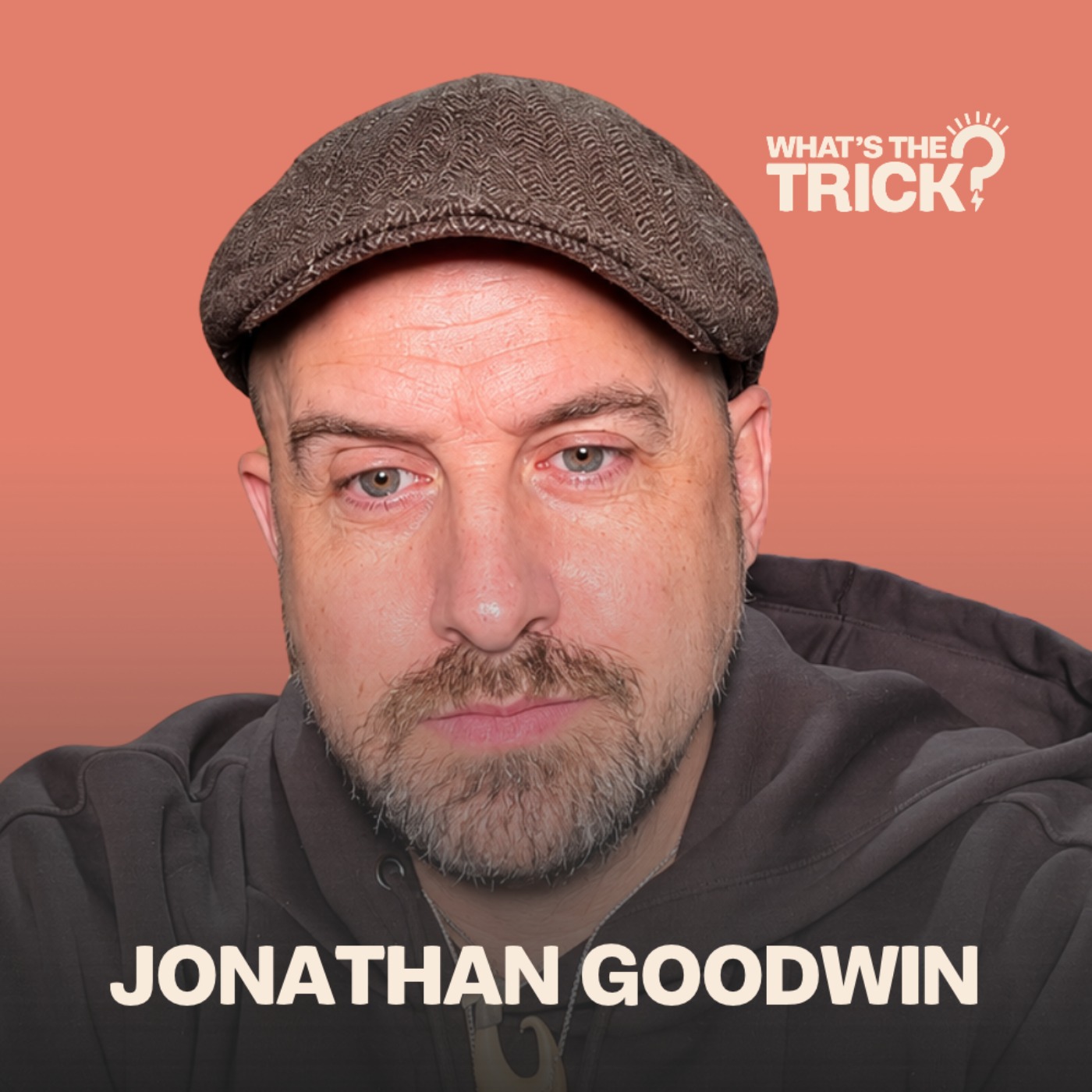
22:03Ben Hanlin: They should be 90 minutes to two hours max. That's what I would make vanish is long films. And finally, what is the trick to having a career as a magician and a presenter? I don't think I've actually answered this and I could probably answer this in many different ways. But if I think about one thing that's helped me consistently throughout my career, it's not waiting for people to give you a job. you have to show them and this has come up with a lot of our guests but i often think back to when i wanted my own tv show nobody was interested nobody was sat there thinking oh let's give this guy his own show i had to show them i had to get off my own backside put my money where my mouth was and create something to show people and i think a lot of our guests are exactly the same here it's don't wait for the phone to ring don't wait for someone to give you a job always be you know if you're a song if you're a singer learn to write songs if you're an actor learn to write plays give yourself the jobs you know you have to show them you can't wait for the phone to ring it's a very long-winded answer but that would probably be my advice is don't wait for people to give you jobs try and create the job yourself and you have to show them there you go right that was like a mini episode hopefully found that value let me know and i'll uh i can decide if i want to do more of these ramblings in the future but let's finish off with our final guest of this episode it is the fantastic matt edmondson now matt edmondson you might know him as a radio presenter on radio one he's a tv presenter he's also a tv exec he makes tv shows the with matt and i said this in the episode at the time he is an ideas machine i've known him for years every minute of every day he's coming up with new ideas his brain doesn't stop and most recently of the last few years he's become a board games creator he sells games to he started off with him and his brother-in-law and on a table in their house and now they sell to john lewis they sell to big retailers they even sell in walmart in america and i wanted to sit down with him and go how the hell have you done that how do you come up with these weird and wacky ideas and turn them into things that sit on shelves in other countries i just think he's incredible so he's an ideas machine enjoy this one it is the fantastic matt edmondson and they said oh we've got a meeting with walmart coming up we're going to pitch your games and i said i need to be on the zoom i need to be on the zoom they were like no because we're pitching like loads of games we've got loads of little studios we work with and i was like i need to be on the zoom trust me i need to be on the zoom and they they were like okay fine they said we managed to get you control freak so they managed to get you half an hour on the zoom these two buyers they buy everything in walmart now to give some context the previous year from the distributor we worked with they had bought three titles out of like 50 that were pitched to them.
25:19So I've got half an hour and I created a keynote presentation, which I'm big into. Love a jazzy keynote. And it was like an interactive play-along version of the games. And I did this thing where I had my half an hour and I perfectly back-timed it. Like I rehearsed it like it was a TV show. How many games are you pitching in half an hour? Three. So you've got 10 minutes per game. 10 minutes per game. They were not the sort of people that were personable they were just sort of like staring at you down the zoom camera it was over
25:53Ben Hanlin: zoom as well in mind you're trying to build buy like fun games yeah and i'm trying and i'm trying to build up some rapport like hey guys hey there's a quirky british guys coming just giving me nothing the time i stayed in that hotel yeah exactly none of that no didn't i couldn't i couldn't deniro them um and so i i i had to basically monologue for half an hour and there was a point where we'd shot some video and and i was playing that out and i messaged my business partner laurence who's on zoom i was like are they still there i haven't heard anything i'm just talking into the void for half an hour it's like radio you're just doing a radio show for these for these two people and got to the end of half an hour and i was like thanks very much they're like cool they bought all three of the games and they were the only three games they took from the distributor that year so i mean it was really worth doing um but that and so that was mad and so suddenly we've gone from like literally flogging them on etsy etsy to when we've now got to supply the whole lot of them to walmart and target you get the email from walmart going yeah we're in and we want all three of them is that you and lawrence popping champagne like as in the the the metaphorical No, it's more panicking.
27:07It's more like, how are we going to do it?
27:09Ben Hanlin: But is that huge? Is that the biggest retail in the world? Massive, yeah. I mean, Walmart have got like 5 ,000 stores. So, you know, that's a big deal. Target have got about 3 ,000. We got a game into Target as well. So, yeah, absolutely massive news for us, that. And it sort of made us like,
27:31we stopped being just like a little bedroom business to, oh god we're now actually we've we've got a thing that we have to run and and we've got to produce this stuff you got a team of people now staff so we we built up a bit of a team and then we realized do you know what we kind of liked the smaller thing of him doing the logistics and me doing the creative so we have people that come in and do some social media stuff we've got a guy that does some of our international stuff and almost works as like a translator between me and lawrence because he speaks a bit of creativity and a bit of business and i don't speak any of the business and lawrence doesn't speak any of the creativity so he's quite a good sort of like um yeah literally like a translator between the two of us um but yeah i know i've i've i learned graphic design and i like i like that for me that's part of the the product and so i do all
28:28Ben Hanlin: of that now but in everything you've done and we haven't really even touched much on the tv stuff but you obviously you've done a similar type of journey where you've come up with the ideas i'd imagine you've had your bubbles and then you've pitched and i hate to use this concept because it sounds like a dirty word but you are a very good salesperson hey thanks that's not dirty nothing dirty about it and weirdly i'm a magician on stage and i always think one of my strengths is my set is sales of course just that how much do you think about that in your kind of creative process or in the success that you've had as a creative that actually you're just really as well really good at selling so i've only ever sold things that i've made that i think are brilliant yeah so i i it'd be really interesting to try and sell something that i didn't think was good because i think that maybe is the role of like a proper salesperson where you're like look i don't really have a great love for these non-stick pans but i'm gonna go out there and you know really really make people convinced they're great and I actually think I could do it pretty well it really helps if you love the thing that you're selling and if you completely believe in it and I will go above and beyond to minimise the gap between what it is that I can imagine and what they are going to see so if I have to go and cut like a almost like a fake tape of the TV show I want to pitch so that they can get 1 % closer to seeing, oh, this could get made, I would go and do that.
30:02Ben Hanlin: Oh, so you mean basically spoon-feeding them. I'm trying to narrow the gap between me going, so here's the idea, and then in their imagination, sort of imagining something slightly different. Yeah. Or they're bringing their own kind of like prejudice or they saw a TV show that was like this before. and what i want to do is be like this is how it's going to look yeah this is this is like the vibe it's this is the feeling it's going to give you i want to i want to give them as much of the finished thing as i can without having to actually go and make it making it easy for them just to visualize so that by the way you've given us like a real in-depth story there as how that's come about and how because i've never heard anyone go into that much detail about board games before question now what is the future let's look for what are you working on so the thing that i always find the most interesting about you is you are if i had to sum you up in two words an ideas machine not not necessarily a fully functioning one sometimes a bit of a faulty ideas machine right so you're always always working on i mean like working on one or two projects is just what most people what how many things are you working on what's going on um board games or other it's hard And this is a debate that I have my wife quite a lot, which is at what point does it become work?
31:24Ben Hanlin: So there you go. That was Matt. And I reflect on that episode. There's something I thought I took from that episode is that he, other than being a creative, is an incredible salesperson. He knows how to sell an idea. He knows how to pitch. And that's why you get so much success is because he's got this idea in his head, but he actually knows how to sell it. And I think a lot of us overlook that part of the process. You know, for example, when he was pitching to Walmart, the company working on their behalf in the US says, no, no, you're not allowed on the phone call. And he's like, no, you don't understand.
32:01Ben Hanlin: I need to be on that phone call so that I can be the one to pitch it. No one else, because it's his idea. And by it coming from him, there was no confusion. there was uh you know there was no it was super easy for the people at walmart to see the idea and i think that's what he's done very well he makes it so easy for the other person to say yes because they can see it and that idea actually interestingly i've been reading a lot about alex homozy totally different realm right alex homozy is a business guy what has that got to do with creativity but he talks about with sales and all that kind of stuff is you have to make it so easy for them to say yes it would almost feel stupid for them to say no and matt does this every time he pitches a tv show a game show whatever it is it's super easy to say yes so think about that uh you know how are we pitching our ideas so that's it for our first summer special let me know what you think you can dm me on the what's the trick pod uh instagram page and as always you can share any of our episodes with your friend and i've really noticed as well people have been sharing it on their Facebook communities, their WhatsApp chats.
33:11Ben Hanlin: It's summer, people are on holiday. If you've got any mates that you think need a new podcast, that'd be amazing if we can get some new listeners as well to go and have a deep dive through the old stuff. Send me some questions, comments, etc. I'll have a chat with you over the week and I'll see you all next week. Bye-bye.
Join Ben Hanlin for a special episode of What’s the Trick? as he looks back on the first 30 conversations. Revisit three of his personal highlights and the unforgettable insights shared by some of the show’s most inspiring guests.
This episode is for:
- Creatives (writers, performers, content creators)
- Business owners and entrepreneurs
- Speakers and presenters
- Anyone looking to improve communication and idea generation
About Ben Hanlin:
Ben is a magician, presenter, and keynote speaker who helps companies create engagement, connection, and memorable experiences. He hosts corporate events and interviews world-class creatives on this podcast.
About the podcast:
"What’s The Trick?" explores how creative people think, create, and turn ideas into reality.
Topics covered include creativity, communication, storytelling, content creation, performance, and building creative careers.
🎧 Listen / Watch:
YouTube: https://www.youtube.com/@BenHanlin
Apple Podcasts: https://linktr.ee/benhanlin
Spotify: https://linktr.ee/benhanlin
📩 Work with Ben:
https://www.benhanlin.com/
---
FOLLOW BEN:
YouTube: https://www.youtube.com/channel/UCM0oXTRP-zWlJ_IiNykTLag
Instagram: http://instagram.com/benhanlin
Facebook: https://www.facebook.com/benhanlin
TikTok: https://www.tiktok.com/@benhanlin
How do creative people turn ideas into reality?
Ben Hanlin breaks down the mindset, process, and decisions behind it.
Hosted on Acast. See acast.com/privacy for more information.