
In short
When Shift Happens Podcast: Episode E49 - Arthur Breitman: AI, Tezos, Music, Maths, and Biohacking
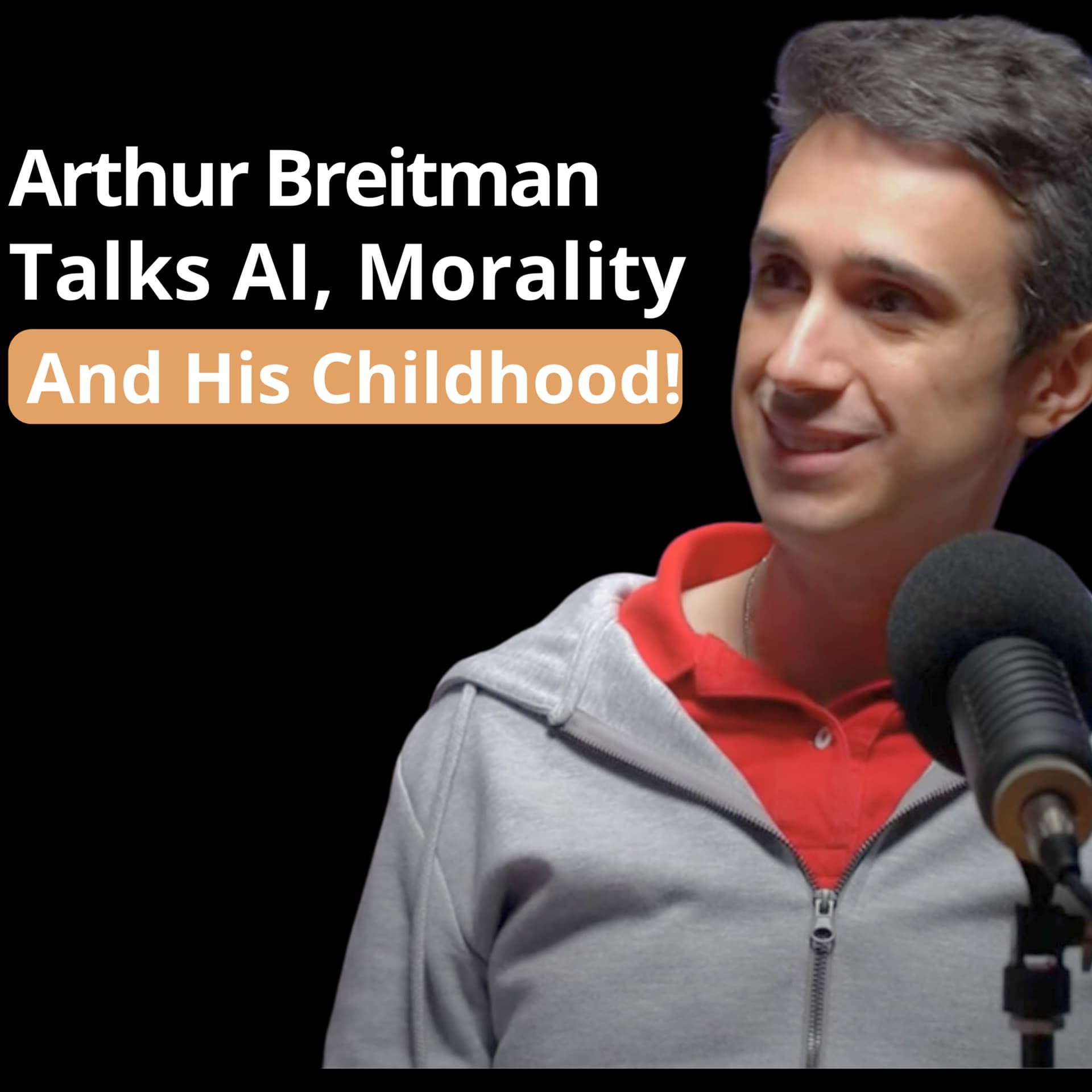
Episode Summary In this episode, host Kevin Follonier welcomes Arthur Breitman, the founder of Tezos, to discuss his journey from mathematics and AI to the realm of blockchain technology. Arthur shares insights into his early life, the inception of Tezos, and his perspectives on the intersection of technology and personal well-being. The conversation touches on important themes like the impact of AI, biohacking, and the evolving landscape of cryptocurrencies.
Key Topics Discussed
- Arthur's Early Life and Interests
- Grew up in a supportive but challenging environment.
- Interests in music, mathematics, and technology from a young age.
- Overcame bullying and developed an individualistic philosophy.
- The Birth of Tezos
- Started as a hobby in 2014 while working in traditional finance.
- Developed as a response to governance and security issues in existing blockchains.
- Raised $230 million in July 2017, becoming one of the largest ICOs at the time.
- Artificial Intelligence and Its Implications
- Discusses the rapid progress in AI and its potential risks and benefits.
- Concerns about AI exacerbating economic inequalities.
- The philosophical implications of AI development, including existential risks.
- Biohacking and Personal Health
- Explored various diets and supplements (e.g., carnivore diet, keto) with mixed results.
- Emphasizes the importance of sleep, exercise, and mental health.
- Shared experiences with medications and their impact on cognition.
- The Challenges of Crypto and Tezos
- Experienced significant challenges post-ICO, including lawsuits and public scrutiny.
- Focused on ensuring the sustainability and growth of the Tezos ecosystem.
- Discussed the importance of decentralized governance and community engagement.
- Personal Reflections and Advice
- Encourages taking risks in youth and learning from failures.
- Reflects on the importance of balancing ethical behavior with business success.
Key Takeaways
- Individual Growth and Resilience:
- Arthur emphasizes the importance of personal evolution through adversity and self-reflection.
- The Role of Technology:
- Technology holds transformative potential but also poses existential risks that require careful management.
- Health and Longevity:
- Personal health strategies often yield more significant benefits than the latest trends or supplements.
- Navigating the Crypto Landscape:
- The volatile nature of cryptocurrencies necessitates a focus on community and sustainable practices for long-term success.
Pivotal Moments in the Episode
- Transition to Crypto (34:06): Arthur's shift from traditional finance to crypto coincided with the emergence of blockchain technologies and represented a convergence of his interests in technology and finance.
- Sustainability of Tezos (53:40): The discussion highlighted the importance of adapting to market conditions and ensuring the project's long-term viability amidst challenges.
- AI's Existential Risks (54:42): Arthur's reflections on AI raise critical questions about its future implications for humanity and the need for proactive regulation.
- Message to Younger Self (01:06:18): Arthur's advice about taking risks and embracing failures underscores the importance of experiential learning.
Sponsor Information Coinsilium - A venture builder and investor focused on supporting Web3 startups, providing essential funding and expertise to foster innovation in decentralized technologies.
Links and Resources
- Arthur & Tezos
- [Tezos Instagram](https://www.instagram.com/tezos/)
- [Tezos Discord](https://discord.gg/yXaPy6s5Nr)
- [Tezos Telegram](https://t.me/TezosAnnouncements)
- [Tezos Twitter](https://twitter.com/tezos)
- When Shift Happens
- [Website](https://www.when-shift-happens.co/)
- [Instagram](https://www.instagram.com/kevinffollonier/)
- [TikTok](https://www.tiktok.com/@kevinfollonier)
- [LinkedIn](https://www.linkedin.com/in/kevinfollonier/)
- [Twitter](https://twitter.com/yieldlabs)
Conclusion This episode provides a profound insight into the multi-faceted nature of Arthur Breitman's journey, touching upon significant themes of resilience, technology, and the importance of ethical considerations in both personal and professional spheres. The conversation serves as an engaging exploration of the current landscape of AI and crypto, highlighting both challenges and opportunities within these rapidly evolving fields.
Written by AI. May contain mistakes. Listen to the episode to check what was said.
Transcript
Automatic transcript. May contain errors.0:28How did you move from traditional finance to crypto? We've seen very credible people come out and say that actually they are concerned about threats to humanity from AI. My number one fear is like, forget about even preventing this. How do you even convince people that there's a problem? If the technology isn't any good, it's going to become less and less relevant to know how to use it. A lot of people will end up without any job. I'm less concerned about that, not because it's not concerning, but because... I've been on a carnivore diet, keto diet, all of these different types of diets. For some people, it makes a huge difference, especially like people who have depression, for example.
0:54That can make very big differences to them. What's the downside of that? So basically, it can be hard to...
1:04Yeah, yeah, I moved to London in February 2019. Okay, why? I wanted to be close to France because I was working with a company in France called Nomadic Labs. They're working actively on the TESOS protocol and I wanted to be close to France, but at the same time, my wife is American. She's a French speaker. We wanted to be in an English-speaking country and London was attractive. It's also we've, you know, we met in New York and I lived for over a decade in New York. And I would say London is the closest thing to New York outside of New York. Is there another age at a certain age at which you want a more, I don't want to say peaceful life, but like places where you are able to experience kind of like the, you know, energy and kind of madness of the place, but also you're able to chill?
1:54for example in hong kong i found it very difficult you know or even in london i mean you can go to the countryside yeah obviously but or for you it's really i want to be in this like high energy life non-stop because that's what drives me and excites me but the latter the latter you know i think that's what they say is the real difference between extrovert and introvert is like what is your source of energy and my source of energy is more interacting with people uh being exposed to all these ideas that the internet takes the place of a lot of that in some sense like i'm getting a lot more interactions online than I used to 10 years ago.
2:27So in some sense, I think it makes it more possible to be a little away from cities. But still, I think it's not a full substitute to in-person interactions. And so, you know, not very much I'd like to be near centers of innovation and centers of activity. How important do you think this human aspect and human connection is actually? Because we think more and more, you know, with all these internet and devices that this is becoming the new world. We talk about, you know, metaverse and there's even like Lex Friedman who had this podcast with Mark Zuckerberg in the metaverse and all. But like the actual, is there one day where this is really going to become, replace fully this actual interaction or it's just impossible and impossible to replicate?
3:20I mean, you know, there's a proof of existence at some point you plug something in your brain and if you physically, if none of your senses can tell the difference and clearly at some point you get there, the question is how far is it? How good does the technology have to be? And it's never going to be a full substitute until you get to that point, but it can be good enough at some point. Personally, I'm not really a fan of the experiences that people are doing with
3:52headsets. I mean, it's fine as an experiment, but what I'm saying is like, I find it cumbersome. I think the sweet spot is either in a video call or in an in-person. And like the kind of embodiment you get through VR is still not like, it's still not good enough that it's something that, it's a type of experience that I'd be interested in. What do I need to understand about your early context to understand the Arthur sitting in front of me today in this podcast studio in London? Well, I don't know. There's a lot of things. But I mean, I've always been pretty individualistic in my thought and philosophy for a long time.
4:39So I would say that's pretty deep-seated. How was your childhood like? I would think pretty normal. pretty happy, regular childhood. I mean, I'm not saying that having a happy childhood is necessarily the norm, but as far as happy childhood goes, there's nothing absolutely extraordinary about my childhood. I was an early child, and I didn't school initially, mostly because I just didn't really fit in. I went to Magnet High School later in life, and that was a much better experience. What would you say I didn't fit in? Well, it was the other kids. I didn't get along with all of the other kids. People, okay.
5:24That's really interesting because would you say you were bullied? Oh, yeah, yeah, absolutely. Because we had Jordi Alexander that we released basically this week and he talked about the fact that he was basically a perfect target for bullying. Yeah. Because he was the, and he said it's not the person who is, you know, the most weird or anti-social. It's more the person who is kind of too cool for school or doesn't really fit in, that he's kind of the target for that. And he was actually, it's what happened to him. Yeah, no, I mean, it was a combination of like, I would dress differently. You know, I had like corduroy pants and, you know, button shirts.
6:00Okay. These type of things. And yeah, I would say I was also probably like pretty arrogant. Not that it would justify the type of physical violence I was subjected to, but, you know, definitely. where would you say this arrogance was coming from?
6:20I would probably have a reaction to being, to being this like, you know, I think it fits into each other, right? They don't like you. And so, you know, you get rejected. They don't like you. And so you're like, you fall back and you say like, no, no, actually. And it actually forges in part your, your identity as a, as a defense. Is it also because you think, I was also very short. Like I, I grew like a, I grew like a foot when I was in, at the end of high school. And what happened afterwards? Because you were fairly tall now. No, I'm tall now, but like I was among the shortest in my class, you know, like until the age of like 17 and then like 17 to 19, I just grew a bunch.
6:57Okay. So it changes the dynamic. Also, I think I was like pretty poor at, pretty poor at sports in general. Because you didn't like it? Or because you were not good at it? Both. It fits into each other, you know? What you're not passionate about, you're probably not going to be the best about.
7:19Do you think you felt that you're smarter than people around you from an early age? Yeah, yeah, yeah. Probably. Is it because people would tell you or is it because you were realizing, man, I understand this thing, these people don't understand. I know how to read the clock very early on. I know how to do all these counting things. No, I'm super bad at reading clocks, actually. Super slow at that. So, you know, if anything, the clock would have been an indication that I might have something wrong with it. To this day, you know, the hand mechanism is weird. Hence, I don't know how old I am from before.
7:58Yes, exactly. So impressive. But, no, I mean, you know, so like it's cool. You get graded, right? You know, it's like every week you get graded and you get a sense of things because it's instilled in your buying. So always good grades, top grades. Yeah. you said you were still playing music, right? Instruments. Yeah. Is it something you started early on? Yeah. So, I mean, you know, like when you're children, I was put in front of a piano and said, like, you know, like, I'm given some lessons to try to pick up the instruments. I did it about, like, five years when I was a child, and I was pretty mediocre.
8:35To give you an idea of how nerdy I am, like, just how bad it is, I got bullied when I was sent to music camp. Wow. Yeah. Okay. Like the music chem kid. So that was too nerdy for them. What do you mean by too nerdy? I mean, you know, it's like, you know, I think when it was the photo, the class photo day, like when I'm like, I don't know, maybe nine or so, I showed up in a white, you know, I showed up in a white shirt with a tie. Okay. Mind you, my parents were not encouraging any of this. Wow. This is all me. Where do you think it comes from? Like, you just see, ah, you see some examples. I want to follow this example or you're just thinking I need to look perfect or defiance I think I mean part of it is part of it is I liked it and part of it was also like you know like I know that I know that I'm not going to like it and so I don't care I don't care I want to provoke something a reaction yeah I mean no I didn't want to provoke a reaction but like I I also wanted to it's more about drawing lines and like asserting and it's about being assertive more than anything but so like yeah so I played the piano when I was a kid for about five years and I was mediocre at it and so I didn't like it a lot of things came easily to me this did not and I didn't really like so maybe like from 7 to 12 or something like that I practiced and I started again picking it up during the pandemic okay and the huge difference that has like happened in the meantime is that I grew okay with the idea that I could enjoy doing it even if I wasn't good at it.
10:18Which is, you know, I'm not, there's like trying to enjoy it for its own sake as opposed to do it like for the sake of competition. It's something that took me a very long time to get like mentally good with. So it's sort of almost a meditation. Yeah, exactly. It's extremely meditative. That's why I do it now. we also play music piano and I think it's one of the best meditation out there you can do just with your piano and yeah absolutely love it so you went to New York for so after high school right yeah what did you do there I went after engineering school I went to New York yeah I wanted to work in I wanted to do machine learning in finance why because I like both I was interested in finance from a young age.
11:11I think I visited New York when I was nine. And the one thing I wanted to do absolutely was visit the New York Stock Exchange. Okay. And I was also interested in machine learning. That came later. But yeah, I got this interest in machine learning and statistics around the beginning of high school is when I started getting interested in that. What did you do? like online search or actual classes about that? Or like, how did you approach this whole thing? Especially given it's, when is that? I would say I get really interested into the topic in 1988, 1999. Wow, okay. And I just like try to pick up books at a library, read the books, program a little bit, see what's out there.
11:59I do some... How much was out there back then? I didn't get the internet until late. like until 1999 which I would say it's late considering the lens I was going to to try to access it from the library and all of that. But yeah, I was lacking resources and mostly I also was lacking a lot of guidance. I didn't really have any mentors or people I could turn to to really help with this learning and it changes a bit in 1989. I started getting like many more people who could teach me some stuff and then I got into competitive programming and did a few competitions.
12:42Maybe a parenthesis on that because it's so important because machine learning, AI, especially with what happened, you know, with ChatGPT in the last year. It's been a year now already? Yeah, yeah, about a year. It's been a year already? It's actually been three. Three years? Well, GPT-3 came out in 2020. But that people started to really like realize, oh man, there's this thing that we can use and it's really... interesting and amazing. I know, but two things happened. One is like the model got better between 2020 and 2022. Clearly the model got better. And they gave it a chat interface. I would say like 90 % of what happened is they gave it a chat interface.
13:20Yeah. What was everyone thinking? It's just weird because the technology was there for years. So our previous guest, Jordi Alexander, we ended the podcast talking about kind of the dangers of AI. and he's a very optimistic person but he was saying I was asking where do we end up with that and he was saying something like the scary thing is that at some point the difference between a person A and B could be bigger than the difference between the person B and the pet because of AI what do you think about that well I don't know why would AI make one person different Because one person knows how to use AI.
14:05Oh. And the other one basically is not catching up with that, right? So today we have, let's say, a person B and a pet, which like, okay, you love this pet and you take care of it. But like there is clearly kind of a difference between both. And what he's saying is that person A who really understands AI or these companies who are basically in control of this, the difference with a person B could be even bigger than the B with the pet, right? In terms of like the advancement and the understanding and that a lot of people, basically all these B people will basically end up without any job. Okay, okay.
14:39I'm less concerned about that, which not because it's not concerning, but because I have bigger concerns. What are these bigger concerns about AI? It's not so much, you know, for me, between like someone with AI versus someone not with AI. You know, and if anything, you know, if the technology is any good in some sense, it's going to become less and less relevant to know how to use it. fundamentally, it doesn't matter. The whole point is like the technology. If you have something that's smart, it can do things without actually needing much of your help. So I don't think that is happening. What does happen, though, is I do think it can push up economic inequalities.
15:20You know, like first order effect is that it's going to make a lot of things a lot cheaper. So I would say probably raise standards of living. it does I think push inequality because overall if you have something that's like a perfect substitute for labor then the value of labor falls down a lot and so the difference between someone who has like I have capital versus like I just have my labor the relative value of the labor actually I think falls quite a bit so we can see some of that but at the same time with massively raised standards of living that's one thing so what's the problem there? I understand the raising inequality but if it's for people to have their their standard living standard raised is there not something good?
16:12I mean is there is it not kind of like the benefits outweighing the the cost of that? So usually at this industrial revolution right? We are in a position where the supply of labor is not extremely elastic in a sense of like, if you can have more than a subsistence wage, it doesn't mean that people say like, oh, wow, now that we can have more than a subsistence wage, let's have as many as possible until basically the wage is exactly what it costs to not die of starvation, right? So there are periods of history where basically like all economic gain is just absorbed by population growth. And at some point that stops.
16:54but when you have the difference is that like a lot of the labor that gets substituted by AI this is very elastic in a sense of like if the AI is producing more labor output more value than it costs to make more chips then it just starts making more chips and so you're looking at a society which is spending a lot of money on like energy and chip manufacturing so that's but the bigger concern I would say is not person A with AI versus person B the bigger concern at some point is more like the AI itself, getting to intelligence levels where, in comparison, a human being is an ant. And ants are not very good at controlling humans.
17:33And at some point, I would say humans lose control of the future of humanity, which just ends up being determined by some of the systems. How do we prevent that from happening? Is it even possible? Yeah. Especially because, again, we talked about that with Jordi. people, you know, there's a regulation, right? But the problem I see, even without talking about AI, just with social media and Facebook, the people who decide on these regulations, you look at the Congress, like they didn't really even understand social media. They were asking questions that were completely, you know, that made no sense.
18:12So if these people are the people who are kind of defining regulations and they don't even understand social media, how do they define the right regulations? when it comes to AI, which is much more complicated. Yeah, so I've been thinking in general about AI existential risk since roughly, I would say, 2009, 2010. And for a while, it was more of a distant prospect because there wasn't very rapid progress in the field. And then we started seeing really rapid progress happen, I would say. For me, the biggest moment was 2020 with the release of GPT-3. So we see this very fast progress happening. And my number one fear is forget about even preventing this.
18:58How do you even convince people that there's a problem? Because it was a very, very fringe position, existential risk from AI. And what I think has been a very positive surprise since 2021, 2022, is that first we've seen very credible people come out and say that actually they are concerned about threats to humanity from AI. We've had Yosha Ben-Yo and Jeffrey Hinton. They are two-thirds of the three people who won the Turing Award for deep learning. And then we have Yann Lequin, who's actually saying that it's not a concern at all because the people who build it will build it correctly. Which, you know, if he thinks it can be built correctly, that's great news.
19:44but I would say there hasn't been a lot of concrete plans proposed for building AI that's actually very, very powerful AI systems which are safe. And to be clear, I don't think any of the systems that we have today represent this massive risk. I'm just looking at the growth curve and where they're going to be in like three or five years. What's the kind of tipping point or moment where it becomes risky? You know, it goes from one direction to another. my question linked to that is is it good for companies to be private doing that or not because private companies have kind of like their own potentially like a shorter term you know thinking and if they think that way they're less going to think about you know like what's going to happen in 10 or 20 years like we're going to make more money and more profit now and therefore we're going to think about now and at some point you have to make this decision like they think about the long term consequences or not.
20:40It might be contradiction with making money. So there's good news and bad news here. The good news is that I think the risks are in the short term. I think we have very serious risk in the next 5 to 10 years. And they affect everyone. So you don't have a bit of a prisoner's dilemma. If you look at something like global warming, for example, Everyone might say like, oh, well, it might be a problem in 50 years. But number one, you know, like maybe that's not going to be my problem. And number two, if I don't do it, someone else will do it. So I might as well profit from it now. Whereas, you know, in the case of like imminent AI risk, basically everyone is incentivized in the right way to not do that.
21:24So the only fact, it's not really a factor of like the game theory of it. It's more about how convinced are people that those risks are real and worth addressing. That's the main factor. It's really about like, I think if tomorrow everyone on Earth wakes up and is like, yep, I'm 100 % convinced that if we don't change the course, this is going to be a problem, then it gets solved. There's no coordination failure, I think, that prevents it. It's just like, it's really a matter of advocacy and people understanding why the risk exists and what's the nature of the risk. So if you have to think about the two potential places where we might end up, what are those?
22:04like the optimistic positive future and the negative one? What do they look like? Right. There's a graph, actually, that shows you, like, four types of future for AI, and I like it. And so one is the first, I would say, decision point is do you get something resembling a technological singularity or not? Right. And then is it positive or negative? Do you want to develop that if you have to explain that to your grandmother? Well, the idea of a technological singularity is that, you know, you see technological progress happen. And over human history, it's happened progressively faster and faster.
22:46So we have very long periods where the standards of living and the type of life that people are living doesn't change very, very quickly. If you look at how someone may be living in 1800 versus in 1600, over 200 years, you don't have a massive amount of change. and if you look at the amount of change we've had in 10 years 20 years it's much much faster and the question is what happens if you have so much technological progress that happens in a very very short period of time so that's the idea of a technological singularity where everything is like radically transformed and if you look at the type of technologies that's possible just hasn't been developed and you assume that all this technology becomes available uh right away you have like a fundamentally transformed view of the world or the universe.
23:33And you might imagine like what happens once we have molecular nanotechnology, what happens when we have molecular nano assemblers, which can in minutes, you know, doubles the size of their stock. You get, you know, very weird interest rates, for example. You get, it's not even, maybe it doesn't even make sense to talk about interest rates, but like productivity and growth just becomes radically different. So that's the singularity. A positive one is, I would say, one that's aligned with what people would like in life. So, you know, like striving on human life, people are generally happy and pleased with it and human values are being embodied.
24:11So that's great. even though it's great, it's also a little bit scary to think about. I mean, by definition a positive singularity is positive, right? So you can't really think of like, oh, but is it negative in a certain sense? Nope. If it's positive and you have all the technology to make it as good as it can be, then it's positive. But it's weird because and I'm going to tie this to my piano practice. One of the reasons I'm doing my piano practice while being bad at it is like it's about sorry not bad I'm mediocre it's it's about being able to enjoy the thing for its own sake as opposed to trying to achieve anything and I think basically like once you get past the technological singularity that's all you have left like you can't you can't find fulfillment in achievement everything becomes a hobby and that's a little scary to consider even on a positive thing saying like well you know I think we try to find meaning in building things in these accomplishments.
25:16And if there's nothing you can accomplish that is of any important meaning or value, you have to basically just accept the experiences for their own sake. That's really interesting because a lot of people on this podcast talk about finding the meaning in achievement and the happiness in the achievements. Yeah.
25:41But if you look at kind of more normal people or even spiritual people, it's actually in the very simple things in life that you find the meaning and the happiness. And the happiness can never come from the achievements because every time you achieved something, you need the next one. Otherwise, you kind of lost your drive, right? Yeah. So how did you, because you said that with the piano, it's a good example. How can someone move from one to the other saying, I'm pursuing that just for the achievement and then kind of like saying, no, actually, I can do that as a hobby also and it can be very beneficial to me.
26:19Yeah, I think. Or it's more like something wisdom that you develop with time. Yeah, I guess. I mean, for me, it was like, I don't want to say like, oh, yes, I sat at one point and I said, like, how can I find more meaning in my life? And but it's just like, you know, I was I was practicing it during the pandemic and it kind of dawned upon me that this is like, oh, actually, what I'm doing is this and trying to focus on the experience as opposed to like being very competitive or driven to build something. You know, there's not like it's an internal goal. It's not an external goal. You've been thinking a lot about the meaning of life.
26:53Yeah, I mean, the problem is like, I don't. So I've been thinking about the question about the meaning of life. And I would say the main problem that we have, the main problem is like fundamentally, we could care about two things and we don't care about either of those things exactly. It could be that our goal as human beings, like we were born and we have these goals that are either like innate or get formed through our lives. But at one point, we end up wanting some things. And what we want is neither an internal experience, a pure internal experience. Because if you offer people something like an experience machine where you say, look, I'll give you a hallucination and you'll hallucinate exactly what you want or I'll just poke your reward center and give you all the reward in your brain.
27:43Oh, no, no, I don't want this. You want something real. You want something real. You don't just want the impression of something real. So we're not looking for purely inner reward. but we're also not looking for like imposing we're not looking for an external property for an external state of the world we don't want to say like oh I just want the world to be like a certain way and if that happens I'll be happy case in point for example imagine that you know if my producer is like this kind of teleporter that just like creates another version of you and I don't destroy the first version and then I say to the first version well, sorry, you know, now I have to destroy you, you wouldn't be happy.
Read the full transcript
28:23And you can say, well, why wouldn't you be happy? You're fine, there's someone else who has exactly the same goals as you. And so those goals are going to be carried out. And so you should be fine. And like, no, because I don't just want these external goals to be reached or this external state of the world to be reached. I actually want to experience it. So it's neither pure experience, not pure external goals. And fundamentally it means we can't get what we want. And, you know, it's just like creates a bunch of paradoxes that we don't have either of those things and so we fundamentally cannot be satisfied.
28:54So once you understood that it's a bunch of paradoxes, how did you navigate that or change a few things? Or you just accepted that? Or you said, oh, this is how I'm going to kind of change my life to make it more kind of meaningful and eventually become happier? Not purely. But the thing is like I don't necessarily think we also want to become happier. And, you know, just like... Why? Because it's just like one aspect, you know, being happy is just one aspect of life. There's other things. What are the others? And also like, it's not just about being, not being happier. It's like you don't want to, you know, you don't necessarily want to change what makes you happy.
29:35Like, you know, if I offered you tomorrow, take a pill and then I would say everything will make you happy. You probably wouldn't, you might not necessarily want that because you care about other things. So you want to be, you're not just looking to be happy. again you're not just looking for the inner reward you want to be happy because it's a reflection on desirable properties of the world that you're looking for so it's tough like I did you know if I could I would try to like modify myself as little as possible but to nudge myself in the direction of like caring more about the state of the world than my experience of it but it's tough because you think that your impact on the state of the world is eventually what's going to make you happier than kind of like focusing on yourself, right?
30:26I mean, people in general. I think if you care about the state of the world, then your experience of it, it's a lot easier to cope with mortality, for example, because you can create systems, institutions, or whatever that can carry out its goals, as opposed to like fundamentally having to experience them. But then again, I'm doing the piano and that's the opposite of that. The whole point is like, no, I'm actually focusing on internal experience. So I don't know. It's very frustrating. I don't think we're capable as a specie of having a coherent answer or satisfactory answer to the question of the meaning of life.
31:08Do you believe that when people say ignorance is bliss? Yeah. Basically, the less you think, the happier you're going to be. Because when you start to think about everything, you know, like you realize actually like it's almost impossible. And like that might just make you less happy. Yeah. Ignorance is bliss, but I don't think everyone is motivated just by bliss. So let's get back to New York. Yeah. Finance. Yeah. First job in finance. Yeah. What did you do? Actually, no, my first job in New York, I was going to, I did my master's in financial math in New York. And during the day, I was working for a small startup.
31:45Okay. Doing semantic web. What is that? The idea of the semantic web was that you would annotate different parts of the web, web pages with micro formats. So things like RSS or RDF. So let's say you have a shopping website. You would have like little structured information about each item. and it would make it easier after that for large search engines or other applications to go through this page and have something that was machine readable. And it turns out that after, you know, 13, sorry, 25, so after 20 years, it was actually easier to solve artificial intelligence than it was to get anyone to put structured data on their website.
32:27Like we now have completely solved natural language understanding and we can generate those microformats using AI. That was easier than convincing people to adopt the semantic web, which is crazy to think about. So I did that, but quickly then I started working as an intern for Newman Brothers at first and then a few hedge funds. What did you do there? Statistical arbitrage was the main thing I got into. What is that concretely in the world of finance, statistical arbitrage? Yeah, so the idea of statistical arbitrage is when you find statistical patterns of price discrepancies, where the signal is strong enough that you know that they're going to recur.
33:08They don't recur for sure, but statistically they should happen. And then you put on trades in public markets which basically let you profit from these statistical discrepancies. This is all made automatically? This is all made automatically, yeah. So this is the high-frequency trading? Not necessarily. So some startup is low-frequency. Some people will do startup and like rotate their position every quarter. You know, like you could notice statistically that say, oh, wow, stocks with low PE and low PEG and like you could do different indicators tend to overperform other stocks. And then every quarter you build a long short portfolio of that.
33:52So that's one model of startup. That's probably the lowest frequency type of startup. And then you have a startup also that takes place on like a day-long type of horizon, minute-long, or even sometimes, you know, like second or microsecond long. So how long do you do that for? Well, I really would say I started in 2006. Actually, I was also working a little bit as an intern. So like internships and such, like starting 2004. My full-time job started in 2007, and I did it until 2016. How affected were you by the great financial crisis? I mean, I just started with the great financial crisis. So I joined a startup hedge fund at the time, who obviously didn't raise as much money as they thought they were going to raise, based on that.
34:38But other than that, I don't think it affected the prospect of this fund. But other than that, I don't think it affected me all that much. So you said until 2016, right? Until 2016? Until 2016, yeah. But you started Tezos before that, 2014. I started working on Tezos in 2014. How did you do the move from traditional finance to crypto? What was your aha moment? Well, I mean, I didn't actually. I moved from traditional finance to robotics. So in 2016, I went to work for Waymo, which was Alphabet's cell driving core division. Actually, it was part of Google X at the time and then became Waymo. So I did this for a year and a half.
35:17But the crypto was a hobby. And it caught up with me because it became huge in 2016, 2017. So you started Tezos in 2014 as a hobby? Yeah. Wow. Okay. So what was the goal? Like why? Why? It was interesting. It was an intellectual challenge. It was an intellectual challenge and people were wrong on the internet. So you put the white paper out there in 2014 just as an intellectual challenge. so there was a position paper and a white paper but generally speaking i think for me it was an opportunity to explore like topics around smart contracts for first take all of that and i figured you know if it were just a hobby maybe i would just like have written blog posts and so on so forth you know i hire a small team and put money into building it but i figured this is uh i looked at it as an option essentially saying like this might be nothing but at the minimum it'll be an interesting calling.
36:17I'll be something interesting that I've done. You know, I don't know where it'll go, but it will be, I will learn something doing this. You started that with your wife, 2014? No, my wife, I mean, she was, she was, she was pregnant from the beginning, but she really, she really joined, I would say, more full time in 2016. Like, that's when she became involved. Is it not super risky to build a business or company with your life partner for the relationship? Yeah, no, it's a risk, definitely. If things go poorly and, you know, things did go poorly. Like we had everything, every problem thrown at us in 2017.
36:56So it's definitely a risk, but there's also like a huge benefit, which is that, you know, I would say, especially if you've known someone for, there's a value of having known someone for a long time, right? Which can happen outside, of course, of a married relationship. Some people start companies with people who've known for 10 years, right? but there's a value of like really knowing the other person very well, knowing that you're compatible and in general like spending a lot of time together. Is there a moment where the business or the project basically put so much strain on your relationship that you almost put the relationship at risk?
37:33No, of course. No, no, no, of course. Of course, it's like it's extremely draining and we went through like the most traumatic version of that possible where we were personally naming like six thousand lawsuits. We had a psychopath in Switzerland trying to bankrupt us. I mean, you know, it was like definitely the most pressure. I would say there's very few, you know, companies and startups that goes through like the type of pressure and plus being slandered and oppressed like for like six months by writers. So it's pretty up there. So you say you start 2014 as a kind of like hobby. 2016, what's the moment where you start to realize I should leave my job to go full into that?
38:18I didn't leave my job until August 2017. Wow. And the Tezos Foundation raised$230 million in July 2017. I liked robotics. So, wow. I really wanted to work on self-learning arts. So, you still had a full-time job when you raised$232 million for Tezos in 2017. But I didn't, it was a Tezos Foundation. So at the time I had my job, loved my job, there was an interest in Tezos. And I was like, well, it would be nice if it launched and had a life of its own and so on and so forth. And so at the time I'm thinking, well, the model that Ethereum used to launch with the Swiss Foundation and so forth is a good model.
39:01Let's see if we can do something like that. And so I go to Switzerland, meet with the same lawyers that had met with Ethereum and they propose a structure with this external foundation and essentially the deal looks like there is money, they launched a network, I'm making a bit of money for myself as well because I'm selling the company and the IP to them but basically it lets the project have a life of its own and I can focus on my interest at the time which is in AI and robotics. Then it become a much larger fundraiser than it was set up uh set of four a much bigger hit and uh and success how did it even happen like i mean there's probably no if i do a comparison to for example music i used to be a dj for five years i was doing some intros for like big dj like avici and like the guy before being famous they knew already he would become famous my manager would tell me oh yeah look we are in march 2010 the guy cost 3.5k euros to come for two hours this summer is gonna be 100k right because everything is pre-programmed in music in every industry was it the same in crypto or is it more kind of like something that kind of a succession of a few things that went really well like so sort of luck that made this one of the biggest ICO ever like how did this even happen um I don't think I don't think it was programmed in any sense.
40:35Although, you know, like I would say through like 2017, I would say we had a sense of like what the outcome would be like shortly before. But, you know, the crypto markets crashed shortly after this anyway. So these things are extremely volatile. I think the timing was a big factor. I think the idea resonated a lot with people. this was a time where CRM was not a lot of stress and they were not a lot of stress in terms of their governance in terms of smart contract security and those are topics which were addressed in the Tesla's paper in 2014 people all of a sudden were like wow this is extremely prescient and that's really interesting and it was a few things so like for example you could contribute to the foundation using Bitcoin from an exchange which is not something that other people would do, other people would just make make their contributions tradable tokens on Ethereum.
41:33So little things like this, I think, made a difference as well. But also I would say people saw the value of the project and bought into the notion of decentralized governance and what it could bring. So basically it was, what are the key problems with Ethereum? Oh, there is this project out there that sort of exists since three years. They seem to solve a bunch of these. Therefore, we should invest in that. And that's basically the kind of spark in the beginning. And what's important to note is, Thales was not created in reaction to Ethereum. It's being created around the same time as Ethereum.
42:11So Ethereum is mentioned, but it's like a very nascent project at the time. So it was not created somehow to fix problems with Ethereum. It was created to fix theoretical problems. That you anticipated. That you anticipated would happen in general. but because it was just like such a fit around the narratives at the time a lot of people to this day think that oh yeah Tezos was created in reaction to Ethereum doing this and that no no no no that was actually like those were like just very good calls early on so kind of like almost accidentally like this happens 2000 so July you say you raised 232 million in Bitcoin ETH USD The Jesus Foundation raises$270 million in Bitcoin and ETH.
42:56Okay. How much of that was sold? Or all kept in Bitcoin and ETH? Because this is basically the perfect timing to raise money in crypto, given how much is going to go up in the next six months. No, actually. This happens in July. So actually, the crypto markets kind of go down quite a bit after that. and then they pick up again in December and go down. They sold some. They kept a lot in Bitcoin. So, you know, as a result, like the treasure of the Tudor Foundation has evolved over the year. Yeah, I think in by maybe September, October, it's around like 1.5 billion or something like that. So it ballooned.
43:39Okay.
43:43So, but this sounds like, this sounds like the basically crypto dream, right? In terms of like, I mean, if you look just from the outside, right? In terms of results. We put out this white paper. Then like there is all this money raised. Then it's always in Bitcoin kind of like at the right time. Okay, there is like maybe the summer it goes down a bit, but then it goes up like crazy into like in the billions. Yeah, yeah. So it sounds from the outside like the crypto dream. And then there's this story that happens with the president of the foundation. Yeah. What's the key learning from that? Don't do business with this guy.
44:16I wish there were like something really deep to learn you know like some deep life experience but like so much of it is just so idiosyncratic and you know like you said a lot of things went right but also a lot of things went wrong and you know it was not just this guy a lot of things had to basically go wrong and align for this to happen right like first of all this guy had to be a psychopath there was one director on the board who was instructed by the lawyers of the foundation. He says, like, you know, you have a legal duty to actually, like, vote to fire this guy. And he still decides to ignore the lawyer and to trust some other lawyers that's been, like, brought by the crazy person.
44:59So, like, we had basically a two out of three failure in the board of the Texas Foundation. It's not one out of three. Two out of three failures. The lawyers also, like, get really, really sheepish around this time in Switzerland because they know they've physically committed malpractice. They were also, you know, they never mentioned it, but there was a lawyers of the crazy guy that they suggested. And they knew he was bankrupt. So there's a lot of like malpractice that happened from him and me at the time. But there's also like, and then, you know, there's lawsuits being filed. And so like it's busy and it's a perfect storm.
45:33Like everyone wants, you know, to have their kind of like ICO story. And so much of it was dirty in a space. And so people just assume it's like, oh, it's probably just as bad. And so let's just like dig on him. And at the same time as well, there had been a lot of transparency. And so there's this massive transparency tax because for like very lazy wire reporters, it's easier to pick up on Tezos because there's more information. So they just go there. And, you know, like after years of like lawyers go in and say like, it's going to be a slam dunk because these things are like, you know, so loose.
46:05And yeah, after like years of trying to soothe it, they don't actually like find anything because the thing is clean but it's uh so we we kind of paid for like a lot of the uh like scandals who were operating in the space how did you personally leave this situation so both at that moment where obviously like you have all this kind of like bad type of attention and also shortly after the market peaks everything goes down and these swings You have just the swings in wealth, net worth, all this. It's complete madness going up like crazy, going down like crazy. And then you have also this kind of aspect.
46:50How do you personally live this? I mean, the price swings were not really affecting me that much. It was more about the constant public slandering was a bigger issue. Because I was thinking of what was happening to me. at that time, you know, there's like the risk of bankruptcy, everyone getting on us and so on and so forth. And I'm thinking at the time, it's like, well, this is really weird and really bad what's happening. But at the same time, you know, like people get diagnosed with cancer every day and getting cancer would be worse than this, clearly. So, you know, isn't that bad what's happening to me?
47:24And what didn't occur to me until years later is like one key difference between what was happening to me and like getting things like a really bad medical diagnosis was a public eye. You know, one of the biggest differences, It's not just like I have these bad things happen to me in private. It was basically like the constant slandering in the press was pretty bad. What did you do concretely with that? Did you pick up meditation or like did – or you just – how did you go through that? Oh. On the mental health side of things? I mean, I guess one step at a time. And, you know, the thing is, it's like it's a very – it was a very exogenous situation.
47:59I think for a short period of time, I think I took some anxiolytics. Okay. How did it help? It helped greatly, but I think it really varies. Some people will get... I think they're quite addictive. Some people can get addicted to them. So I don't want to be a human billboard for anything like that. And they were prescribed by a doctor. But I was lucky enough that at the time, I took them for a short period of time. They were able to help. And then I didn't have a problem not taking them after that. But it may be atypical. I think people can get very addicted to depressants like this. Do you try some therapy?
48:35Have you ever tried? Yeah, over the years, like on and off. Okay, what do you think of it? I think it really depends on the person. For you? I mean, yeah, I guess I'm the only, I can only speak to my experience. But yeah, it's, I would say it's a positive effect, but it's moderately positive. Something else helped better? I don't know, sport, clean food, meditation, maybe, or music? Yeah. Or just time? No, I think time. I mean, usually I've been like, I've tended to be a pretty happy person through my life. So I tend to be pretty resilient to these things. But it was a lot. What happened after that?
49:31so basically 2018 there's a mega bear market yeah how much involved are you in the whole like okay now we're going to bring this tezos thing to the next level are you even able to concentrate on the future of tezos when you're in the middle of this kind of storm nope that's okay that's pretty bad until the end who was so who was focused on the future of tezos when well kind of like the leaders are in the middle of this storm there was an evil like the board of the foundation like went from like evil and actively trying to tank everything to being well-meaning but not very competent like in 2018 and then you know maybe even well-meaning is even nice but at least you know not actively hostile to just kind of passive and so the project was you know like was what it was for for a couple of years.
50:29And I was mostly focused on like trying to trying to basically like recover. I was, you know, doing some, you know, like some speaking, trying to talk to the community, trying to match people with each other, make introductions. And of course, you know, like the losses were quite time consuming. What are you guys focused on now? well personally I'm trying to I'm trying to help the ecosystem in a way that I can so like now a difference from like the past is that I'm on the board of the Foundation. I'm also a director here in London in a company called Trinitech that works on as part of as a member of the ecosystem in helping you know grow the protocol grow adoption so to the extent that I can do that I do a little bit of I do R &D so I worked on some technical ideas for the development of Tezos, basically a bit of representation going to conferences and talking about evangelizing for Tezos and trying to help a little bit different entities in the ecosystem with their recruitment and finding good senior people.
51:43And I would say today the priority is, one, on the Tezos Foundation side, for the Tezos Foundation to be on very sustainable ground. They have a very large treasury, but they've also increased spending a lot in 2021. So it's gradually gone down but it's important to ensure that they are. I would say it's a different market now. There was a time where it was like, hey, if this spending can help with this protocol, it's a good idea because right now there's just like not enough stuff happening and an excess of treasury. Whereas now it's a lot more like budget driven saying like, okay, what's the budget for this year?
52:17How much can be granted into like this type of area, this type of area? and also trying. So, I would say Tesla is very successful as a technical project. It's probably one of the best technology that's out there. But it needs to have more success on the adoption side. It's found like great and very fertile ground of adoption in the art space. Absolutely. Among generative artists, it's been absolutely beautiful. But we need more seeds like this growing in the Tesla ecosystem. them so one of the things that's really interesting is like especially in crypto it's so volatile and crazy being an investor an entrepreneur that obviously is not good for mental health physical health right and people in the space and also entrepreneurs in general who goes through these really intense times of building a company try to think about how can i kind of like optimize my brain or my body to like function better yeah have you done some things like that in sort of biohacking space yeah i've tried to do things over the years uh not much has like much of an effect you know like in terms of like i've never been on i've tried everything you know i've been on carnivore diets keto diets all of the different types of diet i've tried all types of supplements and and all of that the like connectively easy the the main thing that that makes a difference is like one is getting enough sleep.
53:47Yeah. Back to the basics. It's like, you know, people won't do, people will take like, we'll try like weird cognitive enhancers and not get enough sleep. Like this makes a big difference. So it's just like getting enough sleep. And I know that, you know, like I mentioned, like ketogenic diets, carnivore diets. I know that for some people it makes a huge difference. And especially like people who have certain like conditions being like depression, for example, like that can make very big differences to them. But it's not the case for me. Like I don't really get a difference from it. And I remember getting into this like, what, 15 years ago and trying like, oh, maybe, you know, like puracetam and paramaracetam and all this stuff can do something.
54:31And it's just like not, barely does anything. The one thing that I've like, that I've tried that actually has an effect is, you know, like stimulants in general. For example? You know, like amphetamines or modafinil. Okay. Clearly, they have a cognitive effect. What's the cost or the downside of that afterwards? The downside of it, I mean, I have... What's the experience on it? I've tried amphetamines in my life. I've never taken them regularly at any point. I think the downsides are known. I would say they raise your heart rate, they raise your blood pressure when they happen. they can be addictive people crash after using them.
55:15I mean there's clearly a time and place for them. I don't know if you're in the trenches and it's and you have to raid the other side, would you take amphetamines before doing it or not? Of course yes, you'll do it with a crash later right now what matters is this. Same thing if you had a really high stake exam for example. There are circumstances where it all makes sense and please don't do anything without talking to a doctor Modafinil is different it doesn't seem to have as much bodily effect and its effects also vary widely around people, it's not exactly understood how it works it seems to be safe like people have odied on caffeine, people have not odied on modafinil even though people have tried so the safety profile is actually better than caffeine the side effects are better than caffeine the main downside with modafinil is that it has a very long half life and so basically it can make it hard to go to sleep if you're going to be up for I think it's like a half-life of 12 hours or something like that.
56:16So it's not great. And then if your sleep schedule gets screwed up then the result is worse. So the world still awaits for the creation of something like monethanol with a half-life of four or five hours which actually exists. There's an intumere of monethanol which actually does that. It's just not commercialized. But you had access to it? No, no, no. Okay. I mean, it's hard to produce. Like you would have to produce it and stuff. It's not even being produced. So back to the basics. Basically, it's sleep, exercise, diet. I mean, a decent diet. People say that about exercise. I haven't noticed that it makes a difference for me.
56:55But the diet? You said you lost 50 pounds? I did. I lost 50 pounds. How did you do that? And I'm very happy with it, but I don't think it makes a difference in my mental clarity. I'm happier in the mirror. I feel like I have a bit more energy, but it's not like, it's not like, oh my God, I'm getting this mental clarity all of a sudden. But it might make a difference on your life. Yeah, no, it is. It's good. It's a positive difference. Yeah, absolutely. Absolutely. What do you think about the longevity space? You said you spent a lot of time studying that, right? I did. I, you know, I fell into that rabbit hole as well.
57:27There doesn't seem to be all much that can be done in terms of longevity and supplements. Again, you know, with the caveat of like medical, blah, blah, blah. I think some people get benefits from metformin. At least they are. Well, I mean, definitely diabetic people get benefits from metformin. But I mean, people have been taking it for longevity. Like there's maybe some indication that it does something. For a while, I took, what's it called? Resveratrol. That was a big thing in 2010. What is that? Resveratrol. It was this, I don't know, it was this molecule that was supposed to, And if you give it to rats, apparently they'll live longer.
58:03But then there were monkey studies that showed no benefits. The thing is, like, a lot of very short-leaf species, like rats or flies, you can extend their lives pretty well. And then it doesn't translate into longer-leaf species. And it happens very often. And it was a case for resveratrol. Like, it was lots of promise. Like, oh, it makes fasting and all of this. And, like, even calorie restriction, like, for larger organisms doesn't seem to do all that much. so would you go as far as saying that all these kind of longevity experts, I mean a lot of experts online but like it's more of a marketing thing to kind of almost make money out of it rather than an actual proven thing, because the clear example is I'm following a few of these guys about longevity and it's always the same dudes out there talking about that and every year they change their mind because there is new, so they're justified by new information now which is why but it makes it like very hard to kind of believe you know like hey like and also like as you said everybody's different right and if everybody's different especially regarding diet and everything like there's not this one thing you can do everybody can do to extend their life or become healthier everybody's different so everybody should try all that stuff and you know the more you try the more you get lost the more should you not just like look up the basics again like did I sleep enough do I feel good today and instead of going down, because you said you went down to the rabbit hole, but they kind of like came out without concrete answers, right?
59:34Well, I mean, you know, I did come up with an answer. The answer, it was like, there's probably nothing that really works. That was the main answer. Is there another big topic that you went down the rabbit hole and came out saying, there's not really an answer. There's not really anything working. Human morality, I went into a big moral philosophy rabbit hole. Do you want to develop on that? Yeah. So I got interested into, I would say, libertarian political philosophy starting around 2005, 2006, maybe a little earlier than that. And then it got me interested into deontology. And you're looking at something like this.
1:00:25and I was like taking a very natural rights approach to it. And then you think about the ontology and then you say like, well, what is the underpinning of like ethics anyway? And then you'll find different theories and, you know, utilitarian theories, the ontology theories, there's a virtue and all of that. And then you are going to like basically hit see, yeah, is odd problem at some point. It's like, well, you know, you can't really have a positive account for morality. It is what it is, but there's no... The weirdest thing is when people say this is what morality should be. It shouldn't be anything.
1:01:03It is what it is but the notion that it should be something is you can't make a normative judgment about a normative system.
1:01:15My conclusion is that fundamentally morality is a type of preference that we have. we don't experience it the same way as I don't experience my desire to act morally in the same way that I experience my desire to get sugar or other things. But just because I don't experience it the same way doesn't mean that it's not fundamentally a preference. There are preferences partially shaped by evolution. But as a result, I think the main insight is the content of those preferences are wrong. Like people who say like, oh, you know, we have what we have is some intuition of an external system. That's that's that's that's actually the valid one.
1:01:55You can't do that. You need to ground it on something. And the best thing you can ground it on is human intuition. So you end up with some like, I would say, an underwhelming view of ethics because you don't have a grand system to to explain all of it and say, well, this is what you should do in life. no it's just like it's a missed set of human preferences who will vary among humans and will vary a little bit among cultures but broadly speaking they'll tend in the same direction Do you think it's possible to be to act in a very kind of morally correct way in business and be extremely successful?
1:02:33Yeah I think so I think a lot of people have been I think a lot of people have been very successful in business well of being moral actors. I mean, I would say different people with different views on ethics might disagree with that. I think it's, I do think it happens. I do think analytical behavior in business happens, definitely. I think the trope of saying like, oh, I'm not successful because I'm not doing all the analytical stuff that anyone is doing is just scope. Like 99 % of the line is scope as a complete excuse. However, I also think it's, you know, like it's generally not said by people who are like 90 % successful.
1:03:13But I also do things that, yeah, I would say like if you are, so basically you have two possibilities. One is that it's never an advantage to do something, you know, immoral. Like morality is always in your advantage. And if you do something immoral, you're making like a business mistake. And that seems like it would be extremely hard to believe that that would be the case. Right. To believe in karma? No. I mean, not. Because it's linked. like if I do something bad now like karma is going to kind of punish me later in business for example I don't believe in karma but I do believe in the fact that like we have moral preferences because it's of a purpose like evolutionarily for example you have the preference you know like you don't want to betray people you don't want to betray other people and the reason is like because otherwise you'll be tempted you might say like well I won't betray because I know that it's my interest it's in my self-interest to be perceived as a non-betraying person.
1:04:07And as a result, I'm just not going to betray people, not because I don't want to betray them, but because it would hurt my reputation. But in practice, that requires a lot of cognitive overload. And evolutionarily, it's more stable to just have a preference not to betray. Right. And so the question is like when people think that they're being like clever and say like, ah, you know, I'm going to do this thing. I'm going to like betray on this deal. Well, they do end up having a bad reputation. And so there's a wisdom that exists in moral rules that can be lost when people break them. It's a whole plot of, what's it called?
1:04:49Crime and punishment, right? I don't want to spoil the book, but it's been out for a while. But if someone, the main character essentially actually like doesn't, says like, look fundamentally, becomes a nihilist and says like, Essek is not grounded in anything, goes out, commits a murder and then realizes like, oh no, I feel bad about this now and I have all this problem. So yeah, I don't think it's, I think it's a case that a lot of people who like will try to behave unethically or like try to get an advantage from behaving unethically are probably fooling themselves and are probably going to hurt themselves.
1:05:26But at the same time, it would be fantastically unlikely that the best possible court of action in the business would be to be always 100 % ethical. So if you take a pic of like the most successful businesses, it would also be unlikely that there was nothing unethical happening. I don't know if that makes sense. It does. Why do you think that crypto attracts unethical people? Oh yeah, absolutely. Why? And obviously I want to The prospects of easy money in general? Because there is the trial of Seinberg Manfred now. So it's basically, I want to come to that because there is this crazy example, especially last year, of what happened, where you would think the dude is in front of the Congress, he's like the god almost, and we're thinking this dude is bringing us towards mass adoption and people understanding us, etc.
1:06:19And then this stuff happened. Yeah, pretty bad person. And this is a typical example of actually, you know like so i don't know to which extent this is sincerity right but the guy at least represented himself as like some bintamist youtube italian and you could still like conceive a story of saying like well i did all these unethical things because i plan on giving the money and saving all these people and so you know i think it makes sense i don't i don't even believe that but even arguendo let's say there was a case he still failed at this uh and it was also he was also bound to fail. This is not a case of him rolling the die.
1:06:54He was going to get caught, just stealing customer deposits. That was not a business he could get out of. There was no way to cash out. The fraud was not sophisticated enough for that. So this is a good example of someone thinking they can get an edge by not acting deontologically and fooling themselves.
1:07:17What would you tell your 19-year-old self if you met him today? we can't do stock tips, right?
1:07:28And, you know, it's like, it's so hard because there's just like, there's just so many things, like so many very small things that can completely transform my life. But if I try to answer the spirit of the question as best I can,
1:07:48like if I'm given like the type of generic advice, I would give someone like a 19-year-old. Take more risk early on in your 20s. Do you think you did so? I didn't take any of risk. Exactly. Take more risk early on in your 20s because your opportunity cost is much lower. Do you think it's easier to say that when you've been really successful?
1:08:14No, because it's something that I also realized I should have done before being successful. could have been and also like i and also like i could have presented a good argument for it even even without success because the whole point is like you know if you let's say you try entrepreneurship like in your early 20s and you try it for like two or four years and it fails you know you've lost like three years of your of compensation as like a junior employee and you've gained like a lot of experience which is relevant anyway so really like your the option value of doing that is very high. What's the moment someone should stop trying?
1:08:48And this is like, this is not, you know, assuming you can afford to do that, which is not necessarily everyone, maybe like, maybe you have responsibilities, like people you need to take care of and so forth. That's not necessarily for everyone. But, you know, if you have the possibility of trying that, it's definitely worth it. When do you stop trying if you're not successful, you know, consistently not successful?
1:09:10I don't know. Because there's a lot of entrepreneurs out there, you know. Entrepreneur? yeah wantrepreneur want or want wantrepreneur well the thing is like don't be a wantrepreneur be a trepreneur or not just don't be a want amazing that was amazing thank you so much man for your time thanks for having me thank you
From the publisher
Arthur Breitman, a prodigy in Mathematics & AI, is the Founder of Tezos.
This is the crazy story of a white paper written as a hobby that later turned into a crypto monument while Arthur was still an employee focused on his passion: AI and robotics.
Today, Tezos is one of the leading open-source blockchains and has found great success, particularly in the NFT niche.
Key topics:
- Arthur's early life
- Playing music
- The Birth of Tezos
- Al
- Biohacking
- Blockchains
Sponsor:
We are proud to partner with Coinsilium, a focused Web3 investor and venture builder supporting innovative startups building a decentralized future.
Coinsilium provides vital funding and expert advice to Web3 and AI-powered early-stage technology companies. Coinsilium also provides strategic advisory services to projects looking to issue tokens.
With deep expertise across crypto, DeFi, and Web3, Coinsilium helps accelerate ambitious Web3 startups to the next level. Learn more at https://www.coinsilium.com
Follow Tezos & Arthur
https://www.instagram.com/tezos/
https://discord.gg/yXaPy6s5Nr
https://t.me/TezosAnnouncements
https://twitter.com/tezos Follow When Shift Happens:
Website: https://www.when-shift-happens.co/
Instagram: https://www.instagram.com/kevinffollonier/
Tiktok: https://www.tiktok.com/@kevinfollonier
Linkedin: https://www.linkedin.com/in/kevinfollonier/
Twitter (X): https://twitter.com/yieldlabs
Chapter:
00:00 Meet Arthur Breitman
01:25 London Calling: Navigating Life's Big Decisions
02:49 How Technology's Rewiring Our Human Connections
04:29 Echoes from Childhood & The Birth of Individualism
05:24 From Bullying's Kid to Personal Evolution
11:01 Financial Fascinations
12:53 The Machine Learning Revolution and Its Promise
34:06 From Traditional Trade to the Crypto Frontier
45:28 Twists and Turns of Crypto
50:24 Tezos' Upcoming Adventures
53:40 The Performance Edge
54:42 Health, Longevity, and the Quest for More Time
01:06:18 A Message to a Younger Self
#Entrepreneurship #Crypto #News


