Ask ChatGPT
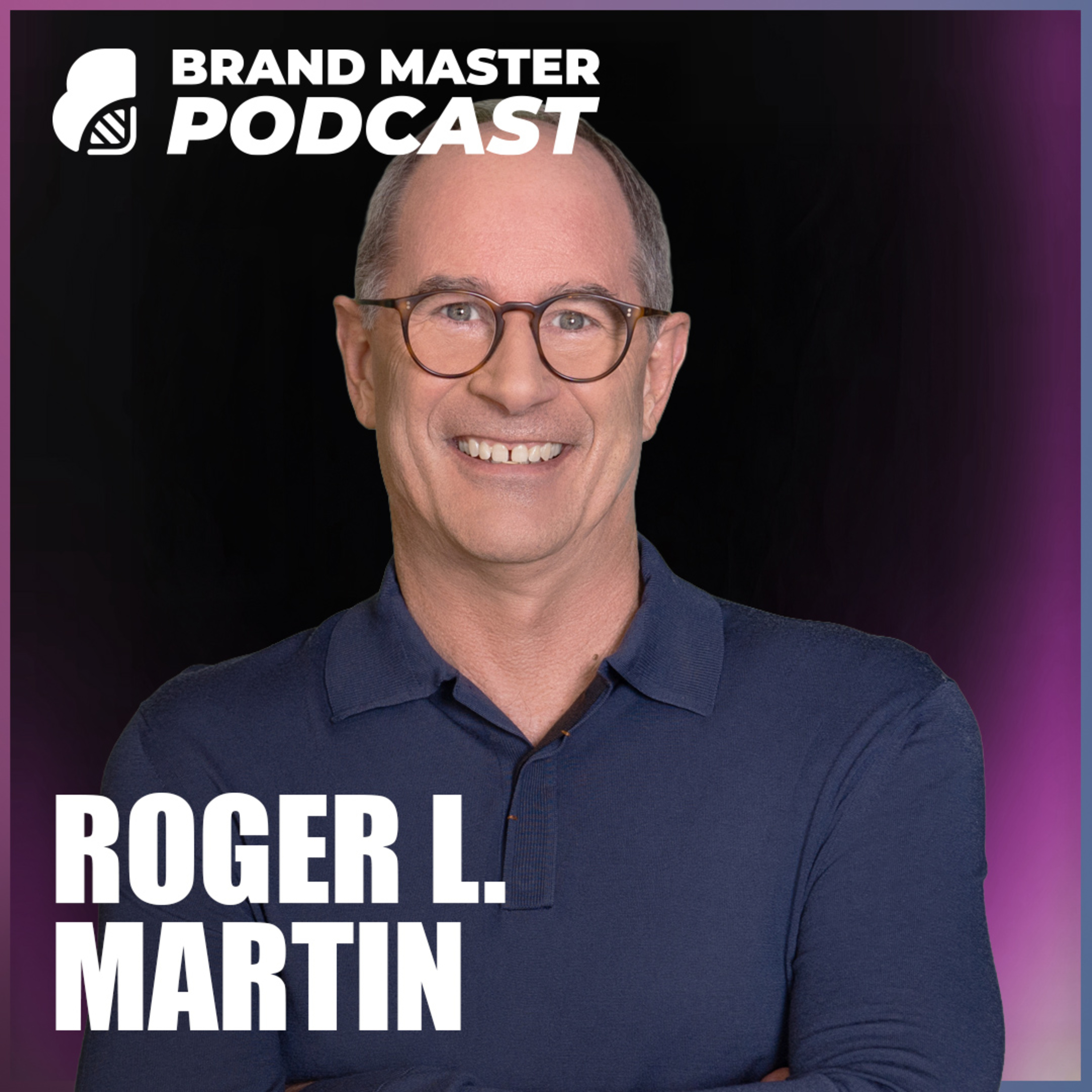

 Brand Master Podcast
13 Oct 2026 · 58m · 26 chapters
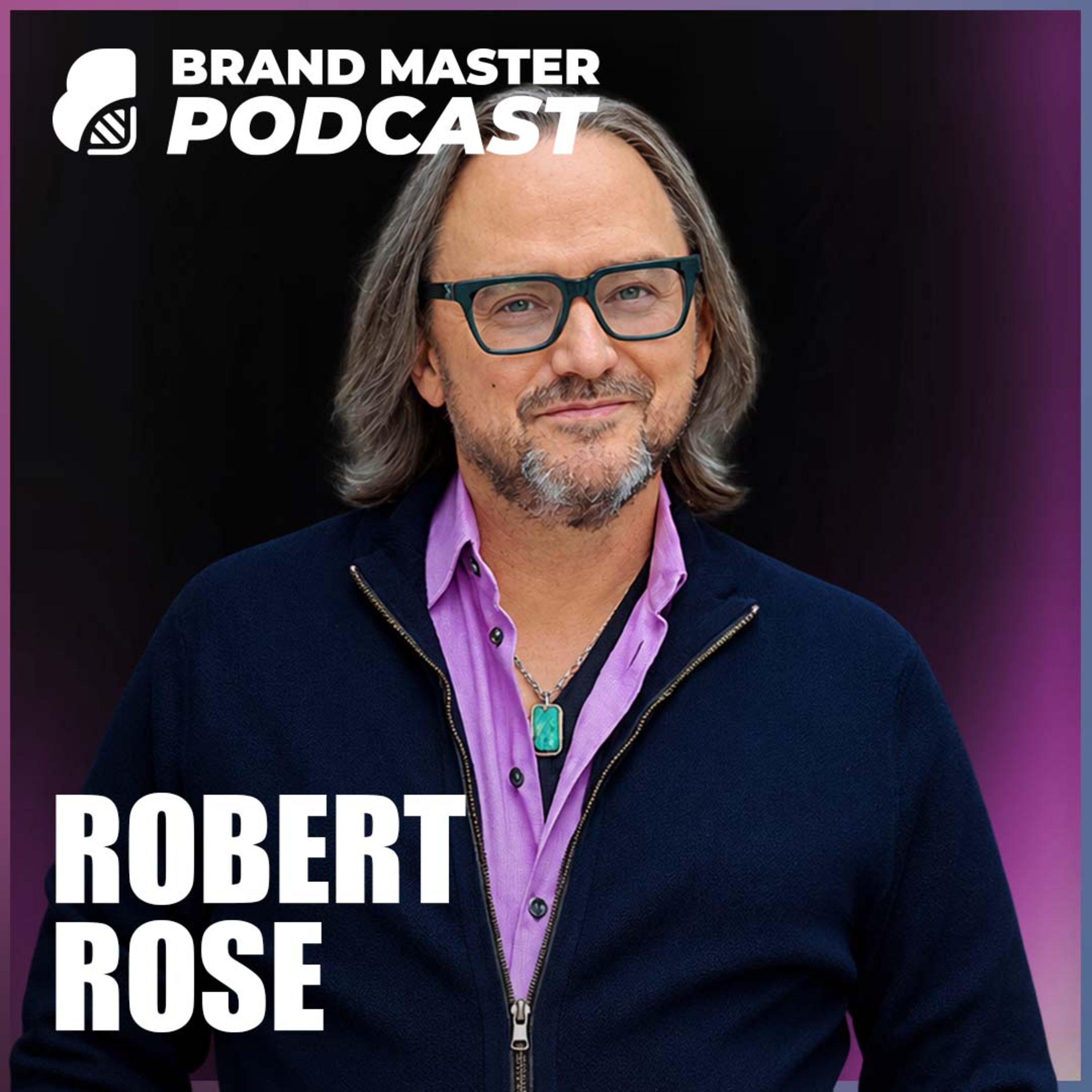
Robert Rose argues that AI should make marketers slower and more deliberate, using “valuable friction” to improve content quality. He says the goal has shifted from being found online to being cited online, because AI systems synthesize and quote brands. He also recommends planting “seed content” (participant, experience-based writing) and distributing it across owned and rented channels to earn discovery and AI citations.
Robert Rose, content marketing veteran (20 years), co-writer of Killing Marketing with Joe Pulizzi, writes a weekly column for the Content Marketing Institute (his content still ranks #1 for “content marketing”), and author of Valuable Friction.
AI-generated content is often “most probable” rather than truly insightful; it can synthesize competitors into generic answers. Unique voice comes from “mileage on your wheels” (experience, wisdom, empathy) through repeated writing practice. Use AI to pressure-test thinking, not to speed past it.
AI can “spew out 14 blog posts before noon”; “participant content” (real meeting experiences) is harder to replicate. He cites the “24-hour rule” for editing and the “skip the intro” Netflix analogy to explain why friction preserves meaning.
Written by AI. May contain mistakes.
Robert Rose reflects on the changes in content marketing since its inception and the impact of AI.
“And we actually, as a culture have basically said, nah, let's just produce more faster.”
Discussion on the shift from being found online to being cited online and the implications of AI.
“But what still remains true today from when you started writing about content?”
Exploration of how content strategy has evolved from focusing on owned media to integrating social channels.
“Yeah, it is quite scary if you think about it, because we all speak about branding, brand strategy, positioning, and that's always been about how to influence how the human feels about your brand.”
Robert discusses the importance of unique personal insights in content creation amidst AI-generated content.
“I used to, I learned a lot from Brian Dean as far as SEO and content marketing was concerned.”
The conversation shifts to how AI changes the way we write and communicate, impacting unique expression.
“Because I don't know about you, but I do believe that there will be a point where everything that AI is spitting out at us starts to kind of influence itself on the way we speak.”
Discussion on the importance of finding and maintaining one's unique voice in the era of AI content.
“I don't like to use the word quietly now.”
Learn how to discover your unique voice and perspective in your writing.
“And there's there are a few more that are just creeping in there.”
Explore how AI influences writing structure and the importance of maintaining your own style.
“I mean, one of the things, I mean, we talked a little bit about AI tells, but one of the other things about AI is actually it's how brilliant it is at sentence structure, right?”
Understand the shifting landscape of content creation and the importance of diverse platforms.
“We don't have to continue on the analogy.”
Learn why embracing friction in the content creation process can enhance quality.
“Or get out and get into a Reddit community.”
Discover the four types of friction you can implement to improve content creation.
“And we actually, as a culture, have basically said, nah, let's just produce more faster, right?”
Explore why introductory music is crucial for setting the mood and emotional context.
“Why are we creating introductory credits?”
Discuss how streaming algorithms have changed the shared viewing experience and discovery of classic films.
“Like, I can totally relate to those intro themes, whether it was Knight Rider or the A-Team or even True Detective or Game of Thrones in more recent years.”
Learn about the concept of 'valuable friction' and how it improves content quality.
“How do we kind of do an audit on the friction that we embed into our processes so that we can deliberately add value?”
Understand the challenges young content creators face when using AI compared to industry veterans.
“I'm producing less work and hopefully creating the same amount or more impact with the work because of it.”
Discover how to meet clients where they are and align strategies with their current capabilities.
“How do you work with clients to kind of help them with your expertise?”
Examine the shift in content strategy focus from container-first to story-first approaches.
“And what does an effective strategy look like today?”
Learn how to shift your approach to content creation by focusing on overall stories rather than just content containers.
“to do, which is to think container first and then content.”
Discover how AI can assist in tailoring content to various platforms while maintaining a human touch.
“you're going to want this content to live.”
Explore the concept of structuring your content like a curriculum to enhance engagement and clarity.
“There's all these things happening with like sort of the collective eye roll that we're having around AI and actual work and marketing and all that kind of stuff.”
Understand the importance of balancing timely topics with evergreen content for sustained relevance.
“And I can have Claude help me write the LinkedIn post that promotes one of the things.”
Learn about the shifting landscape of content marketing where relationships and unique perspectives become key.
“And so, you know, a lot of them, look, there's a lot of my posts that haven't aged well.”
Discover how the future of marketing is driven by unique relationships and individual stories.
“So it means more content marketing than ever, but it means being right-sized in the sense of how many people you can impact at any one time.”
Discover how taking time for deep thinking can enhance your content quality.
“unique angle and put your opinion out there and just, you know, just take that time for deeper thinking, as you said, that's where you find those nuggets of gold.”
Learn where to find more content and resources from Robert Rose.
“more about you robert obviously if if they want to to buy your book uh they can go on to to amazon uh you're you're you've planted so many seeds through your content over the years through Content Marketing Institute.”
Reflect on Robert Rose's contributions to the marketing industry.
“Well, I'll make sure to include that in the show notes and the links as we send this out.”

Get the gist, explore an idea or ask about something said.
 Claude
On Brand Master Podcast, what are the key points of this episode?
Searching your listeningAutomatic transcript. May contain errors.
0:00Robert Rose: In 2009, the goal was be found online. Well, now it's be cited online.
0:04Stephen Houraghan: Robert Rose has been writing about content marketing for 20 years and was the co-writer of Killing Marketing with the one and only Joe Pelluzzi. He writes a weekly column for the Content Marketing Institute where his page still ranks number one for what is content marketing. His new book is called Valuable Friction and he's now telling marketers why AI should be making them slower, not faster.
0:25Robert Rose: AI doesn't really provide your content the way you intend it. AI content can spew out 14 blog posts before noon. It's not average. It's just most probable. AI is this amazing new technology that is quite literally, quite literally inviting us all to slow down. And we actually, as a culture have basically said, nah, let's just produce more faster. What used to take me three or four hours to write a blog post now, you know, now takes me a full day, eight to ten hours. And the reason is...
1:01Stephen Houraghan: Welcome to our little corner of the world here. And I'm looking forward to getting stuck into this with you.
1:09Robert Rose: Oh, well, thank you so much. It's a pleasure to be here. I'm so happy to be here.
1:15Stephen Houraghan: Robert, I want to jump in now. I've been kind of into content marketing for a long time, I would say. I would say it's about 13 years ago now since I read Joe Belize's content marketing. I can't even remember the name of the title now. What was Joe's first book?
1:38Robert Rose: His first book was Get Content, Get Customers, which was 2007.
1:44Stephen Houraghan: Yeah, yeah.
1:45Robert Rose: And then managing content marketing was he and my first book, which was 2011. Right. And then he had another book called Content Inc., which was probably his biggest book. That was the one for small and medium-sized businesses. Yeah. And then he and I wrote a book in 2017 called Killing Marketing.
2:03Stephen Houraghan: Right. So you have been in there, in the trenches, writing about content, doing content, living content for, whoa, a good 20 years now? Pushing on it, is that right?
2:16Robert Rose: Yeah, it's a sad statement of truth.
2:20Stephen Houraghan: So tell me.
2:21Robert Rose: How much gray hair I now have, yes.
2:22Stephen Houraghan: So, yeah, a lot fresher when you started writing about content. So content has, you know, it's taken its toll over the years. But what still remains true today from when you started writing about content? And what has 100 % changed if you think back to all those years ago?
2:47Robert Rose: Yeah, I think it's a great question to open with. And I think there's one for each of those things that I think stands out. The first is the importance of creating what we broadly would call subscribers or an audience, right? So people who are opting into wanting to talk with you or ostensibly really establishing a relationship. So relationships today are arguably more important than ever with everything going on with zero click marketing and with brand and with AI and all of those different things. the goal of creating valuable content to create relationships with an audience, with your buyers, with your existing customers.
3:32Robert Rose: That is something that was really front and center back in 2009 when we really started looking at this as an approach to differentiate. And then the biggest thing that has changed has been, and we arguably over-indexed on owned media back in the day, right? So we used to be pretty puritanical about content marketing, be about your resource center, your blog, your website, your newsletter, your owned media properties. And we're pretty harsh on the idea of rented land of social media and all those different kinds of things. And so today, I think the fundamental change there is how much of your content strategy has to be beyond the bounds of your owned media.
4:17Robert Rose: It has to be op-eds in other places. It has to be, you know, on Slack channels, on Reddit, on social media, you know, and getting that content out there so that it can be, A, discovered in so many different ways. But B, now, and this is such a, it's huge rat hole that, you know, ingested by the AI engine so that you show up and, you know, you're cited and you're, you know, you're quoted and et cetera, et cetera. So if in 2009, the goal was be found online, well, now it's be cited online.
4:48Stephen Houraghan: Yeah, it is quite scary if you think about it, because we all speak about branding, brand strategy, positioning, and that's always been about how to influence how the human feels about your brand. And now it's how to influence what the AI cites about your brand. So it's a big kind of shift that we're having to go through as well. Is there anything that you kind of used to defend hard back in the day that you've kind of had to change your stance on now? I know that you mentioned that point just before, but is there anything else where you used to kind of hang your hat on now? And then with everything coming through from AI, you're kind of like, is that still true today?
5:42Robert Rose: yeah well i think it's i mean it's one that there's a big tension about i think right now which i wouldn't say i'm i don't have a lot of conviction in what i'm about to say because it's still i think a working a working hypothesis which is this you know the value of answer engine optimization you know we were you know the the the early days of google i can remember having the debates about whether we should open our content up to Google or not. And there were real debates about that, about saying, well, they're getting our access to our content for free, and then that just emboldens them to sell us access to our own content.
6:23And so there were
6:25Robert Rose: real debates about whether or not we'd put stuff behind a gate or put it behind a way that Google can get access to it. And in those days, I was pretty hardcore, like, no, no, no, you want to optimize, you want to let that content run free, because you're going to be found, and it's going to be the way that you get discovered through search. And I was a pretty hard line about it. And these days, when we start talking about how AI doesn't really provide your content the way you intend it, right? What it does is it synthesizes it with your competitors and and everybody else out there, and synthesizes it into an answer that you may or may not like, you may or may not agree with.
7:06Robert Rose: And so there is, again, a real interesting argument to say, what block of content, what block of our brand content especially, do we keep separate from the answer engine optimization so that it appears the way we want it to appear? Because we don't get to choose how Google will synthesize it into the answer that lies the top of the search result. We don't get to choose how it's going to be presented in ChatGPT or perplexity, or it's going to synthesize that and rewrite it in a way that we may or may not like. And so there's a real, I think there's a real interesting tension there between what content do we keep private so that we basically present it exactly the way it's going to be presented, but also run the risk of it not being actually found through, you know, through the AI engines.
7:56Stephen Houraghan: Yeah, and I remember that from back in the day. I used to, I learned a lot from Brian Dean as far as SEO and content marketing was concerned. And I couldn't believe the amount of free content he was giving away and the size of his blog posts. They were like mini books. And I couldn't believe how they weren't gated to your point about having that discussion about letting the content out there to AI. So I understand that. And what I was doing back then is I was treating content like, you know, a farmer treats agriculture. You know, I was planting seeds and my belief was that those seeds would grow into a tree and then and then bear fruit.
8:41Stephen Houraghan: You know, not every one of them landed, but as long as you kept planting and kept creating content, then Google would find those articles and then bring in people. Is that kind of concept still true today, do you think? And where do you see the practice of writing blog posts?
9:01Robert Rose: Yeah. I think it's truer than ever, actually. Okay. And this may be my naivete speaking here, but I, you know, and sort of the, you know, old school, but I believe that it's truer than ever. And the reason I think that is because what I can see happening and, you know, whether it turns out this way or not will be very interesting to watch. But what I can see happening is that human, you know, that seed content that you're talking about right which is your take your point of view bringing you the you know the more you year of you right you know to use dr seuss term you know bringing you out and and planting those seeds so that when people find that they know that it's all about your point of view on whatever it is you're writing about that to me will start to be the the the value that you know the scarcity right It will become the vein of gold that you find because everything else becomes sort of a beige wall, right?
10:00Robert Rose: Because AI content can spew out 14 blog posts before noon. And you can basically create as much of this. When I look at AI-generated content, people like to sort of deprecate it and say, well, it's just average, right? It's like, well, it's not average. It's just most probable. And so what's probable in some situations may actually be valuable or interesting or clever or, you know, it can be good. But the point is that it's observational almost always. You know, purely AI-generated content is almost always – it doesn't put you at the center, right? It doesn't put you as a – the difference is what I call participant content, where it's like my experience, what gave me the sweats in the meeting where the senior executive said the quiet thing out loud, where all of those things are happening and it's unmistakably me.
10:50Robert Rose: And focusing that on whether you use it in a blog or a substack or your resource center or just e-books or printed books or a magazine, whatever the mechanism is for you to create that seed content that can ultimately be cited or found, I think that's truer than ever because it creates that vein of gold that will be more scarce than ever and theoretically more valuable should it be found. The key is it sets up that preciousness of the relationship when you get it, right? When you get that viewer, when you get that subscriber, when you get that person that wants more of what it is you have, that relationship is precious.
11:31Robert Rose: And before where it was like, yeah, they can't really find this anywhere else. Yeah, they can now. What we need to do is make sure that once they do subscribe, that we take care of them as we would a customer.
11:40Stephen Houraghan: Do you think that there's an advantage in having created content before the world of AI? Because I don't know about you, but I do believe that there will be a point where everything that AI is spitting out at us starts to kind of influence itself on the way we speak. so i don't know like i i have i have noticed um you know once or twice me using words that i wouldn't normally use and i think i picked that up just by my usage of ai do you think there is an advantage of to to those who were creating content before the world of ai versus those who are learning to create content now yeah i don't know that it's an advantage or a disadvantage
12:28Robert Rose: I would say that it's 100 % it will be different, right? We are, you know, there are all sorts of people out there that talk about this idea of how, you know, we are changing AI's language by the language we use, right? You know, so that speaks to the older content for sure. from the training models going back 10, 20, 30, 40 years, going back all the way to how it uses words like delve and uncomfortable truth and the it's not, it's that framing and m-dashes and all the different things that are sort of tells of AI writing and those kinds of things. And what I think is happening is that you're seeing both a multiplication of that because now we're starting to see that ai is training on itself right it's it's starting to train on its own created content so there will be a recursive sort of compounding effect rated nature of that over time yeah but in addition it is changing the way that we speak right in both omission in other words how you know when you're right now it's like i have so many of my clients for example who are like i don't use m dashes anymore and i'm like well that's just ridiculous You know, I mean, em dashes are perfectly suitable for the right place, but they don't use it anymore because they think it's a tell or they don't say things like uncomfortable truth or they avoid framing things in it.
13:50Robert Rose: It's not this. It's that sort of way.
13:53Stephen Houraghan: Like I'm finding the same. I don't like to use the word quietly now. Yeah. Yeah.
13:58Robert Rose: Yeah.
13:59Stephen Houraghan: It's just the one that's that's start. And there's there are a few more that are just creeping in there. Oh, that landed. Right.
14:06Robert Rose: Yes. Or that hits.
14:09Stephen Houraghan: You mentioned before about the uniqueness of your thinking, and I think you're spot on there because if everything is just a synthesis of everything that's out there, then everybody's just going to sound the same. It's really your own thinking and your own unique experience through your lens that makes content unique. You mentioned before about your thinker's career, you know, the career of you being a thinker and thinking, you know, uniquely for yourself that's different to everybody else. How do you find the kind of secret ingredient that belongs to you and only you? Now, you obviously found it naturally through the work that you were doing.
14:57Stephen Houraghan: do you have a process or do you speak to people about the way that they can find their own
15:02Robert Rose: uniqueness in the way they write you know i think there is no trick to it i i honestly do i think it is i think the only way to do it is to find it right in other words i think the you know like one of the things that i i grew up a writer right i grew up you know and and in my early days i grew up writing plays and screenplays you know it was one of the original reasons i came to los angeles was to be a writer and that worked out about as well as you think it might um and so um and got into marketing because marketing actually paid the bills and so when i when i think about the unique voice it comes down to at least this is my take on it ultimately mileage on your wheels right you know, or what we would broadly call wisdom or experience or empathy, right?
15:55And you can only
15:57Robert Rose: really get there by getting there. And so in other words, you can only, you know, so the more you write, the more you practice, you know, the practice of writing, the practice of creating content is where you find your voice in the world about that thing. Because it's not about just being an expert. It's about being an expert and then having a point of view and being able to bring your particular point of view to whatever that thing is, whatever that, you know, whether it's writing a novel to writing a thesis or for a white paper. And I don't think there's any, I mean, certainly you can look at, you know, the practices of saying, okay, look at your brand, look at your, you know, Joe talks about this in his book, where he talks about finding your tilt, right?
16:42Robert Rose: You know, find the thing that you're passionate about, find the thing that, you know, and there's just a whole, uh, I'll, I'll botch the pronunciation, the Japanese thing, the Ikaiji or I think it's called where you, yeah, where you sort of formulate diagrams.
16:57Stephen Houraghan: Yeah.
16:58Robert Rose: So there's all of those kinds of things, but ultimately I find you just, it's the mileage on your wheels that you, that you start the doing that of the thing and finding your unique place in it.
17:07Stephen Houraghan: Yeah. Yeah. I totally agree. And, um, you know, coming into that's, that's kind of what I, what I was getting at before about having that experience writing before AI unaided to be able to pull out your own thoughts without allowing AI to kind of do that for you. So I think having the pen and paper and kind of exploring what you think about this before hitting the computer and letting AI kind of drift you off in a direction that you might not have gone otherwise is probably...
17:38Robert Rose: And it's not just the words, right? It's the structure. I mean, one of the things, I mean, we talked a little bit about AI tells, but one of the other things about AI is actually it's how brilliant it is at sentence structure, right? Another word, and it's a weird sort of uncanny valley thing that you see when you read a piece of AI content and how perfectly structured as it is in so many ways with the sentence structure and that, and it feels slightly off in its perfection. and and so one of the things about human writing and finding your voice is finding that you know whether you know whether it's your Hemingway or whether it's you know you're you know you know finding your style of the way you write you know you think of the great writers of the past you know whether it's from Dorothy Parker or from you know Hemingway or Steinbeck or you know whoever it is and you go they had a particular cadence and a particular structure to the way they wrote and It wasn't just the words that they used or what they talked about, but it was in the way that they structured their content as well.
18:41Robert Rose: And that's such a huge piece of what it means to actually use AI to help, but also not lose yourself in the process.
18:50Stephen Houraghan: Yeah, yeah. And it kind of reminds me of how much I used to enjoy writing. I really enjoyed writing. Back in 2017, you know, I'd take a good half a day to write a blog post. and there was a real kind of enjoyment out of that. And I don't know why that's kind of left me, but whether it's trying to scale that or to kind of move away from that, but it definitely has changed. But one thing you said before that kind of really interested me that you feel the farming analogy before is truer now than it ever has been. when I think about how I would farm, I would go out there and write blog posts. But SEO, Google, the way it all used to work, keywords, that's all kind of changed.
19:44Stephen Houraghan: If you were, let's say, a modern day farmer now, what would you be planting and where would you be planting it?
19:52Robert Rose: Well, at the risk of getting...
19:57Stephen Houraghan: We don't have to continue on the analogy. I just love it.
20:00Robert Rose: You know, so, you know, there's a, there's a spread your seed joke, but I just, it's like,
20:05Stephen Houraghan: let's not go there.
20:07Robert Rose: I'll say it and just say it out loud. And then it's okay. Now it's out there and it's gone. Um, but the, I think the, the, the real key is, is that the differences, and we talked a little bit about this just a few minutes ago, it's where, where you're, where you're farming. Right. And so we, you know, Joe and I, when we were talking about content marketing in the very early days, again, we over indexed on building your own farm, right? Building, you know, whether it was your blog post or your email newsletter and all those kinds of things. And those are true more than ever. But we are in so many ways, you know, what's I can't remember the term for it, but the, but, you know, we are, you know, we are rental, you know, farmers, right?
20:45Robert Rose: We are renting the land in so many ways. And it's important for us to do that because that's the way we're going to get discovered. so it is more important than ever to do your farming on other people's farmland and whether that's writing guest blogging whether that's guesting on podcasts whether that's getting out and writing an op-ed for the newspaper or your you know your industry journal or wherever it is it's so much more important than ever to create that you know content that's out there and have as part of your strategy and this is a brand strategy ultimately which is thinking about what it is I'm going to put out into the world and make it so interesting that when it gets cited or if it gets cited, people go, I want more of that.
21:32Robert Rose: So they come seek you out, right? Because there's not going to be a link. There's not going to be a click to click over to your blog or to your website. But if they see your name associated with an interesting thought, think about what is that thought and what is that value that makes them go, that's great, but I need more, so that they seek you out in a way that they either search your name or they search your blog or they search you and find you and want to subscribe to what it is you're doing so that you ultimately start to create a net new relationship with a net new audience member because that's still as true as ever as well.
22:07Stephen Houraghan: Yeah, so you're essentially mobilizing your farming, maybe becoming a fractional farming operative or something like that. But yeah, continuing to create the content, but planting it in places where you've got audiences. So maybe write the blog post, but post it on Substack.
22:29Robert Rose: Yes, exactly. Or Medium. Or get out and get into a Reddit community. Or get into a Slack community, whatever your industry is. or find the industry magazine that's doing quite well and has the sort of halo effect of others that you want to be associated with. One of the best reasons to actually write a guest post for some magazine or something like that is not necessarily to get your content in the magazine, but it is to get your name in the sort of bylines with people that you respect and or people that are in your industry that are respected so that you sort of get that drafting, as it were, when people see their name and then they see your name next to it.
23:17Robert Rose: It's like, oh, now I'm equating those people at the same level.
23:20Stephen Houraghan: Yeah, the association, you know, the kind of association juice, let's call it, of... Yeah, and that is ultimately, as you might expect,
23:31Robert Rose: that's ultimately a brand strategy as well, right? To get that halo effect of all of the people that are in your space. Yeah, yeah.
23:37Stephen Houraghan: Now, one thing that I've been kind of speaking about a little bit more, because AI has made everything about efficiency. We can do everything so much quicker. And one thing I've been speaking about more is the value of the process and the friction within the process to kind of install friction so that it's not so easy because there is value in the friction that you go through. And you speak about the four frictions when it comes to content. Do you want to take us through your four frictions? what they mean what was that i wrote a whole book on it yeah that's your that's that's your latest book you've kind of gone in the in the opposite direction there and you're you're talking about those four frictions so heat it up without even thinking it up it's like you know you just like
24:26Robert Rose: feed it up and i'll knock it down i'm a pro yeah and the reason the reason i wrote it was simply because I was lamenting the fact that AI is this amazing new technology that is quite literally, quite literally inviting us all to slow down, think more deeply, pressure test more rigorously, and really get into more qualitative thought before we actually publish. And we actually, as a culture, have basically said, nah, let's just produce more faster, right? So it's this very weird tension that exists right now. And so the four frictions that I that I point out in the book are, you know, sort of inviting us to install more friction in our lives.
25:10Robert Rose: And it's a great I love the way you phrase that, because that's the perfect way to think about it, which is one strategic friction, which is instead of the knee jerk reaction, you know, you know, the classic, you know, knee jerk reaction, make a move, go faster, go faster. And so many businesses have gotten wrapped around the axle of just move faster and more efficient you know ship it you know fail fast you know move fast and break things you know all those kinds of you know sort of hustle culture idea around strategy and it's like no no the you know first mover advantage isn't always the best advantage and sort of you know taking a beat to say is moving faster here better that's a basically installing strategic friction then there's emotional friction which is or relational friction if you if you like that better which is how how quickly we have moved in the relationships and you know there's whole books written on this about the loneliness of social media and how we have really short changed and text messaging versus phone calls and we've really lost a lot of the depth of our relationships because of technology and the removal of friction from you know even down to the point of when we ask people how they are we don't really want an answer to how how how are you What we want is I'm fine so that we can move on to whatever our agenda is.
26:25Robert Rose: And so inserting relational friction can be very valuable to establishing deeper and better friendships, relationships, et cetera. Then there's operational friction, which is basically looking at the ways that we're moving through life, operating in our businesses, et cetera, and saying, is it always great to just immediately ship the thing because we think it's ready and just operationally just get it out the door? instead of taking a time to take a beat, right? The classic one with writing is what I call the, you know, I don't call it, it's a famous thing, the 24-hour rule, right? Before you actually hit publish on the thing, let it sit overnight and then come back to it and read it.
27:05Robert Rose: Is it still good? Are there typos? Are there, you know, all of those kinds of things to introduce operational friction. And then the last is what we might call body or physical sort of friction. In other words, it's not always the best thing for our bodies to go through and basically have, you know, this idea of moving fast through things because moving quickly, you know, through things isn't always the best things for our mind, our body, our soul, etc. And the example I use, which is, and this is sort of encapsulates all of it, is this, you know, and it's the most banal example, but it's perfectly in its banality, which is the idea of skipping the intro.
27:45Robert Rose: And I use that example, right? Skipping the intro to Netflix or whatever television show you're watching, pre-2017, that didn't exist, right? That button didn't exist. And so in 2024 or 2025, 2026, when you say, okay, why are we still creating music for shows? Why are we creating introductory credits? When everybody skips the intro button, why do the showrunners and the producers still create all this wonderful stuff, little Easter eggs in the music about what the episode is going to be about? And it's because and I've asked them living here in Los Angeles because they think it's part of the art part of the art part of the content part of the experience of that is the introduction it gets you in the mood it lets you get a you know a cookie before the show starts it lets you prepare for the emotional intensity or lack thereof in the episode so they think it's important and so by skipping the intro all the time, we lose a little something.
28:45Robert Rose: And so it might be meaningless, ultimately, in your life, the fact that you're skipping the intro button. But I think back to my childhood, and I go, all of the songs in my head, television shows and movies where the songs are so ingrained that they actually tie to a cultural moment of emotion for me, right? When I hear the opening, you know, music for Star Trek, for example, because I'm a huge Star Trek fan you know i hear star trek opening music i feel a certain way and it brings me back not to just the show but it brings me back to a part of my childhood and skipping the intro is going to lose a whole generation of that yeah and so again that's a banal example but think of all the other things where we've basically moved to a ui and ux of the world that removes all sense of friction and we are losing something in our physicals you know in our physical nature and and i think that's a shame And so installing friction, I think, just can't be more valuable right now.
29:39Stephen Houraghan: Yeah, yeah. Like, I can totally relate to those intro themes, whether it was Knight Rider or the A-Team or even True Detective or Game of Thrones in more recent years. And yeah, you're right. We kind of, we lose that. And then also people watching shows at the same time. I mean, you know, back in the day when Friends was on every Monday night, everybody watched it and then talked about it in school the next day. And now at Netflix, they watch it at different times. So that's another kind of thing that's being stripped out of this, you know, relational, you know, moment that's gone, that doesn't exist anymore.
30:18So, yeah, there's talking with somebody yesterday about how what the algorithm has done on streaming media is really we've lost discovery.
30:29Robert Rose: So the younger generation will never discover Gone with the Wind or Casablanca or those old great 40s noir movies or the great Doris Day movies from the 50s and Rock Hudson and all these fun, amazing, wonderful movies. they'll never find them because they'll never be recommended because they're just not part of the
30:50Stephen Houraghan: algorithm yeah yeah and look i mean the the the friction point that that you read and for for anybody that doesn't know the name of the book is valuable friction had to deliberately stand out in a world obsessed with speed which it 100 is um in terms of those different levels of friction for somebody who is kind of building their own let's say consultancy or or or business and they they they kind of see the the threat of ai first uh you know uh you know quick easy fast how can we kind of take those individual uh frictions and embed them into our processes where do we need to be looking at and can we install every single one of them whether it's strategic emotional operational, physical?
31:41Stephen Houraghan: How do we kind of do an audit on the friction that we embed into our processes so that we can deliberately add value? Yeah.
31:50Robert Rose: I'll give you an example, but just as a clarification, one of the things that I want to make sure to do is to say that the book and the four frictions are meant as questions, not answers, right? So they are, in other words, they are, it is, and the whole, it's a meta sort of thing, which is, it is about taking the pause to ask if it's going to be good, not necessarily whether it's good or not. In other words, skipping the intro button might be great for you, but not thinking about it, being unconscious about it is the problem. So if you're consciously doing it because you're fine to lose that thing, great, make those decisions, but consciously make those decisions.
32:29Robert Rose: That's the whole point, right is that you're consciously making decisions about where to pause where to pivot etc i always use the the the the analogy and i and i talk about it in the book of it's it's the difference between speed and agility right feed means removing friction to the point where you smooth things down so you know so much that you lose the friction so that you can go faster and faster agility is being able to pivot it's the you know so and we just finished the the you know go nicks here, you know, the Knicks won the world championship here. And so, you know, when a great tennis match or a great basketball game is being played by how much you hear the squeak of the shoe.
33:09Robert Rose: And I always think, what's the squeak of the shoe in my business, right? What's where am I changing direction quickly? And what's the squeak of the shoe? And so, and the example that I'll give you is for my own business is creating content. That's pretty much the operational part of my business these days as a consultant is creating content whether i'm creating content for a client or i'm creating content for content marketing or i'm creating content as part of a paid program of you know getting something out there i'm creating content and what i have found is is that using ai for example what used to take me three or four hours to write a blog post now you know now takes me a full day eight to ten hours and the reason is is because i'm using ai and tools to slow my process down, pressure test, give all the, you know, look at all the arguments, make sure my thesis stands up, make sure that it's not just a stupid hot take, make sure that I've got evidence behind it and that I can really pressure test and use AI to pressure test my thinking before I commit one word to, you know, Microsoft Word.
34:12Robert Rose: And so that process now takes me much longer, but I'm so much prouder and I'm so much more happy with the work and I'm producing less of it. I'm producing less work and hopefully creating the same amount or more impact with the work because of it. And so that's purposely introducing a friction that is slowing me down in many ways, but more importantly, helping me change direction as I want to or need to in order to get to the destination that I want to get to without reducing, you know, without only defaulting to speed.
34:46Stephen Houraghan: Yeah, I mean, I really like that. And, you know, that's something that I feel that it will be a hard pill to swallow. It will be a hard thing to sell to other people. The idea that, yeah, AI is there, but use it better and take longer to create content that is ultimately better. I would imagine a lot of people that you come across are looking for hacks or ways to use it quicker, but to get better content out of it rather than to kind of slow down. Now, I've just recently –
35:23Robert Rose: I'll tell you this. There's an unfair advantage that we have, right? Which is – and this is just – this is neither a judgment nor a proclamation. it's just sort of is what is is that young people have already very much a disadvantage with ai tools than older people or industry veterans right the ai is a tool for a writer for someone who has written for years and years and knows what good looks like is a much more powerful tool than it is for a young person who doesn't have the farmland and doesn't have the experience with the farmland to try and do so it's it's an unfair advantage right now and i and i'm and i'm i i'm so empathetic for young people these days in terms of what they have to deal with with a challenging job market and a challenging yeah constant environment and ecosystem and it's much more difficult for them than it is for any of us who've been doing this for years and years yeah and that kind of points
36:18Stephen Houraghan: to the to the uh to the thing that i said earlier about kind of coming in with your with your with your scrapes and and you know your uh you know skin in the knees haven't done this before ai was here because you know you've had the advantage of of of kind of learning how to do it and and to think and then to use ai as a tool to help you rather than the the the crutch to kind of uh to kind of walk with um i've recently learned that you are now a consultant as well as an author which is what a lot of people kind of think of you as. When you approach your clients, you approach your clients from a point of view of understanding their market, understanding the resources at their disposal, and then kind of working out a strategy that's very specific for them.
37:13Stephen Houraghan: How do you work with clients to kind of help them with your expertise?
37:18Robert Rose: Well, you just outlined it very well, which is exactly how I try and do it, right? The most important thing there that I do is, and this is such an interesting relationship with the way that we, all of us, have relationships with consultants or the way that consultants have relationship with clients, which is the strategy that they can do versus the strategy that they will do. In other words, you think about a consultant going in, this works for agencies as well, What does the agency say to the client? The client says, we want the best strategy that you can give us. And the consultant's like, yes, I'm going to give you the best strategy you're going to get, right?
37:58Robert Rose: And then we start down the process. And ultimately, what happens? Well, the consultancy or the agency discovers you're not ready for the best strategy. You're not ready for even the B-level strategy. what your team is ready for what you're ready for is something around b or c level strategy and so i'm going to give you that of course we don't do that what we do is we typically overwhelm them with a and say basically good luck because that's the best strategy that's the optimal strategy and that's what you should do and so the and the client gets overwhelmed and goes the the consultant didn't get us right the agency didn't understand us they didn't get what we really are about and so everybody blames each other and it ends up being a bad thing and so what I try and do is understand where they are and meet them where they are and understand that, you know, and tell them out loud, say, listen, there is, this is what you should could or could be doing, but I know you're not going to.
38:58Robert Rose: I know because you either don't want to, you know, as a business owner or as a CMO or as a team or whatever it is I'm consulting, or so here's what you, A, should do because of your current capabilities and what you should build toward. In other words, what you should think about building toward and B, here's what you want to do. Because what I've discovered over my 20 years of doing this is that if you recommend doing something to a client and they don't want to do it, it doesn't matter how good it is. They're not going to do it. You recommend to a business owner or to a CMO, hey, you should start blogging tomorrow.
39:35Robert Rose: You should start writing tomorrow and they don't want to do that it doesn't matter how how important you think it is they're just not going to do it they just won't they won't commit to it and so it's finding it's really the the key is what i've just discovered is is that it's meeting clients where they are and giving them the roadmap to get where they want to be but do it in a way that they want to do it that they that that it that it enables them to not only can be able to do it but to want
40:02Stephen Houraghan: to be able to do it yeah yeah there's there's so many um similarities in the things that you're saying with uh you know how you deal with your clients and what we see on the strategies the the brand strategy side of things as well uh you know handing over that strategy to a client and expecting them to walk away and kind of implement it that's uh it's it's it's wishful thinking at times and um yeah it's it's it's really interesting to hear you say the same thing on the on the content side of things um because the ceo said i want it blue and you're like it shouldn't be blue and they're like no no it's going to be blue and you're like okay ah yeah we we could we could sit here all day and talk about client stories they're some of the funniest stories we can uh we we can talk about but in terms of content strategy and i i want to kind of um uh raise the the point to to the guys sitting on the sidelines there if you do have questions kind of think about them i might hand it over um if if you've got one to to kind of put your hand up um but i want to understand your perspective on an effective content strategy in 2026 because an effective content strategy in 2026 is vastly different to what it was even in 2023 um so so So what are the things that are kind of more prevalent now, more important now, and less important than they were, let's say, three years ago?
41:32Stephen Houraghan: And what does an effective strategy look like today? Obviously, every client is different, but just generally speaking, where should we be looking towards?
41:42Robert Rose: So I'll give you two perspectives on this, which is one, and I've been doing this with my clients. And it's, and it's, and it's a little bit like giving them medicine because they don't want to do it, which is, it's this idea of getting out from behind, which we were classically trained to do, which is to think container first and then content. In other words, how do we start content 10 years ago, 10 to five years ago, maybe even now, the way we started content was I need an ebook i need a blog post i need an op-ed article i want an article in the wall street journal i want you know a ad i need an email you know so we think container first and then we go great we have a container now what are we going to fill it full of and so and then we start thinking about whatever story we're going to create or whatever thing so we our content calendar becomes sort of our editorial or content strategy becomes here are all the containers we're going to create and then then we need to think about all the stories that we're going to fill those containers with And that is what gets us overwhelmed, right?
42:47Robert Rose: Because we're continually reinventing the wheel there to say, oh, well, we already talked about this here, so we need to talk about something else there. And it becomes this sort of mishmash. And so it's first of all, reversing that thinking, thinking about what's the content, what's the overall story. Maybe it's a theme for the quarter. Maybe it's a theme for the month. Maybe it's a theme for the year, whatever that right is to you. writing that, creating that, whether you call it a manifesto, whether you call it a book, whether you call it, you know, four chapters in a theme or four pillars or, you know, whatever makes metaphor makes the best sense for you, create it, create the, you know, as the TV show, people would call it a show Bible, right?
43:26Robert Rose: Create a show Bible for this thing that you're going to create, the story that you want to create. Then immediately, and this is the second recommendation, distribution comes right up front as part of the strategy. Distribution was often the last thing we thought about. Distribution, like where are we going to distribute? Where are we going to promote it? Where are we going to put it? You know, where are we going to put all this, you know, wonderful snippets, social media? You move distribution right up front to saying, okay, now we have this big story. How are we going to distribute it? And what are all the containers that we'll need to distribute it?
43:56Robert Rose: That becomes your content strategy over the next quarter, the next six months, et cetera, et cetera. Because now what you're doing is you're telling one consistent thing across multiple channels. It gives you way more room to run in terms of scaling. If you're a single practitioner all the way to you're a small team, gives you way more room to run for scalability. And it just helps you think about all the other places other than your blog that you're going to want this content to live.
44:22Stephen Houraghan: Yeah. So that kind of moves the containers to the other side of the distribution channels where, yeah, we would create the containers up front and then use distribution channels kind of like delivery vans to kind of take the pre-existing parcels. Yeah, so I like that. I think that's quite an interesting way to look at it. When you know what your distribution channels are, then you create the containers to fit those platforms in the way that they should.
44:51Robert Rose: And because you've got your manifesto, you can immediately do that very easily. And that's where, by the way, AI can be extremely helpful because you've created your human manifesto, your take, the things that you are uniquely you. And then what you're using AI to do is to help you retrofit it into the containers that need, the LinkedIn post, yeah, it needs to be 150 or 200 words, right? So it is helping you to retrofit and or apply that human generated story to the container that needs to be put in.
45:25Stephen Houraghan: okay so so talk to me a little bit more about themes manifestos because if I think of a theme we could kind of think about you know a show has different seasons and you know this season we're gonna focus on on this manifesto and we're going to just we're gonna have our distribution channels and then we're going to create containers do we take the manifesto and then break it down into meaningful questions that people might have in and around this? Or how can we dissect this and then mobilize it?
45:59Robert Rose: Yeah. Think of it like this. Think of it, you know, the metaphors that I like to think of it as is a curriculum is a great way to think of it, right? So if you were teaching a class, what would the eight parts of the class, what would the curriculum be of this class? Not just one module, but basically what would the entire curriculum look like? Or if it's a season, what would the episodes, you know, what would the entire arc of the season look like? And you can change that into episodes. If it's a pillar around, you know, a new approach to a market, you know, what would the different elements look like?
46:31Robert Rose: You know, whatever metaphor works best in your brain. And I'll give you an example. I, for, I have, I create 12 pillars every year for, so I have a weekly article that I do for Content Marketing institute every it's called rose colored glasses and it and basically it's a weekly op-ed basically that i create between 1500 and 2000 words okay so what i do every month and i do it the two months previous i'll create whatever my arc is going to be for june right so for example in march i created what i was going to write about in june and i created a manifesto for that and i called it in this particular case this is a real example i called it the june reckoning right and what i wanted to write about was the complete arc of what I can see now, the collective eye roll that the culture is having on AI and how we're pressing against it and commencement speeches, you know, speakers are getting booed because of AI and, you know, there's, but there's the ROI from the CFO is actually isn't happening.
47:28Robert Rose: There's all these things happening with like sort of the collective eye roll that we're having around AI and actual work and marketing and all that kind of stuff. And I wanted to tell that story, right? Because I thought, I think June, my point of view on this was I think June is sort of the pivot month for this happening. And I think, so I wanted to write everything that was going, sort of kind of like a research paper I was thinking of it like. And so, you know, about why I thought June was sort of the pivot month and blah, blah, blah. I wrote that whole thing out. It ended up being like 5 ,000 or 6 ,000 words ultimately.
48:00Robert Rose: Never intending it to be anybody, anybody read, right? It's just me vomiting up, you know, my ideas, my thoughts, research that I would go out and find, data points, you know all the sort of stuff completely unorganized then what i do is i use ai to pressure test all those theories everything like that and make it as strong as i can as strong an argument as i can then my four weekly posts they wrote themselves basically right you know another i just go in there and i go oh yeah they're okay there that's a post right boom and i can write you know i can write my 900 or 1500 words you know in in a couple three hours and sometimes there's back and forth.
48:37Robert Rose: It's like when I just, when I write one of the posts, it's like, oh, it comes back and gets part of the, you know, becomes part of the sort of Bible, if you will. But basically that's the way I think about it. So writing those four posts every week stopped becoming such a headache for me because I can use this thing. And then what happens is because I wrote the post and because I have the Bible, well, now I can very easily have Claude help me write a script for my YouTube video. And I can have Claude help me write the LinkedIn post that promotes one of the things. And I can have Claude help me write, you know, Twitter or X posts that sort of promote the article and so on and so forth to help me recreate the content that I need to create at the sort of scale I need to create it.
49:17Stephen Houraghan: Right. So I really love that. So do you do that on a monthly basis? I do. Yeah. Wow. Right. So the process then is your manifesto, your kind of big idea, the posts write themselves from there, the smaller pieces of content write themselves from there as well. How do you handle variety when it comes to that? Because the idea would be that, well, if I write this piece of content, then my content for the whole month is all going to sound the same, isn't it? That's the kind of pushback I would imagine that you get. It actually helps that problem, right?
49:53Robert Rose: Right. In other words, it's the same concept. I'm a huge outliner when I write a book, right? So I have my three by five note cards and I stick them on a wall and I outline. I'm a big outliner. I love outlines.
50:07Stephen Houraghan: And so the outline of that, if I work two or three months ahead of schedule, right, I can see, is that repeating or is that not repeating or is that a fresh idea, et cetera, et cetera?
50:18Robert Rose: and having two or three in the can that are sort of more evergreen type topics allows me to do like the june thing i didn't really realize until basically call it late march and into early april right and so i was like oh june i think june is going to be it so it allowed me to be topical in other words i already had two others in the can ready to go right if i wanted to but because I basically took the, had two in the can, I could take the moment of the zeitgeist of what was going on with AI and sort of say, I'm going to write one now for June that's going to be a little different, right? That's very topical and covers more of the news, if you will.
51:02And so now it does
51:04Robert Rose: actually remove you a little bit from being topical all the time. And so if your whole content strategy is to be like covering the daily news or covering, you know, becoming more of a journalist that's covering the daily happenings, that model may not be as, you know, helpful for you, right? It's more covering sort of a thought leadership and or story that you want to create for your content marketing than it is sort of a journalistic, I need to cover today's news, etc. So for example, our podcast, my Joe and I, we have a podcast, it's all news, right? And there's no manifesto for that right there we just you know just chew the fact you have a news cycle
51:46Stephen Houraghan: that we cover every week yeah yeah yeah yeah um look that's that's uh i mean if if obviously you you've you've got to juggle whether or not you're going to be topical talk about the news and and the longevity of the content as well evergreen content on topics that are still going to be relevant in three four five years that's the hope what was that that's the hope right
52:09Robert Rose: That's the hope, yeah. That they are evergreen. And so, you know, a lot of them, look, there's a lot of my posts that haven't aged well. You know what I mean? Let's be really clear. I got a lot out there that hasn't aged particularly well. But, you know, I can go delete those things too.
52:24Stephen Houraghan: Yeah, yeah, yeah. Yeah, absolutely. Yeah, no, like if you're able to hit an evergreen and it stays evergreen, I probably mentioned this a few times on here before. I wrote a piece about brand archetypes, like back in 2017. and it's still top of the SERPs today because it got so many backlinks. But then, you know, how many car crashes did I write that didn't go anywhere, you know? So it is - And you're definitely scared to change it, right?
52:53Robert Rose: You know, because we have one of those at Content Marketing Institute, the, you know, we still rank number one for what is content marketing and it's still up there. Yeah.
53:01Stephen Houraghan: We've changed it a little bit over the years,
53:03Robert Rose: but we're definitely afraid to touch it. Yeah, yeah, yeah.
53:05Stephen Houraghan: Don't go there. leave it with warts and all it's bringing in that traffic and that's what you want um i'm i'm i'm not going to keep you too much longer but in terms of where we are today just kind of your passing um you know your your kind of final thoughts about where we're going with content marketing and you know if if if people had been kind of whether whether they were thinking about putting together content marketing strategy or have been creating content marketing for years and they're kind of fatigued a little bit by it now because i know that i've experienced that myself um what would you kind of look towards as the shining light for content marketing in the coming years as we kind of accept that this world of ai is is only going to get kind of bigger and and more kind of imposed on our lives?
54:01Robert Rose: Yeah. So you may get my, this is my Don Quixote sort of tilting at windmills moment, right? So it's, what I believe is, is that people, relationships, and uniqueness will be the scarcity of the future, right? So in other words, your unique take on particular things, your stories, your human experiences are the things that people will value in the future. And all of it is about relationships. And so I think the leaders of tomorrow, whether they are thought leaders, political leaders, church leaders, et cetera, the leaders of tomorrow from a brand perspective gets less about an asymmetry of information, which it has been for decades, right?
54:46Robert Rose: The idea of a leader was I had more information or different information than you have. Therefore, I can parse it out and hopefully I'm charismatic in the way that I do it so that I give you information that you didn't have before and you follow me because of that. I think the leaders of tomorrow have an asymmetry of relationships. And so it may be that your scarcity of relationships enables you to have a relationship with 100 people or 150 people. And so this whole idea of being a little bit famous becomes even more important. Like a little bit famous may mean a relationship with 200 people that basically help you create the career you want to create, help you create the life you want to create, the ecosystem you want to create.
55:27Robert Rose: But it's the deepening parts of those relationships that will be differentiating and that will really set you apart as a business, as a brand, and as a human going forward. And I truly believe that. So it means more content marketing than ever, but it means being right-sized in the sense of how many people you can impact at any one time.
55:49Stephen Houraghan: Yeah, beautiful. I think, you know, as we move forward with the world of AI and content marketing, as you said, you know, if you're able to find your unique angle and put your opinion out there and just, you know, just take that time for deeper thinking, as you said, that's where you find those nuggets of gold. And I really love your uh your golden nugget there of of monthly manifestos because it kind of forces that deep thinking and then it just kind of gives you the content for for days and weeks so i think that's a that's definitely a nugget uh for for people to take away um where can people find more about you robert obviously if if they want to to buy your book uh they can go on to to amazon uh you're you're you've planted so many seeds through your content over the years through Content Marketing Institute.
56:45Stephen Houraghan: But where's your focal point at the moment for people to go and get your regular kind of hit of Robert Rose? You could go on.
56:53Robert Rose: I'm on LinkedIn. I would love to connect with everybody on LinkedIn. That would be totally fun. And beyond that, my website, my company website is 7thbear.com.
57:04Stephen Houraghan: 7thbear.com. Well, I'll make sure to include that in the show notes and the links as we send this out. Robert, it's been an absolute pleasure. thank you so much for for your time and for for sharing your your wisdom and for all your content over the years i'm sure i've read more of your content than i know um because you've had a you've had a big impact on on the industry um and i'm sure you'll continue to do so thank you so much thanks robert we really hope you enjoyed today's episode thanks so much for listening if you want to learn more brand strategy techniques to level up your skills make sure you check out brandmasteracademy.com there's plenty of free resources and premium content for you to download and get you going if you enjoyed this content please be sure to give us an honest review on itunes stitcher or wherever you listened and make sure you tune in for the next episode of the brand master podcast
AI makes it easier than ever to create more content, faster. But is speed actually making your content better? In this episode, Stephen Houraghan sits down with content marketing expert Robert Rose to explore why slowing down with AI, developing your unique perspective, and embracing valuable friction could be the key to creating content that truly stands out.
You’ll learn: