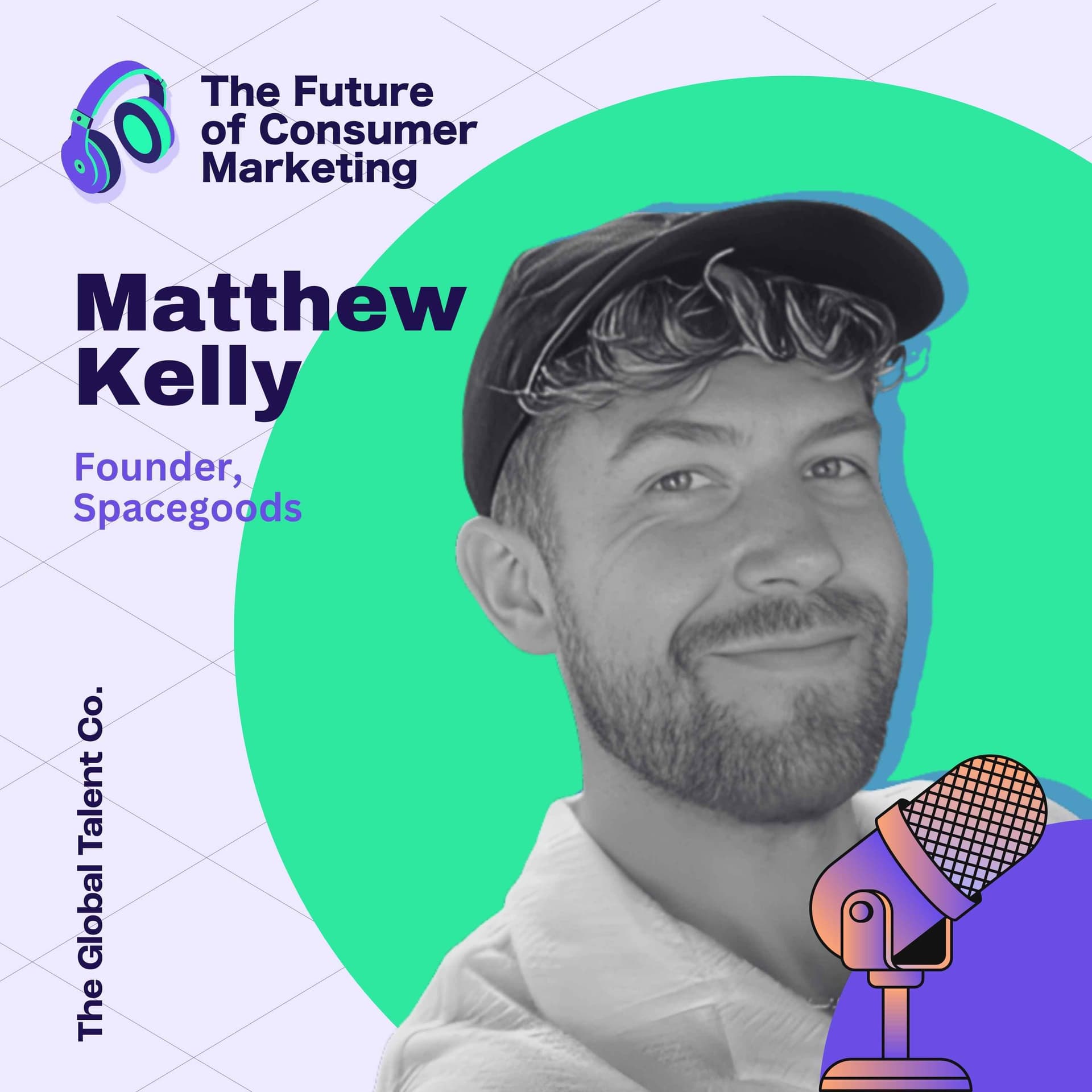
In short
Founder vs investor/board instincts; how to keep founder “instinct” when raising venture money and dealing with board advice, plus Space Goods’ fundraising and brand lessons.
Guests
Matt (Bali-based UK founder). Background: started e-commerce in 2015 (Shopify), drop-shipped in 2016, built clothing brands (Dusk; Midnight City) and a neon signs business (Neon Beach) to ~£10M revenue in 2020; Neon Beach collapsed in 2020–21 due to supplier bankruptcy, payment processor shutdowns, and insolvent prepack administration, including personally guaranteed debt. Later founded Space Goods (functional mushroom routine beverages), launched Rainbow Dust (mushroom coffee) in Apr 2022; raised friends’ money then venture; now market leader in UK mushrooms.
Key claims
Don’t treat investors as always knowing more; valuation matters less than terms; highest-price rounds aren’t best; founders must retain decision-making. Board advice can be ignored when it conflicts with strategy/product judgment.
Notable examples
Neon Beach’s TV Love Island campaign; supplier bankruptcy; Stripe/PayPal shutdowns; board/investor permission mindset; brand messaging shift from psychedelics to “coffee plus.”
Written by AI. May contain mistakes. Listen to the episode to check what was said.
Chapters
Tap a time to open that second in VOMav's Nomadic Lifestyle
0:45 to 2:32
Mav shares his experiences living a nomadic lifestyle while working.
“I just don't do, I don't really do holidays.”
Journey into E-Commerce
2:32 to 5:29
Mav discusses his entry into e-commerce and early ventures.
“And it also starts to get to the point where I almost don't remember the start because it is quite a while ago now.”
Building Brands and Initial Success
5:29 to 8:08
Mav recounts his initial successes and challenges in building brands.
“bit later yeah basically start drop shipping rick jeans this became like my first i guess semi proper brand and we ended up buying stock and making it into a proper brand that was called dusk.”
The Fall of Neon Beach
8:08 to 12:42
Mav shares the struggles and challenges faced with his business Neon Beach.
“I just fucking spent it on like renting cars and staying in nice hotels and shit, which I actually don't regret in many ways.”
Mental Health and Recovery
12:42 to 14:00
Mav discusses the impact of his business struggles on his mental health and recovery.
“So I ended up ultimately losing a good business along with a bad one because of how I'd structured things, which was very cheap.”
The Journey of a Founder
14:00 to 17:20
Learn about the founder's challenges and motivations behind starting their business.
“of what led me to actually raising money in the future.”
Building a Brand and Product
17:20 to 20:24
Discover how the founder developed their brand identity and product offerings.
“And that's a category that doesn't really exist.”
From Paranoia to Purpose
20:24 to 24:28
Explore the founder's shift in motivation from materialism to a mission-driven approach.
“Like, I went through that phase that a lot of people probably won't admit, but I definitely will admit.”
Resilience in Entrepreneurship
24:28 to 28:00
Understand the resilience required to overcome setbacks and succeed as a founder.
The Anxiety of Fundraising
28:00 to 29:40
Explore the constant anxiety founders face when raising funds and managing cash flow.
“But like those two years where I did everything and you're pitching to investors all the time.”
Show all 17 chapters
Misconceptions About Investors
29:40 to 32:25
Discuss common misconceptions founders have about investors and the importance of founder instincts.
“So I think getting that right is important.”
Creating a Unique Brand Identity
32:25 to 34:18
Learn how to create a unique brand identity and the pitfalls of hiring branding agencies.
“back to the valuation point, I think terms are far more important than valuation.”
Evolving Brand Strategy and Target Audience
34:18 to 39:53
Discover how to evolve a brand's strategy and the importance of understanding your target audience.
“I probably learned the most in many ways.”
Changes in Online Marketing Strategies
39:53 to 42:00
Examine how online marketing strategies have evolved and what it takes to succeed now.
Navigating Marketing Complexity
42:00 to 42:38
Learn about the importance of focusing on core marketing channels rather than spreading too thin.
“pretty big in Europe, across mainland Europe, it's like 25 % of revenue.”
Vision for Future Business Success
42:39 to 44:30
Discover the long-term vision for building a profitable, category-leading brand.
“I mean, you mentioned starting the company at some point in time is in the cards, but apart from that, what would success with the brand mean for you?”
Creating a Unique Brand Identity
44:31 to 45:44
Understand the need for brands to differentiate themselves in a crowded market.
“And I think a lot of supplement brands, especially in America, have just gone down the very hardcore, like problem solution, problem solution, this tire does X, but there's like no emotion to it.”
Transcript
Automatic transcript. May contain errors.0:00This show is brought to you by the Global Talent Co, a marketing leader's best friend in these times of budget cuts and efficient growth. We help marketing leaders find, hire, vet, and manage amazing marketing talent for 50 to 70 % less than their U.S. and European counterparts. To book a free consultation, visit globaltalent.co. Hi, everyone, and thanks for listening to the Future of Consumer Marketing. today with Mav Kelly, Bano Space Goods, a company that raised more than£6 million. And Matt, you're joining me from Bali today, right? Yeah, I feel like I gave away some of the good shit before we even started recording.
0:37But yeah, currently in Bali, I've always been semi-nomadic. I'm here every year. So I come here, ironically, everyone says I should be having a holiday in my team, but I just don't do, I don't really do holidays. I'm just sat in a villa working with four other founders, which tends to be where I find myself. Time zone is a bit annoying when you run a UK business, being seven hours ahead. but the weather's been beautiful so i'm finally losing a bit of weight and looking more tanned so yeah so what's the magic of bali for you like why do you keep returning there it's actually funny because bali's not the first place i probably ever came when i started doing like the e-com thing years ago that would have been 2018 that's not my side that's like the first place i came and i kind of lived that nomadic lifestyle and it was a bit magical at the time i was like 21 22 back then the fucking golden age when i was just drop shipping any old ships in China.
1:22So yeah, I guess it's kind of one of the first places that came, met a lot of founders. I've always thought it's quite a cool environment to just lock in. Everything's super convenient, great gyms, generally good weather this time of year. I think it gets a lot of hate. It's quite a controversial place now. And I would kind of, I see why, because often I get like barley belly, like I was super sick last week for like a week, which kind of ruins the whole thing. And people kind of associate barley with like digital nomad, kind of like, you know, freelancer making 3k a month rather than founders trying to build a hundred million pound business like I'm now of trying to do which i do agree with i find that meme quite funny but at the same time i still like the place if the weather's good so yeah i've been every year for the past like eight years and i probably should have come in march april may time because europe summer is probably even better but here i am for now so here for a few weeks okay cool well you've been a household name in the dtc world in the uk i don't know about that i feel like most successful entrepreneurs in the e-commerce space have been either, you know, Amazon or eBay sellers or club promoters or, you know, something on those lines.
2:25How did you end up as an entrepreneur and how did you end up in the e-commerce space? Yeah, I feel like I've told this story about a hundred times now because I've been on so many pods over the years. And it also starts to get to the point where I almost don't remember the start because it is quite a while ago now. I guess, very long story short, always knew I was never going to get a normal job. I think when I was 12 years old, I probably said, I'm going to be like, I don't know if I even used the word entrepreneur, but like I didn't identify as a normal whatever that means and then yeah my first love when i was a kid it was like rowing i was like an elite level junior for like five six years i guess wasn't like my whole childhood but a big chunk and that kind of taught me that you can actually succeed at stuff if you just work hard so that taught me a lot like foundational shit then i guess after that i kind of went through a phase of wanting to be a youtuber which many links back to why i've got a podcast now didn't really work out for me back then because i had nothing to talk about but then i just yeah i went to uni like a lot of people knowing i would leave i went to uni when i was 19 or 18 dropped out after six weeks and like my first shopify store ever in 2015 actually so i've actually been doing i say i say i've been properly doing e-commerce for like seven years but because that's when i've been like full-time but i had my first shopify store in 2015 which is fucking 10 years ago now which is probably a lot longer than most people actually that was like a cliche brand didn't know what the fuck i was doing you know sold 200 quid's worth and spent all my summer's wages in my shitty part-time job buying stock and no one wanted it and i didn't know what i was doing went back to uni after i did like this little placement working with entrepreneurs and an investment fund don't ask me how i got that but like i was only like 200 pound a month living in a family member's spare room basically it was one of those which opened my eyes that you can actually it basically was the first time i saw people that had made money that weren't footballers or celebrities because my mind was very i come from a very normal background there's no money in my background at all like a lot of founders especially in the venture space which i'm not afraid to say because it's true yeah i don't come from that background so i'd never seen like entrepreneurship didn't realize that you know starting a business and potentially building up and selling it was like a path to you know personal wealth or you're either born into it or you're a celebrity or you're a normal person and that was obviously very wrong so yeah did this placement met a lot of founders on that guys selling their businesses it wasn't like e-com stuff it was more like traditional industries like cleaning and facilities management but it's first time i'd seen like a guy that had a ferrari that wasn't famous basically i then went back to uni i was quite interested in that and i just went down this rabbit hole of it's hard to think about now because you don't know what you didn't know at the time but like i just joined facebook groups So I got into like e-commerce.
4:41I actually came into e-commerce by designing logos. So I was more interested in, I want to design a logo for like a fictitious brand. That was always naturally drawn to brand building weirdly, which I just think is not necessarily the route most people come out from. Maybe they're more interested in like, I don't know, fucking crypto or trading or web design. Most of me, it was like logos. But it's like, well, I'll make a website on Shopify. And then I guess when I discovered Facebook ads in 2016 is when it all changed because I was able to generate meaningful traffic and therefore revenue. and then this could be a long story so i'm trying to chop it forward but basically started drop shipping rick jeans at the end of like 2016 when i've gone back to uni so i'm still a student this was back when geordie shaw you probably won't know that program was a big tv program i went to uni in newcastle and rick jeans for a thing i had no money so i basically discovered drop shipping and we started i say we me and my friend who joined me i started it he came in a bit later yeah basically start drop shipping rick jeans this became like my first i guess semi proper brand and we ended up buying stock and making it into a proper brand that was called dusk.
5:38I actually barely even speak about that now. It's so long ago, but that brand, I guess my first brand is a clothing brand. Maybe it was doing like 50 grand a month in revenue, but we were like 19, 20. So it was pretty good. Like we were making profit. We actually had an office ironically, because I then didn't have an office for like seven years after that, even when I scaled up. And then that's when I dropped out of uni. I was like, well, I don't want to be here. I'm learning fucking nothing. I was ironically studying. I did business for six weeks and then went back and did advertising. And I was like, well, none of these people know anything.
6:04No one's talking about Facebook ads. Why the fuck am I here? And it's about when Facebook ads was relatively new and a lot cheaper. Anyway, I dropped out of uni. I then kind of started being a bit of a nomad. That business actually ended up fizzling out because I fell out with my friend who wanted to stay at uni and we had a trademark dispute. And I was like, well, I'm not going back to uni. So I need to figure out the next thing. And yeah, by this point, I started backpacking around Europe. This is a strange time. It's also on a different YouTube channel I've got from like eight years ago. Yeah, basically went through this period then of like probably two or three years of just dropshipping anything to make money.
6:35That was the goal back then. There was no like grand plan it wasn't like i want to build a big brand and exit it wasn't like raise money have an office it was very much lifestyle business like the goal was not have to get a job and that worked very well i basically built skills of you know hiring vas running ads sourcing product in china all the easier i used to drop shit like leggings was like one thing i did for a while that worked quite well this was back when it was way easier to do these things random like kitchen gadgets was another thing but i just sold anything basically and then that's the first time i went to bali like met a lot of founders for the first time went to this event called the e-commerce world summit which something I'd cringe at now and laugh at, but at the time it was quite useful.
7:08I met a lot of people. And I think network and being exposed to people doing the thing you want to do is actually the most important thing any like super young family and like the early 20s should do. Cause unless you see it, but I was quite fortunate in many ways that I kind of escaped the matrix when I was about 21. I made the conscious decision to be like, actually, I think this uni thing is fucking bullshit for me. I think most people here aren't learning anything. They're not actually doing real world skills, especially on the course I was doing. They're probably never going to make any money.
7:34And if I'm honest, none of them really have since in real life. So yeah, I made a conscious decision to get around other founders, generally an economist, that's what I was interested in. I remember meeting one guy that was 18, doing a million pound a month in revenue, which just blew my mind because I was probably doing like a million a month, which is fine because I was maybe five or six grand a month profit. It was just like a lifestyle thing. Anyway, I basically spent a few years doing that. So like 2017, 18, 19, they're probably like the best years of my life looking back because I had no team, had no investors.
8:00I was making like genuinely good money. I think when I was 22, I was probably making two or 300 grand a year, like EBITDA, no investors. It's basically, I was just like my, I didn't invest any of it. I just fucking spent it on like renting cars and staying in nice hotels and shit, which I actually don't regret in many ways. Maybe I'm sure, but I didn't really come from a background that had like financial guidance, I guess, which is probably like most people. I didn't have like parents telling me to invest in the S &P and all this. It's just like - So you can do a dollar in the federal area. So you can - Yeah, pretty much.
8:27Invest in the dollar. Yeah. Okay. Nice. Pretty much. And then, yeah, to cut a long story short, which I'm not doing very well, I basically moved to London like six years ago in 2019 and consciously said, this dropshipping is great. I'm making some money, but it doesn't feel like there's longevity in it. I felt a bit creatively frustrated because ironically, I'd started a brand, technically, like holding stock, designing our own products in Newcastle two years prior, then gone into dropshipping purely to make some cash and build skills. And then I went back to, I actually want to build brands here.
8:53So that brings me on to like the next chapter, I guess, which was moved into London with a mate who is now the founder of one of the most prominent, I guess, jewelry and fashion brands in the UK called Sonichi. He got like bought out like three years ago. But this was back when it was me and him living in like this tiny shitty house, just grinding every day. Started two different businesses, basically. One was a fashion jewelry brand called Midnight City, which still exists now. Grew that to about at the time, maybe three or 400 grand a month. So like a 4 million run rate business. not huge but good when i was 23 really profitable wasn't really interested in fashion but i wanted to build i guess my first proper brand that could scale like designing the products owning the ip etc did pretty well doing that then in 2020 i launched a business that basically ruined my life called neon beach which was led neon signs it's perfect timing because that was the start of lockdown and covid long story short grew that business to about 10 million in the first year alongside my other business i was running two brands in 2020 no investors about 15 million in revenue very profitable so you're doing that in parallel and you had a small team or yeah so this point i had a team of maybe 30 people in the philippines it's very like low overhead but admin stuff so there's no like experience in the team and given the scale that was definitely what i lacked yeah i was driving like a convertible ferrari 458 had this black ranger over my garage living in this like filthy penthouse with me and my mate which is i think still on my youtube probably like the best year of my life 2020 it was just like yeah i guess young dumb and making money so just kind of living a bit like that also working a lot and then yeah i guess that business ultimately went very wrong so i had a supplier basically go bankrupt because of covid i'd moved my supply chain from china to the uk doing a lot of b2b and b2c but a lot of very complicated bespoke products because that was like 400 pound days it was like the sort of product that people don't accept when it's late put it that way yeah then yeah basically this factory went bankrupt during like q4 because of covid they're a b2b supplier i hadn't done my proper due diligence yeah we were doing like two million a month in revenue so like november 2020 had a primetime tv campaign with our tv love island like there was a lot of idols on the brand and i thought i had like private equity like emailing me it was like fucking hell this is going well and yeah basically that business very quickly went very wrong so a bunch of orders disappeared about four million quid of orders didn't get delivered in q4 so quite quickly as anyone e-commerce knows it was the perfect storm you know paypal shuts you down stripe shuts you down ad accounts disabled trust file i've got absolutely nuked and we've got 7 000 one star views in like a three-month period which is like irreparable i then you know started getting death threats online it was like people have heard these stories before but i still haven't heard a worse one than mine to be honest because it was a brutal combination of legitimate financial problems in the business that the business went from having seven figures in the bank account to being in solomon in about four months i didn't know that meant before it happened it was like well you know suddenly we can't pay our fucking bills and we can't refund our customers and our payment processor wants a million quid off us that doesn't exist it was literally that bad i then started taking on loads of short-term debt like parting out my annex card not reading the small print on personal guarantees all this sort of stuff there's a lot of money floating around like from wayflyer i was one of their first customers anyone knows that business now yeah basically took on loads of short-term debt to try and solve this situation in the business but the reality was i should have brought in a proper finance guy that i didn't have and accepted that this was a very distressed situation but i guess it had gone from performing very well to very badly so quickly and i'd never experienced that and I didn't have any mentors, no investors, you know, I was 24 at the time.
12:11So yeah, it was a huge fall from grace. And I ultimately had to put that business into a prepack administration, which for anyone that doesn't know, basically is a legal way to satisfy any secured debts. And ultimately, an investor comes in, pays X amount for the assets of the company, which ultimately goes back to refunding customers and your secured creditors, et cetera, et cetera. But at the expense of like, you know, my equity and my mental health. So it customer was left out of pocket and that's something I'm conscious of wanting to make sure of. But yeah, it was a fucking shit show. And also I'd structured my other business, my successful, profitable scaling jewelry company under the same entity, or rather I hadn't separated out the new one, which was probably the most painful mistake in all of this.
12:52So I ended up ultimately losing a good business along with a bad one because of how I'd structured things, which was very cheap. Long story short, I had one of my creditors actually, which was Wayflyer, who I, now their founder who's made close to 100 million quid because they became a unicorn shortly after during the COVID boom, like lending to e-commerce brands is now my original angel investor in this business. So it ended up quite well, but they came and bought the brands out. I was left about 20 % equity. I worked with them for six months in 2021. It was like the shittiest period of my life.
13:20You know, I had to sell my cars, I had to sell basically everything nice that I owned to basically give back to creditors and try and save the business. And then was left with, yeah basically putting on a salary for the first time in my life i worked with them six months basically sorting out the shit show of what those businesses had become and then ultimately ended up selling my borderline worthless equity for a very small amount of money and then the rude awakening of having to deal with about 1.5 million quid of personally guaranteed debt that i hadn't fully considered at the time there's one thing putting your business to bed but then anything that's personally guaranteed yeah i went through a real life i call it a real life mba in like proper corporate finance and what the fuck not to do when you're a founder, which is probably a part of what led me to actually raising money in the future.
14:04It was partially maybe paranoia and PTSD from how badly that situation went. But yeah, anyway, I started to keep it short. This is not short, but it's hopefully an interesting story. And yeah, basically, I'm not exaggerating. It was probably worse than I could ever possibly describe on a podcast because you can't describe. I literally had tripping anxiety for about nine months. I didn't sleep. To be completely honest, I was ready to jump off a cliff and just fucking end my life. That was genuinely how bad it was, which sounds like flipping now in hindsight but that was really kind of the rock bottom point and i stopped working with those guys on september 21 the true story which i don't really share as much now but it's absolutely true is i started microdosing magic mushrooms because i was so depressed so i was still a cyber and magic mushrooms i'm still a massive believer in the potential of that area but obviously it's a legal gray area so well it's not really legal to be honest and it's very much gray area morally because i believe it's very helpful for a lot of people there's a lot of evidence to say it is you know it's decriminalized in a lot of places now.
14:55That was my initial interest. It wasn't ever, I want to build a mushroom coffee brand. So that was actually why the brand is pink and purple. And my initial premise for the products, the first product was I found benefit in that, but I wanted to create a legal, natural alternative that made me feel similar to what a microdose does. And for me, that was focused energy calm, which is on our website and our original packaging, which is basically flow state. And similarly, I was also just drinking a lot of coffee, trying to figure out the next thing, like, you know, in the founder trenches thinking about, well, I've got fuck all money here.
15:23I've got a bit of experience and a bit of a network what can i do next so i tried tried to make my own concoction with like limes man went down this route of finding out about functional mushrooms adaptogenic ingredients etc started reading about all the brands in america that it's really scaled in this space like mud water for schematic everyday dose kind of athletic greens as well it's a different product like similar birth school and like powdered subscription supplements like the model because i wanted to do something in subscription and consume and consumable stuff like the margin profile and yeah basically within about three months i went from fuck it i'll do something in this space.
15:53I felt conviction in the market to launching. And that was like end of April 22. Yeah, I'd come up with the brand and launched the first product. So a little over three years ago now, but the first product was Rainbow Dust, which is effectively our take on the mushroom coffee. That's still our hero product, our biggest volume product. And yeah, the past three years since then, I was a solo founder, first 18 months. Wasn't bootstrapped. I raised a few hundred grand from like my friends that felt sorry for me kind of thing, because probably could have funded it myself and actually now in many ways it's easy to say in hindsight kind of wish i had because it's quite diluted early on which is probably a mistake a lot of founders have in hindsight when the business is now a lot more valuable but it's hard to say at the time and i think like i said i was kind of paranoid i didn't want to put all my money into it to make it work i'll just raise like a few hundred grand so i did that but i had obviously experience in a good network so i actually think a lot of people say that how do you raise money i think the answer is it's very fucking hard to raise money if not impossible if you a haven't got track record and b don't have a network which usually comes from your track record so like if i've been 18 trying to raise 100 grand probably wouldn't happen so yeah i did that basically the business was me and one other guy that joined me like working for free from twitter originally still in the business now it's basically me and him for the first 18 months and then let's cut a long story short again i'm trying five seasons invested i raised some venture money like a year and a half ago it's like we're like halfway that was like halfway through the journey up to now that was end of 2023 about december 23 we closed that and then i guess since then the business has started to well especially last year it's like massively matured in the sense that i built like a proper team probably for the first time like a team that's actually competent and self-sustaining without me and now three years and a bit in i'd say we're definitely market leader in the uk in mushrooms but i also don't want to be just a mushroom brand like my vision is to build the category defining functional routine beverage business.
17:42And that's a category that doesn't really exist. But what I mean by that is everyday subscription routine beverage that solves a specific need state in high performing people's lives. And I sound like I've scripted that, but I fucking haven't. Because I'm also trying to work on like brand positioning right now. So a lot of this stuff's in my head. I'm also going through like a bit of a brand refresh visually. But yeah, we've basically gone from like hardcore, nootropic, econ bro brand with one product to kind of losing that identity a little bit. But now, I guess, kind of trying to be like the pink athletic greens, but in a different area of wellness.
18:13And yeah, business has grown a lot, raised a bit of money. We raised some money, like I said, 18 months ago, raised a bit more money like four months ago, because in all honesty, I took a nice secondary and investors wanted to invest more and it was a good price. So that was less of a like needing to raise, more just the deal made sense. And yeah, I'd say we're probably halfway into a journey in terms of where I think we'll end up exiting. I think that's probably a five to six year journey until when I'm three years in. Yeah, it's quite a long story, really. It's kind of almost traumatizing speaking out loud because you kind of forget a lot of these details.
18:45But when you're asked to recall them, oh, fuck, it's actually been quite a long journey. I also joke all the time that I should definitely be far wealthier than I am by now because I've made some money, lost it all, not made the investments I should have made. Had some decent liquidity recently, but like not to the level I probably would have expected given how long I've been in the game, if I'm completely honest. and that's a horrible thing to say because like relative to most people, I'm okay. But I guess if you ask when I was 19 or 21, I'm 29 now. I honestly probably thought I'd be further ahead.
19:13But I feel like this may be, I don't mean this in an arrogant way, but I feel like my personal liquidity doesn't reflect, like hasn't caught up to, I guess my knowledge in a way. I feel that's probably the same for a lot of founders, right? Because you're ultimately genuinely get paid like once every few years. Like obviously you pay yourself along the way, but like nominal amount relative to what you're actually doing. So yeah, I'm hoping in the next few years, there's a point where I can actually say I finally made it. So I find it cringe when people say like I'm successful because, and they do, because obviously the brand raised money, the brand's growing, it's known, whatever.
19:42But I genuinely just feel like super paranoid founder most of the time still. In fact, all the time still. Maybe not as much as I did two years ago, because the business is financially stronger. We have a team, et cetera. But I think any founder knows there's always that like underlying crippling anxiety of like, this could all go wrong tomorrow. All in the paranoid. Wrong virus. That's my previous shit. Yeah, exactly. I'm in the penitenti. Okay. I'll stop speaking. Thank you. Yeah. Thanks for the nice info. I mean, there's a lot to unpack, but maybe starting with motivation. I mean, you mentioned initially you're very motivated by kind of money and, you know, status and all kind of tiny things.
20:19Has that changed now with SpaceCode? Is there anything else that's driving you, Phil? Yeah, it's definitely changed. Like, I went through that phase that a lot of people probably won't admit, but I definitely will admit. of like probably being a bit of a cocky piece of shit when I was like 23, 24. You know, I was driving a green Audi R8, then a red Ferrari. It was like a new girl in my flat every week. I probably shouldn't say that, but it's true. Living that sort of young, like baller lifestyle, as cringes it is to say. And I hadn't had any knocks at that point to like humble myself, which I think a lot of founders probably need.
20:49And I had mine probably at quite a good time in hindsight. So that definitely changed my perspective on everything. Maybe a much better founder. But also just probably because I had a lot of like the shiny things. So obviously I'm not saying I fucking bought like a mansion or have a private jet. I haven't reached that level by any means, but you don't need that much liquidity to like do the basic shit that the guys want when they're like 18, which is generally the Rolex watch, the cool flat with the view and the fast car. Like I did all that quite young. And then you kind of realize it's not actually that cool anyway.
21:15And then when you lose money, you have to give it back, right? In my case, I sold them all because I lost so much money. So that was like a forced tumbling in many ways. I absolutely fucking love cars, by the way. So I will absolutely buy like a pink Lamborghini Urus when the business gets to a certain point. brand colors and all that but i had no problem with that like i love flashy shit but not to the same extent i'm definitely more interested now in like a i think there's like genuinely a bit of mission behind the brand which you probably don't push enough because ultimately i started it when i was at rock bottom and the brand was all about like the slogan is unlock your full potential it sounds like fucking marketing speak and you know a bit cringe and whatever and it probably is but there's also truth in that like there's literally a video on my phone four years ago three and a half years ago of me like crying basically being like i'm fucked my girlfriend's left me i'm fat my business has failed but i'm gonna figure out how to get better and like over the next year of my life when i built the business it was like a real almost like a fucking movie like i lost like four stone i ran like a 252 marathon i built the business i was in the best shape of my life i started a youtube channel and that was like my comeback arc like and you cannot script that shit i think a lot of founders go through that and they're probably not willing to talk about it because everyone's so like smoke and mirrors everything's perfect all the time for me that was just the truth and yeah i guess ultimately like my motivation with the brand and that's why I started it was like I wanted to make money yes and do something commercially viable because that is important there's a lot of founders that probably want to make pretty shit but if no one cares about it and there's no distribution and there's no profit ultimately then it's never going to impact anyone anyway so you do need the economic machine to make sense but also I wanted to do something that I felt was like net positive for society and yes whatever we sell fucking bags and supplements so there's always a cynical view on everything but for example I wouldn't have felt as inspired by like just doing another fashion brand it kind of felt like fleeting and nothing wrong with that but i've done that before and it didn't feel like it had a mission beyond just looks cool whatever whereas now like yeah the brand is ultimately all about self-improvement i was the first customer and i am like i was that guy probably more than even most of my own customers because i went through this serious shit and like ultimately like drinking something that made me feel good as small as that is was the like nucleus of like ultimately getting back on track and like fixing my shit and locking in my routine and for me it was building their business became the result of you know drinking that drink right but yeah that's kind of the ethos of the whole brand it's like we're not just trying to be a fucking coffee brand and i think we have a bit of a netity problem with this which is why i'm doing a brand refresh on right now but i want to lean more into it oh like we're selling self-improvement and progress i think progress is the best feeling in the world so that's ultimately i guess what i'm driven by now probably as well as ultimately like yeah i want to get that like wildy new leader start exit right i think every founder does that feels like the champions league final of like entrepreneurship and because it's so hard and rare it's so rare and so hard to do that's why i want to do it right because that would be the culmination of the skills and the work of the past seven eight years or probably 10 years at that point but i also like creating products like ultimately that is like my zero to one ability is probably my strongest and yeah i think everyone wants to make money and do cool shit and hopefully this is my vehicle to do that cool and then tell me kind of because i feel kind of this downfall that you had is you know hey every entrepreneur has that as part of this journey yeah people say that for you I feel they do yeah I've never had so I don't have been down bad that what as sad as that was but maybe I'm just not here you've got I think I mean let's put it this way people have tough times and stressful times that I think for you it was probably definitely more than that right walk us through what gave you the strength and courage to come out of this and then how much of that trauma is part of the existing business yeah I mean like to be brutally honest like ultimately the foundation is i think a lot of people that you're either a true fucking founder or you're not i think a lot of people like the idea of being a founder but like i guess ultimately and maybe i should be proud of myself maybe i haven't like thought about enough and maybe i need a lot more therapy than i've had and i probably do to like process this but like also that was the biggest test anyone's like a fucking cool founder when it's going well how do you react when you literally lose everything and have to start from scratch again in a spare bedroom when no one gives a fuck about your brand no one else really really cares that you lost loads of money either because you know everyone's got their own problems and when you're in a spare bedroom and you're fucking depressed and you have to go again like how much do you really want to be a founder like i could have taken a six-figure job my investors even offered me a job that said come work gross i said fuck that i'd rather jump up a cliff and i genuinely meant that and that's a stupid decision i'm sure my parents would have said i'll take the 100k job like that's great not about the money though like that would be not true to myself and like if this business failed tomorrow which i don't think it will but if it did i'd do the same thing again like that's who i am i'm a founder it might not be the same product and same vertical whatever but like yeah i'm not in it because it's cool to be an entrepreneur these days like i don't know i don't even like the term entrepreneur i'm just a fucking founder like i don't know it's not better or worse than like you know normal people but it's just different and i guess that was the motivation because that's like it's just natural to me i guess the other thing was like obviously big chip in my shoulder like wanted to fucking bounce back and ultimately did that which again I've probably not like reflected on enough and still give myself a very hard time and I think your other question was like how's that affected how I've grown this I mean ultimately I stacked a lot of skills that's like the first thing but probably more importantly like I was just like brutally resilient because there was a period like I said I very much like not made it like I've made some money now and the business is like financially strong we got a team and all this and like that is a good benchmark But there was like a long period where I was in a spare bedroom.
26:39We had, yeah, a bit of money, but it was all in stock. And cash is always tight when you're growing. And even if you're growing quick, it's a consumer brand. You're always a bit worried about liquidity. Are we going to fucking, is a stock going to land on time? And it was like me and one other guy remotely. And it was that for nearly two years. Even after we raised venture money, it was probably the roughest period in the business was when I was going through the process of looking at raising venture money and speaking to all the investors. I knew nothing about venture back then. I learned very quickly because I'm a pretty quick learner and I get obsessed with things.
27:09And like even pre-chapter GT, I would just like dive down, do my own like deep research on shit. But yeah, I just remember like working like 12 hours a day and then following up with investors three hours a day. Like it's that hard. Like people are like, oh, you got lucky. Like you got a really good investor. Like definitely didn't get lucky because I fucking grinded my fucking face off to get like a term sheet from a good investor and then ultimately close. And then obviously it gets easier. And that was a decision I made. I was like we touched on before it's like i thought given the category and the timing and ultimately the fact e-commerce has got harder like it is harder to bootstrap than it used to be that is a fucking fact especially probably in supplements and subscription stuff so yeah i just made that decision i guess a bit of paranoia from before i was like you know what if we can put a few million quid into the business back then we're only doing like three and a half four million run rate was a lot smaller that felt like a decent bit of security to like enable me to i guess ultimately go and grow the thing which was what i wanted to do so i don't know what i'm saying but yeah i guess i think a lot of people that aren't founders i'm not saying like founders need sympathy but like i feel a bit of it in my team now like this is major relatable to every founder if anyone my team is listening i'm not talking shit about you or anyone i'm just saying i think now i've like got to a more secure point and it probably looks like oh matt doesn't do any work he's just the founder he like sits and makes decisions all day there's definitely like half of that is true now i'm like left in the weeds in certain areas probably looks like i'm just fucking chilling in Bali all the time.
28:30But like those two years where I did everything and you're pitching to investors all the time. No one gives a fuck because you're one of many startups. We were like borderline going to run out of cash because we bought too much stocks. If I didn't get a raise done, like growth was going to have to stop. And then if growth stops, it basically fucked anyway, because especially in the competitive market, because then you're never going to be able to raise. And it's like a lot of things have to like align at the same time. And just the anxiety of that for like three or four months going through that process, once I'd committed to like raising money and then even when we got term sheet like actually closing the money because like going through your first round of like proper due diligence is kind of fucked because like you have to have a lot of things in place that you probably by default won't have as like an early stage business and but i guess i had experience in that before with the business going the other way and going insolvent so like again like learnings and experience and yeah basically what i'm saying is like people that are not founders can probably not relate to that level of consistent anxiety and ultimately risk but you just have to be comfortable with risk starting anything right i think especially when you start raising money and like you're like pushing for quicker growth like everything is ultimately riskier i think if you're like entirely bootstrapping and like maybe grow a bit slower there's obviously risk inherently but it depends what your goals are as well like i guess the bigger it gets in some ways like the more that could go wrong yeah and can i jump in on the fundraising part because i mean you decided to take on funding and external for space girls what were some of the misconceptions that you had and the turnout to be right like right maybe there's some stereotypes that don't be correct when taking on external money from your point of view yeah it's funny this is like the one area i consciously have not spoken about really at all on my own youtube because i don't know i guess i've always felt like consciously i don't want to say the wrong thing because i have a bit of a loud mouth on podcasting so i'll be selected with my words firstly i genuinely think my investments are good i'm not just saying that there are lots of bad ones out there i think some of the misconceptions well first every investor is the same and you should just take the money that's at the highest price that's definitely not true i had term sheets at much higher prices and i did a bit of due diligence which again is getting that wrong in the past, I learned to do that and realized that, yeah, the highest price is probably often not the best money because you want good investors that have good track record, have good reputation, good network, et cetera.
30:37So I think getting that right is important. I think another misconception is, and I've kind of said this to my own investors, so I don't want this to be misinterpreted, but thinking that investors know more than you. And I got this wrong in a sense of like, and I don't mean that how it might sound. I mean that in the sense that when I raised money and the money hit the bank, I suddenly thought, oh shit, this is kind of like our business now i need to ask them for advice on everything and i absolutely have and some investors more than others and particularly ones that are like founder sound investor would probably be more relevant to ask advice from but even just like some bcs that including the ones on our board haven't necessarily operated businesses but they do have a shitload of knowledge because they've seen it so that is valuable in itself but i kind of thought like i need to ask them for permission for everything or like i have to do it that way now i don't know where that comes from maybe it comes from lack of confidence from the previous business going wrong but I've realized in the past it's probably in the first year but like even more so recently ultimately investors whether it's me or anyone else are investing in you as the founder like they have opinions and maybe very valid ones but even then you don't have to listen to them I think every founder and me included and I've tried to go back on this now to like get back to like running the business how I want to run it because I probably went through a period of not doing that even like brand positioning and strategy I was kind of like oh I should probably do what that guy said in the board meeting instead of what I think is right even though they're different things so i think recognizing that yes you obviously investors do know what they're talking about good ones but they're also investing in you and your founder instinct is probably the most valuable thing that a founder brings to the table beyond just because even now like i'm not needed in the business to run it but like if i left i think everyone would be quite worried certainly my investors because i'm ultimately the one who probably cares the most but also like that founder instinct is what got the business going right like as in like how should the product look sound taste whatever so i think maybe it's just me but i feel like founders probably need to give themselves more credit for what they bring to the table.
32:24I think the other thing is, coming back to the valuation point, I think terms are far more important than valuation. And I luckily didn't learn this the hard way, but I've heard a lot of stories where people have. And this is like getting into technical fundraising stuff. I've done everything spoken about, and I knew nothing about this a year and a half ago, but now I find it all very interesting. But to the point before, the best valuation, say for hypothetical sake, someone offers you a million pound at 10 million pre-money, but a better investor offers you a million pound at 8 million pre-money.
32:51you know 8 million might be better because either a better investor but also 8 million might be better because you're likely to have a press stack with vcs right which means they get their money back first a 1x non-participating it's pretty standard if you've got anything other than that probably be very worried but also the higher the valuation like the more press that you have to deal with and the more pressure there is on and that's why a lot of 2021 businesses especially consumer maybe no names but there are plenty raised at like fucking 10x revenue but unprofitable consumer brands and the founders are now effectively running zombie businesses they've either gone bankrupt or they're running zombie businesses and by that i mean the founder might have you know 30 to 50 equity but the press stack's so big and the valuation now is so much lower than their last valuation that they're never going to get any money even if they do so so that's something i got you know i learned from other founders but also just yeah luckily i haven't made that mistake i think that's definitely a mistake something to be wary of i guess got it and then coming back to the space i mean one of the things that you said is that you're now in a process of kind of reconfiguring the brand so walk us through pros how you kind of create the brand initially in the first place and then what are some of the learnings that you kind of learned along the way and how do you want to reposition and now make it more inclusive potentially yeah honestly i always kind of joke but i feel like some of this stuff should be behind like a paywall because it's stuff I've learned only through painful mistakes and like a lot of money and time.
34:15And it's obviously the same with any founder giving advice. But like, yeah, especially on this stuff, I probably learned the most in many ways. I didn't think about as much before, but how I started it was, I'm like a creative founder myself. So I did the whole brand identity myself. I'm a big believer in, I think the single worst thing of fucking new business, especially like pre-revenue you can spend on is a branding agency. I think it's like a scam, maybe like a designer, if you're not a designer, but like I've heard of, and I actually know a guy that raised a few hundred grand and spent half the fucking pre-seed on a branding agency, like 150k.
34:44And I was like, bruv, you don't even have a business. Focus on getting customers rather than having a custom fucking sans-serif font. It's mind-blowing. Apparently, some people don't think that way. So yeah, I did it all myself. I think honestly, it felt very easy to stand out for me. It was like everything in the market tastes like shit. A lot of brands don't offer an all-in-one product in terms of like, you'd have to stack multiple things and they're all black brown or green so it was very like maybe autistic like thinking but i was just like well i'll make it pink i'll make it taste nice obviously taste is subjective but like taste first or taste as important as ingredients i think it is especially in beverage and i'll do it all in one and be super simple and i will have one product for the first whatever i think ended up being the first year and i was inspired by like athletic greens and fuel probably particularly athletic greens probably one of the craziest borderline single skew businesses ever and consumer yeah that was my thinking of like i guess visual identity and like product but then i guess what we lent into i initially launched the brand talking about psychedelics i was like oh this is an alternative to microdosing very quickly realized that doesn't resonate and it doesn't work because like the messaging was getting banned on instagram we then just basically lent into like coffee plus because the other thing with this product like mushroom coffee and our hero stuff a lot of brands in america were like very anti-caffeine whereas again i was just well i'm the customer so i like caffeine but i don't like the side effects of just caffeine so our angle was just like coffee plus rather than anti-caffeine.
36:05So I think having like a strong, unique angle in anything you're doing, I always think it's actually super easy to make something unique in any crowded market by doing like one of three things. You can either solve a problem that hasn't been properly solved. So I guess a bit of that in my case was like, all the products taste like shit. You can improve a product. So in my case, that was making it all in one instead of like, you know, multiple pills or powders you have to mix. Or you can like apply a new niche to an existing product. I guess for me, that was less relevant because we weren't like particularly sustainable at the start but that would have been a good niche in our case it just looked different right so even if everything else was the same it was pink instead of brown so i think that's like the basics of i guess putting together a product concept and brand i think the other thing is like pricing well ultimately i think a lot of first-time founders get this wrong is they don't realize the reality of cap and they think that their five pound product is ever going to make sense running a meta marketed business and it just won't no matter what it is so yeah i had a good understanding of unit economics and a of these and yeah subscription retention all that shit so yeah i don't know what the question was but that was kind of how i packaged like what the product and brand was to begin with and i guess since then it's evolved not that much but quite a lot but how did you see the brand evolving and how do you want to kind of capture you know a more inclusive or a lot of time you know and what is the custom target group yeah so i think when i started there was none of that like i didn't i didn't have a plan it was just like i like the products i'll make it pink i'll put it out and see what's what it wasn't like i want to create a brand for middle-aged collagen loving women for example which might be more logical so it's like throwing stuff at the wall see what sticks at the start it was very like econ bro like nootropic hardcore biohacking but then we found over time they really have strongest demographic now and it's still true it's like that 35 plus that's 35 to 45 generally 35 to 50 kind of lululemon audience that sort of yoga mom that is our strongest male and females or mainly female yeah you're probably asking me all these questions to report back to reform and their next shareholder update it's like 60 40 female males are actually relatively gender even which i think is probably an advantage but slight skew to female probably will be more of that over time and then yeah so like where the brand is now i mean we've gone from being a mushroom brand to ultimately like i said i want to build like the performance wellness system through routine powdered beverage so like we're always going to focus on powder at least for now like we did a gummy product got rid of it but we're getting rid of it mainly because of just focus and brand positioning wasn't a bad product by any means but we want to focus in on powders always all in one always great taste always like subscription routine focus and always visually unique and a bit different because everything we do product wise is like a gradient color it's become like i guess what we're known for visually which to some people is a bit tacky and maybe it puts a lot of people off but it's definitely unique and yeah going forward now we're at the point now three years in i did all the branding myself before so we've been working on this brand like visual refresh but also i guess like narrative not refresh but like getting clear on like we haven't even had a brand guidelines for like the first three years so the brand guidelines are just like my opinion and that results in the brand becoming the result of what works in performance marketing rather than being like this is the brand and then doing performance marketing on top which is probably what happens to a lot of brands they become the result of what works on meta rather than what they want it to be and what can work long term so now we're a bit more mature we've got more data more revenue etc it's like yeah basically trying to premiumize clarify and future-proof the brand that's pretty much the goal with this brand refresh it's not massively different i'm not getting rid of the colors or anything it's more like you know new logo icon slightly better hierarchy of messaging a big like flavor focus for like retail messaging because retail has grown a lot for us and probably will always do more of that so just being more intentional with everything but that was meant to happen like middle of this year it's probably going to be like january we launched that to be honest i'm a bit scared about launching a rebrand because it does tend to fuck up performance in the short term but i think long term is worth it okay cool let's talk about marketing because obviously that's part of the podcast how has online marketing changed over the last three years for you because you've been in the industry quite some time and drop shipping was probably a lot with meta and just paid ads how do you feel you know marketing has changed and what you need to succeed as a consumer brand if you're starting right now i think how it's changed from like back in 2017 to now is firstly like it's way more automated it's way more expensive and creative is the single most important thing it used to be less machine learning less plug and play i think you have to be like a good media buyer back in the day whereas now i think you have to have good creators and basically anyone within reason can just plug it in the ad account and i reckon within a year meth is probably going to remove the need for even having a media buyer or at least the next year or two i'm sure zuck has that plan so that's like the high level stuff i think within the brand within the brand of the last three years yeah probably like a lot of brands up to about off scale like you basically just do like google and meta and that has definitely been like the largest bulk of spend and even is still now i think what's changed and we've got better at is we're way better at creative we're way better at understanding like our core messaging whereas in the past it was like just running any old shit whereas now we probably have like a few key pillars that everything we do drives towards we're also way better at like website and offer and understanding like our character ltv all that shit retention which you just can't know at the start you need like basically a year minimum to even fully understand that so at the start you better just have a cat that makes sense within the first few months otherwise you're fucked capture wise which is the challenge of running any consumable brand specifically i think the other thing that's changing that the past year is just diversification so now we do a lot of influencer which is like paid and gifting and whitelisting all that shit do a bit of pr stuff we do a bit of well we did quite a lot of youtube actually now which is almost like our first step into like tv style advertising like more top of funnel brand awareness stuff and i guess the other thing is just it's multi-country a bit more now like we are still largely uk which is potentially a mistake because in many ways i wish we'd launched the brand in america from day one but we didn't but now we're pretty big in Europe, across mainland Europe, it's like 25 % of revenue.
42:06So it's not huge yet, but it's definitely pretty substantial. And yeah, I still think like the bread and butter of any brand, especially up to like 10 million run rate is meta Google and good creatives. If you can't make it work with just those, but I'm a very big fan of keeping it simple. I think way too many brands bring in like, Oh, we'll do Snapchat and Pinterest and Oh, we need to do TikTok shop as well. Cause that's the new shiny thing. Like there's much more successful founders than me. I know that have scaled to 10 times bigger than we have with literally just meta ads and one fucking offer, mainly in America because of scale.
42:36But yeah. Okay. Where do you see the company 10 years from now? Where do you see the business? I mean, you mentioned starting the company at some point in time is in the cards, but apart from that, what would success with the brand mean for you? Yeah. I'm thinking about this a lot. I think there's obviously, there's kind of two answers to that. One is less relevant to most people, which is like, yeah, the less relevant one is the venture path because when you raise venture money, you need an exit, a liquidity event to satisfy everyone, right? But I think that shouldn't be the main focus of any founder because you get lost in that and then you stop doing what made the business good in the first place.
43:09To do that, you should focus on building a big profitable category leading brand. So that is the North Star high level. How we do that and how that looks for this brand especially, I ultimately want to build a multi-channel, multi-product. My vision, I probably shouldn't say this, is like beyond just powders, I guess. But I think retail becomes at least 50 % of the business long term, if not more. I think America has to be in there somewhere. I think UK, Europe, and America is like the tri-tector. I think if you nail all those three, I don't see why you can't build like a 300 million plus revenue business.
Read the full transcript
43:38It's obviously easier said than done. And there's very few success stories, especially out of the UK and Europe that have reached that kind of scale. But I think in terms of brand, I want to create the category of aspirational functional beverage and functional routine beverage, because I think functional as a whole has become massive, but it's very confusing i think most brands lead with ingredients that customers don't even fucking understand you know most customers in my opinion don't actually care about linesman for example they care about brands they care about how it makes them feel so i think building a mass market yet aspirational and premium brand i was saying that was earlier i'd love to be like the functional beverage equivalent of adenola which is like this massive fashion brand in the uk that just raised a lot of money and they just own this kind of premium accessible look and i'd like to build that in wellness.
44:23And I think a lot of supplement brands, especially athletic greens, probably a good example of one that's done this quite well, probably one of the only few that's done it quite well is they build an aspirational brand that sells ultimately like a technical nutrition product. And I think a lot of supplement brands, especially in America, have just gone down the very hardcore, like problem solution, problem solution, this tire does X, but there's like no emotion to it. There's no community to it. So I'd like to, I think to build a great brand, you need to go far beyond just products. And that's not something we've cracked yet by the way it's something i would love to crack and i think a lot about like how can we turn subscription to membership is there more than just product long term like could this actually be like i don't know ice fats and fucking saunas as part of your subscription right like is there a physical location at some point so ultimately yeah i want to build a category defining brand that is multi-channel multi-country multi-stew there's obviously big growing and profitable but also makes people feel better solves a gap that isn't currently served for which I think is pretty big.
45:18And ultimately, it's just different to what's out there because I think it's probably quite easy to build a successful business that looks and sounds the exact same as everyone else. I think most of the players and most of our competitors are that, to be honest. They're all looking and sound the fucking same. It's all black, brown, green, or white. And maybe there's something to that. But I just like brands that are visually unique and have done something different. And I think we have the potential to do that. And I think we're doing some of that well, but it's definitely a long way to go. Amazing.
45:46Matt, Matt, it's been a really big pleasure having you on the show. Wishing you all the best and plenty of success with your brand. If you haven't checked out, check out Matt's YouTube show where you also share a lot more insights. So thanks for coming out. Pleasure.
From the publisher
In this episode of The Future of Consumer Marketing, host Roman Kirsch interviews Matthew Kelly, Founder of Spacegoods, a functional beverage brand that has raised over £6 million and become the UK's leading mushroom coffee company. After experiencing a dramatic business failure, Matthew rebuilt from his lowest point to create a premium wellness brand that challenges the black-and-brown aesthetic of traditional supplement companies with bold pink and purple branding. Through disciplined focus on unit economics, creative-first marketing, and authentic founder storytelling, Spacegoods has grown from a single-product launch to a multi-million pound business targeting the premium wellness market.
Topics Discussed:- Rebuilding after catastrophic business failure
- Creating differentiated positioning in crowded functional beverage market
- Building subscription-first business model with strong unit economics
- Transitioning from bootstrap to venture funding and managing investor relationships
- Developing creative-first performance marketing strategies
- Expanding from direct-to-consumer to multi-channel retail strategy