In short
The Fractional CMO Podcast - Episode Summary
Episode Title
S1 Ep139: Season 1: SEO Expert Maddison Ryan from The Digital Hub
Host
- Simon Dell, CEO of CEMOH
Guest
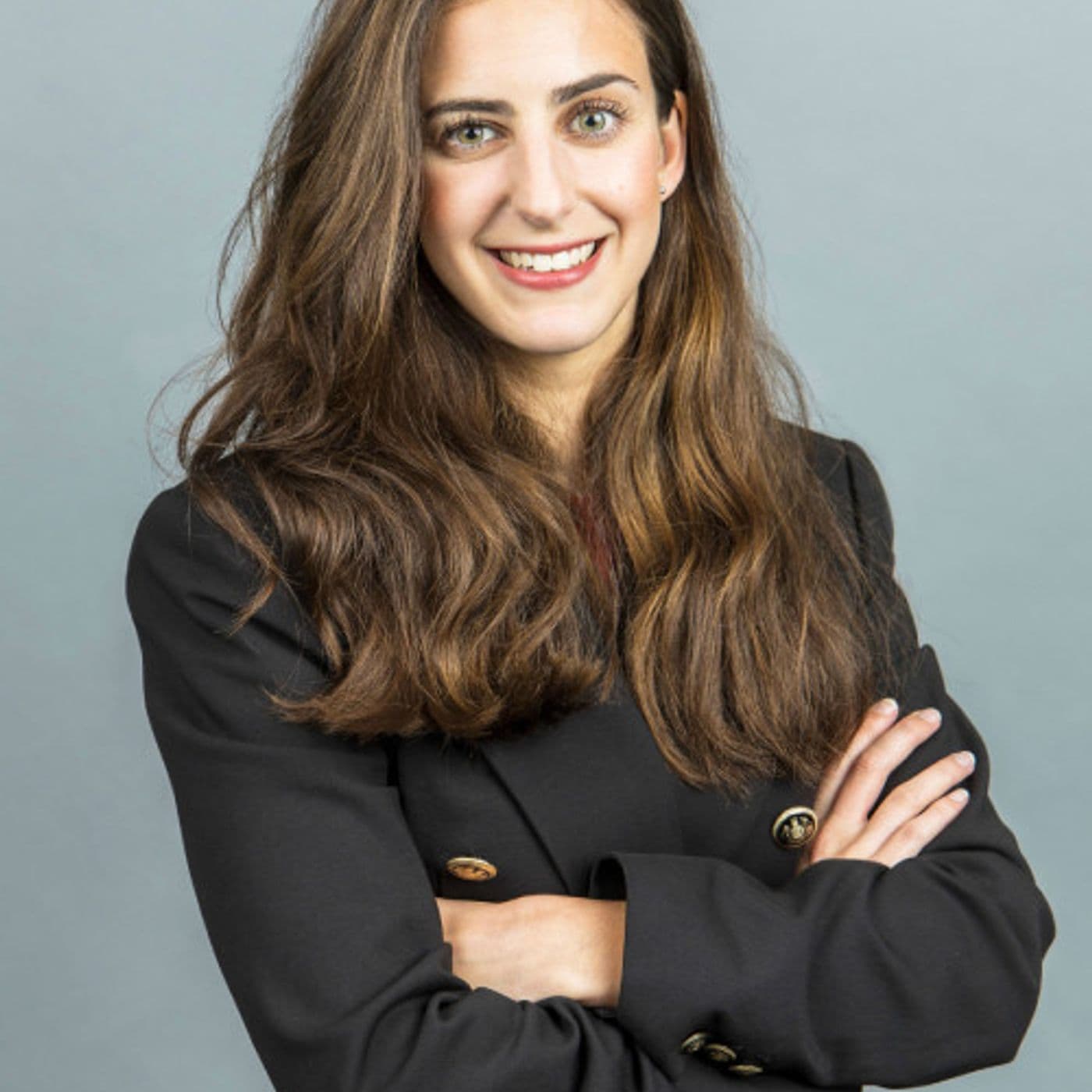
- Maddison Ryan, Founder of The Digital Hub
---
Episode Overview In this episode, Simon Dell interviews Maddison Ryan, an SEO expert with a unique background in optimizing search engine visibility for diverse businesses. Maddison shares her insights from working at American Express and the current landscape of SEO practices.
---
Key Topics Discussed
Introductory Remarks
- Simon introduces himself and apologizes for his ongoing battle with influenza A.
- Maddison is welcomed to the show, discussing her expertise in SEO.
Maddison's Background
- Five years spent with American Express where she learned the intricacies of SEO through practical experience.
- Her initial exposure to SEO was through her father's plumbing business, where she experimented with digital marketing.
The Evolution of SEO
- SEO has been a vital marketing strategy for over 20 years, yet remains misunderstood.
- The early days of SEO were characterized by tactics such as keyword stuffing, which are now outdated.
Challenges in Large Organizations
- Working with a multinational like American Express requires a nuanced, team-oriented approach to SEO.
- Maddison emphasizes the need for coordination between various departments (e.g., developers, SEO team, branding) to implement changes effectively.
Measuring Success
- The importance of tracking organic traffic and conversions (e.g., credit card sales) to judge the success of SEO.
- Discusses the concept of Search Experience Optimization (SXO) which merges SEO with user experience and conversion.
Strategies for Better Conversion Rates
- Focus on user experience fundamentals, ensuring clear calls to action and responsive design.
- Conducting A/B testing to see what elements resonate best with users.
Testing Without High Traffic
- Suggestions for smaller clients to conduct informal usability testing and utilize social media to drive traffic for analysis.
SEO Metrics and Practices
- While Google considers numerous factors for ranking, Maddison suggests diversifying content and channel strategies.
- Emphasizes the risks of vanity metrics—ranking without conversions is not beneficial.
AI's Impact on SEO
- The increasing prevalence of AI-generated content and implications for SEO practices.
- Recommendations for optimizing content to align with emerging AI search engines.
The Future of Google and SEO
- Potential shift in user preferences from Google to AI platforms like ChatGPT, but Maddison believes Google will adapt.
- Google is expected to integrate more AI into its search algorithms.
Advice for Small Businesses
- Small businesses should focus on evergreen content and engage in test-and-learn strategies across different channels.
- Google reviews and optimizing Google Business Profiles remain critical for local businesses.
---
Key Takeaways
- SEO continues to evolve; staying updated on trends and best practices is essential for success.
- Understanding the balance between attracting traffic and ensuring conversions is key.
- Leveraging both traditional SEO methods and modern tactics, such as AI, can help businesses thrive.
- Small businesses should prioritize local SEO and maintain an active online presence through reviews and social channels.
---
Contact Information
- Maddison Ryan's LinkedIn: [Maddison Ryan](http://www.linkedin.com/in/maddisonryan1)
- The Digital Hub: [The Digital Hub](http://www.thedigitalhub.com.au)
Closing Remarks This episode provides valuable insights into the world of SEO, particularly for those looking to deepen their understanding and improve their digital marketing strategies. Simon and Maddison's conversation highlights the necessity of adapting to new trends while maintaining a focus on core business objectives.
Written by AI. May contain mistakes. Listen to the episode to check what was said.
Transcript
Automatic transcript. May contain errors.0:00Welcome to the CMO Marketing Podcast with me your host Simon Dell. Well, I've been battling influenza A for the past week, so if I cough through this, I apologize profusely, which is a terrible thing to do in a podcast. Get all the introductions out of the way first. As I say, my name is Simon Delp. I'm the CEO of CEMO, C-E-M-O-H.com. We are Australia's largest fractional marketing business. And if you want to find out more about us, CEMO.com, you can find me on LinkedIn. If you like listening to this, we would love if you could write a nice review about us on Spotify or iTunes or somewhere like that.
0:45And yeah, if you're also interested in potentially being a guest on the podcast, we'd love to hear from you. Please reach out to me. Today, I am talking to a very, very smart person, Madison Ryan from Your Digital Hub. um we will do a quick introduction in a minute but um first of all madison welcome to the show yeah thanks for having me good to be here now you are um you're an expert when it comes to search engine optimization would that be a fair assessment of your skill set i suppose yeah
1:28so and and look we've obviously known each other about six months about a year now um And I think one of the core reasons for having you on the show, because we'll talk about SEO and the snake oil salesmen that are out there in the world of SEO in a minute. But your background was five years spent with American Express. Is that right? Yeah, exactly. And I suppose how I started out was a lot of test and learn myself. so my dad had a small plumbing business and back in the day you used to just test and learn things on the site and everything was sort of um you know no more newspapers back when you used to advertise you know and get those clippings in the newspapers we had to go digital and so that's sort of how I learned SEO and my love for SEO came about cool cool we'll talk about the the the Amex experience in a minute but I think it's probably fair to say SEO has been one of those marketing tactics that sort of underpinned marketing growth for probably the last 20 years and I think it's one of those ones that is probably the least well understood by the average marketer would that be a fair thing to say?
2:52Yeah I think there are so many facets of SEO So, you know, there's new news coming out every week, every day. So it's hard to keep up. And you hear that someone tells you to do one thing and then you're trying to optimize for another thing. So, yeah, I think there's a lot of noise out there. And it's just sort of focusing on what's going to sort of get you the right traffic. And at the end of the day, conversions. And it used to be very easy. I say very easy, but it used to be quite easy to game early on in the early days of Google. Um, and, and, you know, that sort of, that sort of created this, this idea of a, that it was a dark art, that there was a lot of people gaming the system and, um, you know, doing things to people's websites that, um, you know, Google didn't like.
3:47And, um, it was, it was the wild west early on, wasn't it? Yeah, exactly. I think gone are the days where there was sort of that mentality of the keyword stuffing and you used to put the keyword in the heading, the title, sprinkle it throughout the page and then hope for the best or copy and paste a bunch of location pages and then pray that it's going to rank. I think it's changed a lot since then. You've got to sort of work harder, work toward different channels and I'm sure we'll go into all of that. Yeah, yeah, look, I remember years back doing some SEO copywriting, and you're right, you had to have the keyword in the first sentence and the last sentence, and 4 % of copy had to be, it was very, very, very strange.
4:39But let's just take a sort of step back. Because I guess one of the biggest challenges is if you're working for a company like American Express, we're talking a multinational global finance business here. How do you do SEO with a company like that? I mean, that must be sort of, you know, staring at this giant thing in front of you, wondering about where you start. And, you know, how do you get your head around that? Yeah, it was. It was sort of a bigger strategy. And I think it comes down to your audience and going back to those fundamentals. You know, it's a big company with different products and services.
5:25So looking at those different products and services separately, I think there are different strategies for SEO within that. and it's a broader sort of play. So, you know, and focusing on probably the quick wins first there. You know, like you said, there's just so much you could do, but there's only a small team. What's going to sort of get you those quick wins faster? But, yeah, like you said, you know, where do you start? I think we had a whole team, so it does help. But, yeah, you've got to sort of look at where you can start and what you can make traction on rather than trying to do everything because, you know, it's such a massive website and it's global.
6:08And, yeah, and you've got to look at what the global team is doing as well, match it up to Australia. So everyone sort of has to work hand-in-hand, developers with the SEO team, the brand even. You know, brand is playing a bigger play in SEO now. You know, that's really a big part of the strategy at the moment. I guess that's the challenge with a company like that is you can't just make a wholesale change one morning because you feel like it. You've probably got to go and get a certain amount of people to approve things before you can go and make changes. Yeah, huge compliance. I'd love to have just gone in there and edited some descriptions and things.
6:49How do you judge success in an organization like that? Is it simply, you know, you're sort of looking at the organic traffic to the website, you're measuring yourself against that. What's a win, you know, what was a win for you in an organization like that? Yeah, so you're 100 % right. So the organic traffic would be the first thing. I think then drilling right down to the conversion. So the sales, the credit card sales would have been what we were looking at. and then all the other services and products. You know, I think it's important that you can get all that traffic to the website, but then if it's not set up in a way the UX isn't right, we're not converting people, so what do we need to look at there?
7:40So you really have to look at the holistic reporting, and so we had a bunch of tools for that. And what are some of the ways that you can get people to convert better? because as you say, which is a very valid point, is getting people to the website is just half the battle. Getting them then to buy the credit card or fill the form in or pick the phone up and all those kind of things. What's driving the consumer to make that purchase? Are there some common kind of things that the consumer reacts better to? So I think it's a lot of test and learn and it's looking at your site again and seeing how the UX is.
8:24Have you got the buttons in the right places? Have you got the call to action set up? Is it on mobile? Is it easy to view? Has it got that desktop responsiveness? And then again, going back to fundamentals. So what does your audience want to see? I think there's that perspective around SXO now, which is that search experience optimization. So it's where SEO essentially marries up with that experience on the page and then the conversion. So it's all those three things together. And I think it is a bit of test and learn and seeing what works. I know people use the recording software to view how users are on the site, seeing what they prefer better.
9:08Is there a huge pop-up in the way? So there could be things that you're missing. And, you know, you think the site is great and it looks amazing. It's got all these banners and pop-ups and things. But at the end of the day, it might not be what your potential customer would like to see. Yeah, I guess the challenge there is that in a world of – I was going to say, let's try and find the politest way to say this. But in financing credit cards, it's not the most engaging content. I'd imagine a lot of the content on those websites is quite functional you know people are looking for something specific it must be hard just trying to it must be hard just trying to track to see if they're actually you know to understand if they're engaged or not yeah exactly I mean it's not I suppose a sexy product and I think that's where the testing comes in with you know different button colors different carousels uh seeing what pictures people react with better so there's a lot of that a b testing just to see um what is the reacting to more and that comes down to yeah a lot of the ux i guess on the plus side though with a bit with a with a brand like that you've got at least a decent amount of traffic to be able to do a b testing um you know because obviously there's a there is a lot of traffic how do you how do you sort of do that if you're working with a smaller client that doesn't have that um you know doesn't have the the luxury of those thousands of visits a day what what's is there a way that you can um you know, test things as well without having all that traffic?
11:06That's a good question. I think even just asking, you know, a colleague or someone external to your business even to have a go at using the website, watching how they use it without sort of making any comments, and then you can get some insights from there or testing out the journey saying, oh can you try and buy this product on my site and then watch to see how they look for it how they find it um so if you've got no traffic at all that's that's one way i think you know it might be worth doing a social test sending some traffic to your page to get that data and then you can sort of find out what's happening there and get some insights as well so my understanding of SEO in the last sort of, you know, 15, 20 years is that there's obviously, there's, Google is taking into account a lot of different things when it's looking at the success of a site and how to rank it and compare to its competitors and things like that.
12:07And obviously the, you know, the number everyone used to use was this idea that Google was measuring 200 different things. Is that, is that still the case? is that, you know, are they still looking at that amount of things or is there, is it more, is it, you know, are there some that perhaps are, you know, more important than others? So now I think it's more about diversifying your channel besides the website so that you can sort of dominate on the SERPs. So it's looking at channels like, say, Reddit, for example, or Pinterest or your LinkedIn and having that total strategy so that you can rank in different ways.
12:49I think most recently we saw that the Reddit traffic that was showing up on Google was declining sort of since January. So, I mean, what does that mean? Does it mean let's stop commenting on there as an authority source? Well, no, not necessarily. I think, again, it comes back to does that sort of channel work for your business? If not, maybe it's good to look at something else. You know, it's not just doing it for the sake of doing it. I think it comes back to the vanity ranking where you just rank for the sake of ranking your page. But at the end of the day, you know, if it's not going to get those people in and it's not, you don't have that authority.
13:28Yeah, it's not relevant. Is it? Yeah. Okay.
13:36It's one of those things that, you know, I think every month or every few months, someone sort of says there's something else. Google adjusts something or looks at, you know, promoting a different area or something like that. It's super hard, obviously. It's super hard for people to keep up with this kind of stuff. How do you keep up with it? Yeah, that's a great question. I think, you know, and I get this in clients all the time. It's, again, just focusing on what is your audience? Who are they? What are the types of conversations you want to be having? I think the branding again, so just you want people to be typing in sort of Nike best running shoes rather than just best running shoes.
14:24You know, just really don't get bogged down by the latest things that people tell you. If you're writing content that's relevant and authentic and you've got something in there that's, say, a personal story or something that the AI LLMs don't know, then you're going to be making sure that you're heading in the right direction. I think it's all yeah there's a lot to keep up with and people are trying to do a bit of everything but if you just focus in on who you are what your brand is and who you're speaking to you you can't go wrong there well that's that was another sort of follow-up question there about content and you know is is is is the challenge that you do need to be producing lots of content is it is it volume is it as you say is it something that you know less content but more authentic content is there a is there sort of a a nice area that you can go okay well that that's that's that's what i should be doing in the middle there yeah i don't think there's a quantity it's probably the right content and is it what people want to see it's not sort of just generating a random AI article because at the moment there's so, so much content being fed to Google and, you know, it sort of needs to work out what is relevant that's going to show up.
15:48So I think, again, you know, types of content diversifying, trying different channels with content, you know, LinkedIn, Pinterest, Reddit, if it's relevant, even industry blogs, sort of working with PR companies I think there are organic ways to be featured as well if your content you know is good quality there are going to be people that want to link back to it organically so there might be you know a PR company that sort of reaches out or uses your content because it is original rather than you just sprinkling whatever onto the internet it's been very bizarre in the fact that sometimes we've written on our website maybe there's two or three blogs that we've we've written or how-to articles something like that that have somehow managed to rank number one we we we produced an article about three months ago about tiktok shops about how they were about to um arrive in australia and um somehow that has managed to rank number one in every variation of um you know questions about tiktok shops in australia yeah and we're just getting all this traffic around tiktok shops um you know that that's a challenge for me because i look at that and i go well that's not part of our core business we've produced uh an article like that in terms of an educational piece to help out people who are essentially you know our target market which is you know marketing managers or senior marketing people those kind of things um is that is that helping me is that you know have we have we created this beast of you know of a of a high-ranking article for no reason what how is that sort of adding to the bigger picture of of our of our organic traffic i think at the end of the day if it's not bringing in your ideal customers or you know clients it might be worth focusing on the articles that are more better suited to your audience it's all well and good to sort of get it ranking and then have all that traffic but I think at the end of the day if you can't see any conversions off the back of it well it might not be as relevant for your business yeah that's probably yeah I mean that's a that's a key thing for us is that i i i haven't yeah i i genuinely haven't seen a um a conversion coming off it or if i have i haven't been able to draw a direct link to the conversion to um and um yeah okay it's it's it's one of those ones where you know it feels like there's a vanity element with it there's a lot of traffic there's a lot of clicks but it's not really doing us doing us any favors yeah exactly and i think we're seeing that a lot now with you know these zero click rankings with the ai overviews showing up so just because you're sort of showing up there as well um and people aren't clicking through as well but you know if that content's not even something that you're going to potentially get conversions off.
19:13Yeah, it's not probably the right direction. Talk to us about how AI is having an impact on SEO as well. You mentioned there's a lot of AI-generated content out there and blogs and all those kind of things. One of the questions obviously a lot of people must ask you is how do I get chat GPT to be recommending me or how do I get other AI tools to be recommending me? Is there an easy way to do that? What's the approach for something like that? Yeah, great question. I think there are a few things to think about when ranking in AI search engines. So the first one would be content again. So looking at your semantic tag So the headings, making sure they're all up to date, making sure the content is relevant.
20:11I think, again, if you're commenting on forums or using sort of those kind of channels, you might have a chance as well because they're all interrelated. Looking again at the technical side. So is your site up to scratch from a technical health perspective? Have you got schema on there? Is it optimised for mobile and desktop? Again, that experience, you know, is it a good experience? So when you have all of these things together, along with sort of authority, any backlinks, you know, you'll have that chance to sort of show up. And I think now it's about quality, not quantity. So, you know, not having a thousand backlinks, they don't mean anything.
20:53If it's the quality, you know, you might have more chance in showing up in the featured snippets or in AI SERPs. okay obviously you know SEO as I said right at the start has been the backbone of marketing tactics for a long a long long time and and obviously I can't see it going I can't see it going away anytime soon but there seems to be a shift that maybe Google is maybe Google will gradually lose its dominance in terms of these these ai platforms do you do you feel that's the way it might go or do you think google are strong enough to sort of hang on to this um you know onto this i guess which is you know this has been the golden goose that's kind of you know allowed them to become such a huge company over the years yeah i do think you know the googles and the bings are losing their sort of traffic to ChatGPT and other AI sources.
21:57I have friends as well that just say, oh, I only want to use ChatGPT to do my searches from now on. So the mentality is definitely changing. I don't think Google is going to lose out, though. I think they're adapting. Recently, actually, yesterday, they announced the March update. So I think with that, you know, they've said again, they're going to be looking at relevant content. But I also think, I have a feeling they're going to make changes more in terms of AI and adding more AI search into the sort of current search engine. So it could be changing and it could act more like a sort of chat GPT type.
22:36You know, I think we have to stay tuned because I don't think they're sort of giving up just yet. They seem to be, sometimes when I look at it, they seem to be a little bit confuse themselves they're they're sort of you know finding their own way in the dark to to a certain degree um you know and there's obviously i think earlier this year there was a lot of you know a lot of talk about how the you know they they they caused some issues i think within the search rankings and you know sometimes it wasn't a very good experience i think that was where a lot of people pointed out that, you know, the results weren't particularly good and that was starting to damage their reputation a little bit.
23:23Do you kind of, do you think they've maybe misstepped earlier on and maybe they're still trying to work out what they're doing in that space now? Yeah, I think they sort of had that monopoly and people didn't like that, you know, they sort of had control over everything. So people like the Bings and those kind of search engines now, I wouldn't discount them as a search engine. I can see more and more traffic sort of on those channels for some of my clients. People are diversifying and jumping off Google or they're going to social, for example, and testing out some advertising instead. So I think, yeah, they did lose a bit of sort of trust and people are moving towards different channels now.
24:07but yeah it's still very highly sort of used platform search engine because I look at results from my clients and I still see loads and loads of impressions and traffic on on search console so it's definitely not going away as a top search engine yeah yeah okay um last question for you today um you know there are a lot of people um they you know they want to they want seo to be a key part of their business but you know you mentioned right at the start i think yeah was it your father who's a plumber um you know that those those small businesses i've seen i've seen many businesses over the years that have become very reliant on um you know localized traffic like that is there a couple of things that those small businesses those trade-based small retailers can do to you know ensure that they're appearing in you know relevant search results yeah I think there are a few things so probably focus on that evergreen content and so content that can be around all the time you know again adding your fresh perspective to the content probably trying out different channels so if you haven't just something out before it's definitely worth getting on socials or engaging in a forum trying a bit of PR I think it is a bit of test and learn so yeah definitely testing testing out different channels I would say you know maybe stuff like posting organically on social you've been posting and posting but it's just not working it might be time to try like a paid strategy there is there and i guess um reviews um your google reviews are they is that still a is that still a key thing for local businesses yeah google reviews are still important i think optimizing your google business profile um you know it's getting harder and harder i think to show up in in that aspect as well but making sure your google business profile is up to date you're continuing to post on there you've got photos fresh images of the business um and yeah just popping in there every now and again to make sure it's up to date if you've got sort of a physical shop or store okay thank you very much for your time today if anyone wants to reach out to you ask you any question uh maybe engage your services what's the what's the easiest way for them to find you.
26:42Yeah, so you can find me on LinkedIn under Madison Ryan. Otherwise, thedigitalhub.com.au is where you can find me. Awesome. All right, Madison, thank you very much for your suggestions and your ideas today. Much appreciated. Thanks so much. Good to chat.
From the publisher
Maddison's LinkedIn - www.linkedin.com/in/maddisonryan1
The Digital Hub - www.thedigitalhub.com.au
- We love to know what you think so, give us a rating and review on Apple Podcast. Rate Our Podcasts
- Subscribe to our YouTube channel to learn more marketing tips and ideas weekly. CLICK HERE
- If you think you have a great story for the podcast, contact our producer at podcast@cemoh.com.
👇📲Find and Follow our Socials 📲👇
✅TikTok