
 Ask ChatGPT
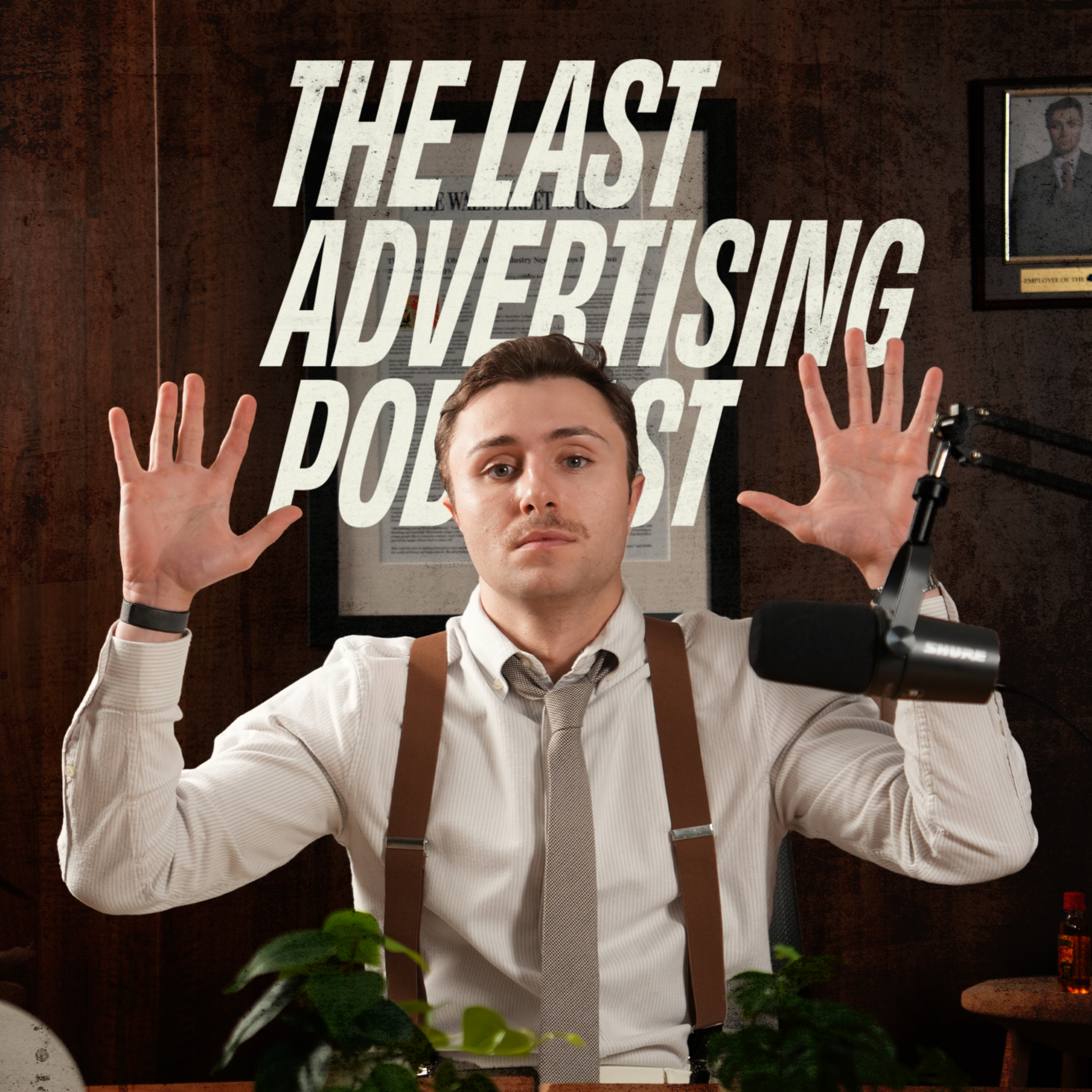

- Podcasts
- The Last Advertising Podcast
- How Great Brands Earn People's Attention
The Last Advertising Podcast4 Nov 2026 · 24m · 13 chapters
How Great Brands Earn People's Attention | Phil Pirkovic
In short
How great brands earn attention by building “the world around” the brand—using partnerships, content, product ecosystems, and culturally meaningful storytelling to make people care amid constant attention competition.
Guest
Phil Pirkovic, consultant/open to work; has worked in social strategy at EVB (San Francisco), brand-side at Google (Brand Experience team), and as first Head of Brand at Shinola (Detroit). Education: economics and business management. Career focus: getting people to care via advertising, partnerships, and content.
Key claims
Attention is scarce; brands must earn care through responsible stories and meaningful collaborations. Targeting alone doesn’t expand the “pie.” Momentum and energy snowball into bigger opportunities.
Notable examples
Shinola’s SNL 50th anniversary custom watches; Shinola’s Black History Month campaign; comedy events with Comedy Underground/Overground in Tribeca; Coco to Chai (chai culture ownership, Jada Kiss tie-in). Advice: do real-world projects, be vulnerable about failures, and stay “outside” to understand people.
Written by AI. May contain mistakes.
Chapters
0:45
Getting to Know Phil Pirkovic
Phil shares his passions and career journey in the advertising industry.
“So I guess you could kind of sum it up in one sentence.”
2:03
Phil's Unconventional Career Path
Phil discusses his unconventional career journey and experiences at various agencies.
“But I think, you know, the thing is this, man, I think it's like, it's, there's a lot of things you can't teach.”
4:36
Breaking into the Advertising Industry
Phil reflects on the qualities that helped him break into the advertising industry.
“I'll be the first person at the agency every day and I'll be the last person to leave.”
7:09
A Memorable Partnership with SNL
Phil recounts his experience partnering with Saturday Night Live and its impact on Shinola.
8:30
Building an Ecosystem Around the Brand
Phil explains the importance of expanding a brand's reach and building a community.
“our audience is this here's what they like here's how we reach them and it's like yes that could all be very true, but that game becomes like a media game, right?”
9:51
The Importance of Caring in Advertising
Phil emphasizes the need for brands to move people to care about their offerings.
12:13
Creating Meaningful Campaigns
Phil discusses the responsibility of brands to tell impactful stories in their campaigns.
“Like, yeah, we're trying to, you know, sell watches or sell whatever and get people to buy things.”
13:07
Brands That Matter
Discussion on which brands have significant cultural impact and why they are important.
“So it's like, these things matter because it's like the platforms that these brands have mean something.”
14:00
The Emotional Connection to Brands
Exploring which brands hold personal significance and why.
“besides Shinola that would disappear that would upset you?”
14:48
Coco Chai and Cultural Representation
Discussing Coco Chai's impact on culture and community representation.
“what they represent to their communities and culture.”
Show all 13 chapters
17:28
Advice for Emerging Advertising Professionals
Insights on how to stand out and get noticed in advertising.
“Like and it doesn't have to be perfect or polished, but like those are the things that like end up, I feel like become better talking points.”
19:20
The Importance of Initiative and Vulnerability
Emphasizing the value of taking initiative and being vulnerable in one's career.
“And it's something I tell people a lot, too.”
21:44
The Role of Curiosity and Community Engagement
Encouraging curiosity and active participation in community events to enhance marketing skills.
“Is like I've learned this a little bit later on of when you're posting and you're putting yourself out there.”

Ask about this episode
Get the gist, explore an idea or ask about something said.
 Claude
On The Last Advertising Podcast, what are the key points of this episode?
Searching your listeningTranscript
Automatic transcript. May contain errors.
0:00Ladies and gentlemen, you're listening to the last advertising podcast of all time. This is it, our last conversation. It's all done until probably next week. So enjoy this guest. Phil Pirkovic, welcome to the last advertising podcast of all time. There's too many ad podcasts out there. There's one every other day, it seems like. I've been doing this for six years now. So this is my attempt to give it all up, Phil. but I gotta ask, I gotta know what you're most passionate about before I wrap this thing up. So Phil, tell me about you and what you're most passionate about. Gina, what's going on brother?
0:34Thank you for having me. Yeah man, I'm passionate about a lot of things. People, food, stories, art, culture, music, all those things kind of drive the work I do. I love it. I love it. And what is the work that you do sir? So I guess you could kind of sum it up in one sentence. Like I I get people to care about things, right? Whether that's through advertising, through partnerships, through collaborations, through content. End of the day, it's about attention and it's about finding ways that we can make, you know, make work that people actually care about. Yeah. Okay. And where have you done this at in your past?
1:10You're a consultant today. You're open to work. You're helping people out, helping brands, I'm assuming. But like where have you worked in the past? Yeah, no, good question, man. I've had a pretty unconventional career. You know, I always say it makes more sense looking backwards and forwards. So, you know, I started off just like doing a bunch of things. Right. I was, you know, probably you're on your age, you know, doing, you know, throwing concerts, starting social media pages, building websites. And that got me my first agency job. So I never studied advertising. My first agency job was out in San Francisco.
1:44I moved out to San Francisco. I worked at an agency called EVB. and they were kind of famous you know for the they did like elf yourself for jc penny they did like the the I think the one of the first like mistake tweets from a brand that went viral with jc penny with the mittens so I just kind of jumped into this world and I you know I was just like young and like curious and just super hungry so I was there for a little bit I moved to New york uh i worked at mother i worked at noble people um and then that led me to an opportunity to go brand side so i ended up going brand side at google on the brand experience team there so i moved back to san francisco um and then from there i moved to michigan uh around the pandemic and was the first head of brand at shinola shinola great brand i interviewed the cmo recently shout out to kevin yes fantastic brand love what they're doing today really great so you didn't study advertising what did you study so i have a degree in economics and i have another degree in business management um i thought i wanted to just be like a businessman you know i didn't really know like you know what what to kind of do you know my parents uh are immigrants i'm a first generation american so like for me it was always like you know i was preached like oh you got to be a doctor or a lawyer engineer and i was like oh i'll just like work in business that makes sense right so i didn't know agencies existed till like i was like you know mid-20s you know like i never kind of just like it's just not a thing that creativity is not a thing that's kind of taught to us you know um but yeah studied economics studied you know studied business okay and then when did you first find out about ad agencies it wasn't until i moved to san francisco so like 2014 2013 a couple years after i graduated gotcha gotcha and then what do you think that they saw in you when you were applying or looking for a job at an agency what did they see in you you're like i gotta hire phil so i will say this throughout my whole career there's only been one job like that i had that was like actually defined so every time i've walked into an agency every time i've walked into you know, brand, it's been, it's been, those kinds of scopes have been defined, you know, with me working with whoever.
4:13But I think, you know, the thing is this, man, I think it's like, it's, there's a lot of things you can't teach. Right. And that's like relentlessness. That's ambition. That's curiosity. And I've always led with those things. Right. Like I, my thing is this, like, I think I remember like when I got to San Francisco, I was sending out emails and like, I think I literally put in the email, like, I promise you, I'll be the first person at the agency every day and I'll be the last person to leave. And I meant that. And I was right. Like I, I took pride in myself being the first one there, starting the pot of coffee for everybody.
4:47And like, those are the things that I can control. Right. So like, when you talk about breaking into the industry, it's like, there's a lot of variables. Like I didn't go to portfolio school. I didn't know what a campaign was. I didn't know how to write to brief, but like, I can be the first one there. I can always have a good attitude. I can always raise my hand to, to, you know, volunteer to do extra work. And those are the things that, you know, even as I've progressed into my career, it's like, I still do those things, right? Like, those are the intangibles that like, make me who I am. And those are the things that I think people like end of the day, like are going to like see, you know, those are the things that are people going to see that like, all right, this is what makes this person different, you know?
5:23And what was the job, the first job that you got on that? So, yeah. So when I went to EVB in San Francisco, I was doing social strategy. So I got pretty good early on. Like I kind of came up in that right era of like when Facebook first came out. And I got pretty good at understanding kind of the platforms and how to build community. And, you know, you know, I was like, like I said, starting websites, throwing concerts, like doing all sorts of things and, you know, getting people's attention, you know, digitally and, you know, built up a couple of big pages. And like, so I understood the platforms pretty well.
5:56And that was kind of my, my hook in. What was your hall of fame moment in your career so far? Like you did X and that, it gave you the cultural or the social capital to do whatever you want or that confidence, at least internally. Yeah, no, that's a good question. I think there's, there's two things that come to mind. They're both general examples. So the first one was, um, we, we did a partnership with Saturday Night Live, um, for the 50th anniversary a couple years ago um and we did 50 custom watches for the cast and crew and we did this whole release party in new york and everyone showed up and you know we did these custom watches and the back of the watch said live from new york but built in detroit and just like all these nods to just like american kind of institution and um why why did that why was that the right move for shinola at the time so it to me it's it happened so organically right so like john higgins and ben marshall um were part of please don't destroy and john would wear our watches in in his sketch in the sketches and i noticed it and then we got introduced because he was touring in detroit um and we got connected through through our mutual friend at third man records um and he came to the factory we hung out all day i was showing around the city and then a few months later he got married so i like i sent him a text he's like hey man like i want to send you and your wife something so i sent them some watches and we just stayed in touch and then you know we just became pretty like pretty good friends and then you know we were just kind of talking one day and he was like oh like the 50 is coming up and i'll go what do you guys got planned for that he's like oh there's so much happening blah blah i was like oh it'd be sick if we could like contribute and be a part of that moment and you know we spent a few months kind of talking about what that could be and it just all started happening organically and like i'm a big believer in energy and momentum and like you know those things beget more of that so it's like things start to kind of snowball and next thing you know it's like you know we're we're like all right cool we're gonna do 50 watches and it's the 50th anniversary and like we want to obviously thank the cast but like what about the craftspeople behind the show like the writers and the producers and you know the costume wardrobe all these things so many people make that thing happened and it just kind of happened and it just ended up becoming such a like a big moment for the brand um and again it was for me it's about like opening the aperture like my one of my beliefs in marketing is like you know if you want to make your brand bigger you got to build the world around your brand right and i think a lot of times brands end up you know being so singular and like oh our audience is this here's what they like here's how we reach them and it's like yes that could all be very true, but that game becomes like a media game, right?
8:41You're optimizing, you're targeting, and it's like, that doesn't make the pie necessarily bigger, right? You can go deeper with a smaller set of audience, but my whole thing is when you talk about what brands represent, what they mean, and getting people to care, it's like, you got to open up the world, right? I got to get more people to care about this thing than the target audience is, right? Because I think I read something that's like, what, 70, 80 % of people are never in market for the thing you're selling at the given time, right? So it's like, how do you, how do you, to me, that's the bigger opportunity of how do you stay top of mind in those moments versus like when they're going to convert, they're already going to convert, right?
9:16They're already in that mindset. So it's like, when you think about brand building, it's like, how do you build the world around your brand? And what are the things you're doing? And it's not always going to be advertising, right? It could be a product club. It could be content series. It could be a partnership. It could be, you know, all these sorts of things. What did this then do, like the SNL partnership, you know, getting the custom watches, you know, sponsoring a party? I think that's what you said. Like, how did this get into the zeitgeist? Like, how did the fans of SNL interact with this?
9:47Or was it not designed to, was it just to directly thank and be a little bit more closed off to the staff? So I think a little bit of both, right? So obviously, you know, like, you know, James Austin Johnson, who plays, you know uh who's like one of the current leads like he made a video about it john higgins report like so there's things that within this community like you know through content like we were we were getting exposure and i think gq was did a exclusive on on it um which was which was really big for us but i think what it did is like i guess had opening up kind of the world of what this could be so after that we ended up um i ended up getting in contact with um comedy overground underground and they're they're in new york and they do incredible shows and their whole tagline is comedy in weird places and you know i think they got pretty famous for doing uh they did a comedy show at cats's deli um yeah and i met those two guys and they're incredible and they're super young and ambitious and they're like oh we heard about shinola through the snl thing like we want to do a show at your store in tribeca and i was like oh this is beautiful so we ended up doing a few events with them and you know again so it's like this thing stems to this thing that stems this thing so we ended up working in comedy underground overground um we did a few shows in tribeca so now we're bringing people into this comedy world into our world right they're coming to the store you know most of them probably didn't even know we had a store in new york most of them didn't even know like we existed outside of this capacity right so now we're doing that and then obviously they're they're you know they're filtering in comedian so now it's like i'm working with up-and-coming comics and i'm putting watches on them so when they're going on the road they're you know they're wearing watches and wearing products so it's like all these things start to kind of build this ecosystem of like one little moment here opens up this other bigger world and it's like we can choose how far we want to go into that world but without doing this one thing this thing doesn't even become a possibility you know interesting yeah it's fascinating and i think i want to go back to what we talked about before we started recording and what you kind of alluded to in the beginning um you mentioned to me and you said that uh you know you get you care about what you're best at is moving people to care about things right so i want to dive deeper into that like why does that matter today in advertising moving people to care about things what does that look like i want to give you the mic for about 60 seconds to explain your rationale here well i think it matters because there's just too much stuff right like our attention is being you know pulled a million different ways every single minute of the day so you know for me it's like i i don't take it for granted you know how lucky we are to to work in creativity to to you know be behind some of these massive brands and like there's a lot of responsibility that comes with that and there's a lot of power that comes with that so it's like to me it's like we have to get people to care about things because at the end of the day, it's like, that's, that's what, like, that's what I'm trying to do, right?
12:46Like, yeah, we're trying to, you know, sell watches or sell whatever and get people to buy things. But like, you do that through getting people to care, right? So it's like, there's a deeper, like, kind of level of like getting people to care. And it's, and a lot of it too, is just like the stories you choose to tell as a brand, the people you choose to work with, like all those things matter. And I spent a lot of time obsessing over those details because that's where the impact lies right like you know when i was at shinola i i did the first black history month campaign for them and which was crazy because at the time the brand was nine or ten years old and they've never done anything around that moment and i was like this feels like a thing that we have to do because we are in detroit one of the blackest cities in the country it's like how do i tell the story the right way right so like i worked with an incredible director of photography, an incredible videographer, um, who's, you know, who, uh, I think he moved to Detroit a couple of years ago from Ghana and he's this incredible storyteller.
13:40So it's like, these things matter because it's like the platforms that these brands have mean something. Right. And there's a lot, like I said, there's a lot of power that comes with that and a lot of responsibility. So like, to me, getting people to care about things is, is kind of the emphasis of what I, what I do and what I try to do. So then let me turn it on you then. What's a brand besides Shinola that would disappear that would upset you? If it was gone today, you'd be pissed. Oh, that's a good question. There's not many, Phil. I don't care about a lot of brands. Maybe Apple for me, my iPhone, but mainly it's the phone.
14:17But I feel pretty ingrained to Apple. I wouldn't want to have a green bubble tomorrow. Right, right, right. But what about you? That was a very high-level stupid answer. But what do you deeply care about? i think i think that makes a lot of sense right because it's like so ingrained into kind of our ecosystems right like you know apple owns creativity right so it's like as people who make things like that makes a lot of sense for me man i don't know i think there's like i i i can't point my head to a lot of big brands right now but there's a lot of small brands that come to mind like and again like you know when i say like they would disappear it would it affect me because of what they represent to their communities and culture.
14:58Yes. So like the representation part, not just my tech ecosystem here. I'm so high level. I'm pretty shallow here, but what do you got? Yeah. There's a brand in New York, Coco to Chai. One of my, one of my good friends, Ani started it, him and his brother, and they've been doing such incredible work of just like making Chai kind of like relevant. And like, you know, they brought on Hassan Manaj as a partner and they're doing so much content activations and like what they represent for that community and owning that narrative of like you know their whole reason they started it because you know starbucks sells a chai tea latte and chai translated means tea so it's like you're they're selling a tt latte and it's like the whole approach culturally you know just doesn't like you know how they're kind of like you know taking this thing that's like got this history and hundreds of years of backstory and like they're owning that narrative and like making chai for you know for them for you know for their culture and community like stuff like that to me matters because it's like the representation and like the impact that they have and they just did this really cool thing with jada kiss like a week ago and there was like a thousand people lined up to get chai and it's like that to me is so important when you talk about like the impact and like why these things matter like you would have thought it was like a sneaker release like you like it's so crazy that like you know because of how they operate and what they want to do that like these things end up becoming you know little pockets of culture and subcultures that like that have impact you know i love it no that's a great example here and i really kind of want to finish this interview nice and fast here yeah yeah with um a question that will help our listeners okay we're talking about how to get people to care about things and brands you talked about kind of representing something larger like you know like a heritage i think shinola does a great job with like the detroit founded right tapping into that heritage and you mentioned this with the chai company here they represent the history and the culture and like are doing a job a mission if you will a lot of people listening to this are brands too and they're trying to get their first job in advertising how can the the listener um take advice from you how can they get people to care about their personal brands so they can stand out and get a freaking job i think that's probably top of mind to everybody listening to this right now for sure and you know i i i do a lot of these kind of talks at colleges And, you know, I always tell people one thing, like it's it's easier to get on my radar when you have something that's like lives in the world.
17:27Right. And like what I mean by that is like just go do something, make a video, like start the thing, write a, you know, start a sub stack or write something, have something that exists in the world. Right. Like and it doesn't have to be perfect or polished, but like those are the things that like end up, I feel like become better talking points. because like if you're going against somebody that has you know portfolio school or like you know has experience like what have you done what can you do right like like showing me that like hey i did this thing like i like i always tell people like go to your favorite local restaurant in your neighborhood and like help them with something right start help them with their you know tiktok help them with their instagram like show me so hey there's this there's this little coffee shop i love it you know i i did their content for three months we got three two million whatever it is, like to me, that initiative and that like proactiveness means a lot more than just like I studied advertising.
18:21Right. Like I always like I always tell people, like, show me what you're doing. Don't tell me what you're going to do. Right. And it's like those are the things that I feel like, at least for me, right, like help me break in because like I, like I said, in college, I was throwing concerts, starting these things, building websites. And like those were the talking points. It wasn't about my degree. It wasn't about anything. It was like, Like, oh, wait, you just did this thing. You got 2000 people to come to the show. And it's like, how would you do that? And it's like, boom, here, let me break down how we did it.
18:48We went door to door. We put we're doing content. Like, so it's like, those are the things that I feel like end up making a bigger difference, not even just in your career, but in your life, too. You got to put yourself out there. You got to you got to take chances. And it's like they don't always have to work either. Right. Like, I'm more interested in like the things that don't work because it's like, all right, now what like what is their initiative? What is like, you know, how are you going to learn from this thing? So like to me, those are the intangibles. And just like I said earlier, your attitude, how you show up, those things end up mattering way more than if you're good at something, in my opinion.
19:19I like this. And it's something I tell people a lot, too. It's like you have some skin in the game. It shows that you have some initiative. And that would make me care about them a little bit more so than their competitors or if they're trying to get my attention. I looked at their book, and I see they have like 2 ,000 photos edited and they have a personal project here. I wanted to push you then when they're deciding to put themselves out there, whether it's a passion project or building ads or helping with local businesses. Yes, they're going to do those things, but how can we get people that are hiring to care?
20:00Do you have any advice there? It's like, okay, you're doing all the things that you should be doing. Phil, these are baseline things, I would say. You have a portfolio. You're doing extracurriculars. to me that's like pretty standard like they should be doing yeah but like how do we get them to actually care is it like selecting carefully the projects that are purposeful that are meaningful to them and it shall it shows your your personal story within the work what you know we can kind of just so there i'm curious yeah no yeah i think like on my end right like you know i've i've i've hired you know i've hired people i've interviewed like thousands of people like it's up to us the The wholeness is on us to take chances, right?
20:40Like there's still people who've taken chances on me like that I wouldn't be where I'm at today without. And it's like, it's up to us to not get short-sighted and only look for certain things. And like, you know, like that wholeness is on us, right? Like we have to, we have to, as, you know, as leaders, as executives, as whatever, like we have to be willing to overlook, you know, traditional backgrounds, experiences, education, whatever the case may be. Um, and those are the things that I think like, you just have to be cognizant of. And like, you know, a lot of it, so much of it, man, is like right place, right time, right story, right person.
21:17And like those things you can't account for. But like, if you're not putting yourself out there, if you're not, you know, if you're not like, you know, having conversations, if you're not just emailing and, and reaching out to people and trying to buy them coffee and just learn about them, like you got to give yourself more chances to win, right? You got to open up kind of the luck of your life and like you have to be proactive about that too, you know? Yeah. I think like one other addition and I think that that'll wrap up the show. Yeah. Is like I've learned this a little bit later on of when you're posting and you're putting yourself out there.
21:51Like it's okay to be a little bit more vulnerable. Yeah. And like share like your pitfalls like you mentioned and like what you learned from it. like even on a linkedin post like if you mess up a group project like go ahead and share that like you know this is the worst ad i've ever made like being vulnerable like that i think gets people to care about you i'd much rather see some of like the the dents in your life and like i'd rather see somebody like with a bunch of dents and bruises on their discovery and their journey to being a good advertising executive because that will show like you will have the experience rather than just the perfectly polished portfolio 100 that's that's just like kind of like i don't know glossed over so i think being vulnerable is probably helpful too for the listeners 100 man i think like you look back i said my career makes more more sense looking backwards than forwards like i i've stumbled onto these things and like you know got lucky enough to to work at great agencies and you know at google and a shinola and the great brands like but like if you looked at my like my story, like it doesn't make sense.
22:53Right. But like, there's a lot of things that, you know, like they're not like unconventional. So it's like the fact that I'm, you know, but the, the, the through line is like, I've always just taken shots, right. I'm always just shooting. I'm always shooting. I'm always like, like I said, having those conversations, not making my world small, being curious, going to events. Like one last thing I want to say is like, you can't be a good marketer. If you're not outside, you have to be outside. You have to interact with people. You have to go to you know the art show the the opening the this the that like you have to understand people and understand why they're going to things and like to me that's like again it just opens up your your surface area of luck and like who you're going to meet and run into and like those are the things that like you can't teach you know i love it well you taught us a lot here and i'm sure people will want to learn more from you so i hope people reach out to you on linkedin phil and you can have some more conversations thank you for sharing your story I appreciate it.
23:49I hope it was a good one. You crushed it. Thanks, brother.
From the publisher
How do great brands earn people's attention? Former Shinola Head of Brand Phil Pirkovic explains how brand strategy, cultural relevance, and authentic partnerships help companies build meaningful connections with people.
Phil has worked across brand marketing and advertising at Shinola, Google, Mother New York, and Noble People. His approach to brand building centers on a simple principle: Give people a reason to care.
In this episode of The Last Advertising Podcast, Phil shares how Shinola developed a partnership with Saturday Night Live for its 50th anniversary. What began with a relationship with John Higgins of Please Don't Destroy led to 50 custom watches for SNL's cast and crew, national media attention, and new opportunities within New York's comedy community.
The conversation explores why successful brand marketing extends beyond traditional advertising, how partnerships can introduce brands to new audiences, and why understanding culture is essential to earning attention.
What you'll learn:
How to build a brand that people genuinely care about
Why cultural relevance matters in brand strategy
How Shinola developed its Saturday Night Live partnership
How authentic brand partnerships can create new opportunities
Why community building can expand a brand's audience
How to break into advertising without a traditional background
What marketing leaders look for when hiring creative talent
Phil also shares practical career advice for aspiring marketers, including why personal projects, curiosity, and real-world experiences can help you stand out.
If you're interested in brand strategy, advertising, creative careers, or the business of building culturally relevant brands, this conversation offers lessons from Phil's experience.
Explore more episodes of The Last Advertising Podcast:https://thelastadvertisingpodcast.com/
Connect with Phil Pirkovic:https://www.linkedin.com/in/philpirkovic/
#BrandStrategy #BrandMarketing #Advertising
More from The Last Advertising Podcast
All episodesWe use cookies.They keep VO running smoothly and help us improve it. Privacy policy