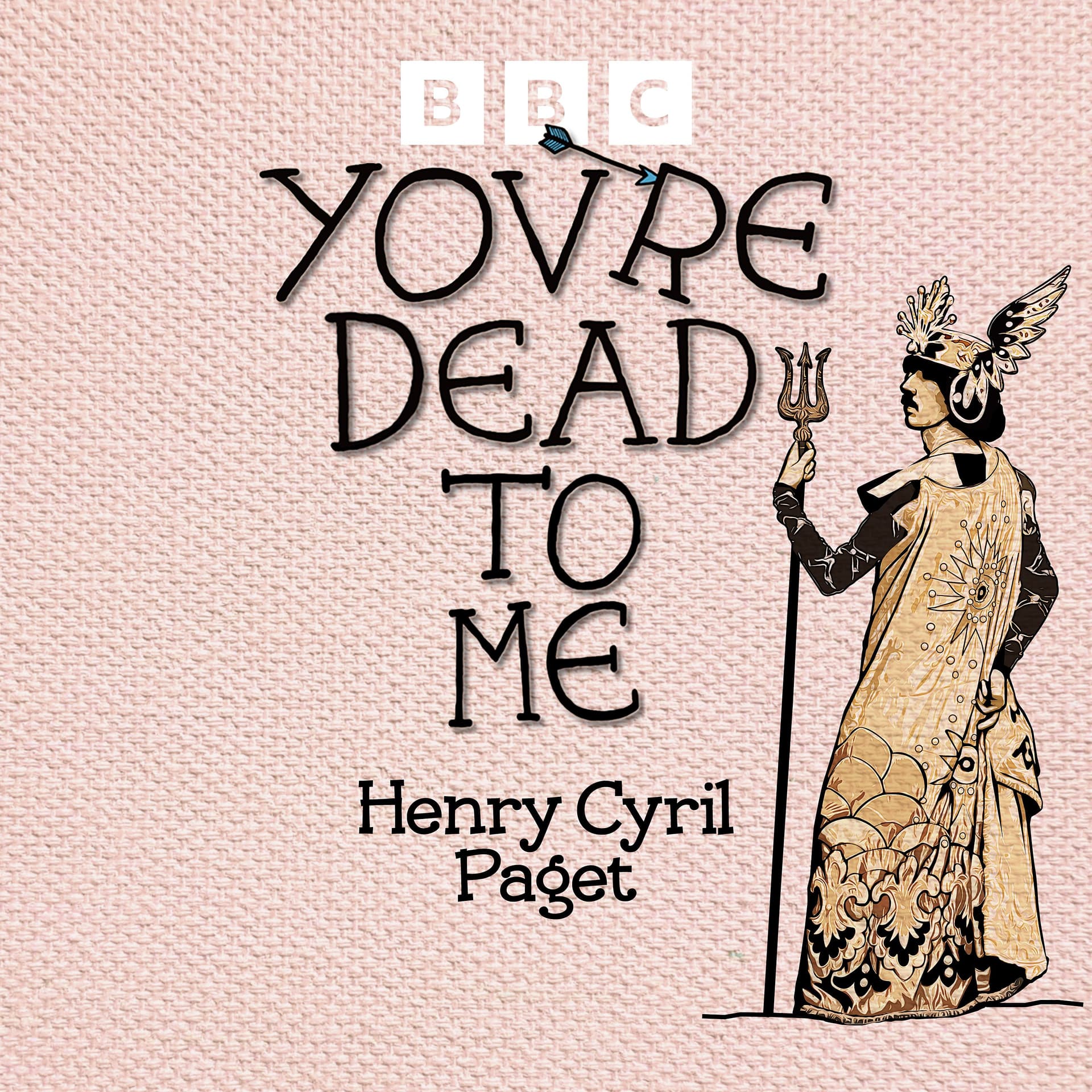
In short
Henry Cyril Paget, 5th Marquess of Anglesey, a flamboyant Welsh aristocrat known as “the Dancing Marquess,” whose life blended multilingual upbringing, scandal, theatrical innovation, and extravagant spending that ended in insolvency and early death.
Guest backgrounds
Professor Viv Gardner (Emeritus Professor of Drama, University of Manchester; researches gender/sexuality/performance; consulting on stage shows about Paget; writing his biography The Dancing Marquess). Morgan Rees (UK comedian/writer; TV/radio credits including 8 Out of 10 Cats, Mock the Week; podcasts Chatting with Cherubs and My Bad).
Key claims
Paget’s fame came from technologically staged dances (projected images, limelight, glass-floor effects) and lavish costume spectacles; his marriage was annulled for non-consummation; he was implicated in a libel scandal involving his tutor Rowcroft; later he became insolvent and sold nearly everything at Anglesey Great Sales in 1904.
Notable examples
tableau vivant performances (including Birds’ Custard Powder); Dresden theatre appearances as “Santoy”; Anglesey estate events and a refurbished 150-seat theatre; insolvency sale items (sweary multilingual parrot Jacko, purple silk “ping pong” uniform, 500 gloves, 1,000 photos).
Written by AI. May contain mistakes. Listen to the episode to check what was said.
Chapters
Tap a time to open that second in VOGetting to Know Henry Cyril Paget
2:25 to 3:20
Discussion about Henry Cyril Paget's identity and background.
“Thank you so much for having me, everyone.”
Exploring Paget's Ancestry
3:20 to 4:50
Conversation about the history of the Marquesses of Anglesey and their legacy.
“Do you know anything about Henry Cyril Padgett, sometimes just known as Henry Padgett?”
Childhood Challenges of Henry Cyril
4:50 to 6:20
Insights into Henry Cyril's early life and familial instability.
“Right, we'll start before Henry Cyril Padgett's birth.”
Early Education and Languages
6:20 to 7:40
Henry Cyril's education and the languages he learned during his childhood.
“he became one of the first owners of Prosthetic Leg, and you can see his Prosthetic Legs in Plasnauith now, and they are amazing.”
Theatrical Influences on Paget
7:40 to 9:30
Discussion about Henry Cyril's interest in theater and his early performances.
“He has absolutely no connection with the French as far as we can see because he didn't actually speak any French.”
Paget's Volunteer Army Experience
9:30 to 14:00
Exploration of Henry Cyril's brief involvement with the Royal Welsh Fusiliers.
“Right, so there's quite a lot of sadness and instability here in our little boy's life already.”
Henry Cyril's Army Involvement and Early Performances
14:00 to 16:12
Learn about Henry Cyril Paget's amusing army experiences and his theatrical performances.
“The Royal Welsh Fusiliers, which is a volunteer.”
Marriage to Lillian Chetwin
16:13 to 20:55
Explore the details and peculiarities of Henry Cyril's marriage and its aftermath.
“And then in 1898, I suppose he does the thing that you have to do as a young man in the aristocracy, he gets married.”
Scandals and Annulment Controversies
20:56 to 22:38
Discuss the scandal surrounding the annulment of Henry Cyril's marriage and its implications.
“So you don't want any black sheep, dirty linen.”
Inheriting Titles and Responsibilities
22:39 to 26:47
Understand the impact of Henry Cyril inheriting multiple titles and his reaction to them.
“So do we find Henry getting caught up in that scandal, in that danger?”
Show all 25 chapters
Extravagant Lifestyle and Changes in Interests
26:48 to 28:00
Discover how Henry Cyril filled his wealth with extravagant interests and pursuits.
“with the duties associated with being a member of the aristocracy.”
The Eccentric Lifestyle of the Marquess
28:00 to 29:47
Explore the extravagant spending habits and lifestyle choices of Henry Cyril Paget.
“but on a larger and larger scale, to indulge his passions for jewellery, for new technologies.”
Tableau Vivant: An Artistic Performance
29:47 to 30:52
Learn about the unique performance art form tableau vivant that Paget engaged in.
“I was going to ask, what do you think the local community makes of him?”
Paget's Theatre Ventures in Germany
30:52 to 33:09
Discover Paget's theatrical endeavors in Dresden and his unique stage presence.
“And they did things, famous paintings, but they also did birds' custard powder, which was a new thing.”
Fashion and Flair of the Marquess
33:09 to 34:36
Examine the flamboyant fashion choices and costumes of Henry Cyril Paget.
“I think the German audiences were, I think, in one sense, very bemused by what this was all about.”
Community Engagement through Events
36:23 to 38:30
Learn how Paget opened his estate for community gatherings and events.
“And so Anglesey Castle becomes a kind of locus for the community to come and hang out.”
Theatrical Ambitions and Challenges
38:30 to 40:46
Discuss the challenges Paget faced in his theatrical ambitions and performances.
“That's a challenge in the countryside at the best of times.”
The Butterfly Dance: Paget's Iconic Act
40:46 to 42:00
Explore Paget's Butterfly Dance and its significance in his performances.
“Complete reverse of the Marquis, I'm afraid.”
The Butterfly Dance and Theatrical Innovations
42:00 to 45:00
Learn about the unique performances of Henry Cyril Paget and his innovative dance styles.
“that it went on tour properly and that was playing proper theatres, i.e.”
The Insolvency Sales
45:00 to 48:20
Discover the circumstances of Paget's financial troubles and the subsequent sales of his possessions.
“What's keeping tailors except he's not paying them?”
The Impact of Paget's Life and Death
48:20 to 51:40
Explore the consequences of Paget's extravagance on his community and his untimely death.
“It'd be all in Russian, but other than that...”
Paget as a Queer Hero
51:40 to 55:50
Examine the modern perception of Henry Cyril Paget as a queer icon and historical figure.
“it's a sad end but what do you make of Henry Cyril Hedget?”
Exploring Queerness in History
56:00 to 57:10
An insightful discussion on the presence of queerness throughout history.
“Except, I argue, that the reality was much, much more complex than that and not perhaps quite as altruistic as the term hero suggests.”
So What Do You Know Now? Quiz
57:11 to 59:35
A fun quiz segment testing Morgan's knowledge about Henry Cyril Paget.
“Well, it's time now for the So What Do You Know Now.”
Reflecting on Paget's Life and Guests
59:36 to 1:01:08
A recap of Henry Paget's flamboyant life and thanks to the guests.
“He does feel beloved, but I understand that he left a lot of people in financial debt and that's not fun.”
Transcript
Automatic transcript. May contain errors.0:00This BBC podcast is supported by ads outside the UK.
0:30up at Whole Foods Market. In 1872, the Marie Celeste was found adrift in the Atlantic. Every person on board was gone, and none of them were ever seen again. Every Monday on Hidden History, Dr. Harini Bhatt takes an unexplained event from history, just like that one, reads the evidence like a case file, and tells you what she thinks happened. No hedging. Start with the Marie Celeste episode for a look at one of history's most enduring maritime enigmas. Follow Hidden History with Dr Harini Bhatt wherever you get your podcasts.
1:10Hello and welcome to You're Dead to Me. We are the radio for comedy podcast that takes history seriously. My name's Greg Jenner. I'm a public historian, author and broadcaster. And today we are donning our sable coats, grasping our bejeweled walking sticks and boarding our train-shaped car. all the way back to the 19th century, to Wales, to learn all about Henry Cyril Padgett, the fifth Marquess of Anglesey. And to help us unravel facts from fiction in a very glamorous way, we have two very fabulous guests. In History Corner, she's Emeritus Professor of Drama at University of Manchester, where her research focuses on gender, sexuality and performance in the late 19th and early 20th century.
1:48She's acted as historical consultant on a variety of stage shows about Henry Padgett's life, and is currently writing his biography, titled The Dancing Marquess. It is Professor Viv Gardner. Welcome, Viv. Hello, Craig, and hello, Morgan. I'm really pleased to be here talking about my favourite man. And in Comedy Corner, he's a comedian, writer, and a rising star on the UK comedy circuit. He's written for loads of TV and radio shows, including 8 Out of 10 Cats, Mock the Week, News Jack, maybe you've seen one of his hilarious stand-up shows, By and Large, or Turning Thirsty, or listened to one of his podcasts.
2:20You've got Chatting with Cherubs and My Bad. It's Morgan Rees. Welcome, Morgan. Hello. Thank you so much for having me, everyone. Delighted to have you in. This is our first time on a pod. Yeah, I know. I'm over the moon. So contractually, I have to ask, do you like history? Love a bit of history. Okay. I just wish I remembered it. It's just, I think everyone's brain is adhesive to a certain topic. Yeah. You can just hear it once and it'll stick forever. Yes. Unfortunately, mine's jokes and I wish it was history. Well, jokes and mathematics, you were telling us before, You're a mathematician. Yes, before I did this, I was a mathematician.
2:55Right. And I spoke of music and drama and theatre. I had the reverse Billy Elliot experience. My parents were like, go and do music and drama. I was like, no, I've got to do maths, mum. There's no... I had a proper reverse. That's great. And you grew up in South Wales. South Wales, just merfited, Phil, yeah. OK, and today we're talking about a North Wales icon. Am I allowed to storm out? Yeah. is there some beef? No, there's no beef at all. Do you know anything about Henry Cyril Padgett, sometimes just known as Henry Padgett? Other than the top level stuff, being a flamboyant Welsh person, that's all I know.
3:34I'm a little peek behind the curtain. When I got the email about doing this wonderful show, it was advised, you quite like it when the comedian doesn't do any research. I was like, I can do that. Thank you for your effort. So, what do you know?
3:55This is the So What Do You Know. This is where I have a go at guessing what you, our lovely listener or viewer, hello, what you might know about today's subject. And maybe like Morgan, there may be a bit of name recognition here, but not lots. You might have seen the recent film Mad Fabulous starring Rupert Everett and It's a Sin's Callum Scott Howells. You may have seen the exhibit of the film's costumes, which are at the Asner Cinema. Maybe you saw Cyril Davis's musical inspired by Paget's life, how to win against history. And those of you familiar with North Wales might have visited Henry Padgett's actual home, the lovely Plas Neweth, which is now a National Trust property.
4:30It's a lovely day out. And it's got an exhibition on at the moment centred around the costumes and his clothes. Well, there we go. Brilliant. But how much did the film and play get right about this man? How did Henry Padgett become known as the Dancing Marquess? What a name. And how many pairs of gloves can one man own? Let's find out. Right, we'll start before Henry Cyril Padgett's birth. Morgan, we've said he's the fifth Marquis of Anglesey. What do you think his family did to earn their title? How do you think the first Marquis got the gig? Ooh, okay. I'm going to say, and I'm going to sound immensely Welsh, is it coal?
5:14Is it something to do with one of the three things we did? I think we can say more military. Yes and no, because their main house, the family seat was in Beaudeserre, which is on Cannock Chase, and most of their money came from the coal. That was underneath. I don't think they did any digging or anything remotely like investing in it. They just took the money. But the first Marcus of Anglesey was, they were already aristocratic. They'd already got titles, but he was the hero of Waterloo. and he was granted the Marquis, which is number two down in the ranking of British hierarchy. So he was pushed up to Marquis when he led a charge at the Battle of Waterloo and he lost his leg.
6:05Famously, he said something like, oh my goodness, I've lost my leg. And Wellington said, by God, sir, so you have. But that may not be a problem. But he's actually, it's very interesting, he became one of the first owners of Prosthetic Leg, and you can see his Prosthetic Legs in Plasnauith now, and they are amazing. Polished wooden legs with full articulation. They're called Anglesey Legs, aren't they? They're called Anglesey Legs. Are they really? Wow. I've heard of Welshman's thigh, but I've never heard of Anglesey Legs. No. But I have to say that subsequent Marquesses, the 2nd, 3rd and 4th were something less heroic and something less heroic.
6:51They had to do what you have to do if you're a Marquis. You have to be the commander-in-chief of the Staffordshire Light Infantry or something like that. But they weren't very military and they had a certain reputation, particularly the 4th Marquis,
7:08for stealing other men's wives. Ah. So there's a lot of... there's actually a remarkable number of divorce cases. So after the first Marquis, the military genius becomes less and less evident. Henry Cyril's father was living the life of old Riley as a younger son. So he gets an income from the estate, but he does no responsibilities. He's living in Paris, where what he seems to do is horse racing, possibly a bit of gambling. and eating in restaurants. He has absolutely no connection with the French as far as we can see because he didn't actually speak any French. He didn't like talking to French people, nor did he like going to the theatre or to art galleries or anything like that.
7:56His second wife was Blanche Boyd, who was the daughter of Australian, Scottish-Australian entrepreneurs who'd made their fortune in Australia in the gold mines and various other enterprises. come back to Europe, bringing your family with you so that they could get culture and stuff like that. And they settled in Paris on the Champs -Élysées and they married in 1873. Henry Cyril was born in 1875, but in London. The marriage lasted a very short time after that. They appear to have separated sometimes shortly after the birth and Blanche died when Henry Cyril was two, probably from suicide. And Henry Cyril's father inherited the title rather unexpectedly in 1880 and became the fourth Marquess of Anglesey.
8:56So it's quite a lot for young Henry Cyril Padgett to live up to before he's even born. His sort of ancestor is a kind of hero of battle. Yes. And then his dad and granddad are not heroes. No, by the sounds of things, it sounds like they're invading other people's marriages. Rather than foreign countries. Yes, charging headlong into someone else's bed. Yeah. Okay, so it's quite an interesting start to life for our little Henry. Henry Cyril? Are we calling him Henry Cyril? It makes it easier because absolutely all of them were called Henry. Of course they are. Most of them were called Henry William.
9:33Right, so there's quite a lot of sadness and instability here in our little boy's life already. because dad's a player. Yes. Clearly dating various women and then unfortunately little Henry loses his mother. So what do you imagine the childhood's like in that situation for little Henry Cyril with his dad? Oh my God. Oh, let's be honest. The overtones and the undertones are tragic, isn't it? There's no stability there. And then growing up with no matriarchal figure as well. He did have a matriarchal figure in his life. No, she's actually written out of almost all the histories. She was Blanche's sister, her older sister, Edith.
10:16And she took care of the boy from the age of two when Blanche died and took him into the household where she lived with his grandparents in Paris on the Champs-Elysees. So, you know, we're talking centre of Paris, centre of the social circle. So for at least that beginning, he was raised in a house where he had a maternal figure and she's with him throughout his life. Yeah. She's there for him and she's there at his death. And he grows up speaking French, English and Russian. Oh, wow. I know people must say this all the time, but I can just get my head around English, isn't it? Have you ever heard when someone speaks English as a second language and you just go like, you know way more about grammar.
11:08You know way more about sentence. I've just been copying my parents. So he speaks French, English and Russian. And when he gets to Anglesey, what do you think he learns next? Please say Welsh. Yes, thank you. Oh, good on him. Yeah. So he's multilingual. He's learning Welsh. Yes, apparently he learned Welsh from a child. Apparently this was an idea that came from his father, though. Yes, but what level of Welsh he spoke, I don't know. But he certainly had a reputation as having enough Welsh. Is he having formal Welsh lessons, or is he down the pub learning it from, you know, miners? It could be.
11:49It's a long way to the nearest pub from the glass nowhere. It's a cellar full of wine, Mark, you say. I've got a tiny minute of a story, and I'll keep this as Radio 4 appropriate as possible. Go for it. I'm learning Hindi from my partner's Indian and I learned a bit of Hindi from his dad. But I thought it was his mum goes down every morning and does a prayer. That bite of a shine. She says, Jesse Krishna and all that sort of stuff. And her father does another thing where he puts an offering in a jar and says presumably another little prayer. I don't know anything about Hinduism. so I guess that's what the women do and that's what the men do so I put an offering in the jar and I said what he said I didn't realise it was a swear jar it was something he did when he got angry so I inadvertently learnt to swear in Hindi that's the best way isn't it fantastic so I don't know whether I did know whether Henry did something similar down the pub he might be picking up some choice language from the locals So he goes to private school in England.
12:57He then goes to Eton for a bit. Yes. I mean, the private school appears to have been a short period and Eton was probably even shorter. It was a couple of terms. Wow. And he obviously had health problems right from the word go, but he couldn't hack it at Eton, which was actually very sporty then. Yeah. It was run by a sporty head teacher. You're trying to sort of create the future leaders of the empire, aren't you? That's right, yeah. It's all about muscular Christianity. So he managed a couple of terms. He does go back to Anglesey. This sort of Parisian theatre kid, what does he do next? What's the next step on the ladder?
13:38I'm just going to try and project me. Sure. When I was just finishing term, I had to go back home while I was kicking and screaming, if I was honest with you. But if I want to... Did he... Did he join a local Amdram? Oh, lovely. He did this sort of opposite, although there is some make-up, I suppose, in that you put camo on. He joined the army. Did he? Yes. Sort of army. Well, we say he joined the army. The Royal Welsh Fusiliers, which is a volunteer. And it's, I mean, it's actually a very big one, apparently. Sure. And it's pretty prestigious, and it obviously had a lot of volunteers from all classes.
14:20But the only evidence you have of any activity whilst Henry Cyril was in it is the theatricals that he did with various other people. And there are accounts of, you know, some of them were for charity, but he did, for example, a sketch with a man called Rowcroft, and I think we'll come to Rowcroft later on, who was his tutor in which Rowcroft played King Lear. This is obviously a, you know, a satire of some sort. A comic sketch that you might appeal to. So, Rowcroft plays King Lear and an 18-year-old Henry Sidor is playing Cordelia. Oh, there we go. Wow. So, he's in the army and he's doing drag straight away.
15:05Yeah, good on him. Go, girl. You know, and there's quite a lot of, you know, examples of these sort of sketches, which they're doing in local halls and stuff like that. And that's the only evidence of any activity within the Royal Welsh Fusiliers, except that he quite liked uniforms. And there's a picture of him in a uniform, which may or may not be the Fusiliers, but he's got these wonderful pointy fingernails. Oh, really? I mean, would the military life appeal to you if you could design your own uniform and have the nails? I don't know. I wish I could have the nails. There was also a weapon in the way.
15:39I forgot my bayonet. But I tell you what, Sometimes I do, like, do you ever go, like, oh, God, choosing dinner, choosing lunch, choosing this, what's a way? God, I wish someone could choose that for me. Wait a minute. The army. I have to make no decisions. It's scrambled egg for breakfast. It's whatever they have for lunch. But would I appeal to being in the army? I don't know. I mean, the theatrical division sounds good. The Luffy's Brigade. Yeah. That's what I'm calling it. I don't know what they call it. Yes, yes, yeah. And then in 1898, I suppose he does the thing that you have to do as a young man in the aristocracy, he gets married.
16:19Oh, OK. Now, who's he marrying, Morgan? Oh, well, he's going to choose a proper local Welsh kid. Oh, OK. He's going to try and... No doubt. No? Well, you think he's just popped down to the local social club and just picked out a lovely little lass. Yeah, he's going to... No, he's probably going to be in a range marriage of some sort, is it? Yes, yes. And more than a range marriage, it's a cousin, right? It's a cousin, but that was very common because you keep it all in the family that way. You know, any property, anything. They had the Chetwins. Her name was Lillian Chetwin. And that family was short of money and didn't have the same range property.
17:00So you marry into an aristocracy which has everything that you want. And it was a fabulous society wedding, massively reported in the Tatler and everywhere else. And he gave her vast quantities of jewels. I mean, they're sort of listed in the newspapers. I mean, excessive number of jewels. And his going away outfit was in green, which is interesting. Lovely. Do we know what fabric? Probably silk. Probably silk. I mean, most of his stuff was silk. Lovely. And probably designed and made in Paris. So you say cousin, so her mum, Lillian's mum, was Henry Cyril's dad's half-sister. Yeah. Oh, OK. I guess when you marry a cousin, it sort of saves you having to do the whole getting to know you thing, doesn't it?
17:52Sure. Have you met? Oh, you have met. Oh, great. You may not have met, actually, because, I mean, the family tree is so spread and so complicated that they may never have met. I've got cousins in my family that married, and there's an old peep behind the curtain and they won't be listening to this, it's too academic. But when they got married, they couldn't have it in a church. Why couldn't they have it in a church? Because you can't marry cousins under church law? No, because there's an aisle and obviously you know both of them. Oh, I see. Oh. Which side of the aisle are you on? Both aisles. We can't all stand in the middle.
18:33One of the other things is that Lillian was a Catholic. So it's Catholics marrying Protestants. Yes, that's quite untraditional, isn't it? That's untraditional. So this is 1898, so right at the end of the century. And you said about the jewels, just the same. I mean, the Litchfield Mercury newspaper had a souvenir edition. There are 53 lines of text describing the jewels. There's some serious bling that she's getting. Rumour spreads that the wedding night involves these jewels in a way that is not sordid, but not traditional. Not traditional. He's supposed to have covered her body with jewels and then just looked.
19:14I have to say this comes as a story from a family member, a descendant, who says in one part of his book, my grandmother did not talk at all about her marriage to Henry Cyril. And then you have this story, a very explicit story, about a wedding night. and you think, isn't there some contradiction there? So who knows what truth there was? But they were also supposed, and this is probably much more like, they honeymooned in Paris and in the window of this top-end, high-end jewellers, she was admiring one piece. So the story goes that he bought the lot and gave it to her and those are the jewels that he is supposed to have laid out on her body.
19:58He's a generous lover. I know my partner can never, ever listen to this. I don't want them getting any ideas. I mean, sadly, or perhaps not sadly, I don't know how to feel about it. The marriage does not last. Perhaps the clue is in the wedding night sort of, you know, that maybe there isn't the... Yeah, I think they went down to the south of France and his behaviour was, I think, an embarrassment, one of the memoirs that talks about it. Right. and she left it. There was a ball they were at and something went on. We don't know what, but she left and shortly after that, I think she returned to England.
20:41So yes, give it six months. Right. And the marriage was annulled. So it's not a divorce, it's an annulment. Yeah, she applied for an annulment in 1900. An annulment is because all divorce proceedings are held in private, especially because it involves aristocracy. So you don't want any black sheep, dirty linen. However, the announcement that there is an annulment means that everybody knows that the only grounds for annulment is if it hasn't been consummated. And she went to the doctor to prove that she was Virgo intacta. He refused to go to the doctor to sort out whether it was a dysfunction of his organs of regeneration.
21:29Wow. So I'm just going to write that one down. That's not even for the notes at the end. Incredible. The divorce papers are brilliant reading. Divorce papers are wonderful reading. Dysfunction of the organs of reproduction. I mean, I know we shouldn't, but how brilliant would it be if we still had the divorce section in the papers? I think it still would be. What happens when you go to the doctor to prove or not? Absolutely. Yes. The functioning of your organs of reproduction. I mean, medieval times, they made that sort of public. Like you had to demonstrate that everything was working. They had to demonstrate it.
22:05Yeah, medieval times, they'd test. But is it like a public gallery? Well, they'd bring in someone to check. Is it all working downstairs? Now, this is obviously the late 19th century. This is 1900, isn't it? But it is, I mean, in a sense, it is, it therefore becomes public knowledge stroke gossip. Yeah. Because an annulment means non-consummation. Yeah. You know. Which hints towards, hints towards sexuality, you know, that is at this point is deeply scandalous and illegal. Or at least bordering on. Yes. This is an era of, I mean, there's a scandal of Oscar Wilde. So do we find Henry getting caught up in that scandal, in that danger?
22:45In the few months before Oscar Wilde sued the Marquess of Queensbury, when the Marquess of Queensbury left a note at Wilde's club, accusing him of being a sodomite, and Wilde sued him for libel. This had happened with the Marquess of Anglesey and Henry Cyril's tutor, a man called Rowcroft, about three months before. so rocroft sued the marquis of anglesey for libel for having accused him of gross immorality that's a variation on gross indecency which is the um legal term and it goes as far as court and then in the ante room to the court an arrangement is come to and the marquis of anglesey has to give in and pays rocroft off but rocroft disappears at this point and so does the Marquis, the Marquis's son, so does Henry Cyril.
23:42He goes off to France. So obviously some sort of crisis happened around an accusation of homosexuality in 1895. There's some sort of split between the father and the son at that point that was not reconciled before his death. Right. So the marriage doesn't survive. And in fairness, his dad's marriages hadn't survived. So maybe he's just carrying the family tradition. Yeah. He hadn't gotten any good role models. Exactly, right? You copy what you see. There's also, historically, we tend to read this, we tend to read sexuality as gay, but there might be a love child. Yes, he was very fond of child.
24:24He adopted a child. He adopted a young toddler. But there is a rumour that only emerged in the last four or five years about a possible love child with one of the actresses who had been his co-star, yummy yum, to his Prince Pico. Yeah. Timing is very accurate and there's a lot of suggestion that this might very well be his love child and the descendants who are now in Canada. So maybe a bi-icon, a bi-icon. Yeah, possibly. Is this going to be a reveal and it's me? Am I a descendant? Is this what's going to happen? You're actually the sixth Marquis of Amnesty. Congratulations. Okay, I can't wait.
25:12Fast Newark is yours, yeah. It's all yours. Take it back off the national trust. I mean, I feel such an affinity to this character. If it turns out I'm a descendant, then I can't wait to wear those jewels and play my birthright. Absolutely. So the dad does die. The fourth Marquis died, which meant that our Henry Cyril becomes the fifth Marquis. he actually gets three more titles on top of that. So upon the death of his dad, he inherits four titles, one of whom is Marquis. That's number two in the ranking. What are the other three? You can have a little guess here. I mean, you won't get them, but have a go.
25:46Oh, what do I know about titles? Yeah, go on. If I say Duke is top of the tree. Duke, yeah. So he's not a Duke. The highest is Marquis. So go lower than Marquis. What else do you know about the aristocracy of Britain? Oh, zero. This is when a little bit of research would have done great. Does he become an earl? He does. Very good. So he's the earl of Uxbridge. He's got two more. I was going to say Jarl, but I think that's Vikings, isn't it? Jarl is Anglo-Saxon. Excellent. Very good. Yes. He's not a Jarl. No, that. Okay. Third one. Do they become a general? Oh, very good. No, it's not. But I love the idea of him being instantly promoted.
26:28Instantly promoted. Brigadier general. No, he's a baronet and a baron. Yep. Which makes him sound like a villain in a gothic novel. So he inherits all these titles simultaneously, which brings wealth and power and prestige and significance. He is a very significant man now in the British aristocracy. Yes, yes. And he does not engage in any way at all with the duties associated with being a member of the aristocracy. So he's no political interest, no, like his father, you know. What would those duties be? Oh, attending the House of Lords. I mean, there's no record of either his father or him ever, ever having gone to, you know, to London, attending the House of Lords, voting, doing anything for the state.
27:14Or you could become part of the royal household. Right. You know, but nothing, no, none of that. Oh, wow. What would you, if you inherited that level of status, would you, you know, take this seriously? Oh, I would, but I'm such a rule follower. I think I would love to go. Okay, so you take it seriously. Henry the Cyril, the Marquis, doesn't really take it seriously. What does he do with his extraordinary wealth? Okay, well, the first thing he did was to sell his father's Gascoigne hunting hounds. Obviously, hunting dogs were not his thing. He was more into chihuahuas and borzois and pretty dogs.
Read the full transcript
27:58He set about, well, I mean, he continued, but on a larger and larger scale, to indulge his passions for jewellery, for new technologies. He had every gramophone plus all the discs that you could have, pianolas, all of that sort of thing. And obviously theatricals. you know, he put money into his performances. Which is lovely. Nice if you got it. So he sells his dad's dogs. Which feels like, I don't know, it feels like some sort of message to the Cosmas. Like, I don't need these. Yes, a bit of a slap in the face, isn't it? They say dogs are a man's best friend. I'm selling my dad's best friends.
28:46Yep, absolutely. And I'm replacing them with a chihuahua. And he's also got a French bulldog, hasn't he, as well? He has a French bulldog, which he brings over from America, but he hasn't bothered with a licence or anything like that, so he gets fined, but fine to him is obviously nothing. Yeah, he's fined 20 quid, which at the time is a lot of money, and to him is like pennies, because he's a marquis. OK, so he's got all this money. He's going to spend it, as you said, on theatricals, on jewels, on clothes. In modern money, what are we talking, millions? Millions. Millions. Tens of millions. His income was£110 ,000 a year.
29:23Wow, okay. Which is like, I think it's between£12 ,000 and£15 ,000 a year. We typically multiply by£10 ,000 to£15 ,000, don't we, for a century ago. So, I mean, yeah. £15 million a year is his sort of... So that's his income. That's his income. So their credit, though, at least they're spending the money. Yeah. You know, some people just sit on it and that money just gets out of the system. But they're like, have it, have it, have it. I bet the people around him were loving it. I was going to ask, what do you think the local community makes of him? I bet they think he's an eccentric, but at least he's spending money.
29:57I think you're right. He does sort of patronise local businesses. Yes, he patronises local businesses, as well as, you know, all the great jewellers across Europe, maybe Paris. You know, so he engages with the local community in a way that produces a lot of genuine affection for him. Oh, good for him. Yeah. Okay, that's nice. And he pops on, do you know what a tableau vivant is? Have you ever heard of a tableau vivant? Tableau vivant? No, no, at all. I mean, how would we describe it for listeners? You create a very elaborate reproduction of, say, a famous painting. Yes. and lights out, lights up, and there's this precise reproduction of the painting.
30:42And then music is played underneath it, and the test is actually to be able to hold absolutely frozen, and then the lights out. And you do a sequence of them. And they did things, famous paintings, but they also did birds' custard powder, which was a new thing. and it's two figure, you know, the advertising campaign was two chefs. One who was the classic who made it from custard from eggs and the other one was the newbie who made it from birds' custard powder. And they did, apparently, they did a tableau vivant of the birds' custard powder. So you and your mates, the lights come up and you all hold the pose.
31:27Sort of perfect reconstruction of a painting. Lights go down, lights come up and you've got a whole new painting. You've done a whole new painting. He goes on tour with his money. He doesn't go back to Paris. No. He goes to the new party city of Dresden. Dresden, yeah. In Germany. He didn't actually go on tour. Okay, he's not on tour. No, he didn't go on tour. He just took himself there. Okay. Had a long, spent a long time in Dresden. And he then paid the local theatre owner, a new theatre just opened. he paid a man called Mal to allow him to appear on the stage and perform to do one of the new sort of skirt dances that had grown through the 1890s where he's wearing a white silk tunic and he moves you don't actually move your feet but you move the upper part of your body and projecting onto this were pictures of the German royal family.
32:28Onto his skirt? Onto this skirt, which you wave around, and, you know, these images, you fold out, fold out, and a new image comes on. And he also paid for his friends to come to the theatre and to sit in the boxes and things like that and present him with flowers. I mean, if you had that money, Would you plant your friends in all your gigs and just have them throwing roses at you? Of course I would. It's so kidding. I never have to win anyone over again. Yeah, exactly. Every room is just a warm, lovely, welcoming room. The problem was that he never got asked back. Okay. I think the German audiences were, I think, in one sense, very bemused by what this was all about.
33:16Yes. And there's some really wonderful commentaries in the German newspapers about this. The English ones were quite, you know, said, Oh, wasn't it wonderful? Santoy, which is what he called himself. That's his stage name, Santoy. Santoy. At this stage, it was... So he's got a stage name. Oh, he's got a stage name. He's not the Marcus, he's Santoy. Santoy. I mean, some of the clothes and outfits that he is wearing, Henry Cyril, he is wearing... He's got a pale pink suit. He's got stripy underpants. He's got silk ping pong uniform. Yes, yes. I mean, when you see the photographs of him outside, He's wearing what we would see as dandy dress, beautiful tailored suits.
33:57Apparently one of these was Pink, but there's no real sense that he wore those in public. But he's always immaculately dressed. But he does have, when they have to sell everything that he owned, he does have, the lists are endless. He had, I think it's 56, what they called smoking suits, which were silk suits, which you just wore in, you know, your domestic, you know, when you're at home, at leisure. And they are brilliant. They call, they're in every single colour in the world. And the purple underpants are on display in the National Museum of Scotland. They're striped and they're made in Paris.
34:39And they're silk and they're rather wonderful. I mean, who wouldn't want purple underpants? Absolutely. I'm wearing purple underpants right now. It's completely purple. I am. So these are extraordinary looks. I mean, could you get away with that, walking down Murthyr Tiffel High Street? Oh, everything goes in Murthyr Tiffel High Street. Don't you want that? It's a lot more inclusive than you think because if you start being exclusive, no one's allowed there. It was a wonderful place. I love the idea of, I've always liked the idea of smoking suits because it just makes me think of, if we had that today, is there vaping suits?
35:14Yes. Vaping suits, yes. And what would they be? Yeah, vaping pyjamas or something, yeah. Yeah. Yeah. Amazing. September's always busy. Whole Foods Market can help. Their September Stock Up event makes it easy to load your pantry and freezer with flavorful, nourishing food. Even better, there are hundreds of sales. Get dinner going with canned soups and veggies. Lean on frozen pizzas, pastas, and seafood everyone loves. Their Build Your Own Family Meals feeds four for just$35. Stock Up at Whole Foods Market. In 1872, the Marie Celeste was found adrift in the Atlantic. Every person on board was gone, and none of them were ever seen again.
35:58Every Monday on Hidden History, Dr Harini Bhatt takes an unexplained event from history, just like that one, reads the evidence like a case file, and tells you what she thinks happened. No hedging. Start with the Marie Celeste episode for a look at one of history's most enduring maritime enigmas. Follow Hidden History with Dr Harini Bhatt wherever you get your podcasts.
36:23And so Anglesey Castle becomes a kind of locus for the community to come and hang out. I mean, he sort of opens the castle up. He invited them not into the castle itself, but he had sports days. He had fancy dress parties where you would, you know. So they have competitions, cycling competitions, where they have to light a cigarette, cycle all the way across the estate and then have the cigarette lit at the end. That's the winner. I wish we did more things like that rather than fastest, quickest, 400 metres. Imagine that if it was an Olympic event. Oh my God, we're doing the 20-mile brusprint.
37:05Famously, he had lots of cars. Of course he does. Cars are kind of brand new, so he's got plenty. what flavour does he perfume the exhaust pipe? Oh, I'll tell you what, I don't know anything about titles, don't know much about scents either. I don't have a sense of smell. Oh. It's a bit of a loony tune. I got hit on the head as a kid and I lost it. Oh, no. So I'm going to have to go with, what's my partner love? Lavender. It is lavender. Oh, really? That's amazing, yes. You see, I don't think it is lavender. I think that's just a story. Oh. I think, because Lavender is too earthy and beautiful and nice, soft.
37:45Patchouli. Because Patchouli, he had apparently Patchouli scented programmes for his shows. Right, OK. And Patchouli has got that sort of exotic, and we know he had bottles of the latest in male perfumes, and I think it's much more likely to be Patchouli. But you can't put scent in an exhaust. I've checked with Bewley. Have you tried? I checked with Bewley and they sounded a little confused at my question. Oh. But they said, no, of course you can't. But of course, he probably sprayed the inside of his cars, particularly that Pullman Morse that he had, which is built like a railway carriage. Yeah.
38:23Hence my opening joke about him driving a kind of railway shaped car, right? So the rumour is lavender. You think patchouli, but it's fragrant driving. You know, it's delicious. It's, you know. That's a challenge in the countryside at the best of times. Well, I was going to say, if you drive through parts of Wales, sometimes the fragrance is slightly more animal. I've just been driving through Wales literally this weekend. I always thought when you're driving with another person in the countryside, there's always that awkward moment you've got to go, it's the fields. It's not me, it's the cattle, it's the manure.
38:54He sets up his own theatre at the Anglesey Castle, as he's renamed it, and he steals a theatre company. He steals a theatre company, yes. Yes, there's this sort of probably third rate, they were not making their money, theatre company touring with a production called The Music Hall Girl. And the actresses in one place had had to pawn their jewels in order to pay for the cost of the theatre. They rock up to Chlandidno and are playing there. And he does what many aristocrats do, which is invite them to perform in the Gaiety Theatre, which is his refurbished theatre, which he has brought electricity in and all sorts of wonderful things.
39:36And it's the most beautiful bijou little 150-seater theatre. There are images of it that are fabulous. So this company come and do the musical girl there and he decides that he will offer Alex Keith, who is the manager, and Julie Kent, who is the star, an inordinate amount of money in order to come and be his theatre company. Great, isn't it? It's a personal theatre company. A personal theatre company. What would you have them perform for you? Ooh, I'd give them difficult stuff. I'd do like Breaking Bad. Oh, OK. Ooh. Entire HBO shows, yeah. I think they'd love the challenge of that. And I'd love to go like, oh, you played a Mexican gangster last week.
40:24Now you're Skylar. And would you play Walter White? Would you be the lead? No, I tell you what, as a performer, it's going to sound a bit egotistical. I've worked really hard at being a good performer. I think I'm a great performer. I'm a blinking amazing punter. I am such a good audience member. Love it. I can sit back and enjoy it all. Complete reverse of the Marquis, I'm afraid. I don't actually think he... I mean, Alex Keith, when he died, called him a perfectly good actor. which is sort of understatement. That's sort of damning with faint praise, isn't it? Damning with faint praise. And there's no record of him actually being in an audience.
41:09So he's stolen a theatre company, but he wants to be the star. He wants to be the star. Okay, all right. It reminds me of that 90s anti-piracy advert. You wouldn't steal a handbag, you wouldn't steal a car, you wouldn't steal an itinerant theatre troupe. Yeah, completely. It's sort of great, isn't it? Because that advert never made sense, did it? You wouldn't steal a handbag, you wouldn't steal a car. Are you just like, yeah, if you wanted a handbag or a guy, you'd do it. I think it led to more piracy. And you knew how to do it, yeah. So he's got his theatre company there. He also does, he goes on tour a bit with them too, doesn't he?
41:36He plays in Litchfield, he plays in Leamington Spa, he plays in Llandy Dno. He does to a very limited extent. He's 150-seater theatre, so he can go to Llandy Dno. And he plays in a hall there. He doesn't play in a theatre theatre. Litchfield, he plays, again, in a hall. and it's only right with the last production that he did, which was of Oscar Wilde's An Ideal Husband, that it went on tour properly and that was playing proper theatres, i.e. two and three thousand seat theatres and I think he managed four places. Basically, you move from 150 seater, local audience that loves you and you go to Boscombe, 3 ,000-seat theatre, and maybe your voice isn't up to it.
42:29Maybe the audience doesn't love you in exactly the same way. Yes, okay, so he's playing 150-seater venues, which is... Cute. Cute, yeah. But maybe he's not quite cut out for it. You open Porcelli Town Hall. Yes, okay. New Town Hall. He takes a little version of Aladdin there. And he has an iconic dance as well that he does called the Butterfly Dance. would you like to demonstrate for us what you think that should look like okay for the listeners isn't it atrocious it's gonna be an awkward i'm gonna do it for a half hour by the way so the butterfly i'm assuming is grand i'm trying not to hit all the things on the side up and down i'm swinging i'm up i'm swinging fabric fabric on the wrists fabric on the wrist i think is swirling up swirling down i think he's not doing anything with his face it's their version of voguing i hear yes so it's just big plane in arms head straight on it's not far off he had wands that extended so that you you make your your wings even greater oh he's even bigger than that big thing is that you that you project colors on it so you have um limelight and two two limelight men um to project and he also had don't know quite how it worked because it was stage was very small um a glass floor this is from loey fuller the great innovative dance loey fuller glass floor which you project light from underneath as well so as you're moving around your arms and waving them around and the silk it catches the light and the changing lights and he also had to we know he did a dance the electric dance where he had probably little light bulbs all over him and, you know, all sorts of dances to do with nature.
44:11Amazing. The Fish King dance. Not quite sure what that one's about. Okay, so that's why he's called the Dancing Marquess. That's why he's called the Dancing Marquess. He's a Dancing Marquess. Every performance he would do. Clues in the name. That's a sound a bit, because I'm writing a show at the moment, I'm on tour this autumn, and it's kind of really admirable is the wrong way. It's inspiring to know, even just back then, someone is trying to bring something different to, right? Because at the moment where we just do shows, it's lights up, lights down. This person is incorporating different lights.
44:43How can I incorporate different feelings with these lights? We don't even do that now for a lot of performances. This is brand new technology. He's really innovating, you know, and he's got his silky ping pong uniform. He's got his purple underpants and he's got his butterfly costume. You know, he's a sort of one man industry, isn't he? He's sort of keeping tailors in, you know, in all sorts of... What's keeping tailors except he's not paying them? Ah, right. That's next to my script, actually, Viv. Sorry. We basically, he runs out of money. The man on 15 million quid a year runs out of money in 1904 and we get the Anglesey Great Sales where he has to start selling some stuff to pay the bills.
45:17Just, you know, tell us. Well, basically he is insolvent because aristocrats don't go bankrupt because that involves selling the entailed property. So that's not classy. That's not classy. And they have a way of protecting themselves. So everything that he owned, and that included all the things in the house, including the cooking pots and stuff like that, and his whole wardrobe and his cars had to be sold. And the sales lasted from July 1904 through to December 1904. So the theatre is dismantled and sold. And there's this wonderful scene where there's a marquee outside and they are parceling through the windows of the house and taking the stuff to the market, all of his clothing.
46:08And there's descriptions of the... These were the most popular of the sales. And people came for the spectacle as much as they came to buy anything. I've got a list here of the things that are on sale. I don't know if any of these appeal to you, Morgan. So he's selling his parrot, Jacko, who is a multilingual parrot, speaks French, Welsh, English and Russian. Oh, that's amazing. And apparently swears in them. Yes. That's the other story. That's what you want. We had, I know it sounds like I'm trying to stop. We had a swear, we had a swear in Parrot. Oh. Yeah, my nan, I can literally show you on my phone, my nan's called Nanny Parrot.
46:42And she used to, I remember she always used to go, oh, she's listening to, oh, why can the parrot swear? She always listens to the radio. I was like, what are you listening to? Amazing. You've got to have a sweary parrot. So he's selling his sweary parrot. He's selling his silky ping pong uniform. He's selling his bejewelled walking sticks, furniture, ice skates, mink coat with 20 heads, various pianos and pianolas, various little dogs in their beautiful jackets with Henry's insignia sewn into the jackets, 500 pairs of gloves, four cannons, obviously, 1 ,000 photos of himself and his friends, and the auctioneer's assistant, Jerry, modelled all of the clothes so people could see what they looked like.
47:19So what would you buy at that auction oh i mean the thousand photos of yourself i mean it was well ahead of his time that's everyone nowadays yeah it is that's that's our kind of camera reels and a thousand photos of us in all our he pretty much just had his um he had his instagram printed out didn't he i would but i mean personally i would buy the silky ping pong uniform i would buy the little dog outfits. I look after a little toy poodle and I think my partner would melt into a puddle. Viv, what would you buy? I would buy the cooking pots. Very practical. That's fine. I'm not interested in the walking sticks and the waistcoats and things like that.
48:07And the cooking pots. And the chocolate. There was a lot of chocolate. Of course there was. For breakfast. Here's breakfast chocolate. Of course, a parrot you could teach at a podcast. I wouldn't need to do this gig. I'd just get Jacko the parrot in, just get her to do my lines for me. It'd be all in Russian, but other than that... Yeah. Welcome to me! You know, it'd be great. So, the insolvency sales, do they turn Henry's fortunes around? Does he clear his debts? No, no, no. So he's bankrupt? No, because, I mean, a lot of things sell for underpriced. You know, the amount that he got for that Pullman car, the morse, was derisory compared to how much it had cost.
48:46And then the man gave it back because it didn't do quite the mileage that he thought it would. Because there's lavender in the engine. Because there's lavender in the engine, yeah. So, no. And they calculated that if the Marquis lived till 1911, the debts would be paid off. But they weren't through the sales because of the income was, his annual income was going to pay off debts as well. But the sales didn't. And he doesn't live to 1911. The tragedy here is he dies in 1905, aged 29. Oh. It's really young. That is really young. It's such a young, it's extraordinarily young, but also it's just, it's so tragic, isn't it?
49:30Because this is clearly someone who's living his life to his fall. Oh, yeah, completely. It doesn't sound like someone that was done. No. It's 29. I didn't even know who I was at 29. I know, exactly. He'd never have a chance to have his 30-year, 30s midlife crisis. Can you imagine his 30th birthday? The bash. He'd had his life crisis when his income was reduced from£110 ,000 a year to£3 ,000. Ooh, ooh, ooh. OK, that's nice. And so he was reduced to, basically, I think he had one personal servant and the nanny for the little girl that he'd adopted. And basically, that was it. And his private secretary, of course.
50:09Okay. So what happened to the family then? What happened to the castle? What happened to all his stuff? You know, he's dead. His stuff is gone. Right. And the title is inherited by his cousin, who is, I think, 19 at this point, and is at Sandhurst, training to be a soldier. Okay, so a proper soldier. Yeah, I know, but he only... I think he did a year more. I think probably, you know. And there's plenty of stories about the sixth Marcus. Okay. So, yes, but the house was dismantled anyway. There's some very, very poignant descriptions of the empty house. They may or may not have destroyed all of his papers, but I myself, I think probably the papers had gone.
50:55But certainly the good story is that the sixth Marquis's mother walked in and destroyed everything that was left. So we have no personal papers. There's a journal turned up in 1906, which is of his last year and was reproduced in part in the newspapers, which is actually really poignant. But no, so there is a relic and he's the chapel, the theatre, which had been built into the chapel originally right back in the 1890s, was returned to a chapel and an occasional school room as is appropriate. at least that's the story okay so it's quite a life it's a sad end but what do you make of Henry Cyril Hedget?
51:45well I'm glad he just made the most of what he had to be honest and again like this extravagance it feels like it's a symptom of everything that this poor person was put through at least they had fun doing it and by the sounds of things they weren't not paying their tailors it didn't sound like they were a particularly nasty person or left much damage behind. They just lived their life authentically. They left a lot of damage behind. I think that. They left a lot of damage behind. But the very core servants lost their jobs, lost their homes. The people, particularly the locals, the local shopkeepers and things like that who didn't have vast resources, to be owed a smallish sum of money could mean bankruptcy for them, an end of their business.
52:37So there's this sort of very ambivalent feeling around his, is that, yes, he was genuinely, there's a genuine affection there for him, but the debts that he had accrued, and he sent this extraordinary telegram before the sales, when the estate manager wrote to him and said, please, could you send us a cheque for£3 ,000 because the servants and the local shopkeepers have not been paid for three months. And he sent a telegram back saying, please do not bother me with such trifles. Oh, okay. The Nuance Window!
53:20It's time now for The Nuance Window. This is where Morgan and I sit silently backstage bedazzling our costumes for two minutes while Professor Viv takes to the stage to tell us something we need to know about Henry Padgett, the fifth Marcus. So my stopwatch is ready. Okay. And take it away, Professor Gardner. Okay, right. So I'm interested in why people are so interested in him today, and why he's in some sense a hero to them. And my answer is sort of, we all need heroes. And maybe in the 21st century, we need a queer hero in every single sense of the word, someone who is an outsider and not the military hero who saved England at the Battle of Waterloo.
54:02And it helps if that hero is dead because we can then build our own fantasy around him. We can resurrect him in the image that we desire. And in the case of First Marquis, he was also persecuted because he was written out of history and that makes it all the better. His family repudiated him, society repudiated him. So when he rises again from the ashes in the 21st century, he becomes the sort of George Michael. People want him to be George Michael. They want him to be David Bowie, someone who was an outsider who lived his life as he wanted it and a performer. And for the LGBTQ community, he was gender fluid in an era that prosecuted and martyred Oscar Wilde, whose play, of course, The Marquess, did, and a period where Victorian binary notions, male and female, ruled.
54:58So he's radical in that sense. He stood in the hero category against his own class, but actually partly because they didn't want to have anything to do with him. And he brought joy and pleasure into the lives of ordinary people, the servants, the shopkeepers, the postmistresses. Also because he was Welsh, even if he wasn't Welsh. He was more Parisian than he was Welsh, especially North Wales. And it's North Wales that have really embraced him in, you know, for living and playing in North Wales, for making North Wales his utopia. And for learning Welsh, being there at the Aesthwad, spending all his money there, even if he actually didn't pay there.
55:46And it's an era of growing Welsh nationalism. So he all does this in the most gloriously fabulous way and all for free because he didn't charge people. And he also loved small dogs and we know that anybody who loves small dogs is a good thing. Except, I argue, that the reality was much, much more complex than that and not perhaps quite as altruistic as the term hero suggests. but actually I don't want to spoil anybody's fantasy. I want them to have their stories and their versions of his life because we all create heroes for ourselves and for our moment because we need them. Amazing, thank you so much.
56:27For me, what resonated with that amazing speech just then is that queerness in history, people talk about gender non-binary stuff or gender fluidity. I think there's a bit of discussion where people talk, oh, it's all new. It's like, it's not new at all. It's throughout history. You can look at it in different cultures. You can look at it in different races. You can look at it all over the world. It's there. And so I have this one, probably for me to go, oh, it's up the road. This person in North Wales was doing this 100 years ago. That's really affirming. So what do you know now?
57:11Well, it's time now for the So What Do You Know Now. This is our quickfire quiz for Morgan to see how much you've learned. Let's see how we get on. I've got ten questions for you, Morgan. Okay. I've got all my notes here. I didn't know this, that there was going to be a notes thing and a quiz because you've got to tell me not to look into the podcast. It's all right. And I'm so worried that I've not been really funny because I've been making notes. It's all right. You've been funny. And let's see if you've also been paying attention. We've got ten questions. Here we go. Question one. What was Henry's nickname?
57:41Oh, the Dancing Mark West. Yes, very good. I thought we were saying Marcus for ages. The Dancing Marcus. Question two. Henry spoke at least three languages besides English. Can you name two of them? Russian and French. Very good. And also better Welsh. Question three. Do you remember the name of Henry's wife? Oh, Lillian. It was Lillian. Well done. Yes. Yes, his cousin. Question four. What important remodelling did Henry make to Plast Neueth, which he renamed the castle when he was the Marquis? What did he add? Oh, didn't he add a theatre? He did. He built the Gaiety Theatre. Very good. What was Henry's most famous dance performance called?
58:24Oh, the butterfly. It was the butterfly dance. Question six. Which floral scent did Henry Paget supposedly use to perfume his car? Rumour that was that it was lavender. It was rumour. And you think patchouli, so one of those. Question seven. What was one of the sources of the Padgett family's wealth? Oh, it was coal. It was coal. Good old coal. Question eight. During the Great Anglesey sales, when he ran out of money, how were some of Henry's clothes displayed? Do you remember who modelled them? Oh, it was one of the servants, wasn't it? His personal servants? It was the auctioner's assistant called Jerry, yeah.
59:00I'll let you have that because I think that's true. Faithful Jerry. Faithful Jerry. Faithful Jerry. Question nine. Can you name two items that were sold off at the Great Anglesey sales? Oh, well, we had four cannons. We did. And we had a thousand self-portraits, didn't we? We had parrots, we had ice skates, we had mink coats, pianos, walking sticks, and cannons, of course. Question 10. I think this is for, I'm going to give you nine and a half out of ten if you get this, because you were pretty good with Gerry. How old was Henry when he died? Oh, he was 29. He was 29. Nine and a half out of ten.
59:30Well done. Really good. Excellent. You were paying attention and you were funny. So, you know, win-win. Thank you so much. Well done, Viv, as well. Thank you for sharing that with us. My pleasure. Fascinating life. I mean, he does feel joyous. He does feel beloved, but I understand that he left a lot of people in financial debt and that's not fun. But, you know, we like our flamboyant heroes. And listener, for more flamboyant performers from history, check out our episodes on Josephine Baker, Sarah Bernhardt or Sarah Bernard in French, and for more fabulous LGBTQ biographies, We've got a lovely episode on Philippe-Duc d 'Orléans, which is a good one too.
1:00:07If you've enjoyed the podcast, please subscribe to You're Dead to Me on BBC Sounds to hear the show 28 days earlier than anywhere else. And if you're outside the UK, you can listen at bbc.com or wherever you get your podcasts. I'd just like to say a huge thank you to our guests in History Corner. We have the fantastic Professor Viv Gardner from the University of Manchester. Thank you, Viv. Well, thank you, Greg, for inviting me. It was a great pleasure to talk about it. Very fun, thank you. And in Comedy Corner, We have the marvellous Morgan Rees. Thank you, Morgan. Thank you so much for having me.
1:00:35It's been an absolute delight learning more about this gentleman than getting to meet you too. And to you, lovely listener, join me next time as we stage our own tableau vivant of another long-lost historical topic. But for now, I'm off to commission a spangly lilac football kit. It'll go perfectly with my purple underpants. Bye!
1:01:08Hi, I'm Kiri Pritchard-McLean. Best medicine is back. We effectively reprogram bacteria. So this all happens in your lab, is that correct? Yeah, my lab in Edinburgh called the Wallace Lab. Wallace Lab. I bet the Gromit Lab does all the real work. Each week, a load of top doctors, scientists, experts and comedians try to convince me what's the best medicine. I'm a big believer in fighting. I think the best medicine is something called a free flap. Free flaps, not just my nickname in Freshers' Week. Gene therapy for Huntington's disease. We've just found out why I went first. It's the antidote to doom and gloom.
1:01:45Today is the best day to be alive and tomorrow's going to be even better. We can accomplish things that were previously impossible. We've done like three series of this show now and I don't throw this around but I think this could be as good as Baraka. Best medicine. Listen first on BBC Sounds.
1:02:03In 1872, the Marie Celeste was found adrift in the Atlantic. Every person on board was gone, and none of them were ever seen again. Every Monday on Hidden History, Dr Harini Bhatt takes an unexplained event from history, just like that one, reads the evidence like a case file, and tells you what she thinks happened. No hedging. Start with the Mary Celeste episode for a look at one of history's most enduring maritime enigmas. Follow Hidden History with Dr Harini Bhatt wherever you get your podcasts.
From the publisher
Greg Jenner is joined by Professor Viv Gardner and comedian Morgan Rees in 19th-century Wales to learn about the fabulous, theatrical life of Henry Cyril Paget. Born into an important aristocratic family – his ancestor had been Wellington’s second-in-command at Waterloo – Henry had a very different approach to his wealth and social status. After a childhood spent in Paris, he moved to Anglesey, and after inheriting his title and fortune, set about spending it on his passions: jewels, clothes and the theatre. He remodelled the family home, Plas Newydd, renaming it Anglesey Castle and making it the home of his theatre troupe. But after just a few years he was bankrupt, and forced to auction off many of his extravagant possessions. This episode explores his fabulous life, taking in his difficult relationship with his father, his brief marriage and questions about his sexuality, and just what he blew his enormous fortune on, before his tragic early death.
If you’re a fan of fabulous theatrical performances, forgotten queer figures from history, and past gossip and scandals, you’ll love our episode on Henry Paget, the dancing marquess of Anglesey. If you want more performers from history, we’ve got episodes on Sarah Bernhardt and Josephine Baker. And for more LGBTQ biographies, check out our episode on Philippe, duc D’Orleans. You’re Dead To Me is the comedy podcast that takes history seriously. Every episode, Greg Jenner brings together the best names in history and comedy to learn and laugh about the past. Hosted by: Greg Jenner Research by: Lily Tidman Written by: Lily Tidman, Dr Emmie Rose Price-Goodfellow, Dr Emma Nagouse, and Greg Jenner Produced by: Dr Emmie Rose Price-Goodfellow and Greg Jenner Audio Producer: Steve Hankey Production Coordinator: Gill Huggett Senior Producer: Dr Emma Nagouse Executive Editor: Philip Sellars