

547 episodes
Harvard Business Review, page 10
by HBR · English
At Harvard Business Review, we believe in management. If the world’s organizations and institutions were run more effectively, if our leaders made better decisions, if people worked more productively, we believe that all of us — employees, bosses, customers, our families, and the people our businesses affect — would be better off. We try to arm our readers with ideas that help them become smarter, more creative, and more courageous in their work. We encourage comments, critiques, and questions. We expect our community to be a safe space for respectful, constructive, and thought-provoking discussion. We reserve the right to remove or turn off comments at our discretion. We do not tolerate bullying, name-calling, or abusive language related to identity, including race, gender, ethnicity, religion, sexuality, age, or region; spam; copyright violation; extreme profanity; or p*rnography.
 Ask in Claude
 Ask in ChatGPT
All episodes, page 10

Do You Keep Burning Out?
Burnout and how to prevent quitting jobs when you’re tired and unfocused. Guest backgrounds: No named guests or bios appear; the host/coach answers in a “one minute or less” leadership Q&A format.
9 Jul 2026 · 3m · 1 chapter
What is Web3?
Explains “Web3” (Web 3.0) as the next stage after Web 1.0 (read-only static pages) and Web 2.0 (read-write, dominated by centralized platforms).
9 Jul 2026 · 5m · 2 chapters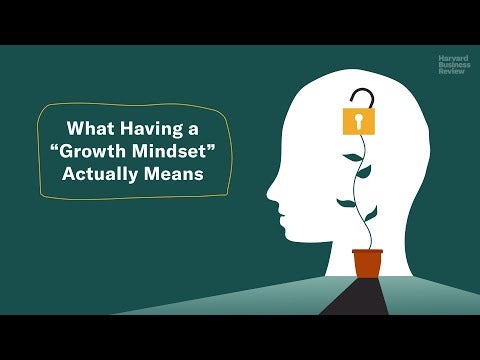
What Having a "Growth Mindset" Actually Means
The episode explains what a “growth mindset” really means, correcting common misconceptions and describing how individuals and organizations can practice it.
9 Jul 2026 · 6m · 2 chapters
The Explainer: How to Operate as a Disruptor
Explains disruptive innovation (Harvard Business School professor Clayton Christensen) and how smaller companies can beat industry giants by serving overlooked, low-cost customers, then improving to…
9 Jul 2026 · 4m · 1 chapter
5 Ways to Infuse Diversity and Inclusion Into Your Organization
How to infuse diversity and inclusion (D&I) into an organization as a mindset and core business practice, not a special initiative.
9 Jul 2026 · 10m · 4 chapters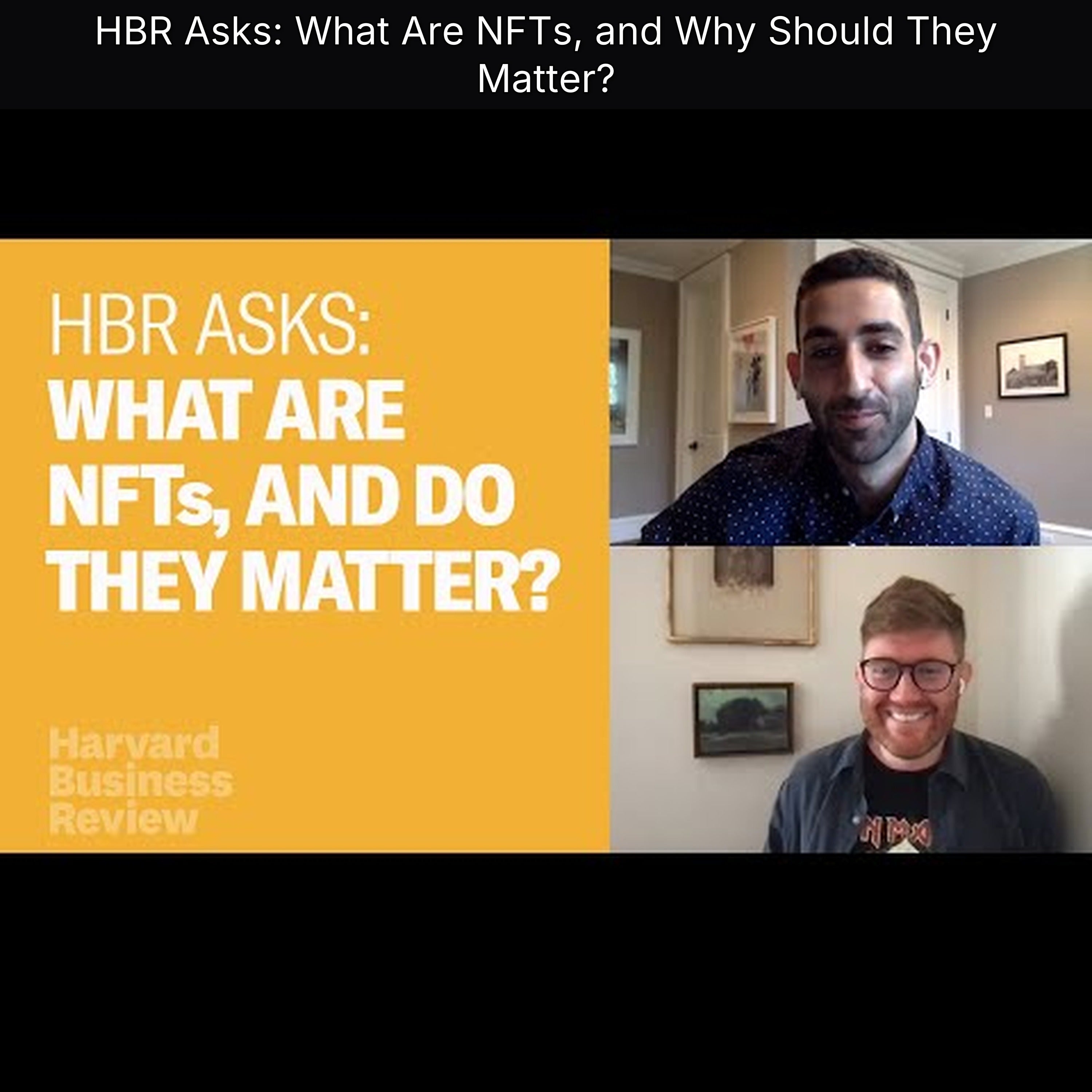
HBR Asks: What Are NFTs, and Why Should They Matter?
Explains NFTs (non-fungible tokens) as one-of-a-kind digital objects, how they work via blockchain’s distributed ledger, and why they matter for business beyond cryptocurrency.
9 Jul 2026 · 11m · 2 chapters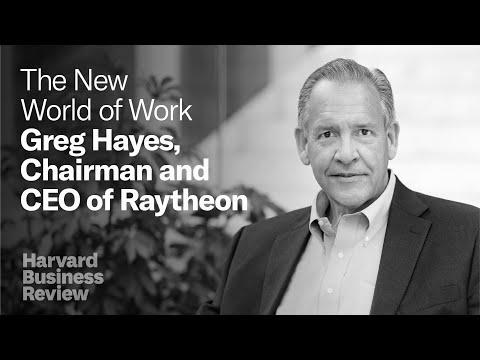
Raytheon CEO Gregory Hayes: How Ukraine Has Highlighted Gaps in US Defense Technologies
Raytheon Technologies CEO Gregory Hayes discusses how Russia’s invasion of Ukraine is exposing gaps in US defense technology, and how Raytheon is responding across weapons effectiveness, ESG,…
9 Jul 2026 · 43m · 17 chapters
The Future You Is Tougher Than You Think
How to build resilience during personal change by reframing it as an opportunity to become a “tougher” future self; discusses behavioral science and the “end of history illusion.” Guest backgrounds:…
9 Jul 2026 · 3m · 1 chapter
To Lead Better, Shift the Assumptions That Hold You Back
Leading better by shifting limiting assumptions, especially moving from “I can’t make mistakes” perfectionism to a belief that you can change and improve.
9 Jul 2026 · 3m · 1 chapter
Are You Too Direct at Work?
A one-minute leadership coaching segment on handling feedback that you’re “too direct” at work, especially when your intent is good but others experience discomfort.
9 Jul 2026 · 3m · 1 chapter
A Non-Programmer's 10-Minute Guide to Using GenAI
How non-programmers can use generative AI (ChatGPT/Bing) effectively: avoid treating it like Google, use context/personas, iterate, fact-check sources, and apply step-by-step prompting to do market…
9 Jul 2026 · 14m · 5 chapters
Lean Into Imposter Syndrome, Don't Yield to It
Imposter syndrome in high-achieving “strivers,” why it’s common, and how to respond—lean in to insecurity as a growth signal rather than yielding to it.
9 Jul 2026 · 6m · 3 chapters
To Sound Like a Leader, Think About What You Say, and How and When you Say It
How to develop an “executive voice” by choosing what you say, how you say it, when you say it, who you say it to, and whether it fits the meeting context.
9 Jul 2026 · 5m · 3 chapters
The Five Competitive Forces That Mold Strategy
Michael Porter explains his updated “Five Competitive Forces” strategy framework (reaffirming, updating, and extending his 1979 “How Competitive Forces Shape Strategy”).
9 Jul 2026 · 16m · 13 chapters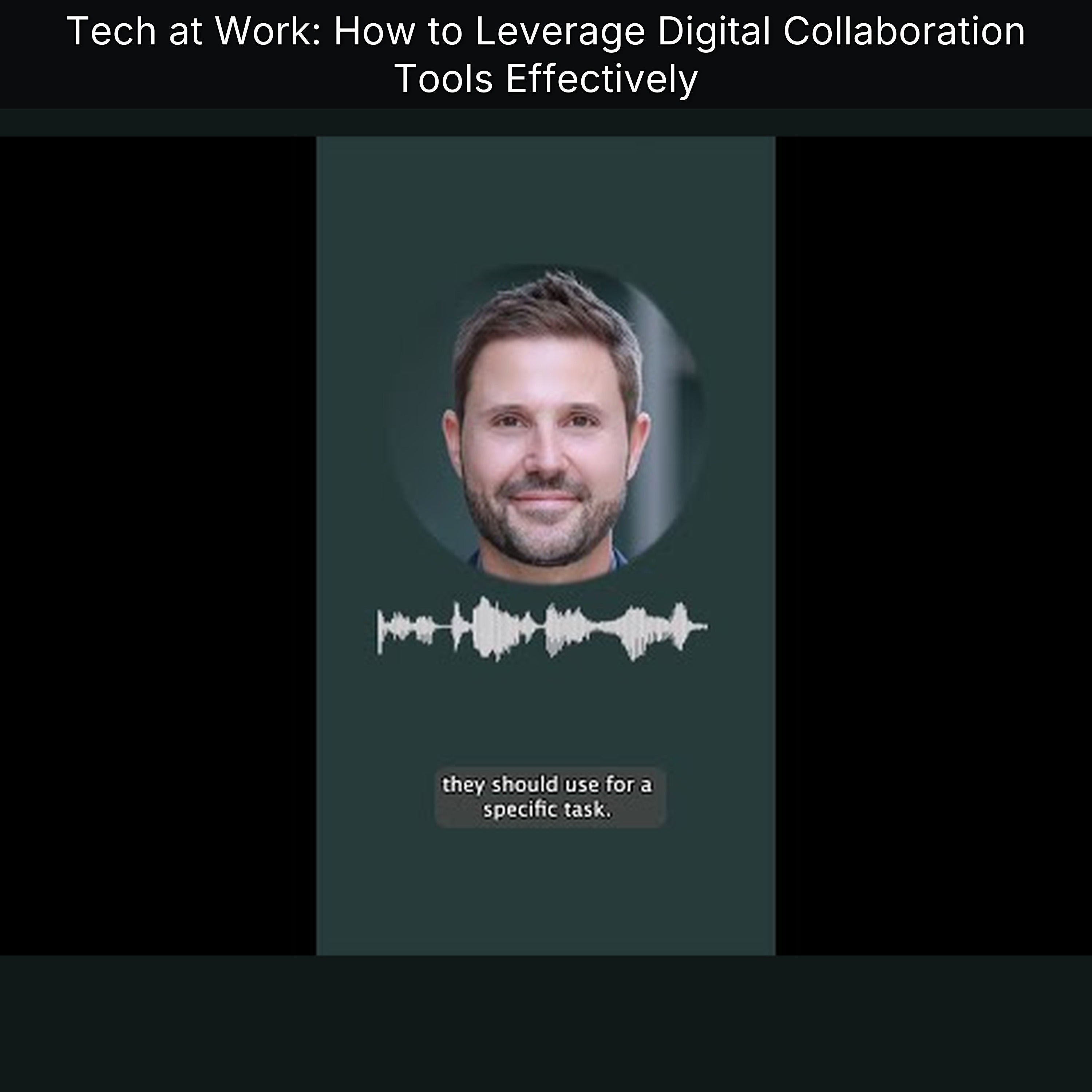
Tech at Work: How to Leverage Digital Collaboration Tools Effectively
Digital collaboration tools at work—how to avoid tool overload and choose the right technologies for tasks. Guest: Paul Leonardi, professor at the University of California, Santa Barbara.
9 Jul 2026 · 3m · 1 chapter
Your AI Investments Haven't Paid Off. Should You Pump the Brakes?
A discussion of an MIT study claiming 95% of generative AI investments don’t produce positive returns, and whether this signals an AI bubble or a long-term shift.
9 Jul 2026 · 3m · 1 chapter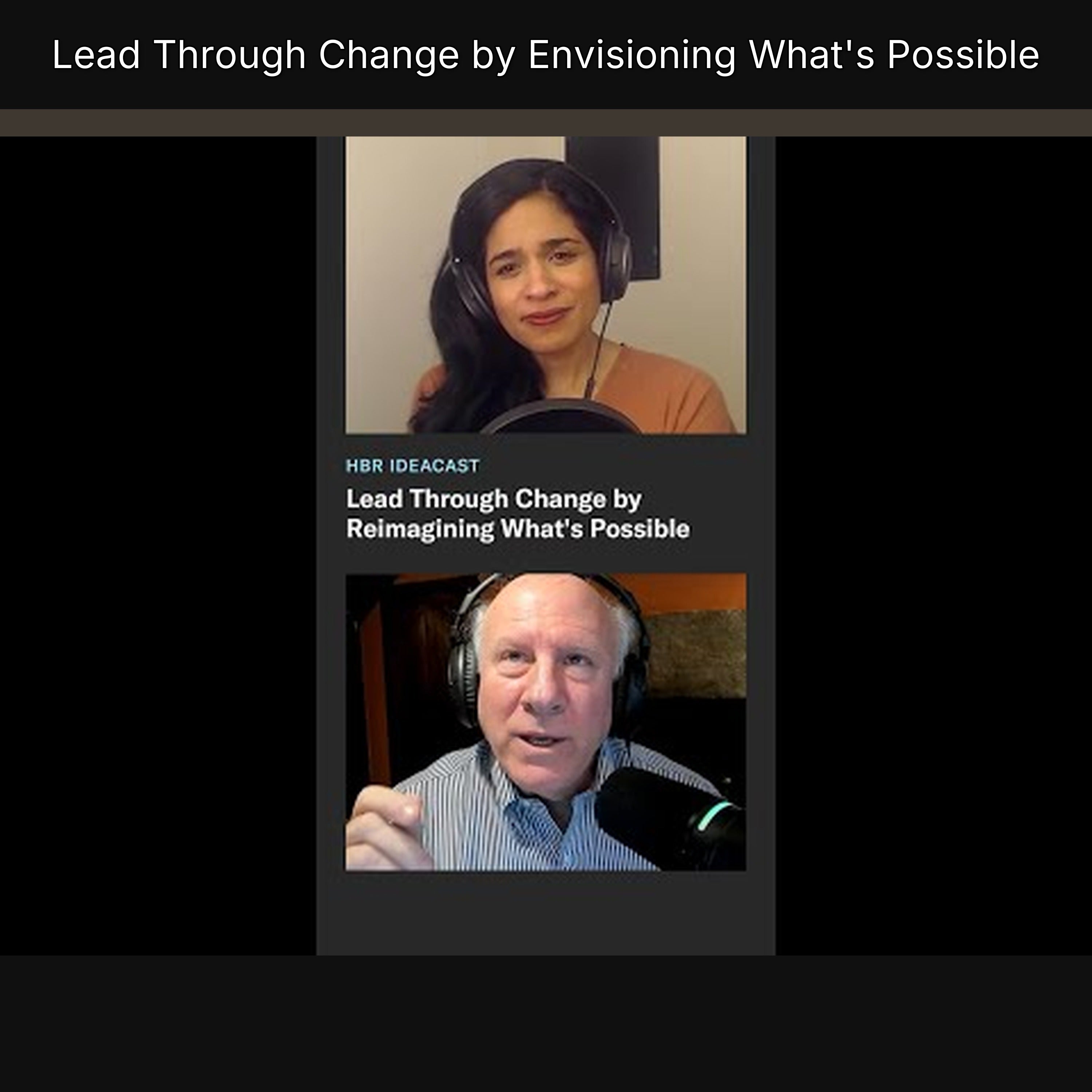
Lead Through Change by Envisioning What's Possible
How leaders can manage change by imagining alternative futures (“Possible Selves”) rather than clinging to what they know.
9 Jul 2026 · 4m · 2 chapters
What Is It Like to Be a Software Engineer? | Career Crush
What it’s like to be a software engineer—daily work, interview process, career paths, pay expectations, and navigating a predominantly white/male industry.
9 Jul 2026 · 14m · 8 chapters
Spot Your Leadership Blindspots
Leadership blindspots and improving leadership through self-awareness rather than trying to change others.
9 Jul 2026 · 3m · 2 chapters
Want to Be Happier? Cherish Time Over Money
The episode argues that “time poverty” (not having enough time) is a major global driver of lower happiness and stress, sometimes more than financial poverty.
9 Jul 2026 · 8m · 3 chapters
Senior Leaders, Here's How to Convey Your Achievements
How senior leaders should communicate their achievements without deflecting or taking over, using “we then me,” emphasizing scale/complexity, and explaining the reasoning behind results.
9 Jul 2026 · 4m · 2 chapters
Whole Foods CEO Jason Buechel on the Trials and Opportunities of Inheriting a Visionary Leader's Legacy
Jason Bickel (Whole Foods CEO) discusses inheriting John Mackey’s 42-year legacy, leading as a subsidiary of Amazon, and Whole Foods’ strategy for growth, sustainability, regenerative agriculture,…
9 Jul 2026 · 37m · 18 chapters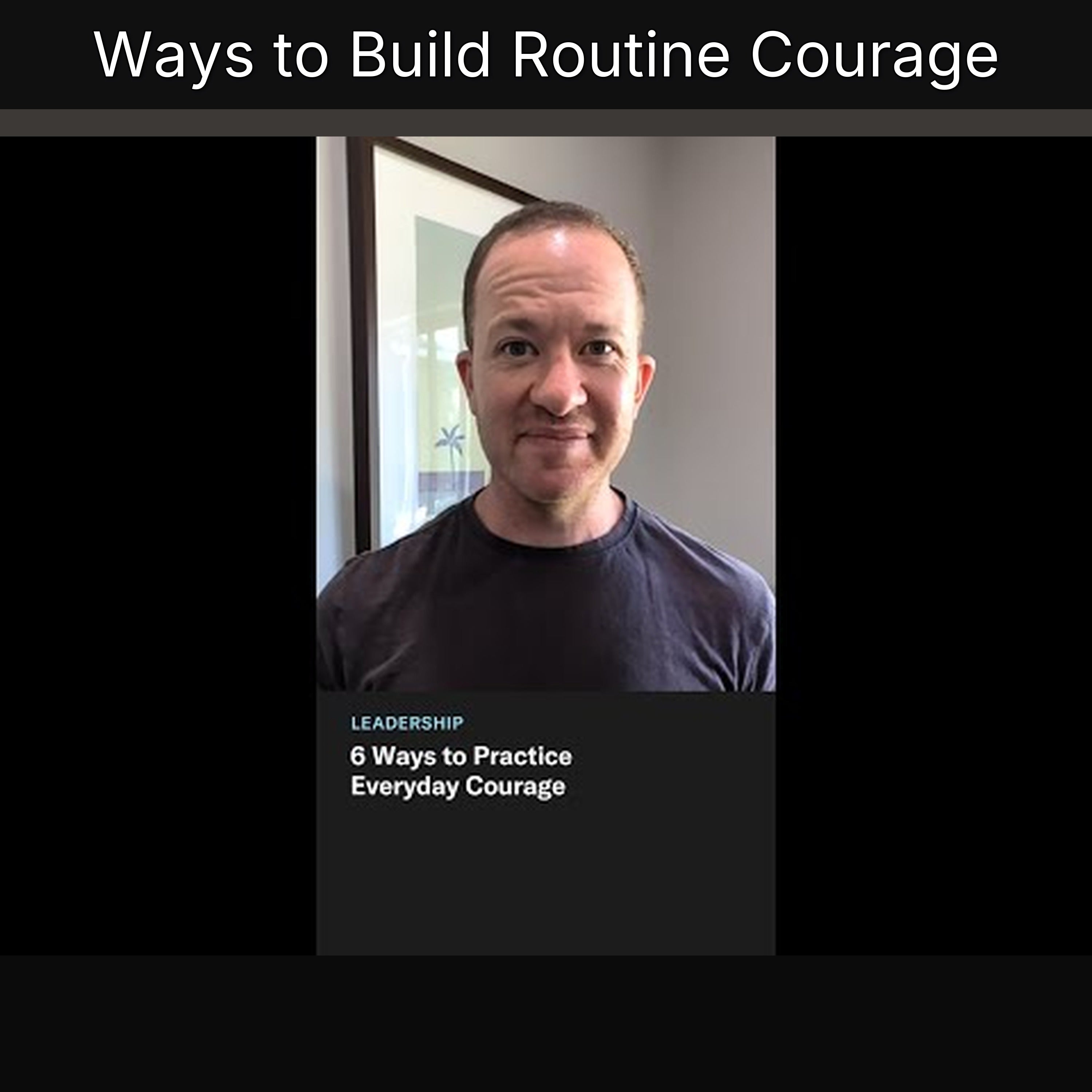
Ways to Build Routine Courage
“Ways to Build Routine Courage” argues that leaders face backlash and risk even for routine decisions, and that “everyday courage” is a muscle built through small, non-headline actions.
9 Jul 2026 · 4m · 2 chapters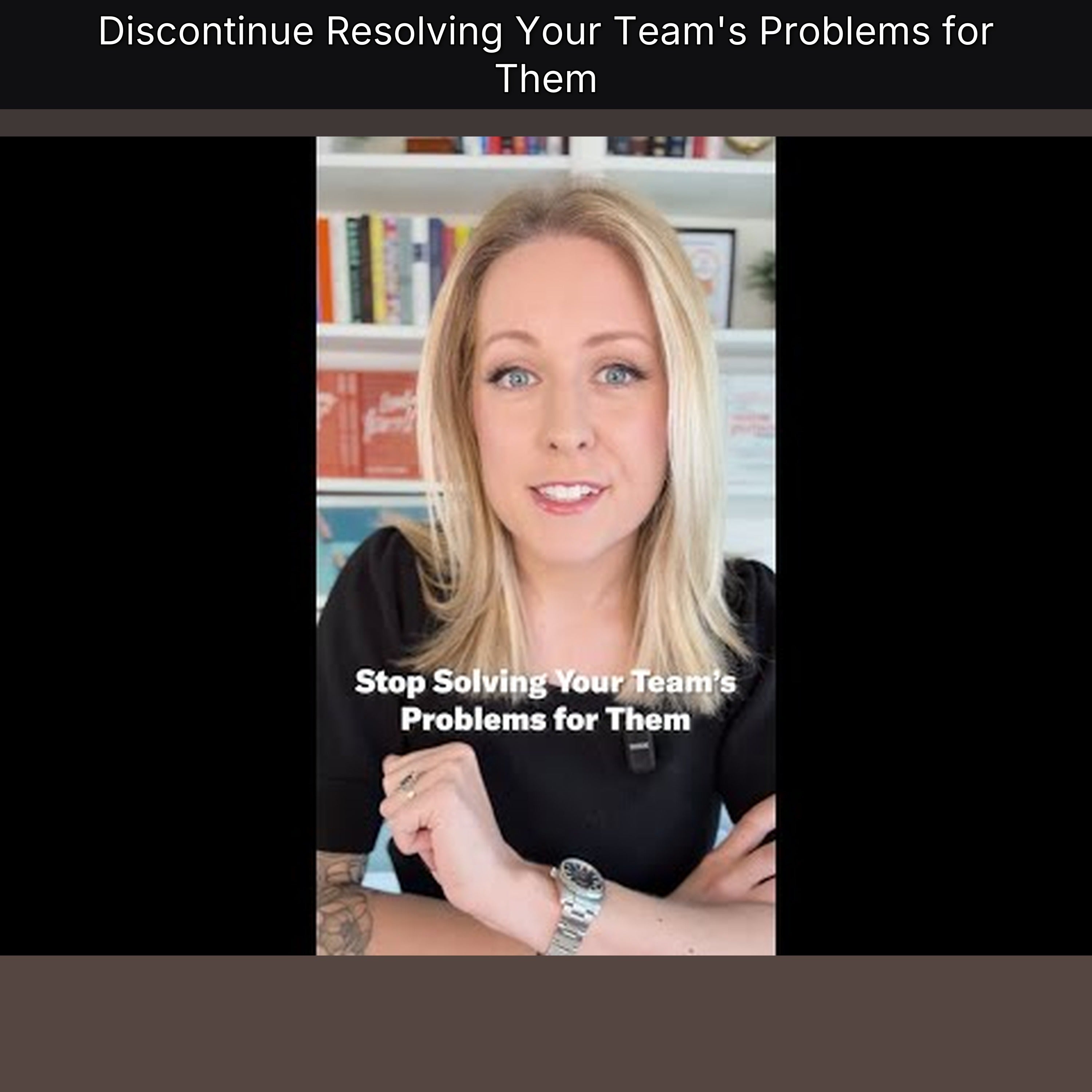
Discontinue Resolving Your Team's Problems for Them
How leaders can stop resolving team problems themselves, reducing decision fatigue, bottlenecks, and dependency on the leader.
8 Jul 2026 · 4m · 1 chapter